




18th Century Textile Artwork
These 18th century textile artwork pieces are hand-worked silk and wool compositions that bring period charm and texture to a room.
18th Century Textile Artwork
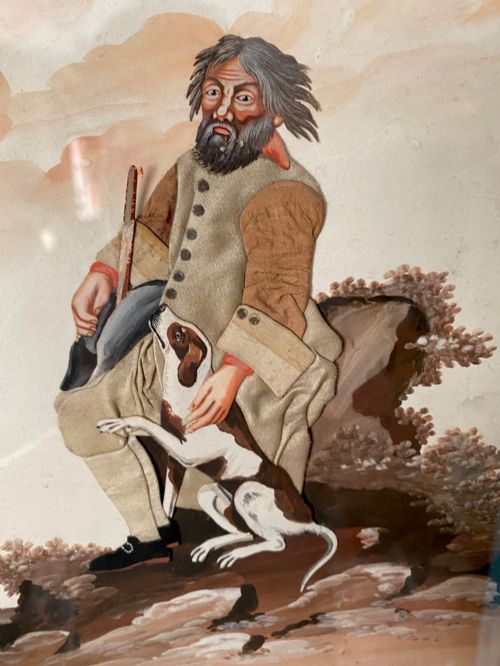
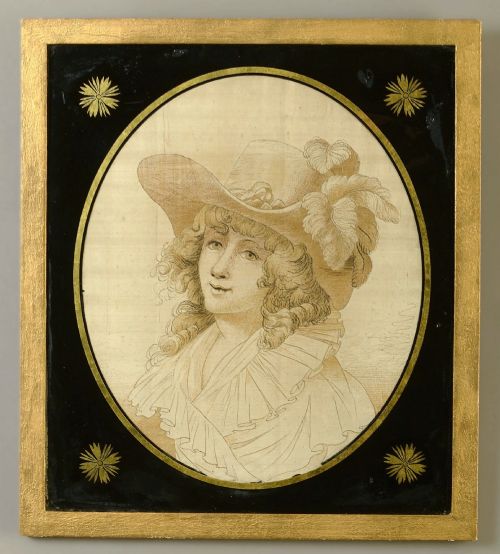
When you search for 18th century textile artwork, you encounter needlework pictures, embroidered pastoral scenes, and framed silk portraits. These pieces capture the domestic handwork and visual culture of the Georgian period.
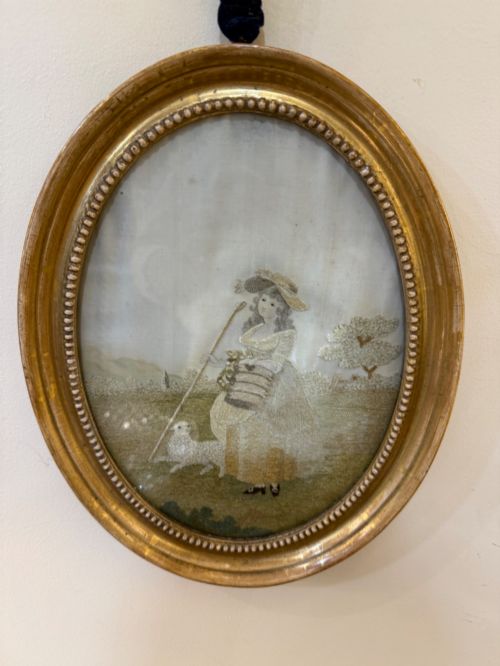
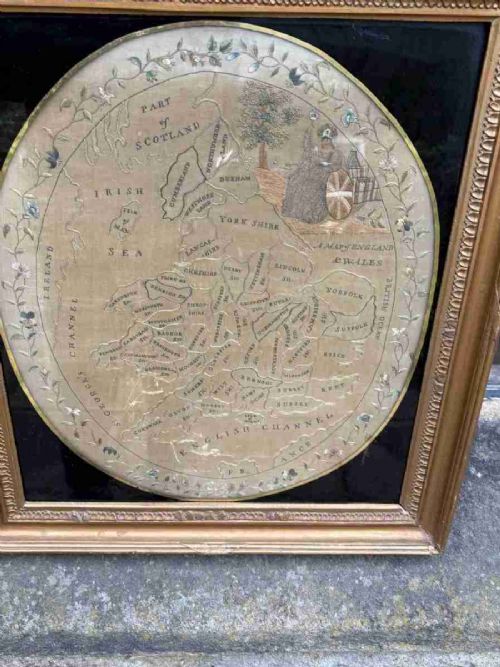
The most common examples on this page are framed needlework pictures and silk embroideries originating from the 18th century and the broader Georgian era. They frequently depict portraits, maps, or pastoral farming subjects.
Makers often mounted these works in giltwood or wood frames, sometimes octagonal in shape. Fragments such as Toile de Jouy also appear among the wall art.
How they were made
These works rely on needlework techniques utilising silk, wool, and linen threads. Artisans stitched detailed pastoral figures, portraits, and maps directly onto fabric grounds.
Finished embroideries were secured within wood, gilded wood, or giltwood frames, occasionally behind glass to protect the delicate textile fibres.
18th Century Textile Artwork Retail Price Guide 2026
Typical asking prices for 18th century textile artwork among the pieces listed under this phrase on Sellingantiques today, from the lower quarter to the upper quarter. They describe what is for sale here now, not the wider market.
Listings feature silk, wool, linen, and giltwood materials across 18th Century and Georgian periods.
What varies in quality
The finesse of the needlework and the complexity of the silk or wool threadwork determine the distinction between average examples and finer pieces. Detailed portraiture and pastoral scenes demand greater skill than standard samplers.
The original framing contributes to the overall integrity, particularly where period giltwood or octagonal wood surrounds remain intact with the textile artwork.
The 18th Century Textile Artwork Glossary
- Needlework picture
- A framed decorative textile panel worked with silk or wool threads to create a pictorial image. These form a core part of the textile artwork category.
- Sampler
- A piece of needlework demonstrating various stitches and patterns, often including maps or lettering. Georgian examples frequently record geographical or educational exercises.
- Giltwood
- Wood carved and covered with a thin layer of gold leaf. Frames of this material frequently encase 18th century silk embroideries.
- Toile de Jouy
- A cotton or linen fabric printed with pastoral or historical scenes in a single colour. Fragments of this textile appear preserved within framed wall art.
18th Century Textile Artwork: Frequently Asked Questions
How should I hang textile artwork?
Keep framed silk and wool pieces away from direct sunlight to prevent the natural fibres and dyes from fading over time.
Ensure the room humidity remains stable to protect the historic textiles and wooden frames.
What subjects appear in these works?
Common subjects include pastoral farming scenes, portraits of fashionable figures, religious motifs, and decorative maps.
Some pieces also incorporate French Rococo styles and classical decorative themes.
Are original frames common?
Many pieces retain period giltwood or wood frames that complement the textile work inside.
Octagonal frames and gilded wood surrounds appear frequently among the listings.
What materials make up the pictures?
Needlework relies primarily on silk, wool, and linen threads worked onto a fabric backing.
Frames utilise wood, giltwood, and glass to house and protect the fragile embroideries.