

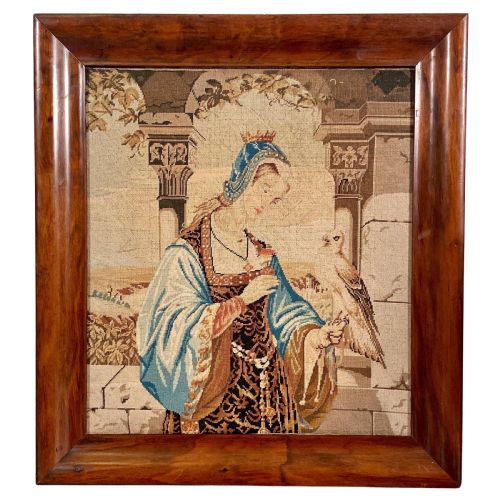


Antique Textile Portrait
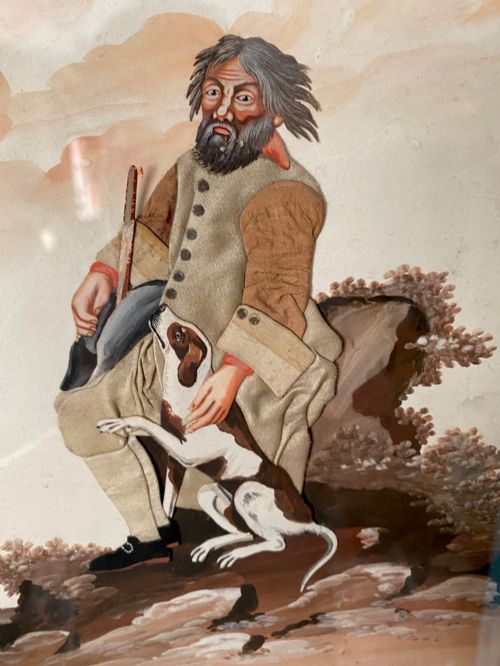
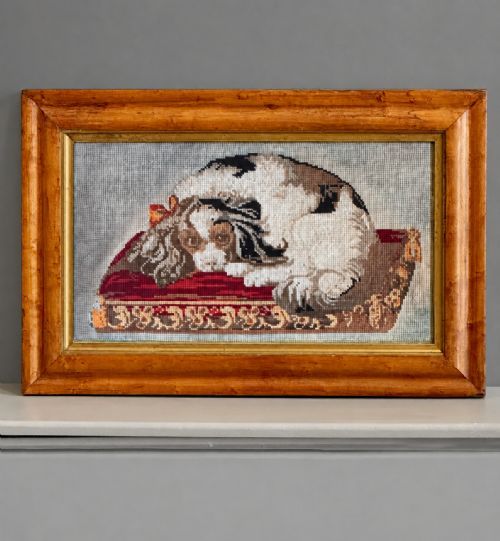
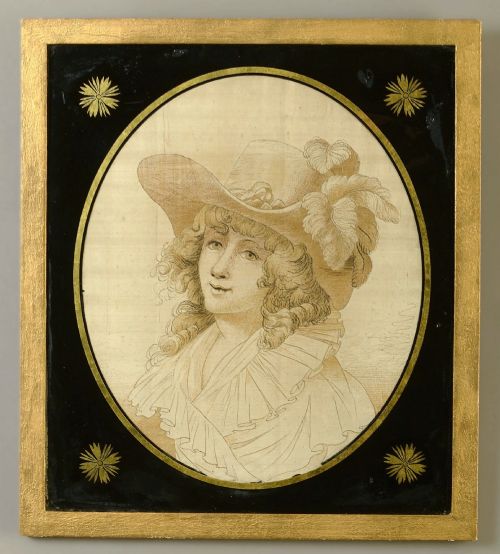
These antique textile portrait pieces bring historic figures, ladies, and animals into domestic spaces through woven silk, needlework, and wool.
Antique Textile Portrait
An antique textile portrait encompasses framed needleworks, embroidered tapestries, and woven silk pictures depicting human and animal subjects. Buyers hunting for an antique textile portrait regularly encounter Georgian and Victorian examples rendered in wool, silk, and cotton.
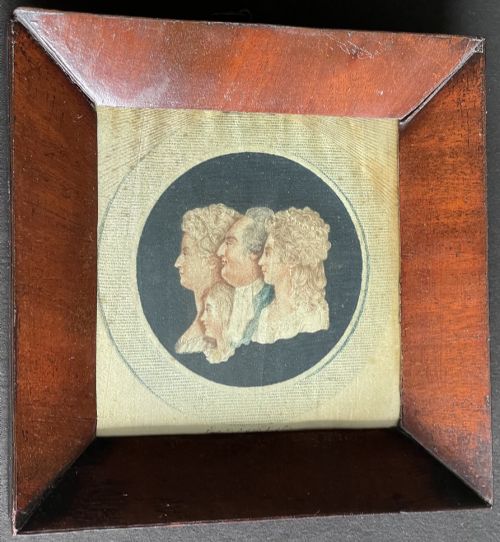
The objects span varied forms including wall art, rugs, and framed pictures originating from the eighteenth and nineteenth centuries. Regional and stylistic diversities appear across the selection, ranging from French Chateau prints on silk to Qajar Persian carpets.
Examples frequently feature notable subjects such as Louis XVI, Kaiser Wilhelm II, and literary figures like Little Red Riding Hood. Most survivors are housed in period surrounds such as burr maple or water gilded oval frames.
Materials and construction
Maker execution relies heavily on fine wool and silk threads worked onto canvas or silk grounds using techniques like gros-point embroidery and needlework. Skilled hands built up complex depictions of faces, costumes, and backgrounds stitch by stitch.
Framing forms an integral part of the construction, utilising glass panels to protect delicate textiles mounted in wood, burr maple, or gilded frames. These housings safeguard the organic fibres from dust and handling over centuries.
Antique Textile Portrait Retail Price Guide 2026
Typical asking prices for textile portrait among the pieces listed under this phrase on Sellingantiques today, from the lower quarter to the upper quarter. They describe what is for sale here now, not the wider market.
Materials recorded across the inventory include glass, silk, wool, wood, canvas, cotton, gilded wood, and burr maple.
Assessing quality
The preservation of the textile ground and the originality of the surrounding frame determine the desirability of a piece. Intact glass and period timber mounts enhance the integrity of the surviving artwork.
The Antique Textile Portrait Glossary
- Berlin work
- A style of counted-thread embroidery popular in the nineteenth century using wool on canvas. It allowed makers to follow charted grid patterns for pictorial designs.
- Gros-point
- A type of needlepoint embroidery worked on canvas using a coarse cross stitch. This technique creates a durable textured surface ideal for substantial wall hangings and pictures.
- Needlework
- General term for decorative sewing and textile art created using a needle. It encompasses various embroidery and tapestry methods seen in historical portraiture.
- Silkwork
- Embroidery executed primarily in silk threads upon a silk or fabric ground. The natural sheen of silk provides subtle tonal gradations and reflective highlights.
- Tapestry
- A form of textile art traditionally woven on a loom or heavily embroidered on canvas. Pictorial tapestries often depict classical, historical, or literary subjects.
- Water gilded
- A traditional framing technique applying thin gold leaf over a prepared gesso ground dampened with water. This method allows the gold to be burnished to a brilliant shine.
Antique Textile Portrait: Frequently Asked Questions
How should I clean my textile portrait?
Textile portraits require delicate handling and professional conservation rather than standard household cleaning methods. Dust should be gently removed from the glass surface using a soft dry cloth.
Moisture and direct sunlight must be avoided to prevent fading of silk and wool fibres. Opening the original frame risks damaging the fragile historic fabric inside.
Where were these textile portraits displayed?
These framed works hung primarily in domestic reception rooms, parlours, and private galleries throughout the eighteenth and nineteenth centuries. They served as both personal decorative statements and displays of needlework skill.
Smaller silkwork pictures were often grouped in pairs or small collections on panelled walls. Larger tapestries functioned as focal points above mantelpieces or within formal entertaining spaces.
How do I date a needlework portrait?
Dating relies on stylistic clues found in the subject's clothing, hairstyle, and the surrounding frame design. Eighteenth century examples often display neoclassical dress while Victorian pieces feature distinct ornamentation.
Materials and framing techniques also offer chronological markers for identification. Burr maple frames and specific stitching styles align closely with nineteenth century manufacturing periods.
What is the difference between a print on silk and embroidery?
A print on silk involves transferring an inked image directly onto a woven silk fabric surface. This creates a smooth finished picture without the raised texture of thread.
Embroidery and needlework are built up through individual stitches applied by hand using wool, cotton, or silk threads. Each method requires entirely different artisan skills to achieve a portrait.