

18th Century Religious Art
When you search for 18th century religious art, you enter a diverse world of devotional paintings, carved wooden figures, and delicate glass works created across Europe.
18th Century Religious Art
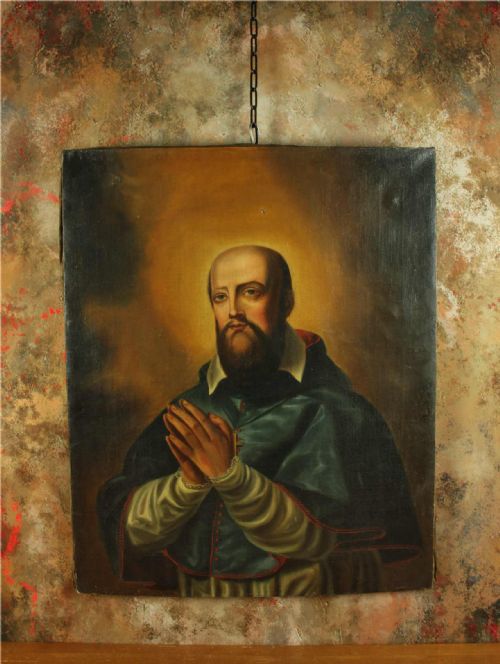
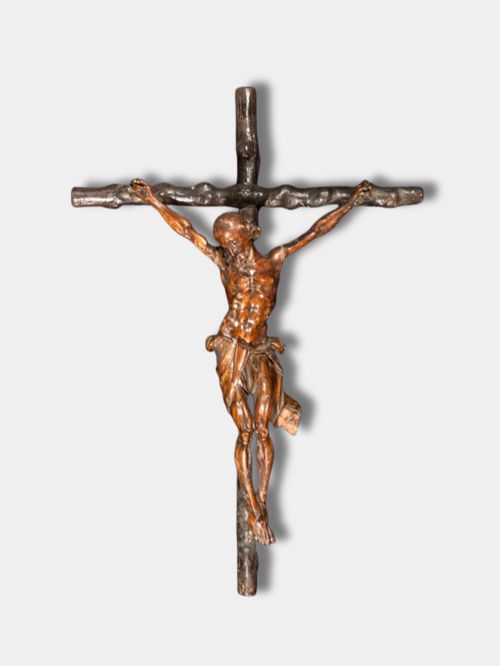
When searching for 18th century religious art, buyers encounter a wide array of devotional objects rooted in European traditions. The inventory spans oil paintings, carved wooden statues, reverse glass mezzotints, and intricate miniatures.
The pieces on this page are heavily influenced by Italian, Spanish, and French schools, reflecting the dominant Catholic and continental artistic movements of the period. Forms range from monumental canvases depicting saints to intimate devotional shadow boxes and enamel plaques.
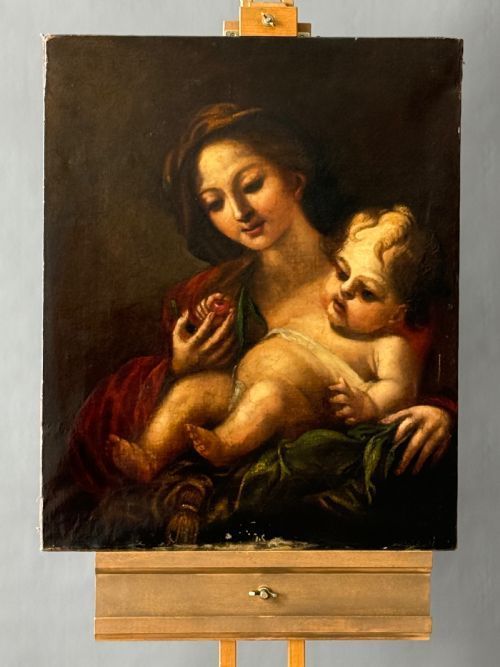
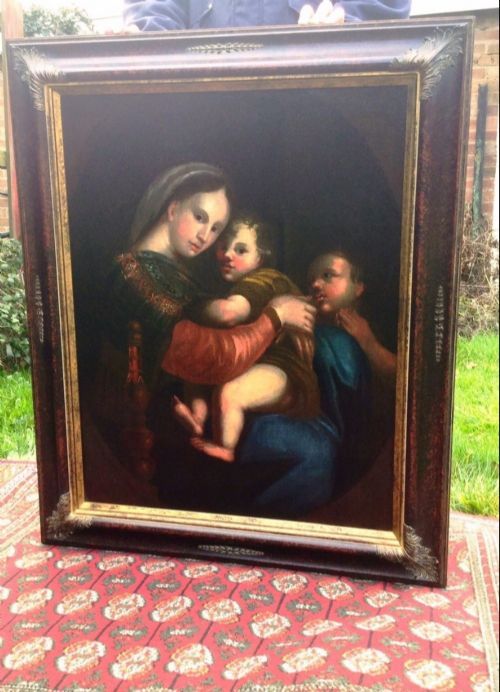
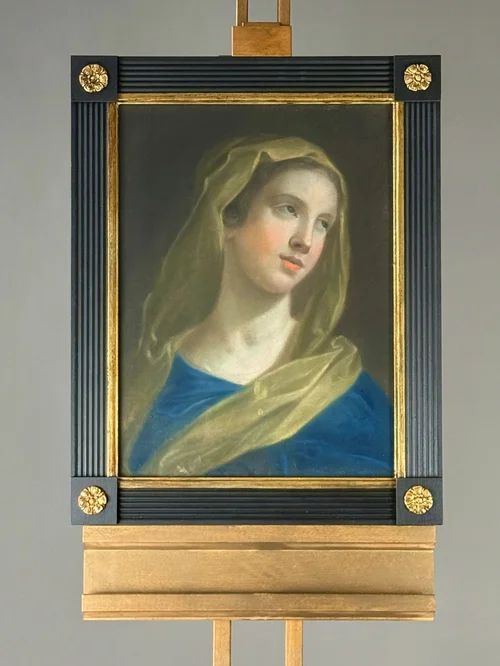
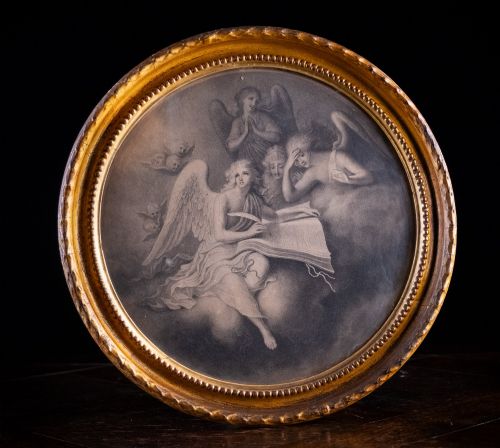
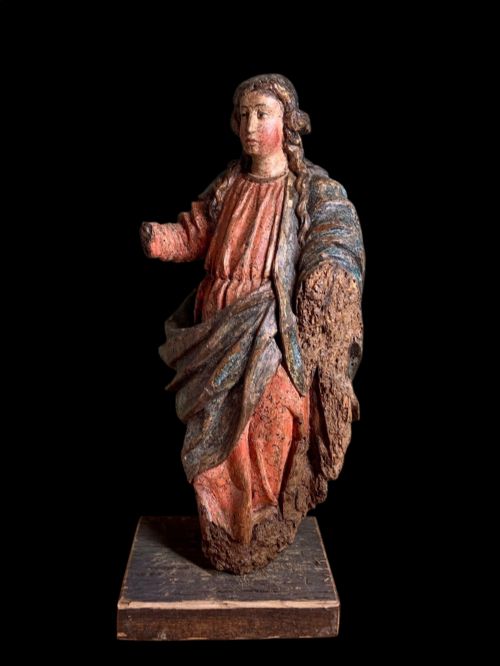
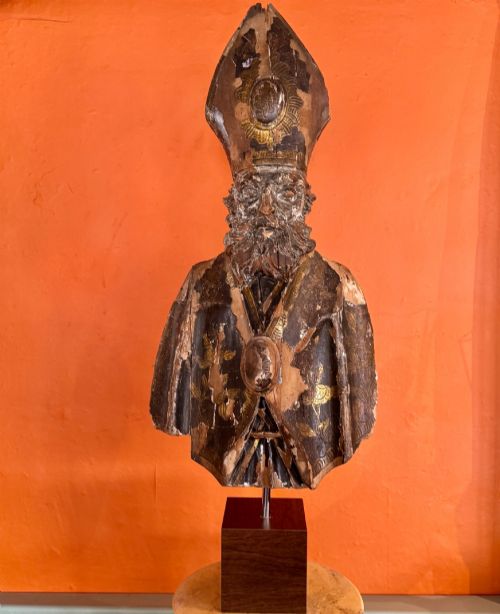
Sculptural works in wood often feature polychrome paint, gesso, and gold leaf, capturing figures such as the Madonna and Child, Saint Jerome, and various bishops. Paintings include old master oils, pastels, and engravings after Raphael and other classical masters.
Materials and techniques
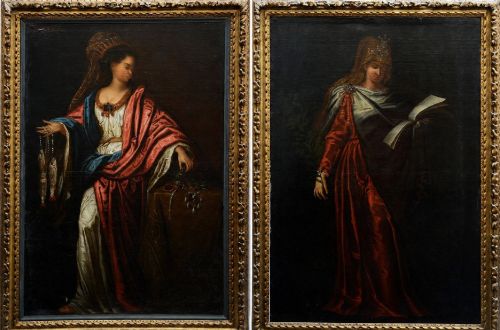
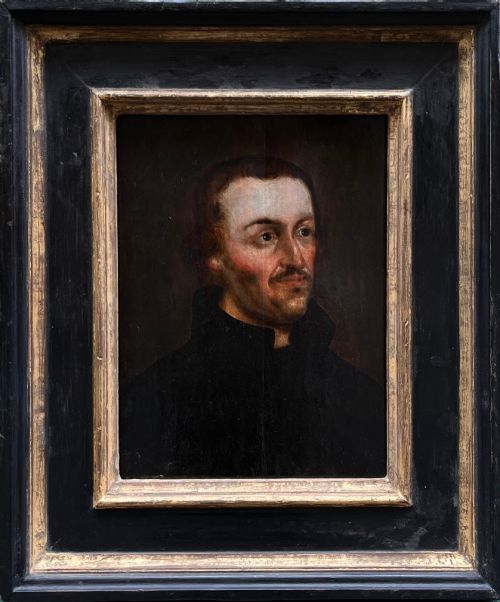
Makers utilised traditional supports such as canvas, wood panels, and paper, applying oil paint, tempera, or pastel to render sacred figures. Canvases often carried rich narratives of saints and biblical scenes, sometimes built up with complex layering.
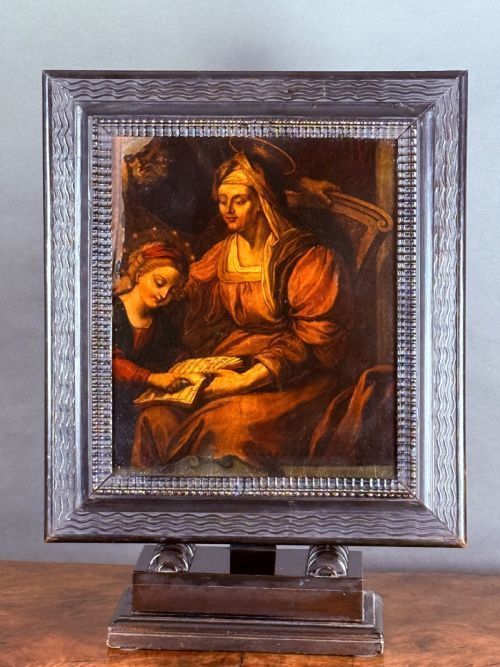
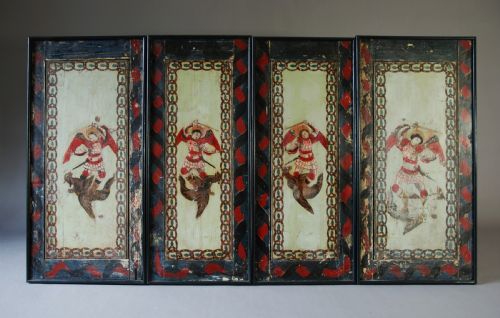
Woodworking techniques involved detailed carving in pine, oak, and olive wood, frequently finished with gesso, gold leaf, and polychrome paint to give lifelike depth to statues and architectural panels. Glass works combined reverse painting and mezzotint methods to achieve luminous, layered imagery.
18th Century Religious Art Retail Price Guide 2026
Typical asking prices for 18th century religious art among the pieces listed under this phrase on Sellingantiques today, from the lower quarter to the upper quarter. They describe what is for sale here now, not the wider market.
The inventory includes continental European schools from Italy, Spain, France, and Russia, alongside regional British and Croatian pieces.
Understanding quality
Quality in these pieces is dictated by the finesse of the brushwork, the depth of the carving, and the preservation of original surfaces such as polychrome paint and gilding. Masterful handling of anatomy and expression separates accomplished studio pieces from naive vernacular works.
The integrity of the medium also plays a role, whether observing the crisp detail of a reverse glass mezzotint or the subtle pentimento in an old master oil painting. Provenance linking a work to specific European schools or recognised workshops elevates the standing of the piece.
Francesco Solimena·Juan Ruiz Soriano·Pompeo Batoni·Sebastiaan Vrancx·Orsola Maddalena Caccia
The 18th Century Religious Art Glossary
- Polychrome
- Decorated in a variety of colours. This technique is frequently seen on carved wooden figures and statues from the period.
- Mezzotint
- A printmaking process of the intaglio family where tones are created by roughening the plate. It allows for subtle gradations of light and shade in devotional prints.
- Gesso
- A plaster mixture used as a smooth base for painting or gilding on wood. It provides a stable surface for gold leaf application.
- Pentimento
- An alteration in a painting, evidenced by traces of previous work, showing the artist's changes in composition. Such shifts reveal the evolving nature of old master works.
- Capipote
- A type of devotional sculpture with a wooden framework designed to wear actual fabric garments. These figures were often used in religious processions and rituals.
18th Century Religious Art: Frequently Asked Questions
What subjects appear in these paintings?
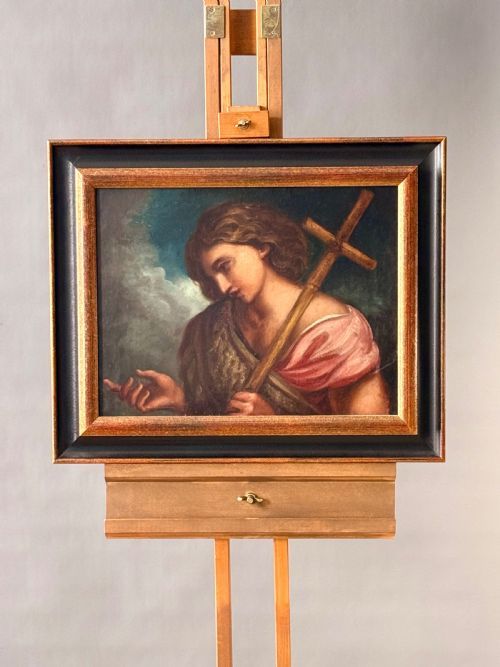
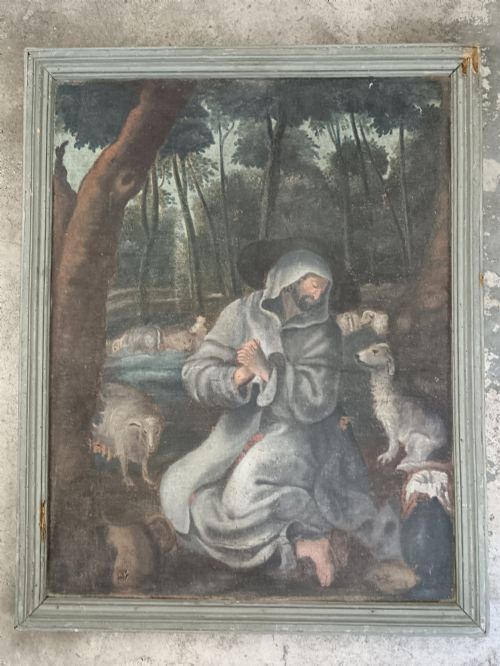
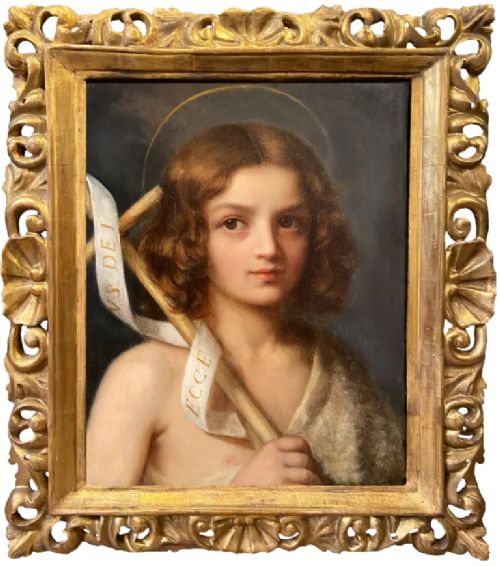
Devotional works frequently depict the Madonna and Child, the Holy Family, and various saints such as Saint John the Baptist, Saint Francis, and Saint Jerome. Biblical narratives and allegorical scenes also form a significant portion of the painted output.
Artists drew heavily on classical iconography, often producing copies or interpretations after masters like Raphael and Correggio for private prayer and ecclesiastical spaces.
How were reverse glass pieces made?
Makers painted or printed the image directly onto the reverse side of a glass sheet, working in reverse order by applying fine details before background layers. When viewed from the front, the glass imparted a natural gloss and protected the pigment.
This technique produced luminous devotional portraits and narrative scenes that remained popular for domestic reflection throughout the period.
Where did these wooden sculptures originate?
Carved statues and busts emerged primarily from workshops across Italy, Spain, France, and Croatia, reflecting distinct regional liturgical traditions. Woods like pine, oak, and olive wood were shaped locally before receiving gesso and polychrome decoration.
Many figures served specific roles in churches, private chapels, or domestic shrines as focal points for prayer.
How do I identify regional schools?
Regional attribution relies on stylistic traits, handling of colour, and the specific saints favoured in local traditions, such as Spanish depictions of the Passion or Venetian treatments of light. School designations often point to the workshop circles influenced by dominant artistic centres.
Examining the materials, framing, and preparation layers can also offer clues regarding the geographic origin of an unassigned painting or sculpture.