



18th Century Profile Portrait
An 18th century profile portrait distils a living likeness into silhouette, pastel, or carved cameo, offering direct intimacy with Georgian society.
18th Century Profile Portrait
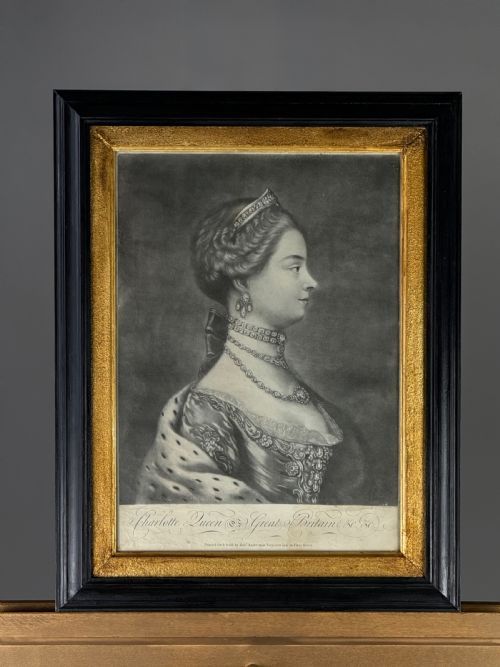
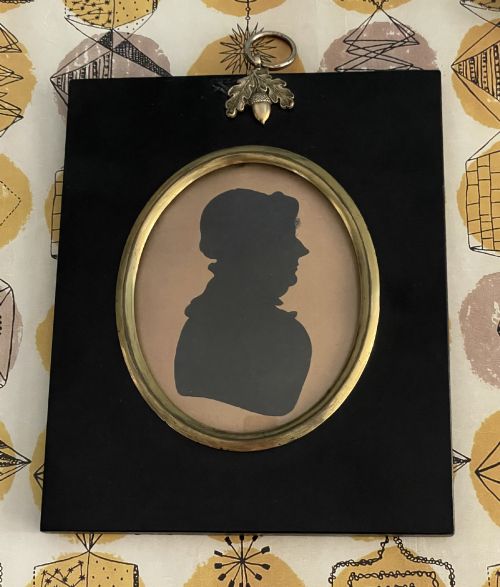
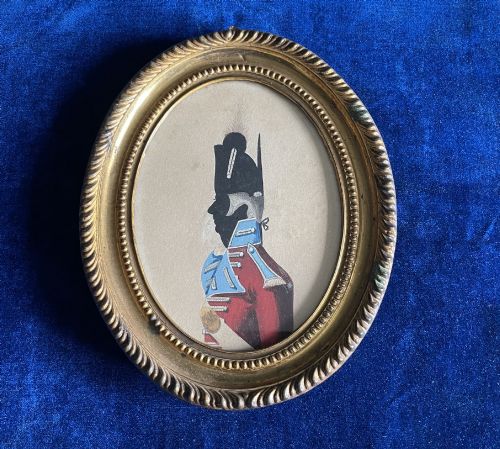
An 18th century profile portrait captures the contour of a sitter through varied mediums, ranging from painted miniatures and silhouettes to carved marble bas-reliefs. The pieces on this page span the Georgian era, incorporating works on paper, glass, plaster, and panel.
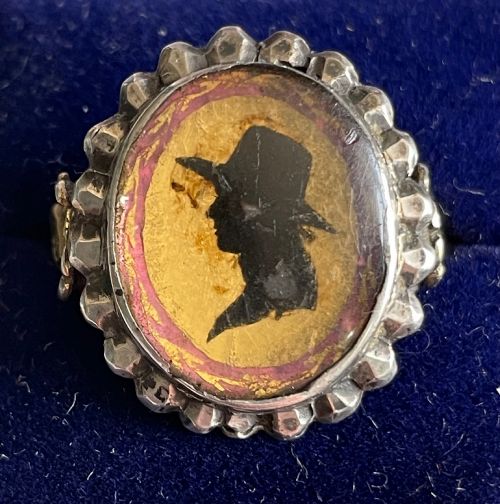
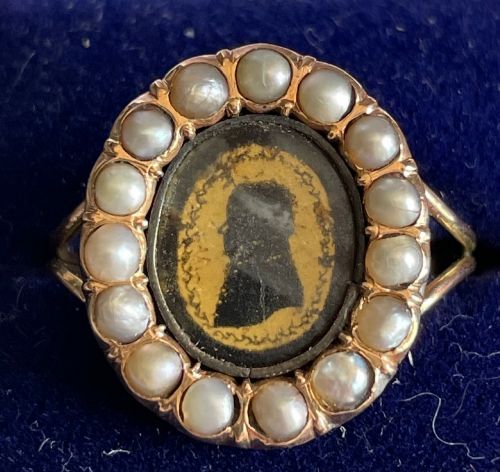
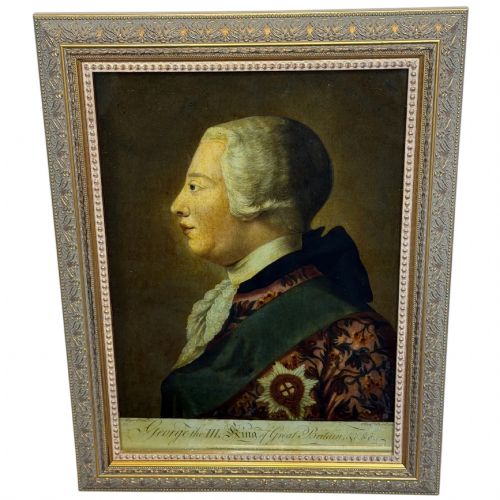
Buyers encounter intimate personal keepsakes alongside grander framed representations. Silhouette jewellery pieces, rings, and brooches sit alongside larger oil paintings, pastels, and mezzotint engravings.
The selection reflects both British and Continental origins, including Grand Tour souvenirs and provincial folk art alongside named masters. This variety allows collectors to focus on specific forms, such as painted glass miniatures or charcoal drawings.
Materials and technique
Silhouettes relied on delicate cutting, drawing, or printing, often housed in ebonised wood frames with brass bezels. Three-dimensional profiles emerged through carved marble, pressed white glass paste, and layered paper silhouettes.
One gentleman's silhouette includes a secret handwritten motto tucked behind the plaster, preserving a private Georgian inside joke.
Distinctions in quality
The fidelity of the likeness and the sureness of the draughtsmanship dictate the standing of a portrait. Skilled artists captured character and bone structure with minimal brushstrokes or incisions, whereas lesser works remain stiff and formulaic.
Original mountings, contemporary frames, and signed or documented provenances elevate pieces. The survival of fragile glass, original brass fittings, and intact backing papers maintains the historical integrity of the object.
James Sharples·James McArdell·Jeremiah Meyer·Richard Purcell·John Miers·James Ferguson·Archibald Skirving·Ozias Humphry·Nathaniel Bermingham·Sir Nathaniel Dance-Holland
The 18th Century Profile Portrait Glossary
- Silhouette
- A solid black profile likeness, usually cut from paper or painted on plaster or glass. The form gained popularity in the Georgian period through practitioners like John Miers.
- Plumbago
- A drawing executed in black lead or graphite. This technique allowed artists to achieve remarkable detail and tonal nuance in monochrome.
- Mezzotint
- A printmaking process of the print era that allows tonal shades to be produced. It was frequently utilised for reproducing portraits of prominent figures.
- Paste
- A heavy, highly refractive glass used to imitate gemstones or carved cameos. Georgian examples often replicate classical hardstone carvings in white relief.
- Bas-relief
- A sculptural technique where the figures project slightly from a flat background. Grand Tour souvenirs frequently employed this method in carved marble.
18th Century Profile Portrait: Frequently Asked Questions
How do I identify a period silhouette?
Examine the materials and framing used in the piece. Georgian examples frequently employ plaster, ivory, or glass backs with turned ebonised wood frames.
Signatures or trade labels pasted to the reverse often provide definitive maker attribution and date parameters.
What is a plumbago portrait?
A plumbago is a finely detailed drawing created using graphite or black lead. These works showcase delicate shading and precise linework.
They function as monochromatic preparatory studies or finished miniature artworks from the period.
How were portrait miniatures worn?
Miniatures were frequently mounted into gold rings, lockets, and brooches for personal adornment. Sitters commissioned these wearable pieces to keep the likeness of family members close.
Many survive with glazed reverse compartments intended for braided hair memorials.
What are Grand Tour cameos?
Grand Tour cameos are carved marble or stone reliefs depicting classical profiles, typically acquired by travellers in Italy. These souvenirs celebrate classical antiquity and Roman sculpture.
Carved frames and Florentine woodwork often accompany these profile portraits.