
18th Century Portraiture Art
Encountering 18th century portraiture art brings face to face figures rendered in oils, pastels, and detailed mezzotint prints that capture centuries of character.
18th Century Portraiture Art
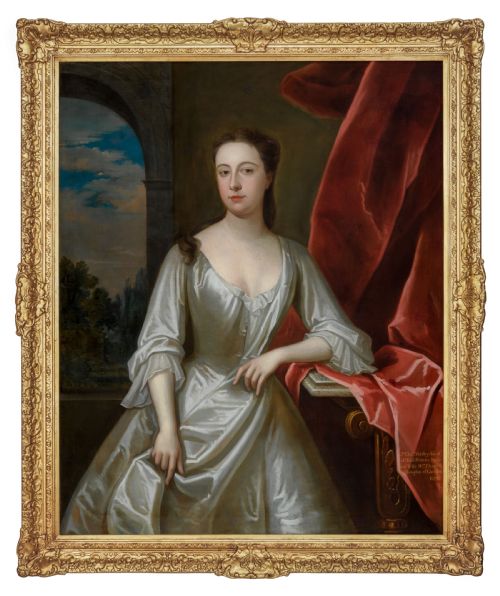
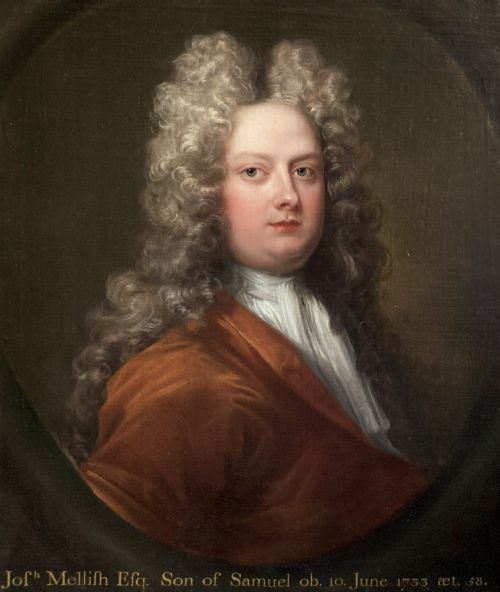
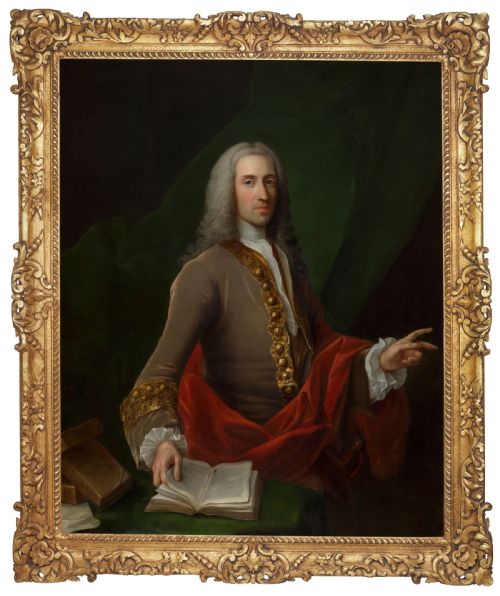
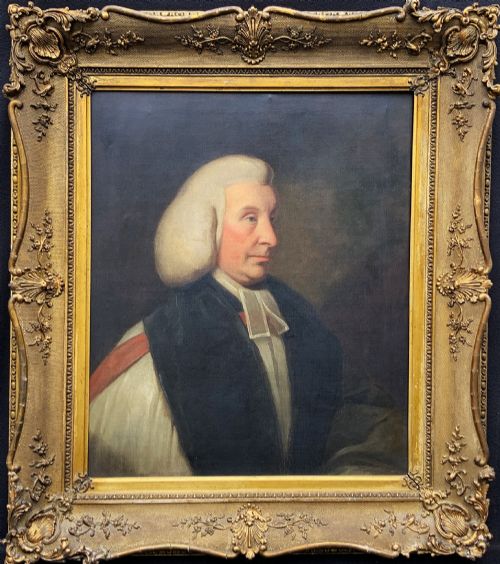
18th century portraiture art encompasses oil paintings, pastels, reverse glass prints, and engraved works capturing individual likenesses from the Georgian era and surrounding periods. These works depict noblemen, ladies, children, and clergymen, often rendered by regional schools or named practitioners following continental and British traditions.
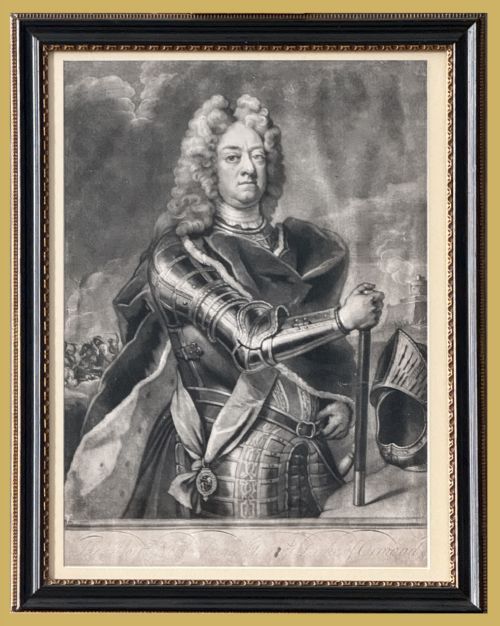
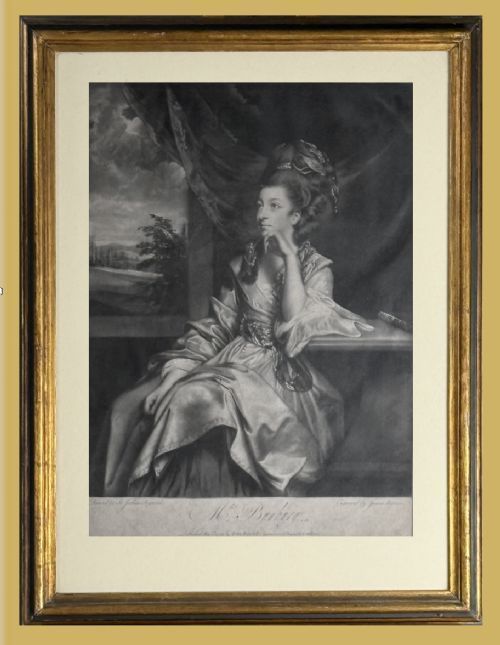
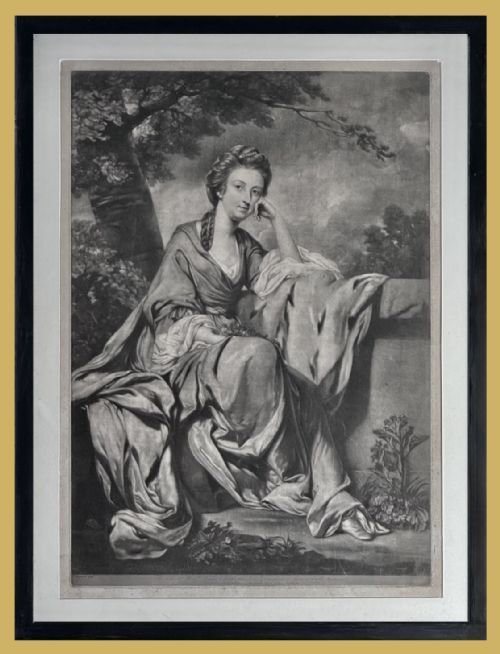
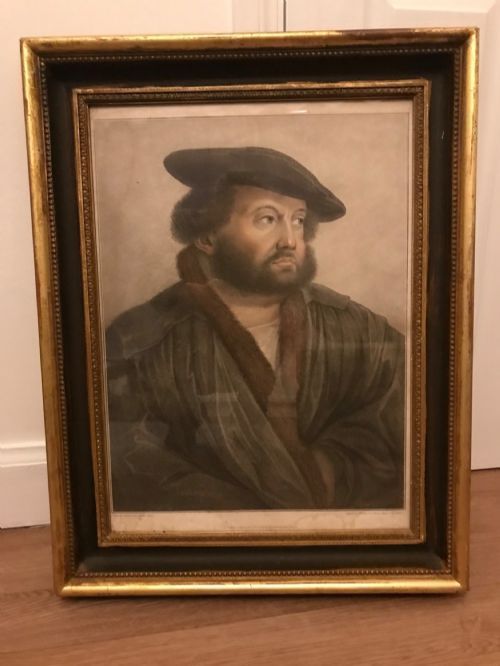
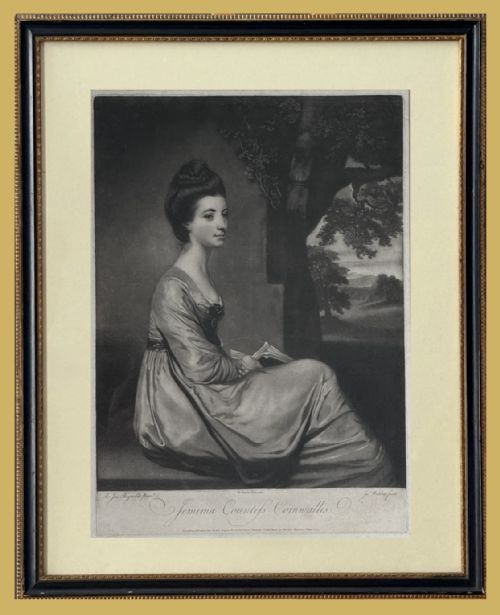
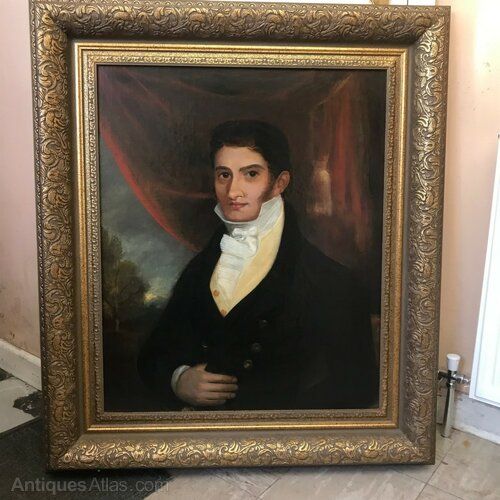
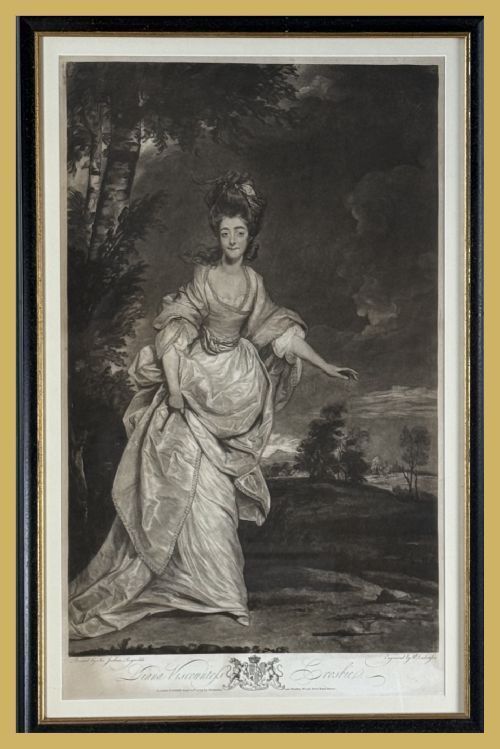
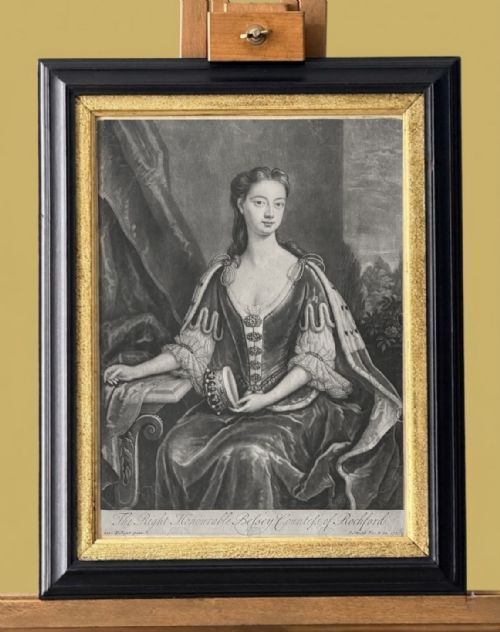
Buyers browsing this selection will most frequently encounter original oil on canvas paintings and printed mezzotints after prominent artists like Sir Joshua Reynolds. Frames of giltwood frequently accompany these works, alongside works executed on paper and canvas.
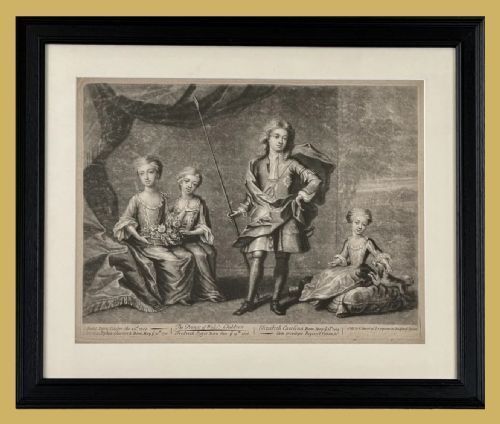
The assortment spans formal court portraiture with elaborate dress to intimate depictions of children with pets or books. Works range from the British Baroque period through the Rococo style into the turn of the nineteenth century.
Materials and Construction
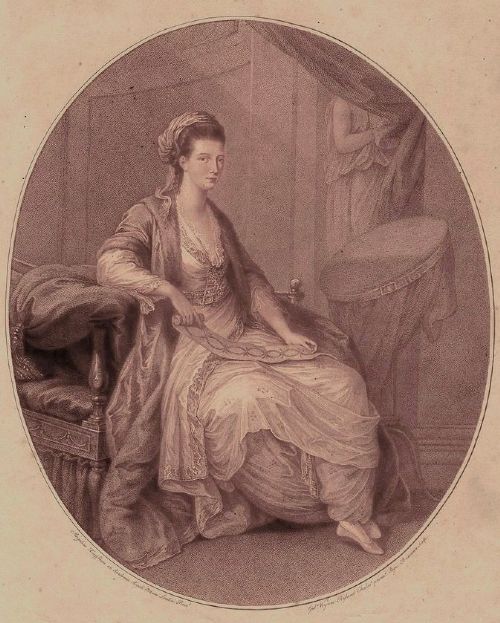
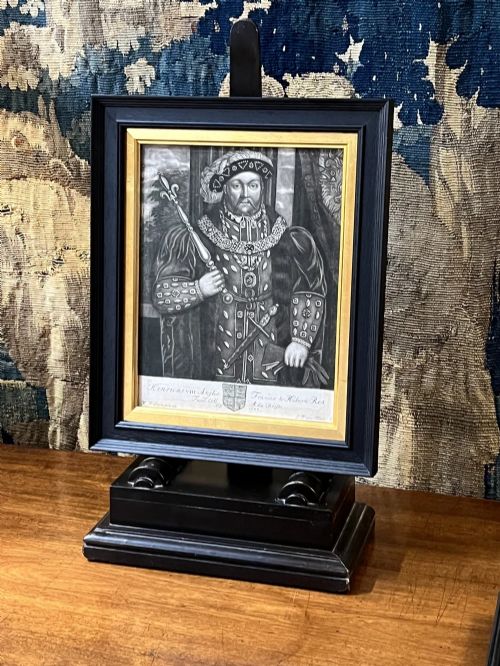
Printmakers employed copper plates to produce mezzotint and stipple engravings, translating original painted portraits into ink on paper. Carved giltwood frames often housed these canvases and prints, adding ornamental surrounds to the visual compositions.
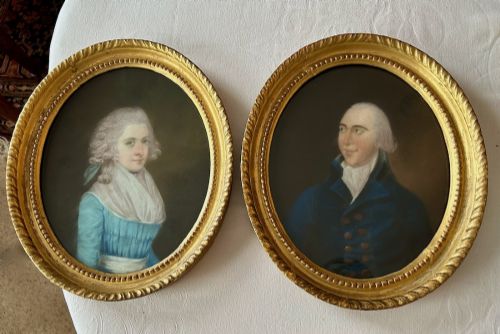
Listings feature oil paintings on canvas, pastel works on paper, and reverse glass prints originating from the eighteenth century.
Markers of Distinction
Condition of the canvas surface, presence of original or period frames, and clarity of the mezzotint impression influence the visual integrity of the piece. Attribution to a documented hand or close circle further elevates the standing of individual works.
Sir Godfrey Kneller·Charles Jervas·John Simon·Michael Dahl·James Watson·Sir Joshua Reynolds·Edward Fisher·Francesco Bartolozzi·Jeremiah Davison·John Faber Snr·Hans Holbein The Younger·John Smith·Charles D Agar·Thomas Beach·Sir Allan Ramsay·John Russell RA·Joseph Highmore·Thomas Gainsborough·John Hamilton Mortimer·Christian Lindner·Charles Stanhope·Enoch Seeman·Balthasar Denner·Tilly Kettle·Richard Cosway RA
The 18th Century Portraiture Art Glossary
- Mezzotint
- A printmaking process of the intaglio family where the plate is roughened to achieve rich tones and subtle gradations of light and shade. This method was widely utilised in the eighteenth century to reproduce famous painted portraits.
- Giltwood
- Wood carved and covered with a thin layer of gold leaf. Frames executed in this material frequently accompany antique oil paintings.
- Stipple engraving
- A technique of generating images on a metal plate by means of dots rather than continuous lines. Francesco Bartolozzi practiced this method for detailed portrait prints.
- Circle of
- A designation indicating the work was produced by an artist closely associated with a master, sharing identical techniques and stylistic traits without being by their own hand.
- Pastel
- A medium consisting of powdered pigment and a binder rolled into sticks, applied dry to paper supports. Eighteenth-century artists used pastels for intimate portraiture.
18th Century Portraiture Art: Frequently Asked Questions
How do I identify an 18th century portrait?
Examine the subjects' attire, hairstyles, and framing conventions which typically reflect Georgian or Baroque aesthetics. Inscriptions, canvas types, and recorded provenance in the title often provide further chronological context.
Paintings from this era frequently employ specific oil palettes and canvas preparations associated with eighteenth-century workshops.
What is the difference between an oil painting and a mezzotint?
An oil painting is a unique work created by applying pigmented oils directly to canvas or wood supports. A mezzotint is an engraved print pulled from a prepared copper plate, allowing multiple impressions of a single portrait.
Prints often reproduce famous painted works by artists such as Sir Joshua Reynolds for broader distribution.
How should I hang portrait art at home?
Hang oil paintings and framed prints away from direct sunlight and sources of extreme heat to protect the canvas and paper. Ensure walls can support the weight of heavy giltwood frames.
Pairing works of similar scale helps maintain balanced visual proportions within a room.
What does attributed to an artist mean?
Attribution indicates that experts judge a work to be by the hand of a specific master based on stylistic comparison. It denotes strong stylistic links to a named painter without definitive documentation.
Such works reflect the technical standards and aesthetic values of the attributed master's workshop.