



18th Century Portrait Drawing
An 18th century portrait drawing brings historical presence and direct observation into a room through delicate lines on paper.
18th Century Portrait Drawing
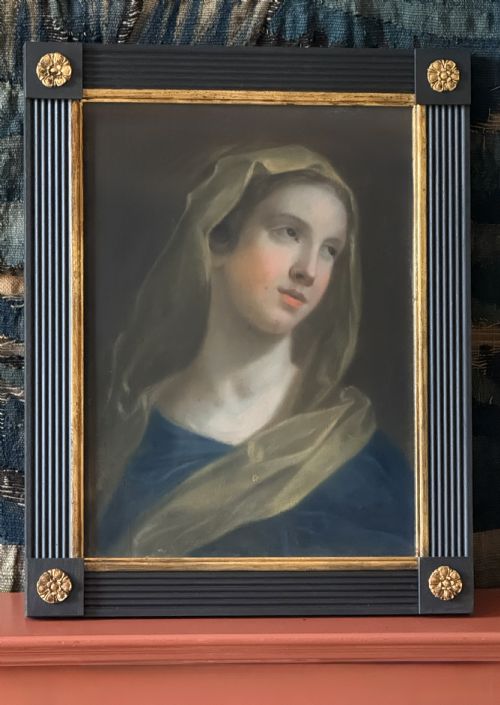
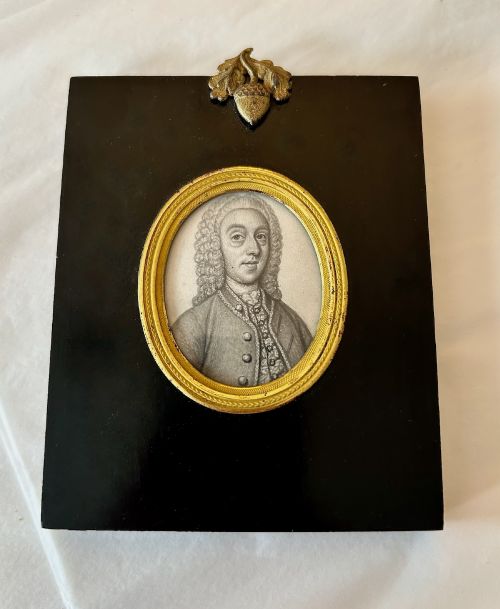
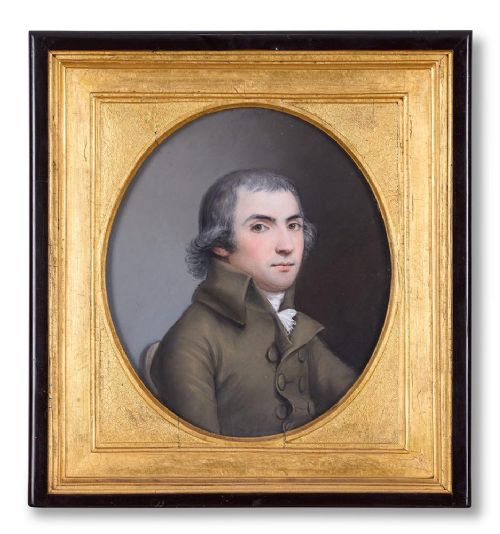
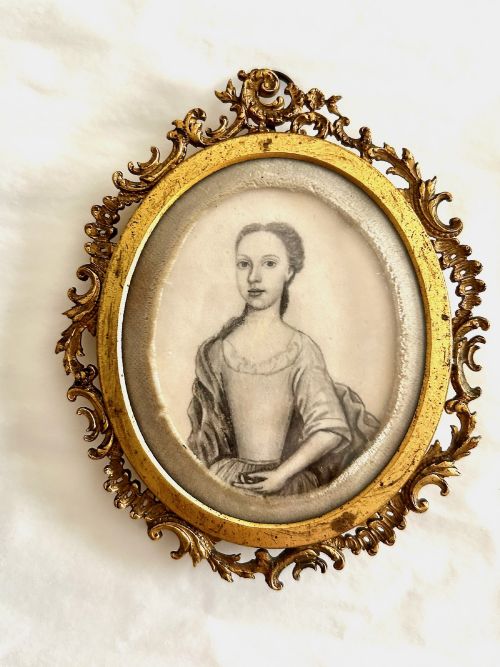
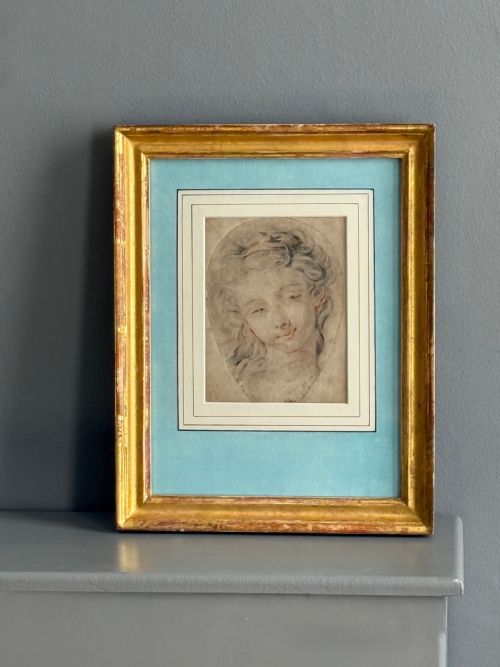
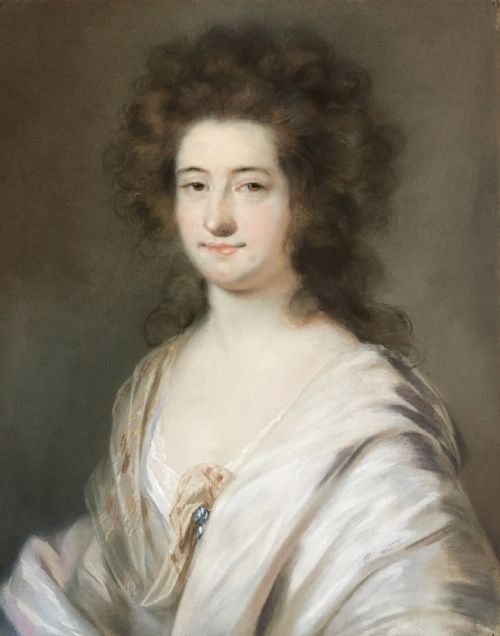
An 18th century portrait drawing captures likenesses through works on paper executed during the Georgian and Regency periods. You will frequently encounter pastel portraits, plumbago miniatures, and ink studies depicting sitters ranging from family groups to historical figures.
The selection includes framed artwork spanning Italian Baroque, Rococo, and French Neoclassical styles. Pieces originate from Northern European, Dutch, German, and British schools, showing sitters in oval formats and carved frames.
Subjects include named individuals, members of titled families, and unidentified sitters drawn by followers of prominent artists or continental masters. These works range from intimate miniature formats to larger pastel compositions mounted under glass.
Materials and Technique
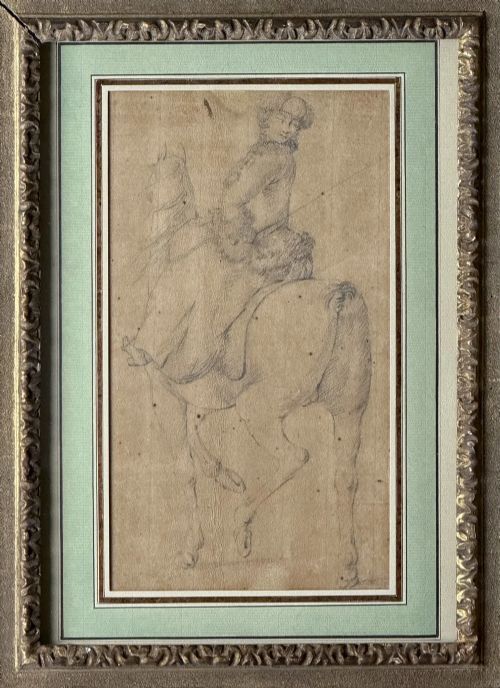
Artists relied primarily on paper supports, applying media such as pastel, graphite, charcoal, chalk, pen and ink, and plumbago. Plumbago drawings utilise refined graphite techniques to achieve miniature detail with precise linework.
Pastel works build soft colour and texture across the paper surface, frequently preserved beneath protective glass within period giltwood or ebony frames. Scroll-mounted rectangular frames and carved Florentine surrounds provide structural housing for the drawings.
18th Century Portrait Drawing Retail Price Guide 2026
Typical asking prices for 18th century portrait drawing among the pieces listed under this phrase on Sellingantiques today, from the lower quarter to the upper quarter. They describe what is for sale here now, not the wider market.
The selection spans the Georgian and Regency periods, alongside 19th-century interpretations of earlier styles.
Factors of Quality
The distinction between ordinary and exceptional examples rests upon the surety of the draughtsmanship and the preservation of the medium. Pastel and charcoal demand precise control, so pieces retaining crisp pigment adherence and expressive facial modelling stand apart.
Framing adds considerable context, where original giltwood, scroll-mounted, or ebony frames matching the period of the drawing elevate the piece. Attribution to documented hands or recognised circles provides further distinction among works.
Benedetto Luti·John Russell·Francois Boucher·Marie Leczinska·François-André Vincent·John Taylor·James Ferguson·John Raphael Smith·John Hoppner·Ozias Humphry·Johan Noah Bemmel·Nathaniel Bermingham·Arthur Pond·Richard Cosway·Henry Edridge·Sir Nathaniel Dance-Holland
The 18th Century Portrait Drawing Glossary
- Plumbago
- A drawing executed in graphite, taking its name from the Latin for lead ore. These detailed works often appear in miniature portrait formats.
- Pastel
- A dry painting medium consisting of powdered pigment and a binder, worked onto paper to create soft portraits. It requires glass protection to prevent smudging.
- Giltwood
- Wood carved and coated with gold leaf, utilised for period frames. It provides a reflective border around works on paper.
- Rococo
- An 18th century decorative style characterised by ornate scrollwork and asymmetry. This aesthetic influences the framing and artistic movement of many portraits.
- Miniature
- A small-scale portrait requiring precise execution. These works often group together in sets within ebony or wooden frames.
18th Century Portrait Drawing: Frequently Asked Questions
How should I hang an 18th century portrait drawing?
Keep works on paper away from direct sunlight to prevent the fading of pastels, graphite, and inks. Position them on interior walls with stable humidity.
Ensure the protective glass is secure and the hanging wire or period frame mounts are inspected by a professional framer.
Are original frames common?
Many pieces retain period surrounds such as giltwood scroll frames, carved Florentine wooden mouldings, or ebony miniature cases. These housings complement the era of the artwork.
Check whether the backing and glass appear contemporary to the drawing to understand its preservation history.
How do pastel portraits differ from ink drawings?
Pastels employ dry coloured pigments to build soft planes and facial tones, creating a painterly finish on paper. Ink and plumbago drawings rely on linear precision and monochromatic contrast.
Both require glazing to protect the delicate surfaces from atmospheric contact.