
Georgian Fine Artwork
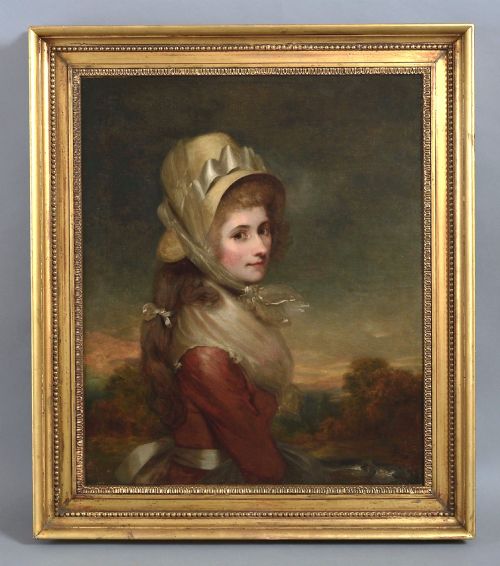
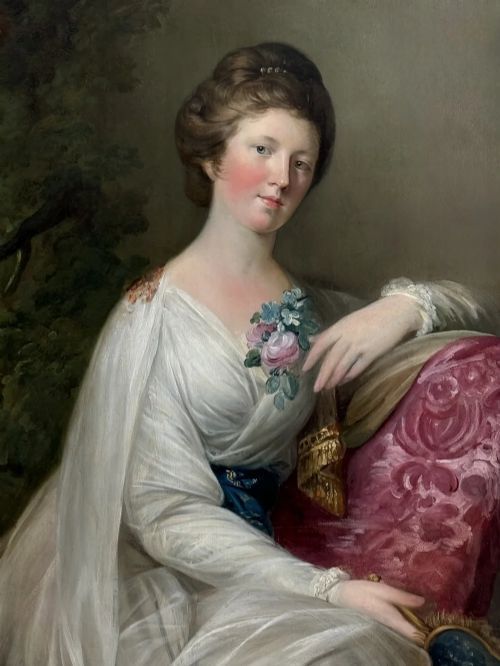
Georgian fine artwork centres on painted portraits and landscapes spanning the eighteenth century and the Regency period.
Georgian Fine Artwork
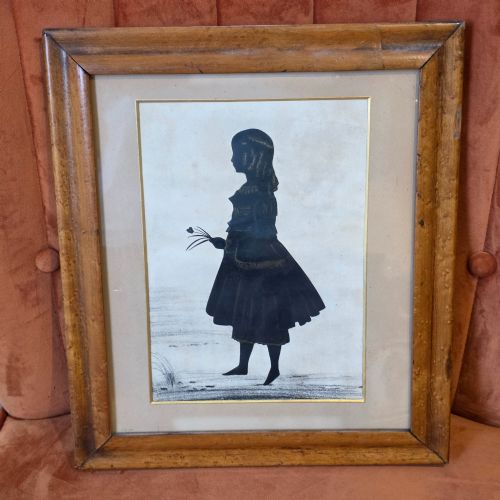
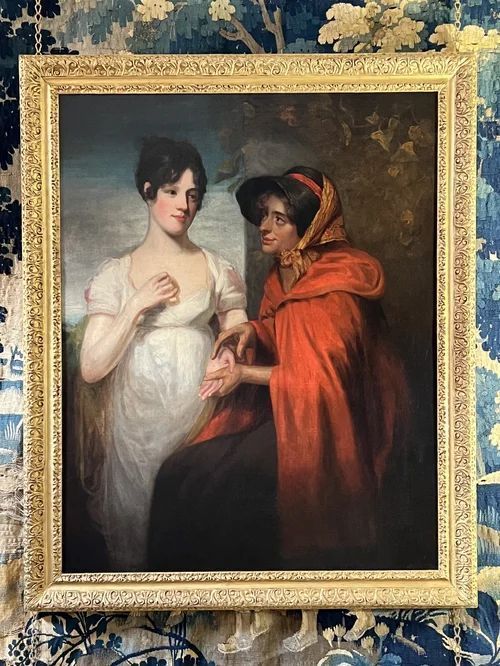
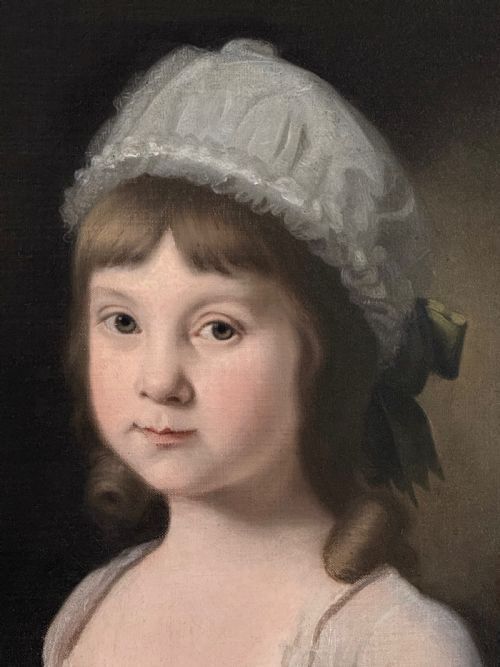
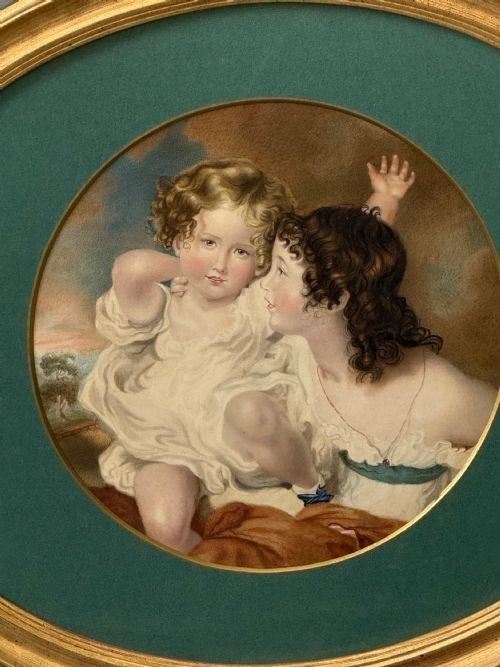
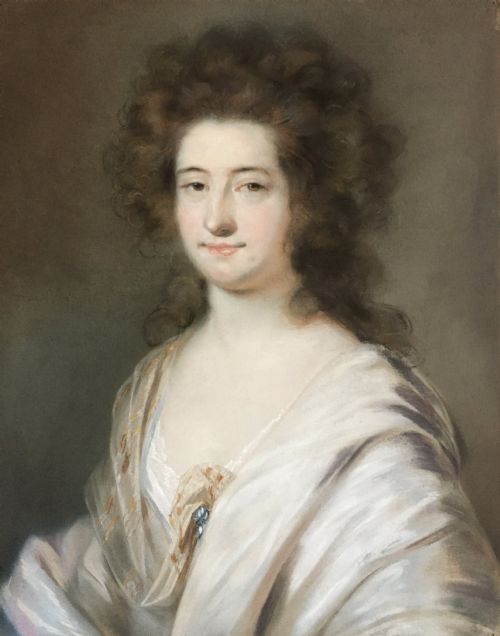
When seeking georgian fine artwork, buyers encounter oil on canvas portraits, pastel works, and watercolour silhouettes. These pieces originate primarily from the eighteenth century, the Regency era, and the nineteenth century.
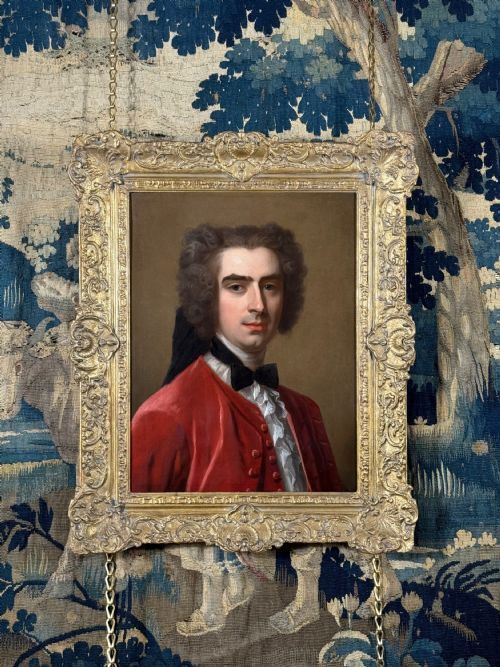
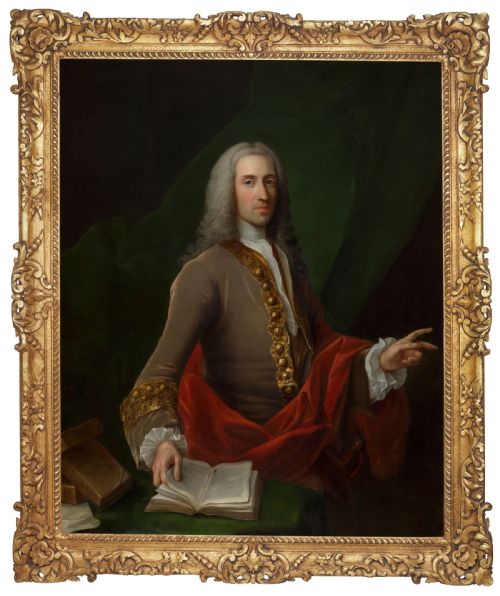
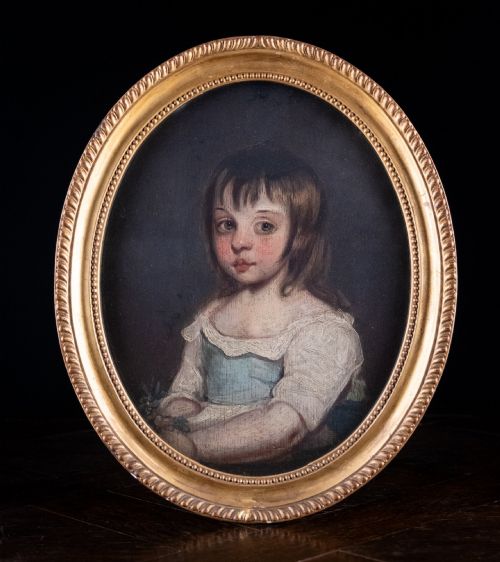
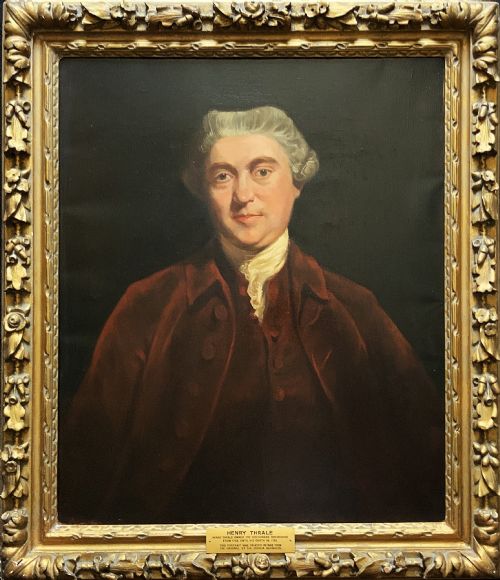
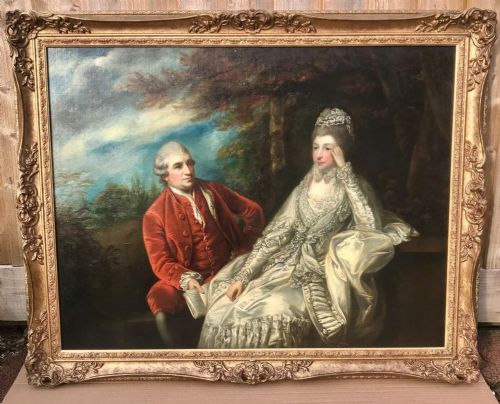
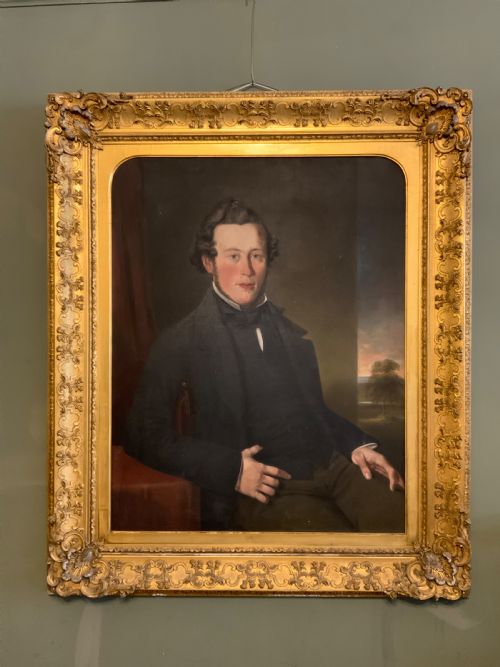
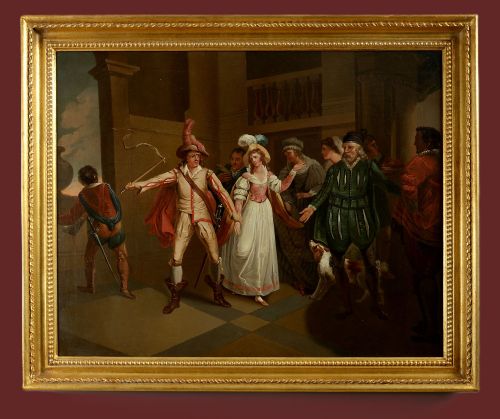
Portraits of gentlemen, ladies, and children dominate the selection, alongside landscape paintings and genre scenes. Many works reflect the styles of prominent portraitists from British and European schools.
How they were made
Artists painted primarily with oil paint on canvas or wooden panel, applying pigment to build depth and texture. Some works utilise paper, glass, and watercolour alongside traditional cut-paper silhouettes.
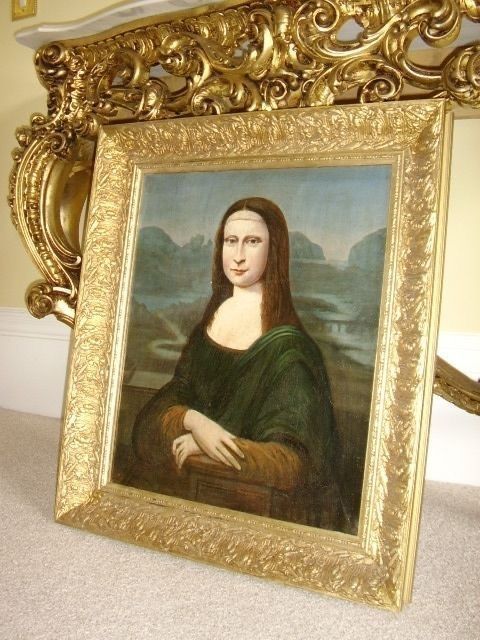
Original frames often consist of carved giltwood or gilt wood, complementing the detailed brushwork of the period. Pigments were mixed by hand, yielding rich tones in clothing and backgrounds.
Several portraits capture subjects reading books or holding domestic pets, offering a candid glimpse into historical daily life.
What varies in quality
The preservation of the original canvas, panel, and surface varnish dictates the visual integrity of the painting. Framing original to the period adds historical weight to the artwork.
Edward Fisher·Sir Joshua Reynolds·Jean Baptiste Van Loo·Joseph Clover·George Willison·John Opie·Jeremiah Davison·Sir Thomas Lawrence·John Russell·J. M. Turner·Sir William Beechey·Jacob Philipp Hackert·Francis Hayman·George Watson·Adriana Verelst·Allan Ramsay·Thomas Hudson·James Maubert
The Georgian Fine Artwork Glossary
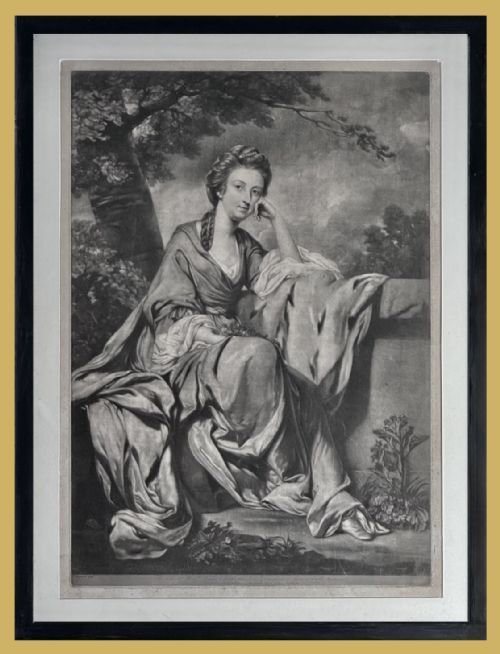
- Mezzotint
- A printmaking process of the scraperboard family, allowing smooth gradations of tone and dark fields.
- Oil on canvas
- Pigment suspended in drying oil applied to a stretched woven fabric support.
- Regency
- The period in British history from 1811 to 1820, marked by distinct classical architectural and artistic styles.
- Pastel
- A dry medium consisting of powdered pigment and a binder, used to create fine portraits on paper.
- Giltwood
- Wood carved and covered with a thin layer of gold leaf.
Georgian Fine Artwork: Frequently Asked Questions
How do I identify a Georgian portrait?
Georgian portraits typically display the clothing, hairstyles, and formal poses characteristic of the eighteenth century and the Regency era. Many carry attribution to known artists or schools of the period.
Examination of the canvas, stretcher frames, and surface craquelure helps determine the age of the piece.
Were these paintings always framed?
Fine artwork from this era was customarily housed in carved wooden frames finished in gilt. These frames often reflect the prevailing decorative styles of the eighteenth and nineteenth centuries.
Original frames enhance the historical context of the artwork.
What is the difference between an original and a studio piece?
An original painting comes directly from the hand of the named master. Studio pieces and works after established painters were produced by assistants or followers under the master's supervision.
Both categories reflect the artistic standards of the period.
How should I care for oil paintings on canvas?
Keep paintings away from direct sunlight and steady fluctuations in temperature and humidity to protect the canvas and paint layers. Dust the surface gently with a soft, dry brush.
Avoid using liquid cleaners or attempting restoration without professional guidance.