





Oval Framed Drawings
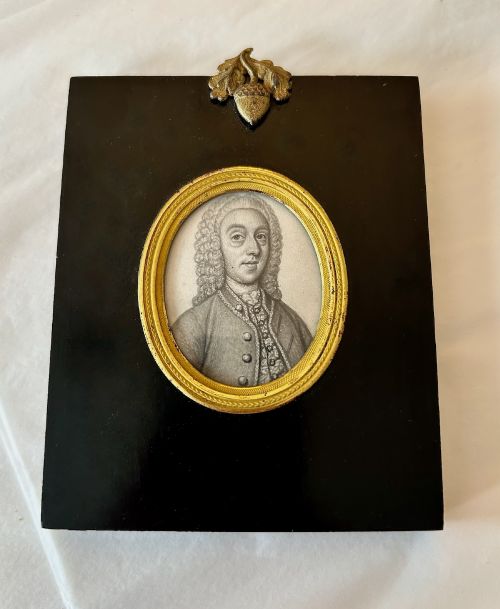
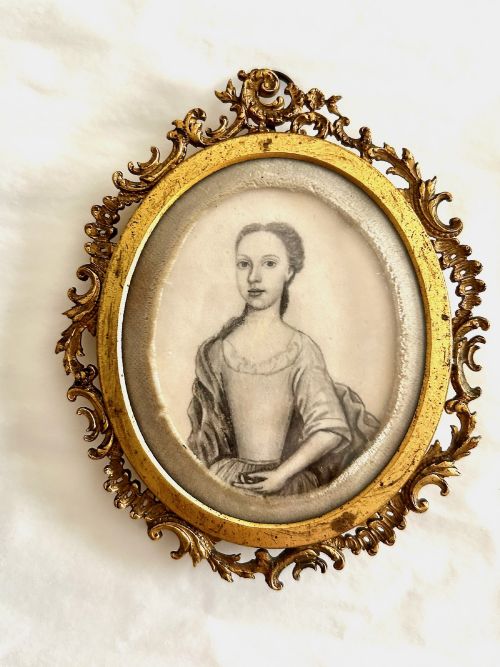
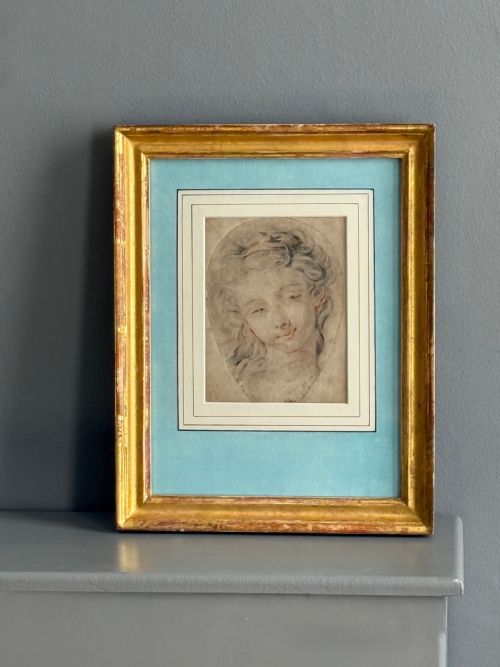
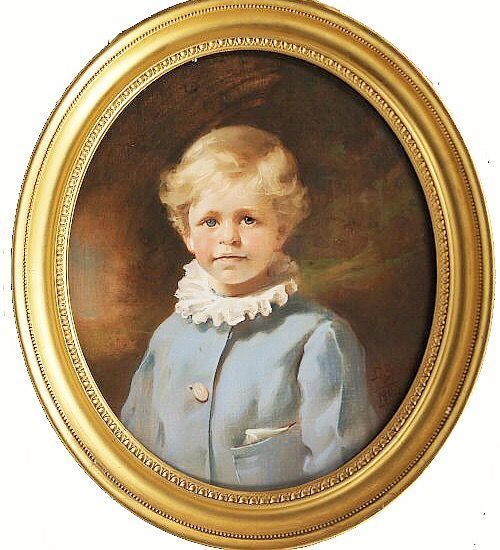
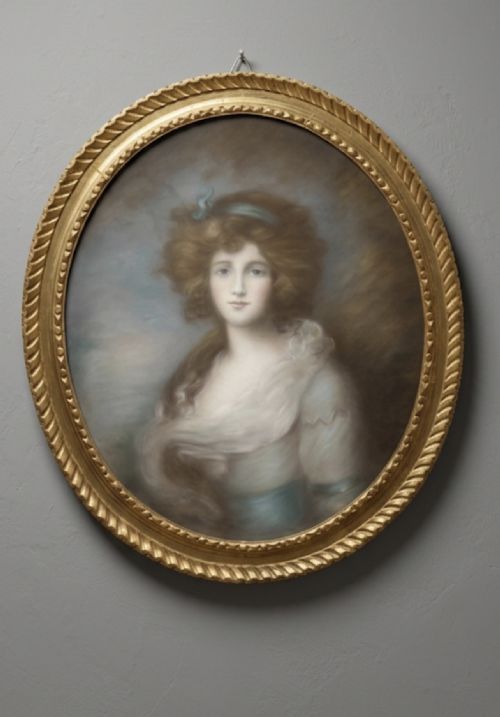
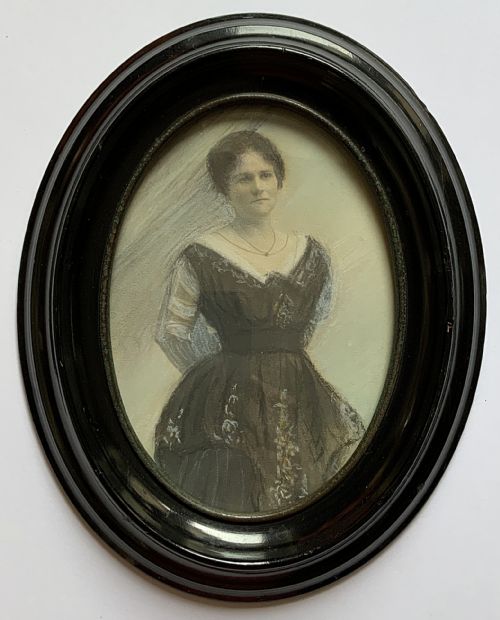
These oval framed drawings capture likenesses in pastel, watercolour, pencil and plumbago, offering an intimate glimpse into past centuries through portraiture.
Oval Framed Drawings
Oval framed drawings encompass portraiture executed on paper or canvas, predominantly taking the form of pastel, watercolour, graphite, and plumbago works housed behind glass. These pieces span the eighteenth and nineteenth centuries into the early twentieth century, reflecting shifting tastes in portraiture from Georgian formality through Victorian sentimentality.
The version most likely to be met on this page is the nineteenth-century pastel portrait, often depicting a single sitter and enclosed within a timber or giltwood frame. Alongside these, buyers encounter eighteenth-century plumbago miniatures, pencil sketches, and watercolour wash studies created by both named artists and the English or French school.
Materials and technique
Artists utilised dry pigments in pastel and plumbago alongside wet mediums like watercolour and charcoal, applying them to paper or canvas supports. Plumbago works relied on refined graphite powder applied with fine strokes to achieve the precision of an engraving, while pastels required careful layering to capture the soft texture of skin and fabric.
Protection of these delicate works relied on paper or card mounts beneath glass, held within timber frames fashioned from materials such as giltwood and standard wood. The curved aperture of the oval mount directed the eye squarely toward the subject, framing the portrait within a disciplined geometry that complemented the intimate scale of the drawing.
Oval Framed Drawings Retail Price Guide 2026
Typical asking prices for oval framed drawings among the pieces listed under this phrase on Sellingantiques today, from the lower quarter to the upper quarter. They describe what is for sale here now, not the wider market.
Portraits dominate the selections, spanning Georgian, Victorian, and Regency aesthetic traditions.
Evaluating the range
Quality rests primarily upon the draughtsman's command of line and expression, separating proficient likenesses from stiff or mechanical renderings. A superior pastel or plumbago drawing captures vitality in the sitter's eyes and nuance in the fabric folds, whereas lesser examples display flat shading and rigid posture.
The secondary consideration involves the preservation of the medium beneath the glass and the integrity of the frame. Works that retain their original pigments without excessive fading or paper deterioration sit at the higher end of the spectrum, particularly when paired with period giltwood framing that complements the era of the drawing.
John Taylor·James Ferguson·Ozias Humphry·Nathaniel Bermingham·Charles Prosper Sainton·Reginald G Eves·Robin Watt
The Oval Framed Drawings Glossary
- Plumbago
- A delicate drawing executed in graphite, taking its name from the Latin word for lead ore. These monochromatic works are celebrated for their miniature precision and detailed linework.
- Pastel
- A dry painting medium composed of powdered pigment and a binder, yielding a velvety surface texture. Because the pigment sits loosely on the paper, these works require continuous protection beneath glass.
- Giltwood
- Timber that has been coated with a thin layer of gold leaf or gilt gesso. It provides a luminous border that enhances the tones of the drawing within.
- Silhouette
- A solid dark profile image of a person's face, often cut from paper or painted onto card. Some examples incorporate gilded highlights to accentuate clothing or hair.
- Miniature painting
- A small-scale portrait requiring immense skill and magnification to execute. These intimate pieces were often created as keepsakes to be carried or displayed closely.
Oval Framed Drawings: Frequently Asked Questions
How should I hang these framed drawings?
Keep them away from direct sunlight to prevent the watercolour and pastel pigments from fading over time.
Position them at eye level where their intimate scale can be appreciated without competing with larger furniture.
What is plumbago?
Plumbago is an early form of graphite drawing executed with exceptional fineness, resembling a monochrome engraving.
Artists used this refined technique during the eighteenth century to capture highly detailed portrait miniatures.
Are these frames original to the art?
Many retain their period frames, such as eighteenth-century giltwood or nineteenth-century wood mouldings suited to the artwork.
Replacements do occur over centuries, so examining the fit between the drawing, mount and frame helps determine age.