


18th Century Platter
When you handle an 18th century platter, you hold the table service of a remarkably confident domestic age.
18th Century Platter
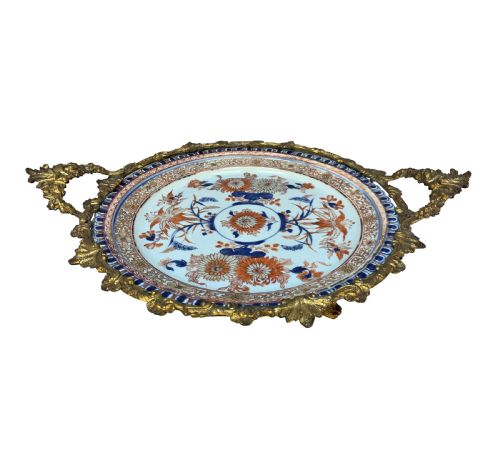
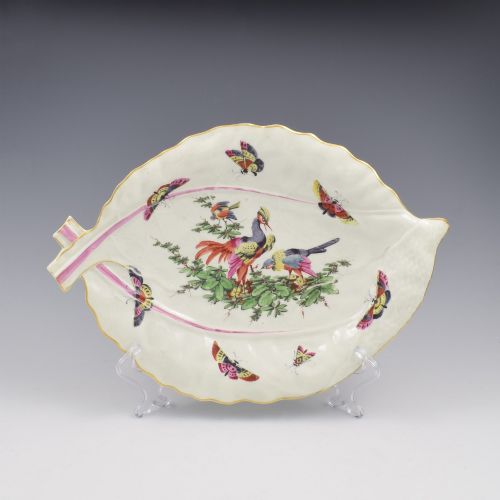
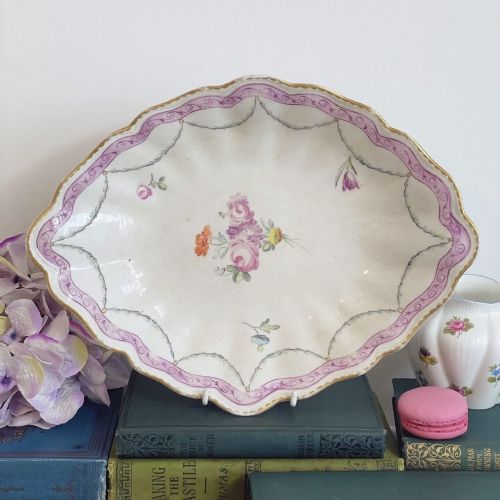
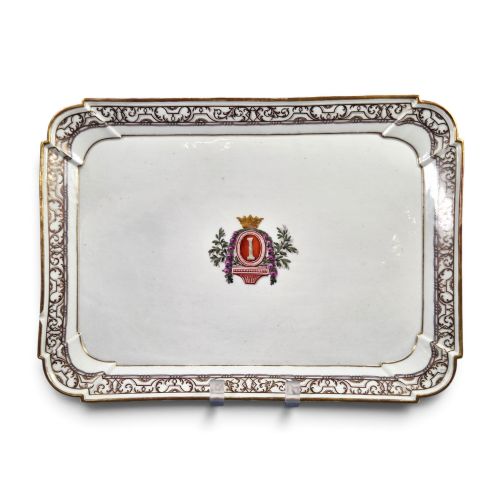
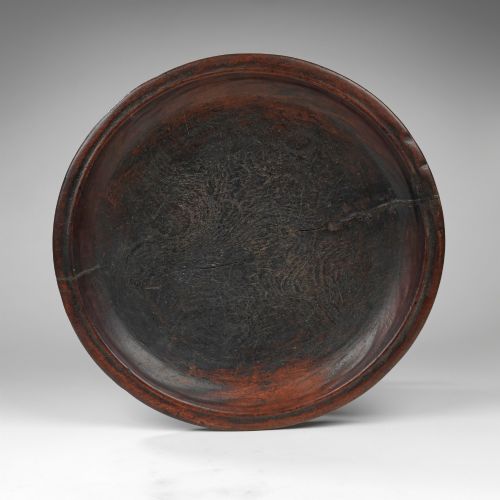
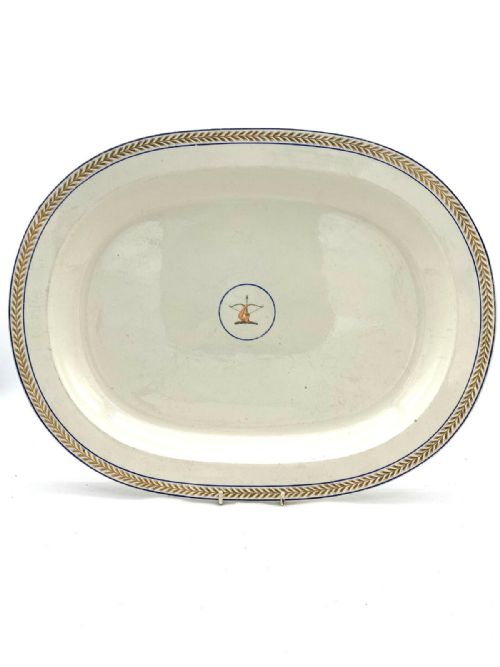
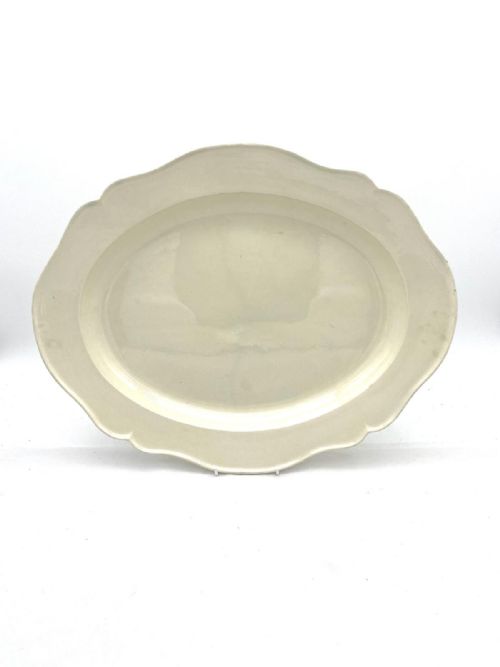
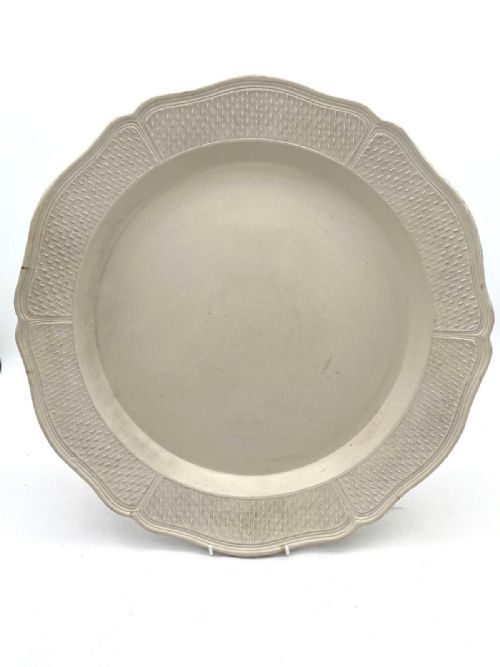
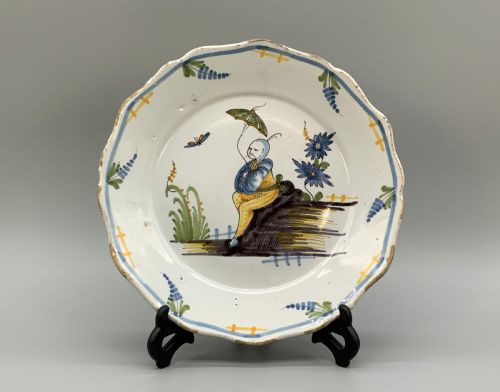
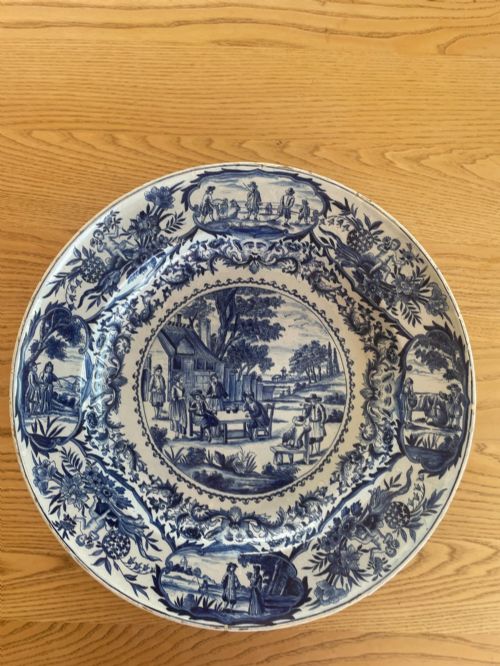
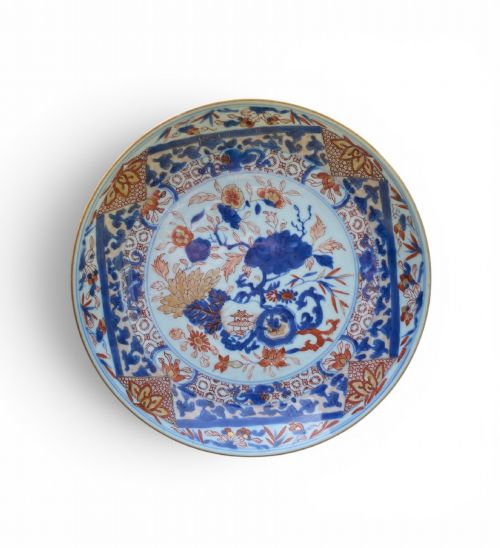
An 18th century platter encompasses large serving dishes, chargers, and trays produced across the Georgian era and earlier decades. You will frequently encounter tin-glazed earthenware and delft chargers from English, Dutch, and French potteries alongside porcelain from Chinese export workshops and European factories.
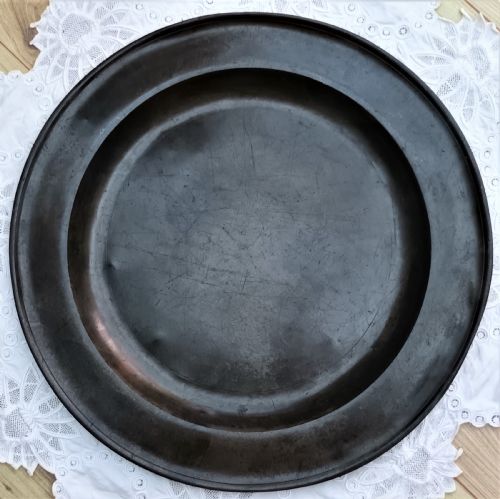
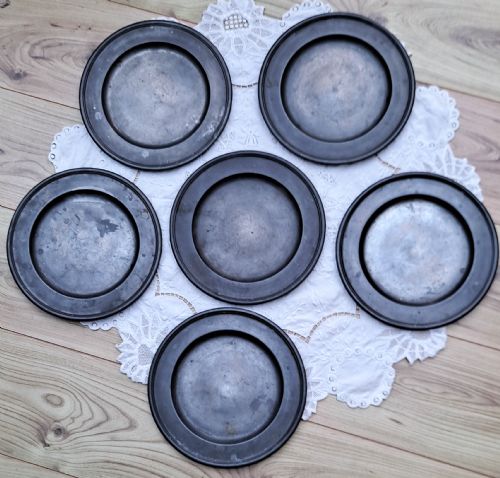
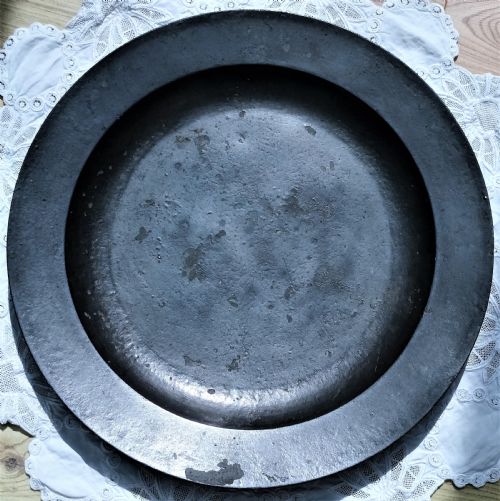
The forms range from circular delft dishes and octagonal Chinese porcelain serving platters to mahogany serving trays and heavy pewter plates. These pieces served communal dining, display, and sideboard use rather than individual place settings.
Makers shaped these utilitarian and decorative surfaces in wood, metal, and ceramic to meet the evolving dining fashions of the 1700s. The selection reflects domestic life, trade routes, and regional ceramic centres across Britain, Europe, and Asia.
Materials and methods
Potters built ceramic chargers from earthenware and porcelain bodies, applying tin glazes or polychrome enamels before high-temperature firing. Metalworkers cast pewter and silver-plated copper into heavy plates and dishes, while cabinetmakers turned and joined solid mahogany for trays.
Hand-painting defined the decoration on delftware and porcelain, utilising manganese, cobalt blue, and yellow pigments to render botanical and figurative scenes. Wood surfaces received turned rims and raised galleries, whereas pewter plates bore touchmarks pressed directly into the metal.
Listings feature eighteenth-century platters in porcelain, pewter, mahogany, and tin-glazed earthenware across Georgian and Edo periods.
Judging quality and execution
Quality rests upon the crispness of the painted brushwork, the stability of the glaze, and the weight of the material in the hand. Fine ceramic platters display controlled pigment application and minimal kiln distortion, while superior mahogany trays show tight grain alignment and precise joinery.
The prominence of the maker's mark or touchmark on pewter and porcelain distinguishes standard domestic wares from workshop-attributed pieces. Early tin-glazed earthenware with deep manganese or polychrome colouration sits at the upper end of domestic production.
John Duncomb·William Wright·Samuel Smith·Richard King·Wood & Michell·Humphrey Evans II·Matthew Boulton·Robert Breading
The 18th Century Platter Glossary
- Charger
- A large decorative plate or platter used for serving food or display on a sideboard. These circular dishes often measured significantly wider than standard dining plates.
- Chinoiserie
- European decorative style reflecting Chinese artistic motifs and landscapes. Artisans applied these whimsical patterns to porcelain, pottery, and lacquerware.
- Touchmark
- An identifying stamp or hallmark struck into pewter by a member of a guild or trade incorporation. These marks record the maker and working location.
- Tazza
- A small pedestal dish or shallow bowl raised on a foot. Georgian examples often utilised glass or silver for ceremonial or dessert service.
18th Century Platter: Frequently Asked Questions
How were these platters used?
Platters and chargers served communal food at dining tables or displayed wealth on sideboards and dresser shelves. Large pewter and ceramic dishes held joints of meat or piled fruit.
Wooden trays and glass tazzas managed the circulation of wine glasses, condiments, and sweetmeats during formal Georgian dining rituals.
Can I use an antique platter for food?
Using an eighteenth-century ceramic or pewter dish for daily dining requires caution due to historic glaze compositions and soft metal surfaces. Acidic foods can react with early tin glazes and aged pewter.
Most collectors reserve these pieces for display or gentle dry service to preserve the hand-painted surfaces and historic patination.
How do I distinguish English delft from Dutch delft?
English and Dutch delftware share tin-glazed earthenware bodies, but slight differences in clay paste and glaze tinting help separate them. Dutch pieces often exhibit brighter blue pigments and intricate borders.
Examination of the foot rim and glaze pooling on the reverse provides further clues regarding the kiln origin and regional workshop practices.
What is Old Sheffield Plate?
Old Sheffield Plate is a composite material created by fusing a thin sheet of silver to a thicker copper core. This technique predated modern electroplating.
Items produced with this method show subtle copper bleed along edges where the underlying metal reveals itself through wear.