


18th Century Pine Cabinet
An 18th century pine cabinet brings honest regional character and warm painted patination to a room.
18th Century Pine Cabinet
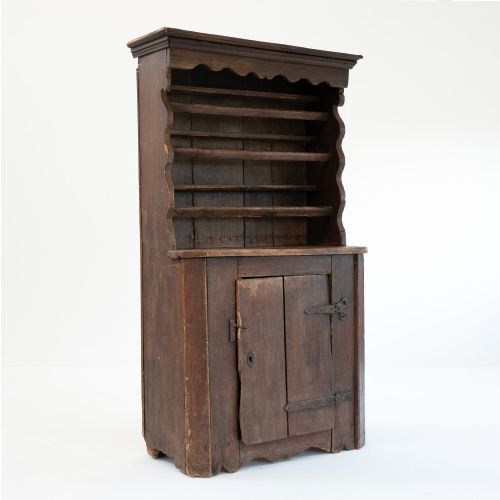
An 18th century pine cabinet encompasses a diverse range of storage forms, from corner cupboards and housekeepers cupboards to dressers and armoires. Buyers searching for an 18th century pine cabinet often encounter provincial European examples, particularly from Scandinavian, French, German, and British workshops.
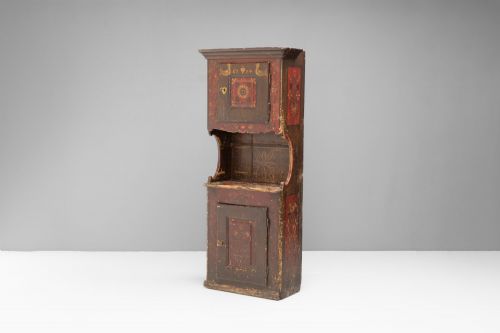
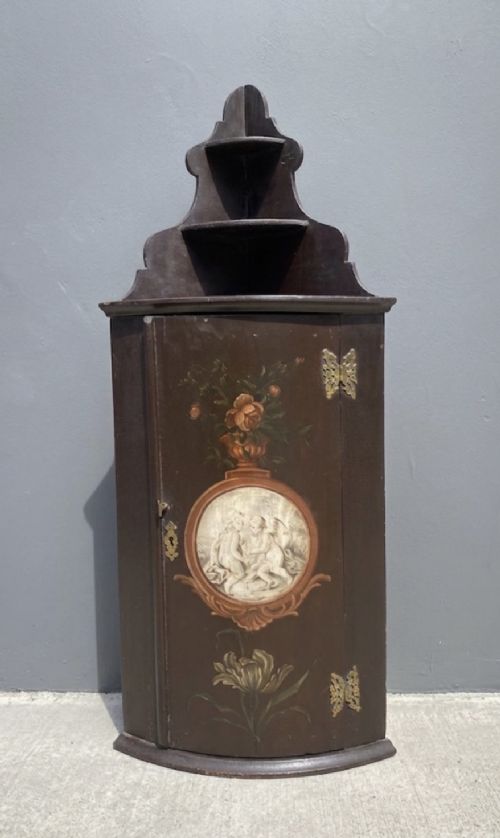
The selection ranges from tall two-part standing cupboards and barrel-backed corner units to hanging food cupboards and bureaus. Most examples display regional construction traits, reflecting the specific domestic storage needs of the period across different countries.
Materials and construction
These pieces are constructed primarily from solid pine, frequently accented with iron or brass hinges, latches, and occasional glass panels in upper doors. Workshops utilised local timber, building carcases with pegged joinery and panelled doors designed to withstand seasonal humidity shifts.
Many surfaces retain original or early painted finishes, ranging from muted greens and blues to traditional folk art decoration. Wrought iron hardware secures doors and lids, while interior shelves and compartments organise provisions, linen, or books.
Factors of quality
Quality in these cabinets rests upon the intact survival of original surface paint and the integrity of the structural timber. Pieces that retain their primary backboards, original hardware, and untouched painted decoration command greater interest among collectors.
Proportion and regional vernacular detail also define the standard, as pieces with well-balanced cornices, dome tops, or architectural raised panels display superior craftsmanship compared to simpler utility items.
The 18th Century Pine Cabinet Glossary
- Astral glazed
- A glass door divided into multiple small panes by wooden framework bars. This technique allows light into the upper display section of a cabinet.
- Barrel back
- A curved interior back to a corner cupboard, shaped like the stave of a barrel. This design creates a smooth semicircular display space for shelving.
- Housekeepers cupboard
- A large storage piece traditionally used in country houses for linen and dry stores. These usually feature multiple doors and internal drawers.
- Food cupboard
- A utilitarian piece featuring pierced tin or slatted wooden panels for ventilation. These allowed air circulation around perishable goods before refrigeration.
- Armoire
- A large freestanding wardrobe or cupboard with doors enclosing hanging space or shelves. Continental examples often break down into sections for transport.
18th Century Pine Cabinet: Frequently Asked Questions
How do I clean a painted pine cabinet?
Dust gently with a dry, soft cloth to protect fragile historical paint layers.
Avoid modern chemical cleaning agents or excessive moisture that can lift original pigments from the wood.
Were these cabinets originally painted?
Many provincial European and British country pieces received coats of paint to protect the soft pine and brighten dark interiors.
Paint colours often varied by region, reflecting local preferences and available pigments of the period.
Can I use an antique corner cupboard today?
Corner cupboards provide practical display space for tableware or books while utilising awkward room angles effectively.
Internal shelf depths vary, so check dimensions carefully to ensure your intended items fit inside.
How do I distinguish regional styles?
Construction methods, moulding profiles, and hardware styles offer clues to a piece's geographical origin.
Scandinavian and German pieces often display distinct folk art painting traditions, whereas English and Welsh examples rely more on exposed timber or traditional fielded panels.