


18th Century Painted Chairs
These 18th century painted chairs bring authentic period colour and classical proportion to a room, offering a functional piece of history.
18th Century Painted Chairs
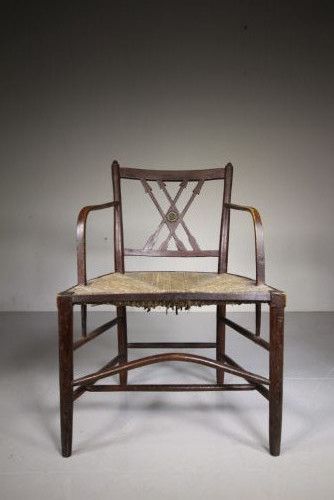
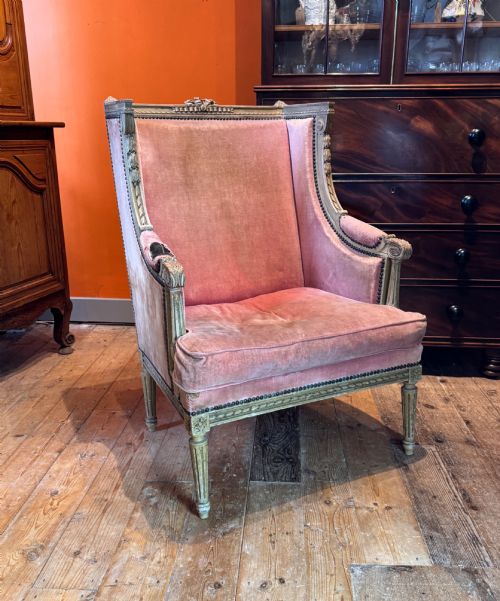
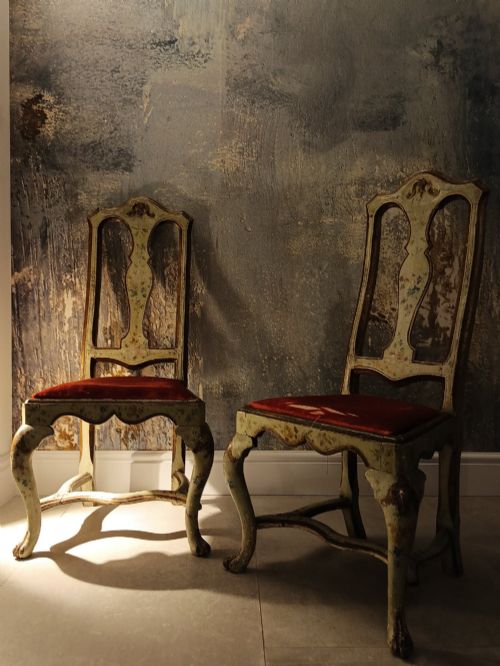
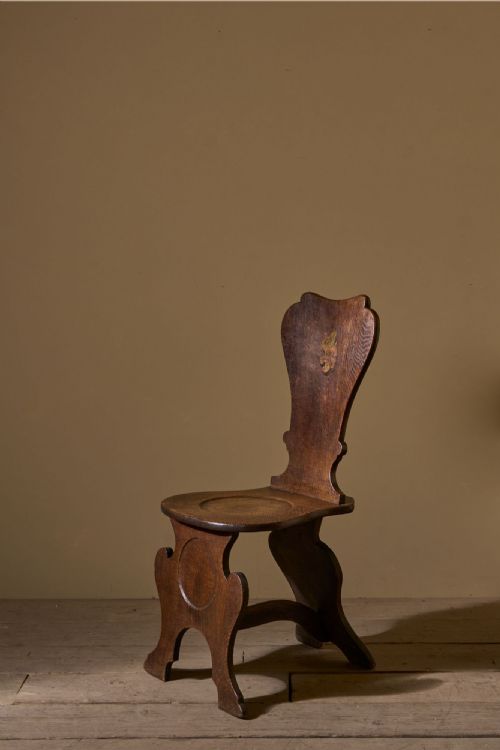
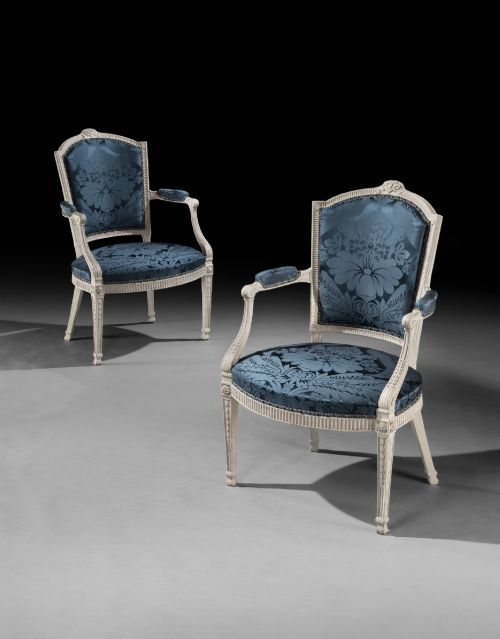
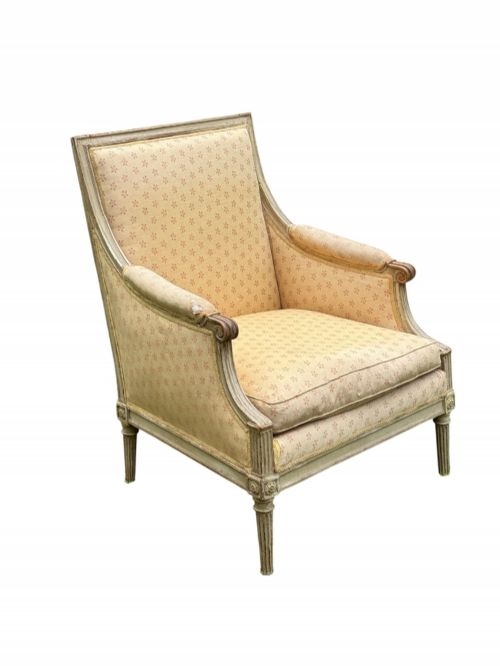
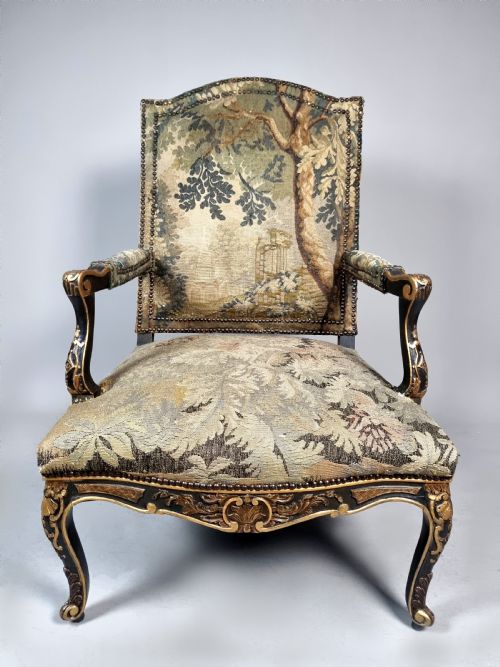
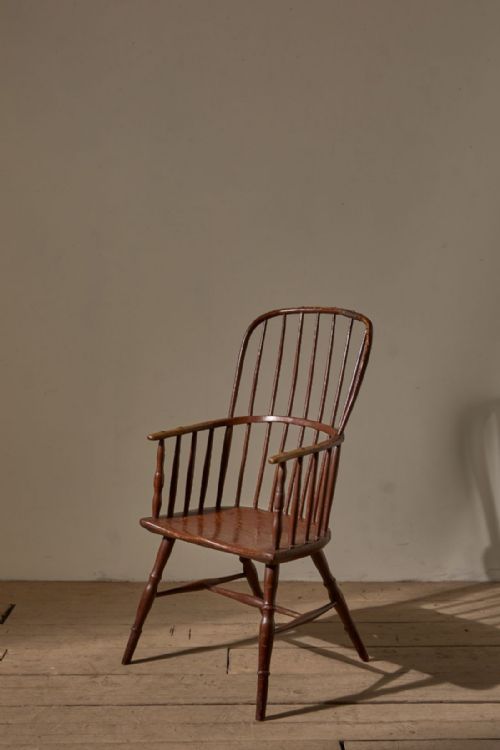
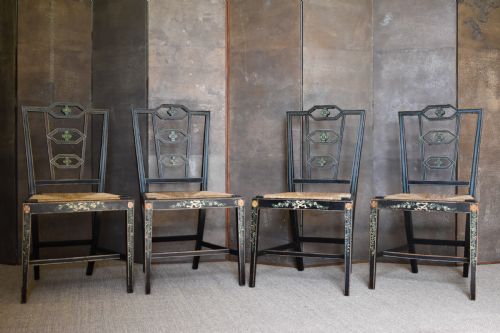
When searching for 18th century painted chairs, a buyer encounters seating produced across Georgian England, France, and Italy during the seventeen-hundreds. These pieces include armchairs, dining chairs, side chairs, and hall chairs designed for formal reception rooms and intimate parlours.
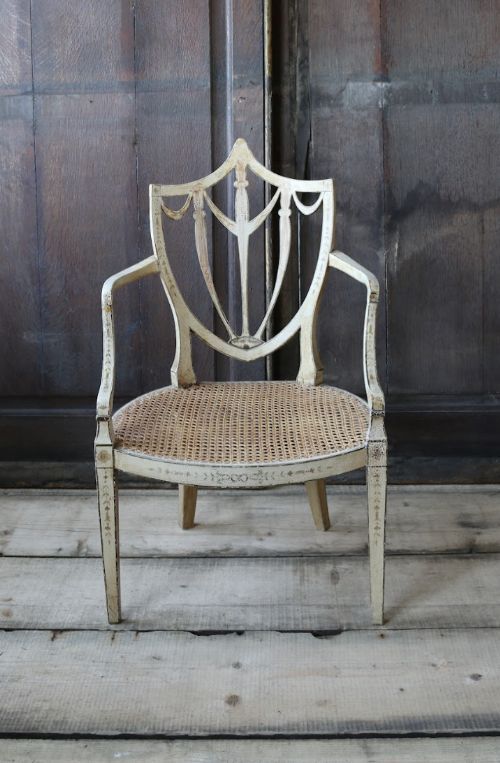
The version most frequently met on this page is the English George III armchair or the Italian side chair, often finished with original painted or parcel gilt decoration. Makers of the period utilised various timbers before applying decorative paint schemes to complement contemporary interiors.
How they were made
Joiners and cabinet makers constructed the frames using native and imported woods such as oak, mahogany, walnut, ash, and beech. Frames were frequently carved with neoclassical or rococo motifs before receiving layers of gesso and paint.
Upholstered variants incorporate traditional stuffing over webbing or rush seating, finished in antique fabrics, velvet, or needlework panels. Surface decoration often combined hand-mixed pigments with parcel gilt highlights to accentuate the carved details.
A tiny doll-sized child chair from seventeen ninety-six proves that eighteenth-century makers served very small clients with equal dedication.
What varies in quality
The distinction between standard examples and finer works rests in the crispness of the original carved woodwork and the survival of early or untouched paint surfaces. Greater sophistication appears in pieces retaining genuine polychrome decoration and structural integrity without heavy modern intervention.
Proportion and regional provenance also define the hierarchy, as works attributed to documented workshops or specific continental centres exhibit superior joinery. The refinement of the shield back, ladder back, or open arm configuration dictates the visual weight of the seating.
Henri Jacob·Gillows
The 18th Century Painted Chairs Glossary
- Gesso
- A plaster mixture applied to wood surfaces to prepare them for painting or gilding. This ground layer provides a smooth base for fine decorative finishes.
- Parcel gilt
- A technique where specific carved elements of a painted wooden frame are highlighted with gold leaf. It creates a subtle contrast against the primary painted colour.
- Fauteuil
- An open-arm armchair with upholstered back and seat, originating in France. The wooden arm supports are typically exposed and finished with paint or polish.
- Rush
- Dried marsh grass twisted into cords and woven to form traditional chair seats. This material offers a durable and textured seating surface for country chairs.
- Barocchetto
- The Italian variation of the Rococo style, characterised by flowing asymmetrical curves. Chairs in this taste feature elaborate carved scrolls and painted decoration.
18th Century Painted Chairs: Frequently Asked Questions
How do I identify original paint?
Original paint surfaces show natural ageing, craquelure, and wear consistent with centuries of use rather than uniform modern application. Examination under magnification reveals historic layers beneath the surface.
Matching the patina across high-wear zones confirms the age of the decorative scheme.
Can these chairs be used daily?
Most sturdy frames accommodate gentle everyday use when placed on level flooring. Professional conservation ensures joints remain secure.
Heavier usage suits dining rooms less than quiet reading corners where movement is minimal.
Where were these chairs placed originally?
Grand townhouses and country estates utilised these pieces in drawing rooms, parlours, and hallways. Painted finishes matched the interior decorative schemes of the period.
Sets of dining chairs furnished formal dining spaces while single armchairs stood by writing desks.
How do I care for antique painted surfaces?
Keep wooden frames away from direct sunlight and excessive humidity fluctuations. Dust gently with a dry, soft cloth without applying modern chemical polishes.
Professional handlers should manage any structural repairs to preserve the historic finish.