



Painted Georgian Dining Chairs
These painted georgian dining chairs bring striking colour and classical silhouette to a room, offering both decorative presence and sturdy daily use.
Painted Georgian Dining Chairs
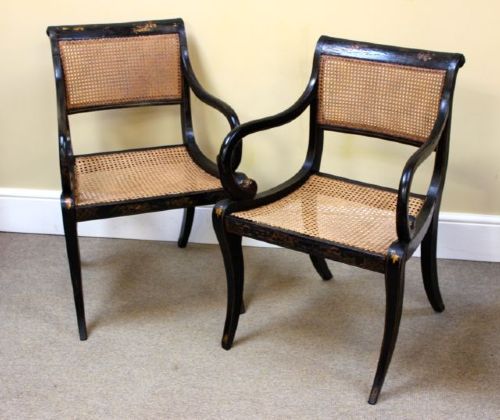
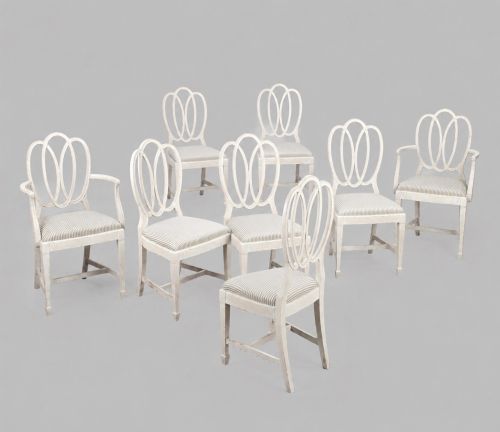
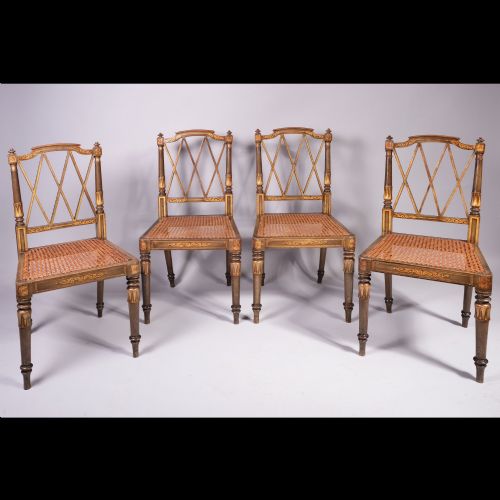
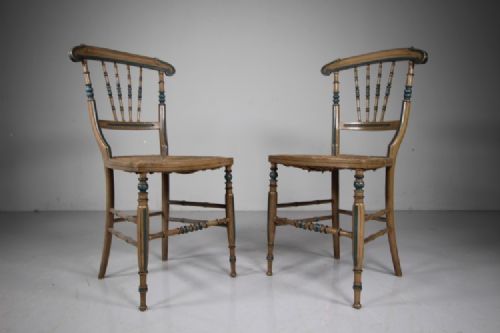
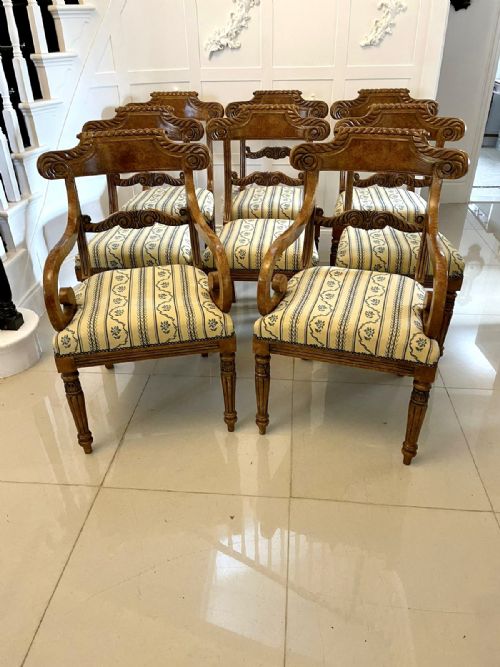
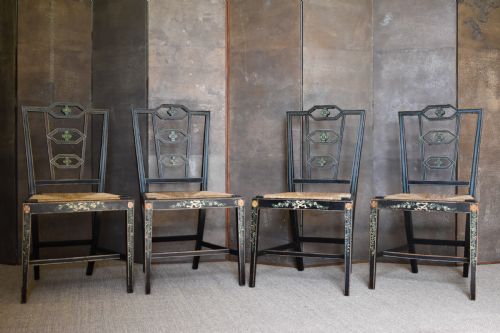
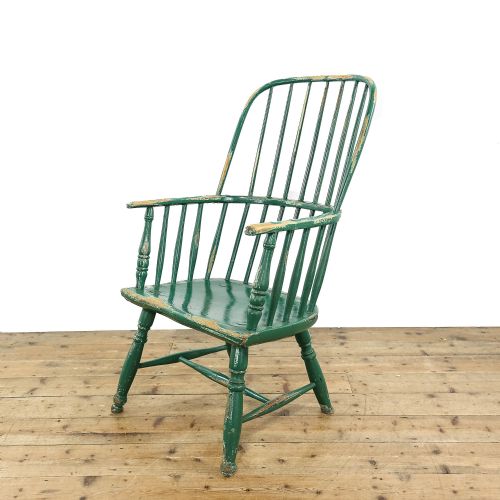
When you search for painted georgian dining chairs, you encounter seating that spans the late eighteenth and early nineteenth centuries, covering George III, Regency, and George IV eras alongside later interpretations. The forms include single side chairs, robust elbow armchairs, and larger sets designed for formal dining spaces.
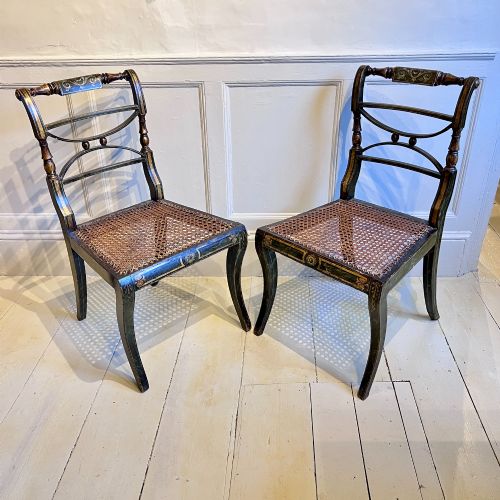
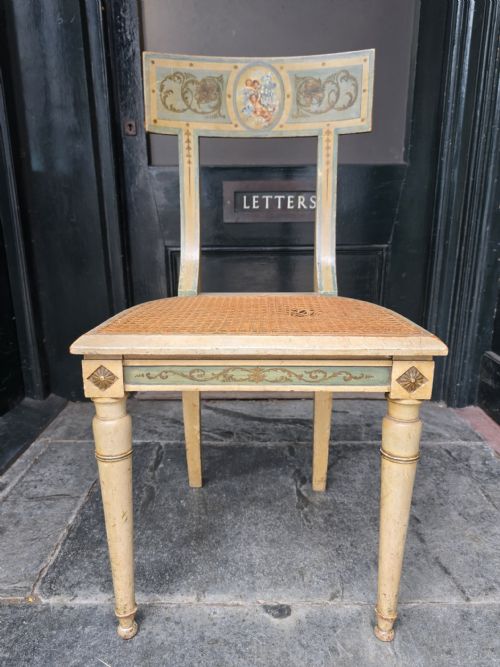
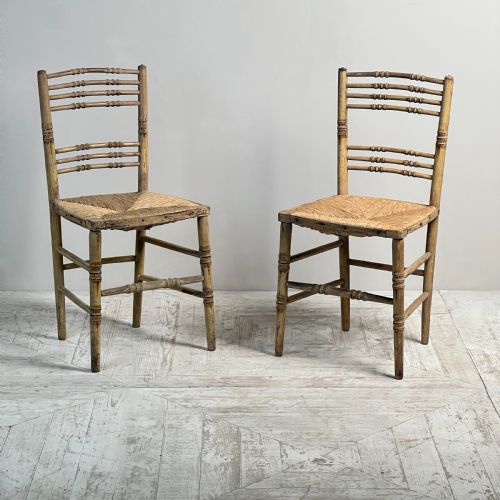
The materials and finishes vary considerably across these examples, featuring original paint, delicate floral decoration, chinoiserie motifs, and faux bamboo or bird's eye maple finishes. Seats are frequently fitted with cane, rush, or upholstered fabric, reflecting the diverse domestic settings these chairs originally occupied.
How they were made
These pieces are constructed primarily from timber, utilising woods such as mahogany alongside softer woods selected to hold decorative paint and gold leaf finishes. Joinery traditions of the period ensure solid framing for side chairs and elbow armchairs alike.
Surface decoration relies on skilled hand painting, japanning, and lacquering techniques to apply floral patterns, heraldic details, and simulated wood grains like faux bird's eye maple or bamboo. Seat panels incorporate traditional craft methods using woven cane, natural rush, or upholstered fabric.
The current selection includes pieces spanning the 18th Century, Georgian, Regency, Victorian, and 1920 periods, utilising wood, paint, cane, fabric, rush, and gold leaf.
What varies in quality
The refinement of the painted decoration marks the distinction between standard seating and superior examples, particularly where intricate chinoiserie, floral motifs, or gold leaf work remain crisp and detailed. The survival of original paint surfaces rather than later overpainting elevates the standing of a piece considerably.
Structural integrity and the retention of original components, such as cane seats, rush panels, or block feet, determine the overall merit of the chair. Cohesive sets of four, five, or eight matching chairs carry greater significance than individual side chairs or mismatched pairs.
The Painted Georgian Dining Chairs Glossary
- Chinoiserie
- European interpretation of Chinese and East Asian artistic traditions, frequently expressed through painted motifs on furniture. It gained immense popularity during the Georgian and Regency periods.
- Japanning
- A type of European lacquer finish that imitates East Asian lacquerwork, usually involving dark grounds and raised metallic decoration. It appears on sophisticated seating from the eighteenth and nineteenth centuries.
- Faux Bamboo
- Wood turned and carved to resemble natural bamboo stems, often painted to complete the illusion. This playful technique was especially popular during the Regency era.
- Rush
- Woven marsh grass utilised to create durable, textured seat pads. It provides a traditional seating surface found on country and provincial chairs.
- Caning
- Pliable split rattan woven into open patterns for chair seats and backs. It offers lightweight flexibility and distinct visual transparency.
Painted Georgian Dining Chairs: Frequently Asked Questions
Are painted chairs durable enough for daily dining?
These wooden frames are structurally robust and built for regular use around a dining table. Care should simply be taken to protect delicate painted surfaces and woven seats from excessive moisture and heavy wear.
Many examples have survived centuries of domestic service precisely because their underlying timber joinery was soundly engineered by period craftsmen.
How do I identify a Regency period chair?
Regency pieces often display classical revival motifs, sabre legs, or playful elements like faux bamboo turnings. The influence of French Empire and Greek design heavily dictates the silhouette during this era.
Painters of the time favoured lighter ground colours, crisp linear decorations, and occasionally elaborate chinoiserie scenes compared to earlier Georgian styles.
What is the difference between side chairs and elbow chairs?
Side chairs are built without armrests, designed to tuck neatly beneath a dining table when not in use. They usually form the main portion of a larger dining set.
Elbow chairs feature supportive arms and were traditionally reserved for the head of the table or used as occasional seating in reception rooms and bedrooms.
Can I mix different painted chairs around a table?
Mixing individual chairs or pairs creates an eclectic, collected interior that highlights different decorative styles and paint finishes from the eighteenth and nineteenth centuries. Matching sets remain harder to find, but curated pairs of side chairs or armchairs introduce distinct character to a dining space.