
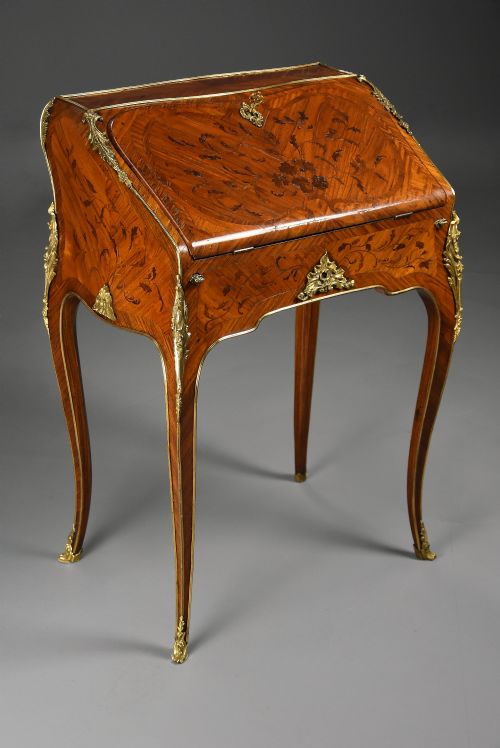


18th Century Ormolu
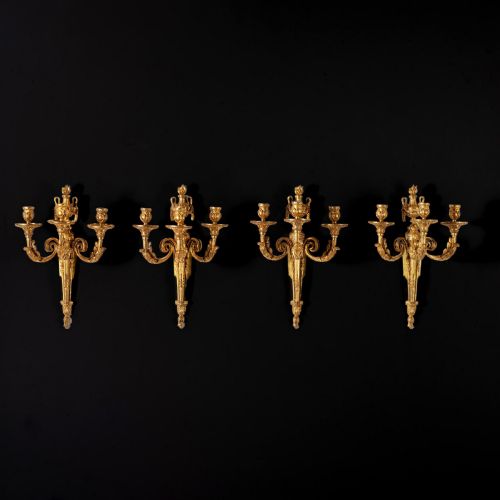
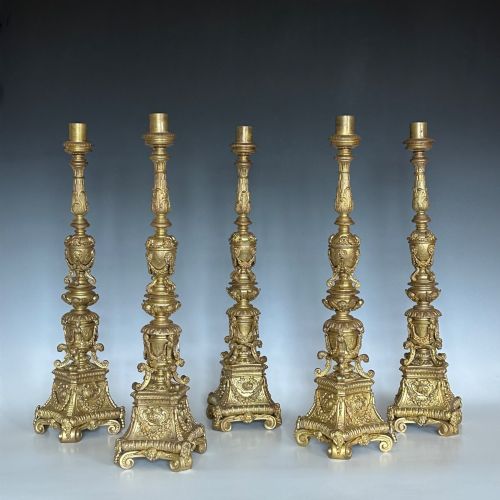
These pieces of 18th century ormolu bring together gilded bronze mounts, fine woods and porcelain in decorative objects designed to elevate period interiors.
18th Century Ormolu
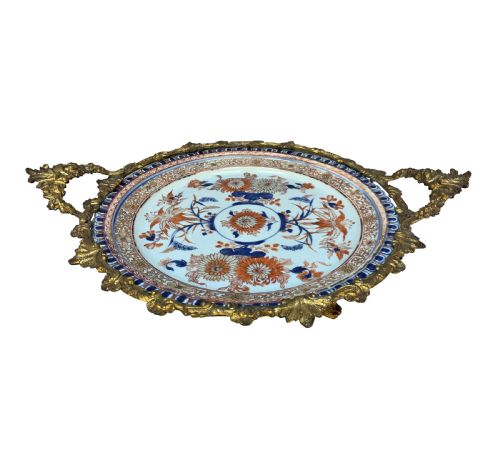
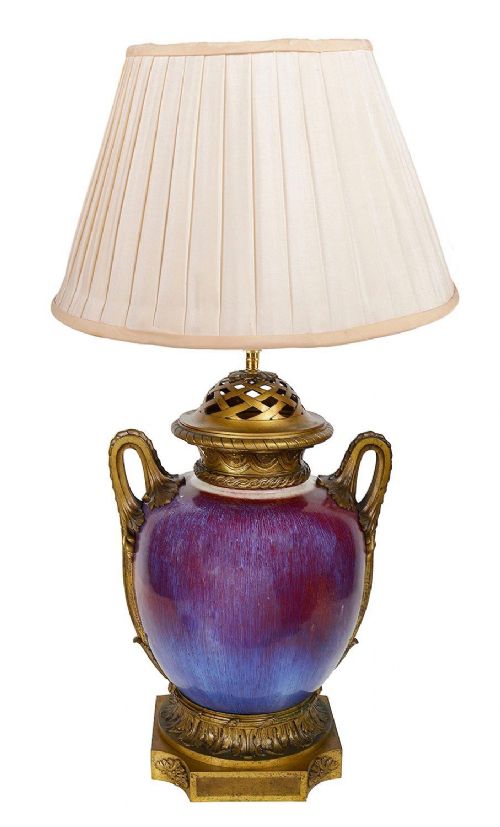
Beyond purely European forms, the material appears mounted upon Asian ceramics, such as Chinese Imari porcelain plates and Sang de Boeuf lidded vases transformed into lamps. These composite items demonstrate how European workshops integrated imported porcelain into elaborate gilt bronze mounts.
The majority of surviving examples date from the period itself, though later 19th-century interpretations in the same styles also appear. These objects serve as functional furniture or decorative centerpieces defined by their metallic enrichment.
Materials and construction
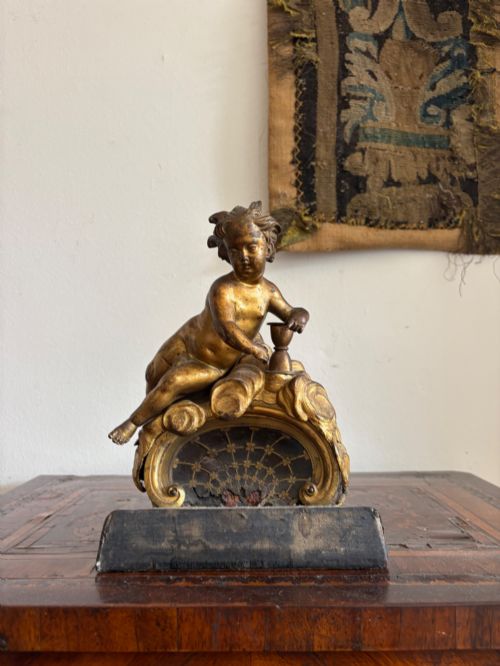
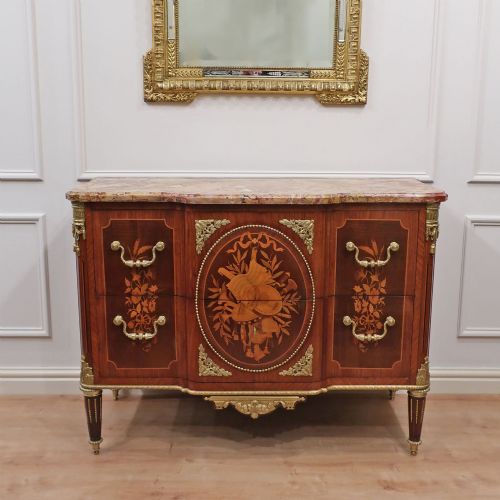
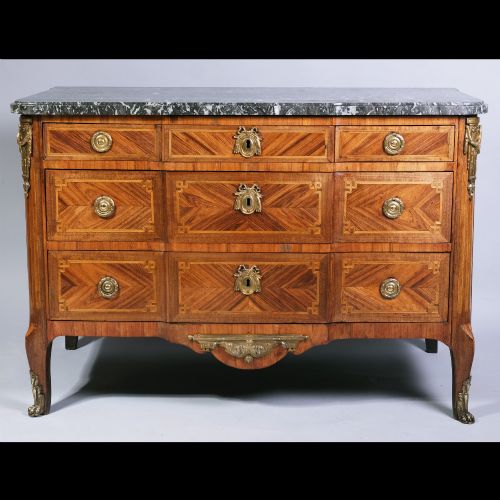
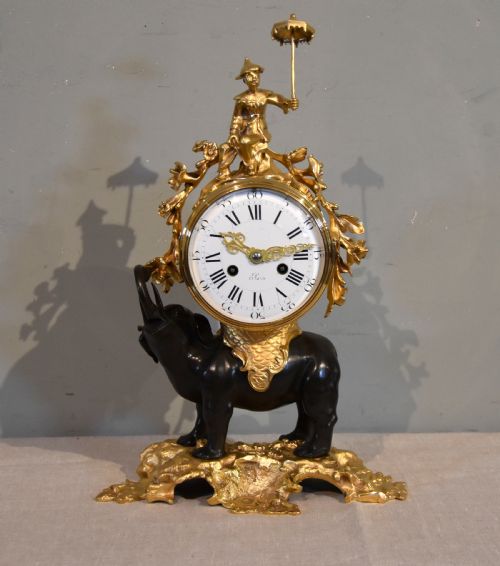
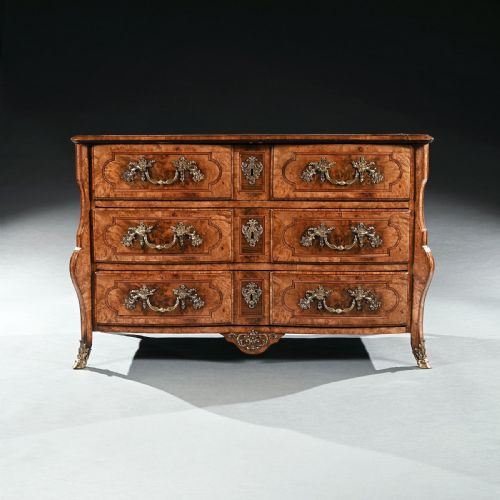
The primary technique involves mercury gilding a bronze base to produce the characteristic ormolu finish, resulting in a durable metallic lustre that highlights chased details on mounts, putti finials and clock bezels. This metalwork is combined with structural hardwoods including kingwood, walnut, rosewood, tulipwood and cherrywood, often arranged in intricate parquetry and marquetry patterns.
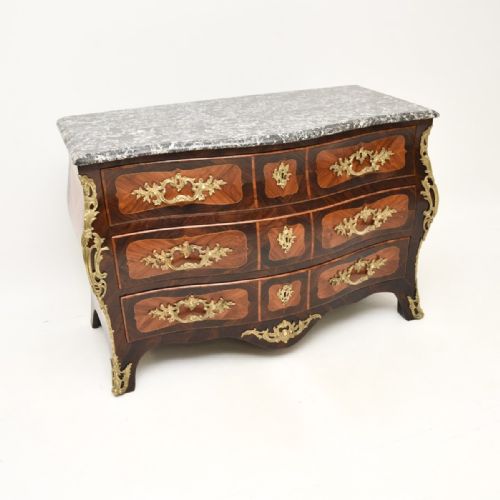
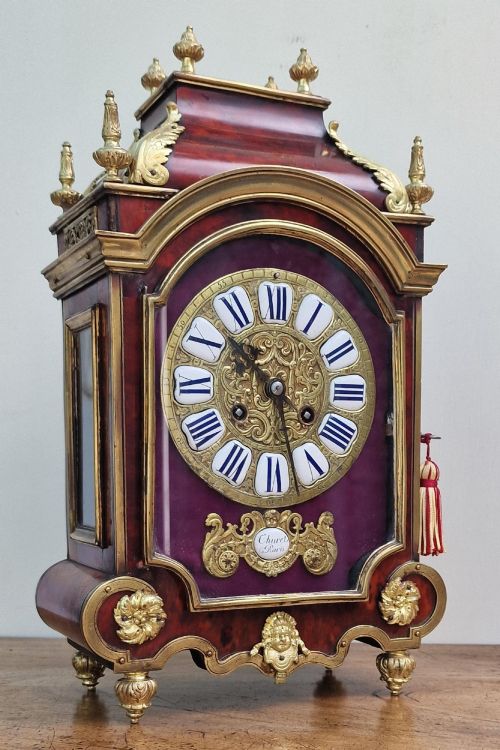
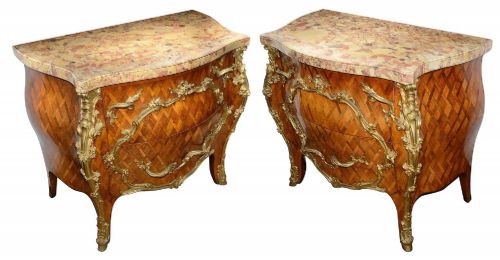
Many furniture pieces incorporate fitted marble tops in varieties such as white marble and serpentine breccia, resting upon bombé or serpentine carcases. Porcelain plaques, tortoiseshell panels and enamel dials are frequently integrated into the wooden and metallic structures of desks and clocks.
Listings demonstrate a strong representation of French furniture forms, including bombé commodes and bureau plat desks decorated with ormolu mounts.
Assessing quality in gilt bronze and furniture
Material selection dictates the upper tier of the range, visible in figured burr maple, rich kingwood veneers, and unbroken tortoiseshell panels paired with original marble slabs rather than later replacements. The presence of authentic movement components in clocks and original stamps on furniture further separates workshop masterpieces from ordinary domestic items.
Jacques Bircklé·Thomas Hache·Francis Perigal·Louis Goret·Baillon
The 18th Century Ormolu Glossary
- Ormolu
- Gilt bronze produced by applying an amalgam of gold and mercury to a bronze base and heating it to drive off the mercury. This historical technique creates a deep, durable golden finish.
- Commode
- A decorative chest of drawers standing on legs, popular in the 18th century. These pieces frequently feature serpentine fronts and marble tops.
- Bureau Plat
- A freestanding writing table fitted with drawers and usually finished on all sides. They often display extensive gilt bronze mounts along the frieze and legs.
- Cartel Clock
- A wall-mounted clock housed in an ornate case made of gilt bronze or carved wood. These clocks were designed to coordinate with matching wall lights.
- Marquetry
- The art of applying small pieces of veneer to a structure to form decorative patterns. Craftsmen utilised woods like tulipwood, walnut and kingwood to achieve tonal contrasts.
18th Century Ormolu: Frequently Asked Questions
What is 18th century ormolu?
It is mercury-gilded bronze associated with decorative objects, clocks and furniture mounts from the period. The technique creates a rich golden surface that does not tarnish easily.
These gilded elements were cast, chased and applied to enhance luxury items made for aristocratic interiors. They remain the defining decorative feature of many French furnishings of the era.
How do I care for ormolu mounts?
Maintenance requires gentle dusting with a soft, dry brush to prevent dirt accumulation in the chased recesses. Avoid abrasive cleaning agents that can wear away the thin layer of gold.
Environmental stability is important to protect both the metal and the underlying wood or marble. Keep pieces away from direct heat sources and excessive moisture.
How are original pieces identified?
Authentication relies on examining the weight and colour of the bronze, alongside the hand-tooled crispness of the chasing. Tool marks left by historical makers are typically visible on the reverse of the mounts.
Construction methods of the carcase, such as traditional joinery and wood shrinkage patterns, confirm the age of furniture. Comparing the style of the mounts to documented workshop designs helps verify the period.
Where were these pieces used?
They furnished the salons, bedchambers and studies of European townhouses and châteaux during the 1700s. Mantel clocks and candelabras stood upon marble fireplaces, while commodes lined the panelled walls.
Writing desks were placed near windows in private apartments for correspondence and administration. Today, they function as focal points in traditional or eclectic interior schemes.