

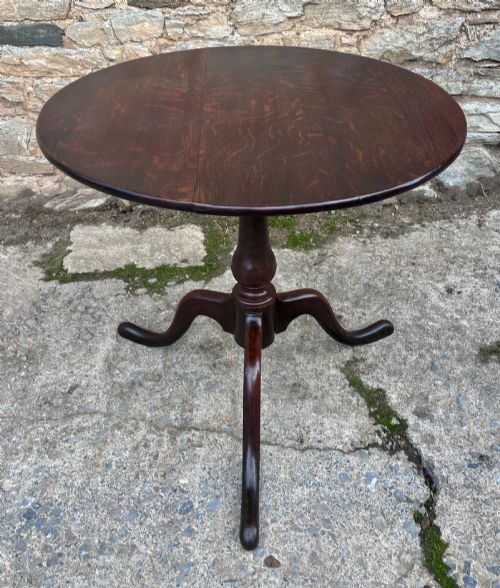
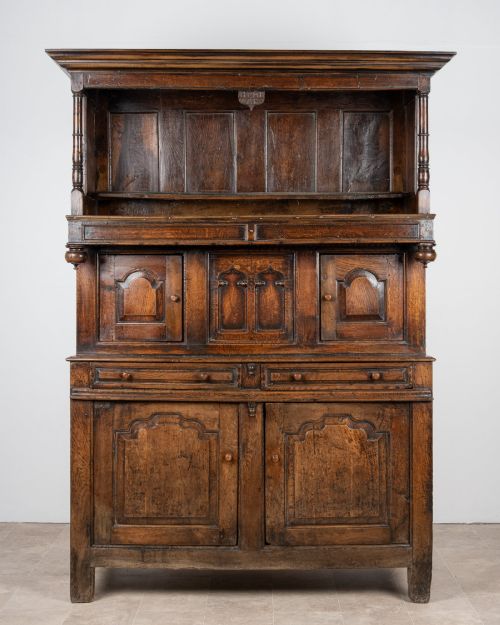
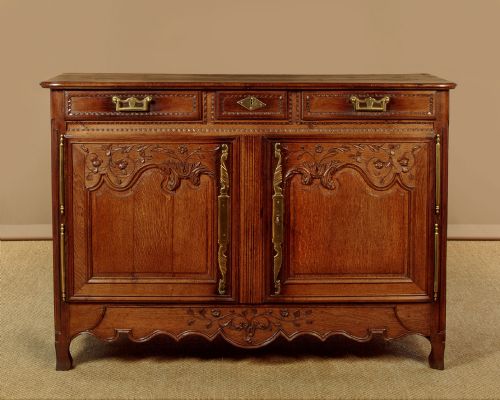
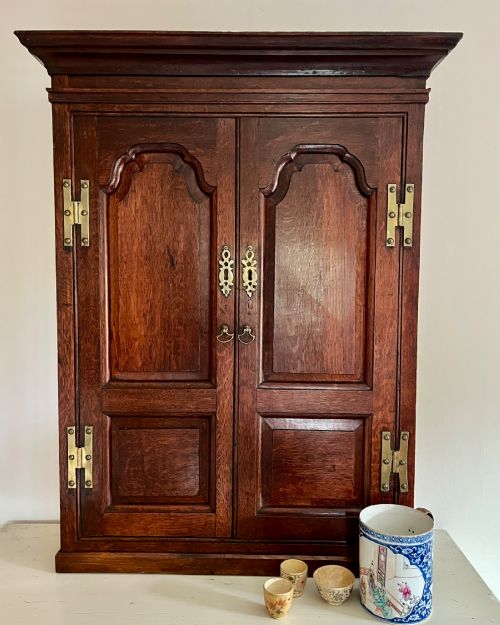
18th Century Oak
18th century oak furniture brings domestic utility into modern rooms through robust chests, dressers, and tables.
18th Century Oak
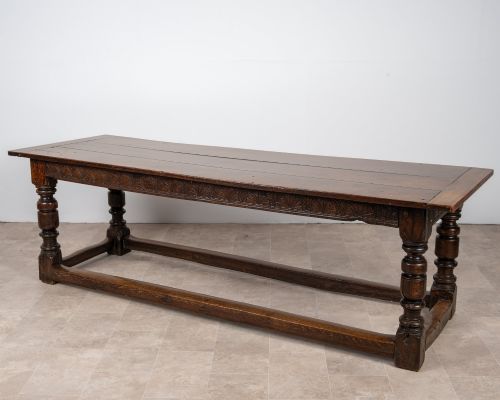
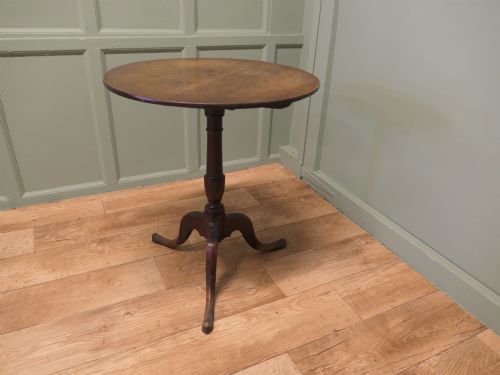
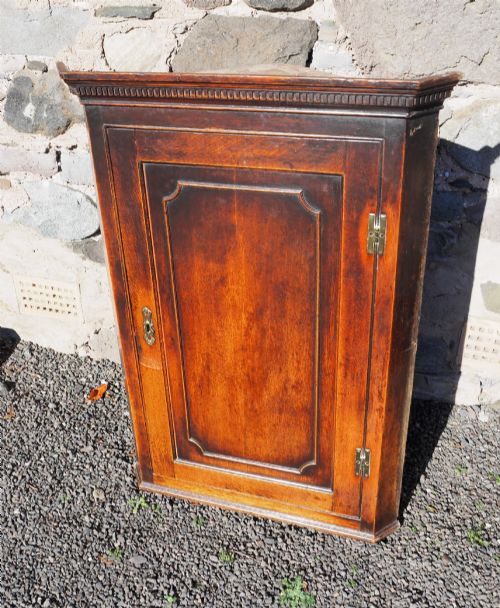
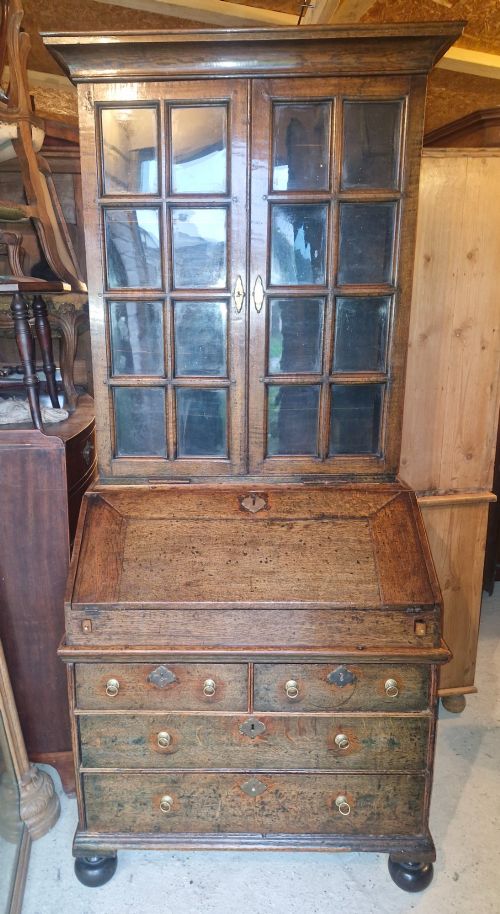
When searching for 18th century oak, buyers encounter utilitarian forms shaped by regional British workshops and country life. The selection spans sturdy dressers, mule chests, side tables, and settle benches designed for everyday domestic use.
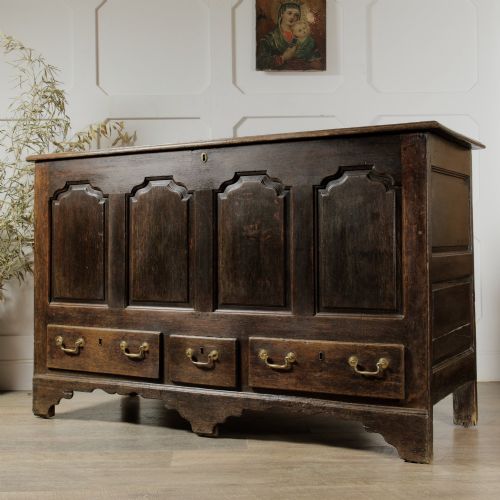
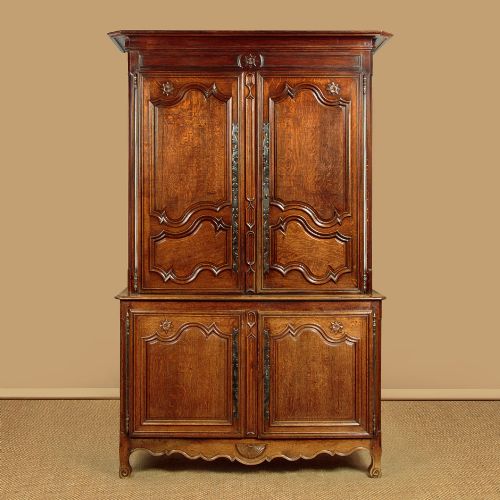
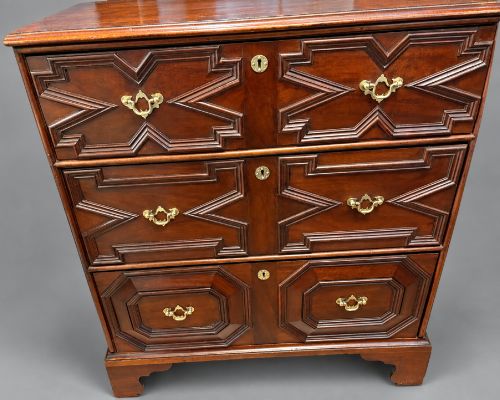
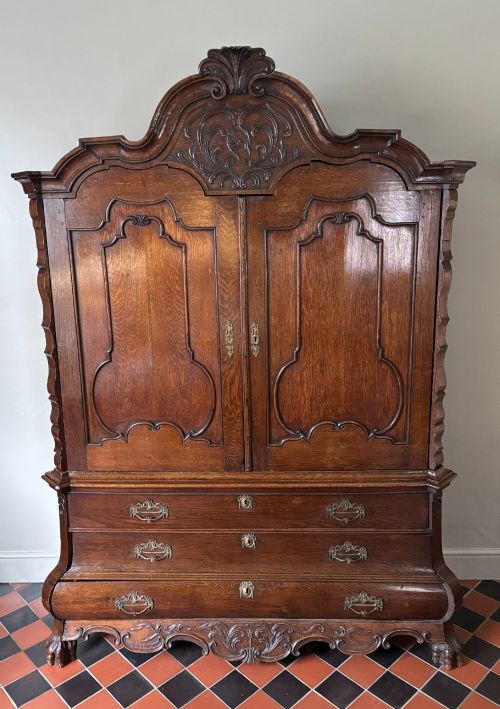
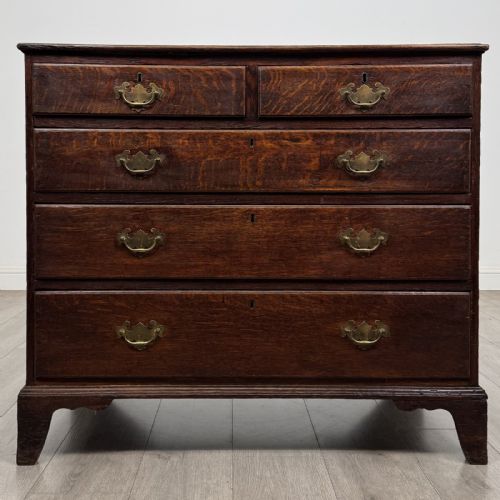
The most common survivals on this page include Georgian chests of drawers, joint stools, and regional cupboards such as tridarns and deuddarns. These pieces demonstrate practical storage and heavy timber construction derived from local materials.
Makers ranged from country carpenters to urban joiners producing straightforward furniture for households. Regional styles, including Welsh vernacular and Lancashire pieces, show distinct local building traditions.
Materials and construction methods
Makers constructed these items primarily from native oak, supplemented by elm, walnut, pine, and ash for secondary parts or specific structural elements. Boards were frequently cleft or sawn and joined using traditional pegging and mortise and tenon joints.
Iron and brass hardware, such as hinges, handles, and escutcheons, fastened lids and doors while adding functional reinforcement. Surface treatments relied on natural wax or oil finishing rather than heavy modern varnishes, allowing the grain to show.
18th Century Oak Retail Price Guide 2026
Typical asking prices for 18th century oak among the pieces listed under this phrase on Sellingantiques today, from the lower quarter to the upper quarter. They describe what is for sale here now, not the wider market.
Listings feature oak alongside secondary woods including elm, walnut, ash, and pine across pieces spanning the 18th century and Georgian periods.
Distinctions in quality
Quality rests upon the integrity of the timber selection, the tightness of the joinery, and the retention of original surfaces. Pieces built from well-figured golden oak with minimal structural replacement stand apart from heavily altered examples.
Proportion and regional character dictate desirability, with authentic vernacular details like carved panels or original hardware elevating a piece. Simplicity of form combined with robust, honest construction marks the finer survivals.
The 18th Century Oak Glossary
- Mule chest
- A storage chest featuring one or more drawers built into the base beneath the main compartment. This form emerged as joiners combined traditional coffer storage with drawer utility.
- Joint stool
- A sturdy wooden stool built with pegged mortise and tenon joints rather than turned legs inserted into a seat. These served as primary seating or small side tables in early households.
- Tridarn
- A large three-piece Welsh cupboard combining enclosed shelving and cabinet sections for display and storage. They represent ambitious regional joinery from rural workshops.
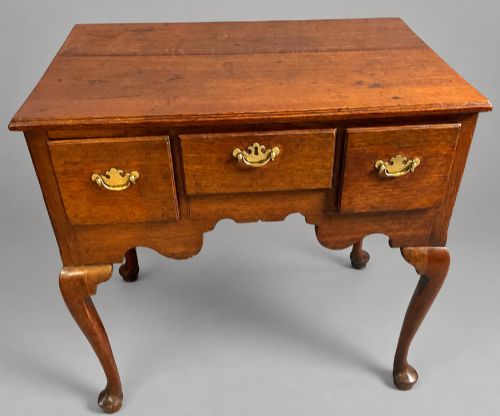
- Lowboy
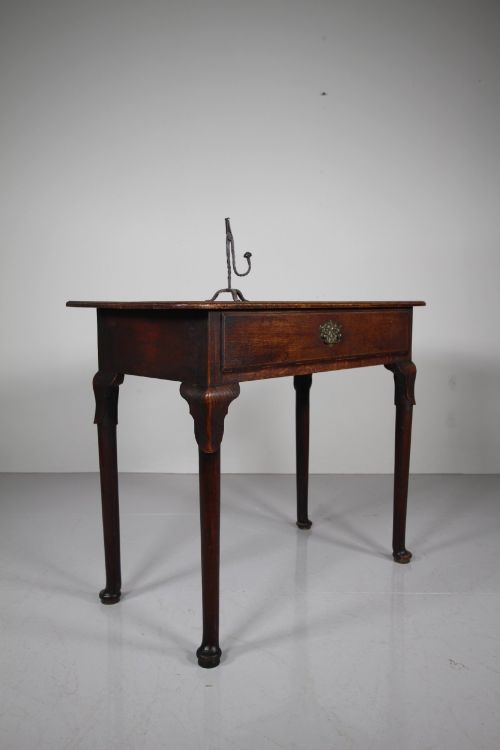
- A small side table or dressing table featuring a low profile and one or more rows of drawers beneath the top. They were commonly placed in bedchambers and parlours.
- Cricket table
- A small, light occasional table supported by three splayed legs designed to stand firmly on uneven flagged floors. The name derives from the resemblance of the three legs to a cricket wicket.
18th Century Oak: Frequently Asked Questions
What is an 18th century oak coffer?
A coffer is a heavy wooden storage chest with a hinged lid used for linens, documents, and household valuables. They represent some of the most enduring domestic items from this era.
Many examples feature panelled construction and date to the early decades of the seventeen-hundreds. They frequently served multiple purposes, including temporary seating within the home.
How do I identify regional oak furniture?
Regional pieces display distinct construction traits and local timber choices characteristic of areas like Lancashire, Wales, or Norfolk. Cabinetmakers utilised local woods alongside oak, such as elm or ash.
Looking at the backboards, drawer linings, and internal framing reveals these geographical construction preferences. Vernacular pieces often incorporate local decorative carving styles unique to their district.
Where were oak dressers used?
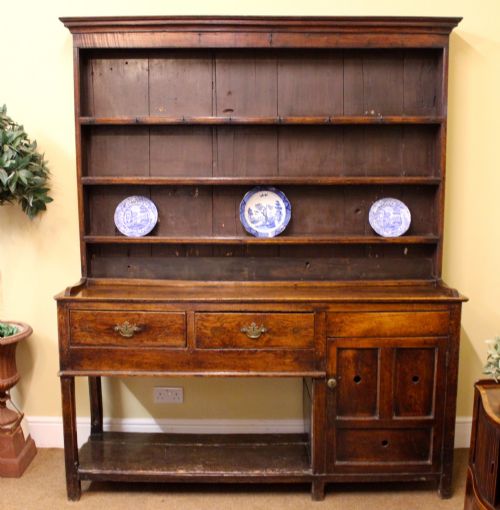
Dressers were utilised in kitchens and pantries to store and display earthenware, pewter, and daily culinary equipment. The base cabinet held heavier cookware while the rack displayed plates.
Over time, these functional pieces transitioned into dining rooms as households evolved. Their robust open shelves made them practical for both storage and display.
How do I care for antique oak furniture?
Maintain antique oak by applying traditional beeswax periodically to nourish the dry timber and protect the surface. Avoid placing pieces near direct heat sources or strong sunlight.
Keep humidity levels stable within the room to prevent the solid oak panels from splitting or warping. Gentle dusting with a dry cloth is sufficient for routine cleaning.