

18th Century Oak Tallboy
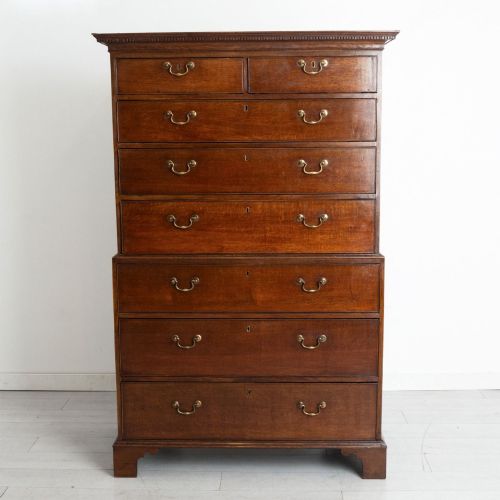
An 18th century oak tallboy stands as a monumental piece of storage, offering exceptional height and timber character to anchor a room.
18th Century Oak Tallboy
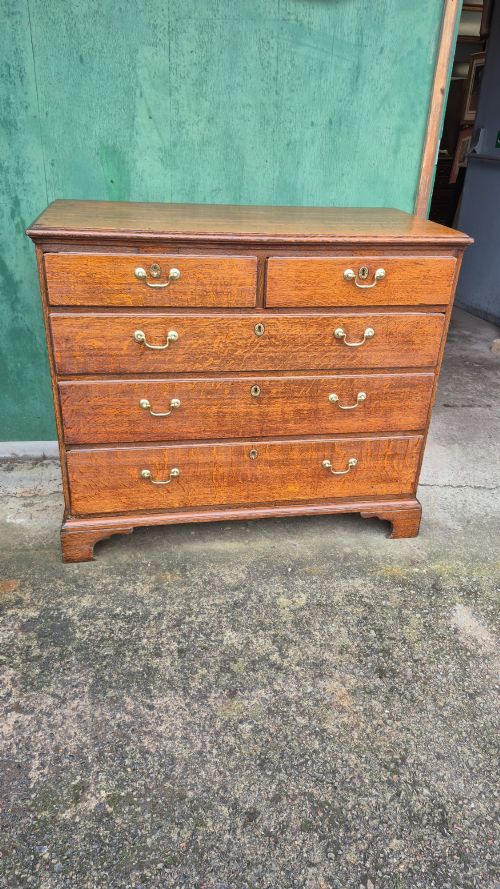
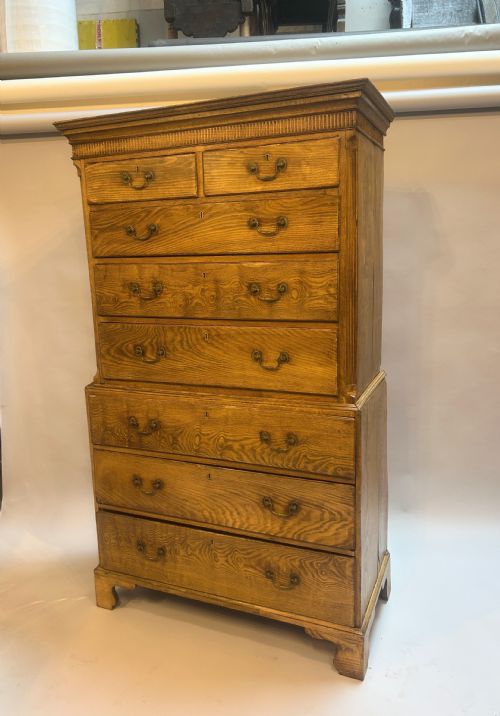
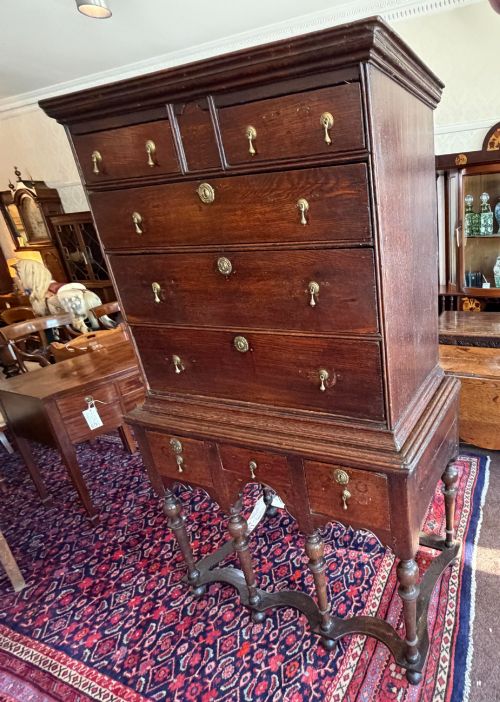
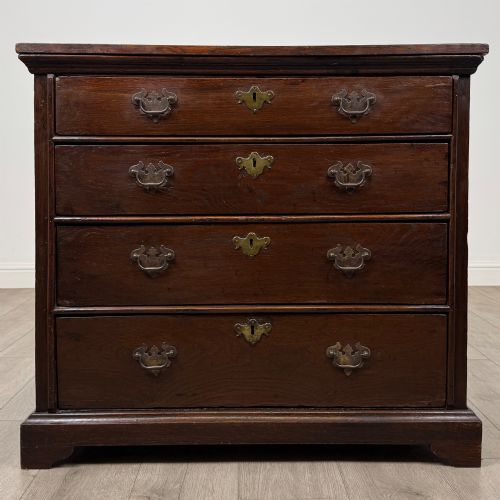
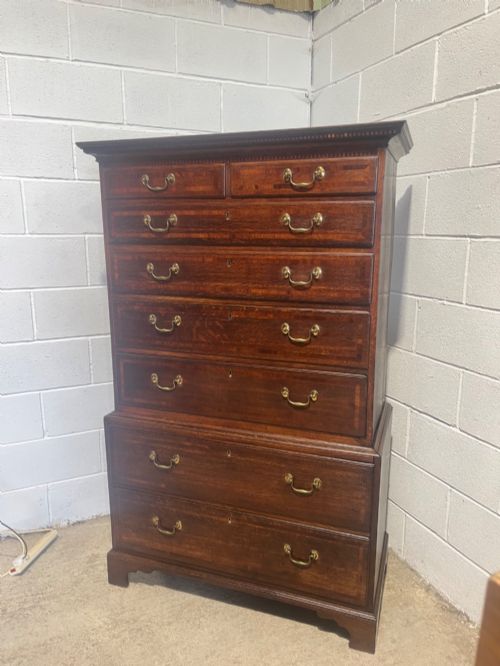
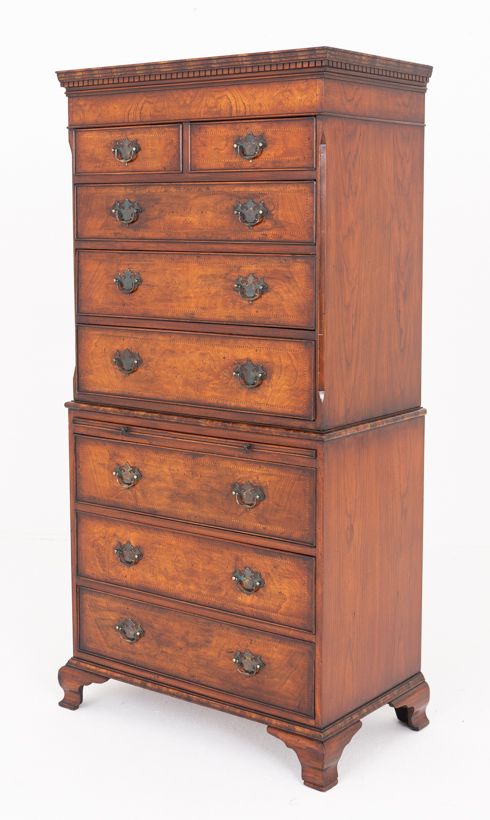
An 18th century oak tallboy combines a chest of drawers on the lower section with a further stack above, creating a commanding piece designed for maximum linen and clothing storage. Buyers searching this phrase encounter substantial case furniture originating primarily from the Georgian period, including distinct chest on chest and chest on stand variants.
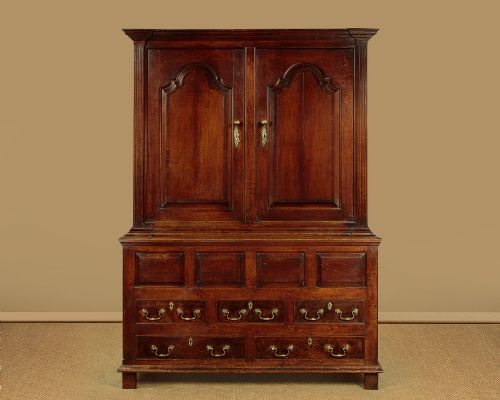
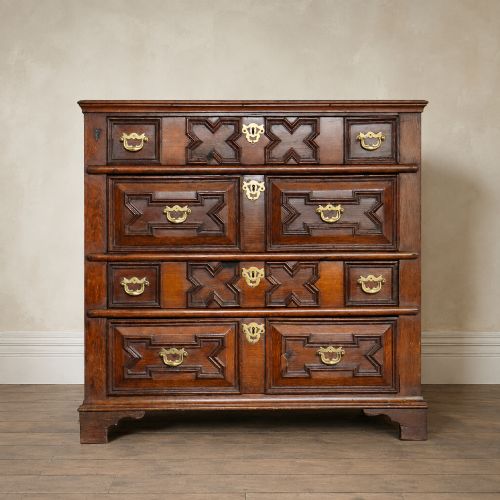
The pieces on this page span styles from Queen Anne and George I through to George III, reflecting shifts in provincial and urban cabinet-making. Alongside traditional tallboys, listings frequently encompass related forms such as Welsh oak examples, linen presses, and geometric moulded chests.
Proportions vary from small country proportions to grand architectural formats, often utilising native hardwoods alongside secondary timbers. The overarching structure remains a vertically stacked storage solution built to last centuries.
How they were made
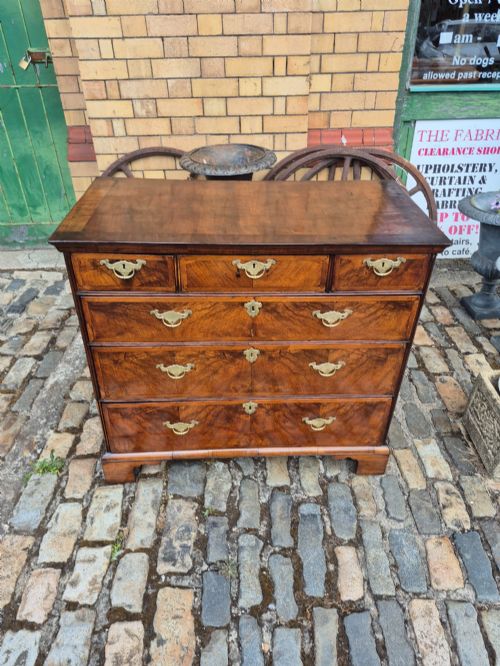
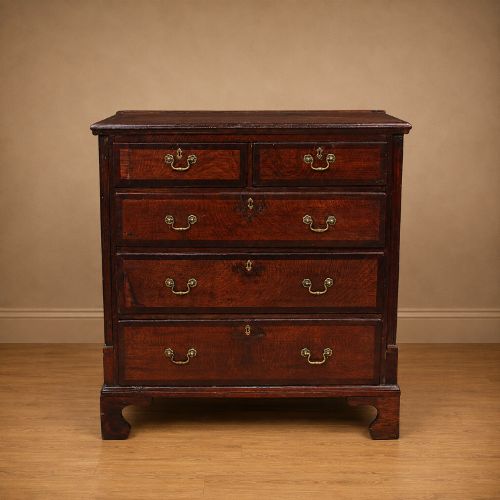
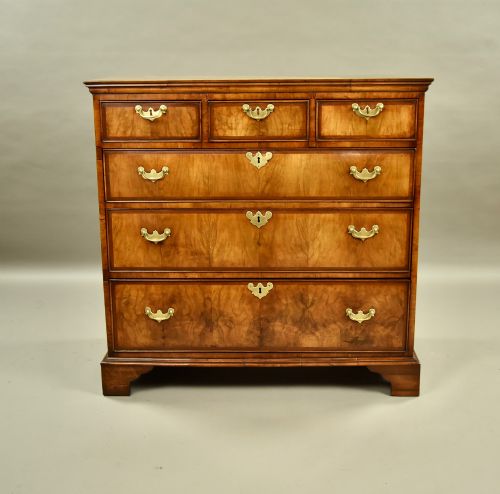
Cabinet-makers constructed these pieces using solid oak, frequently paired with mahogany crossbanding, walnut, elm, or fruitwood inlay to create visual contrast on drawer fronts and cornices. Structural carcass work relied on heavy timber framing, dovetailed drawer construction, and panelled sides.
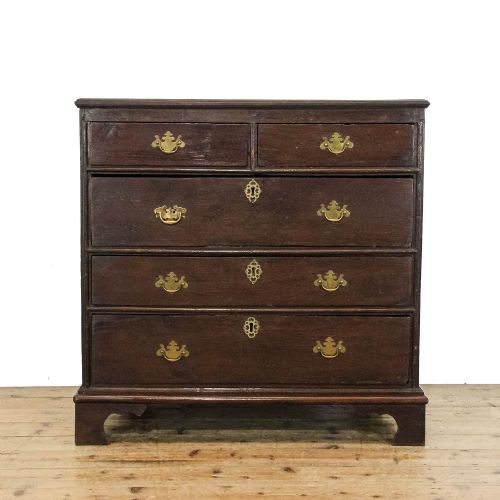
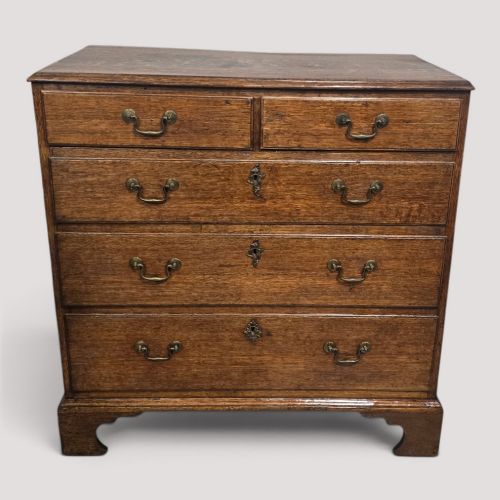
Hardware played a functional and decorative role, with original brass handles and escutcheons secured to the drawer faces alongside traditional bracket feet or integrated stands. Surface finishes developed organically over time, ranging from bleached oak and limed treatments to deep golden patination.
Many a midnight sock has vanished forever into the cavernous depths of an 18th century oak tallboy's top drawer.
What varies in quality
The standard of an 18th century oak tallboy rests upon the selection of timber grain, the crispness of any crossbanding or geometric moulding, and the retention of original brass hardware. Pieces displaying untouched surfaces, figured elm or walnut highlights, and well-proportioned bracket feet sit at the upper end of the scale.
Construction integrity also dictates worth, particularly the survival of original oak linings within the drawers and the stability of the central parting rails between upper and lower sections. Alterations to feet, cornices, or handles shift an example away from its original state.
The 18th Century Oak Tallboy Glossary
- Tallboy
- A tall chest of drawers, typically comprising a double chest or a chest on stand providing substantial vertical storage. This form became popular during the late 17th and 18th centuries.
- Chest on Chest
- A form consisting of an upper chest of drawers stacked directly onto a slightly larger lower chest, often sharing matching timber and brassware. It provides immense capacity while maintaining a compact floor footprint.
- Chest on Stand
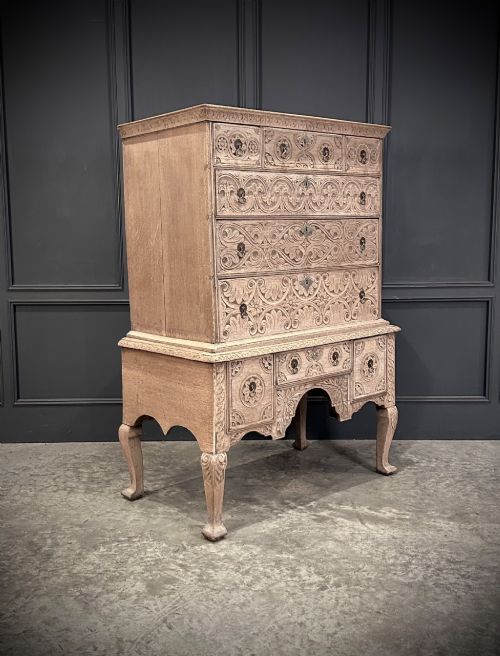
- A drawer unit elevated on an open frame or stand with legs, offering a lighter visual appearance than a solid ground-standing tallboy. These often date to the early 18th century and George I periods.
- Crossbanding
- A decorative border technique where thin strips of veneer, such as mahogany or walnut, are laid around the edges of drawer fronts so the grain runs perpendicular to the main panel. This frames the primary timber.
- Geometric Moulding
- Raised applied mouldings arranged in geometric patterns on drawer fronts, frequently seen on pieces from the early 18th century and William and Mary or Queen Anne periods.
18th Century Oak Tallboy: Frequently Asked Questions
What is an 18th century oak tallboy?
An 18th century oak tallboy is a tall chest of drawers built in two stacked sections, designed to maximise vertical storage space in a bedroom or dressing room. These pieces combine robust oak construction with traditional joinery.
Cabinet-makers of the Georgian era produced these tall units to hold linens and garments, resulting in grand proportions that dominate a wall.
How do I date an oak tallboy?
Dating relies on examining the timber grain, hardware fixings, construction methods, and stylistic details like bracket feet or cornice mouldings. Early pieces often feature geometric mouldings or sit on separate stands.
Later George III examples introduce mahogany crossbanding and refined brass handles, aligning with changing interior tastes of the late 18th century.
How do I care for antique oak furniture?
Antique oak benefits from stable room environments away from direct heat sources and strong sunlight, which can dry out the timber. Regular dusting with a soft, dry cloth preserves the finish.
Application of traditional wax polish helps maintain the natural lustre of the wood without building up heavy chemical residues.