


18th Century Miniature Painting
An 18th century miniature painting captures intimacy on a tiny scale, offering collectors portable portraits and delicate scenes that survive from the Georgian era.
18th Century Miniature Painting
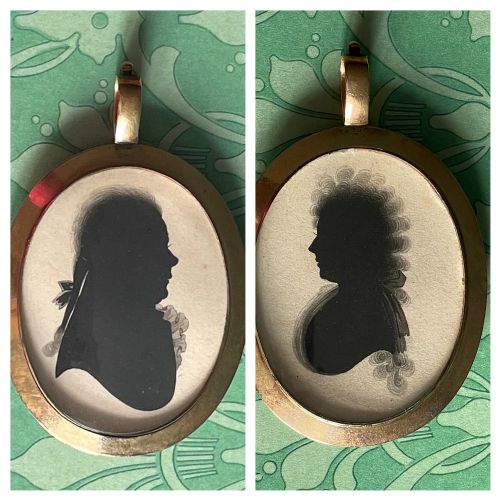
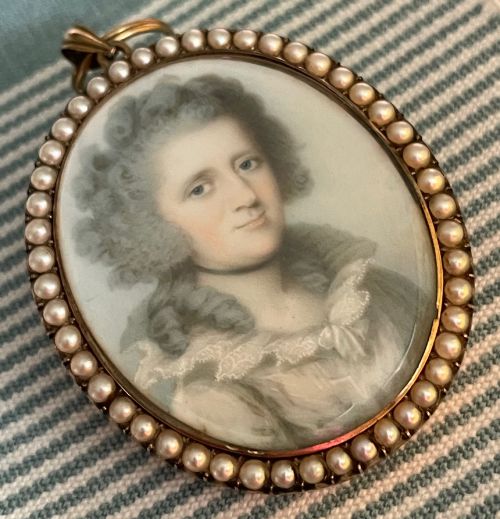
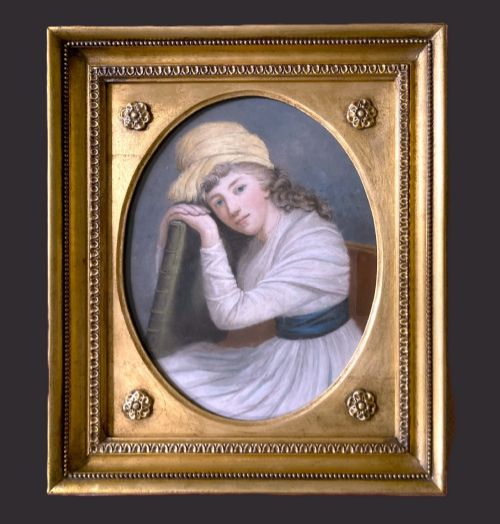
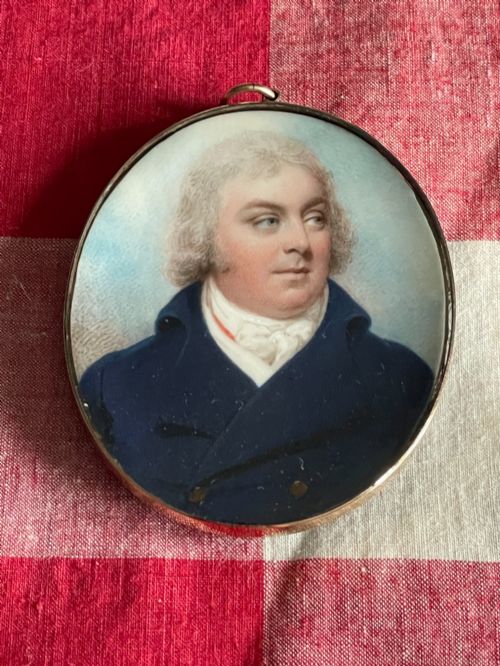
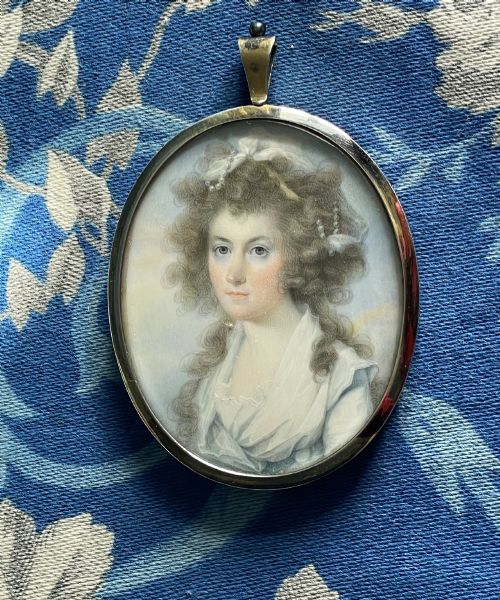
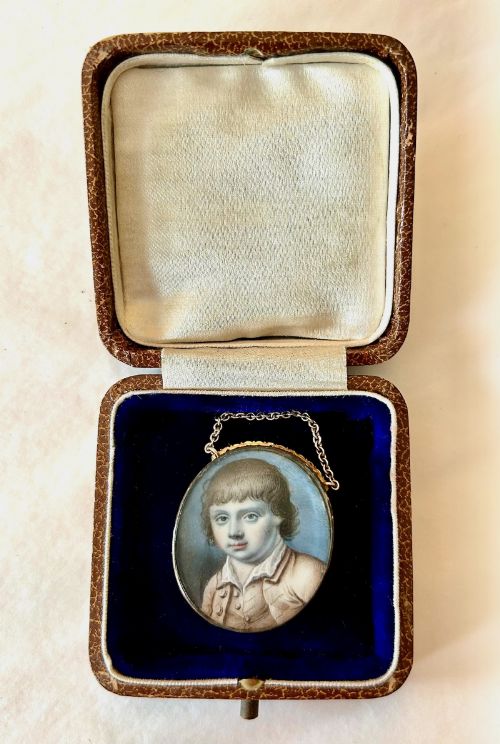
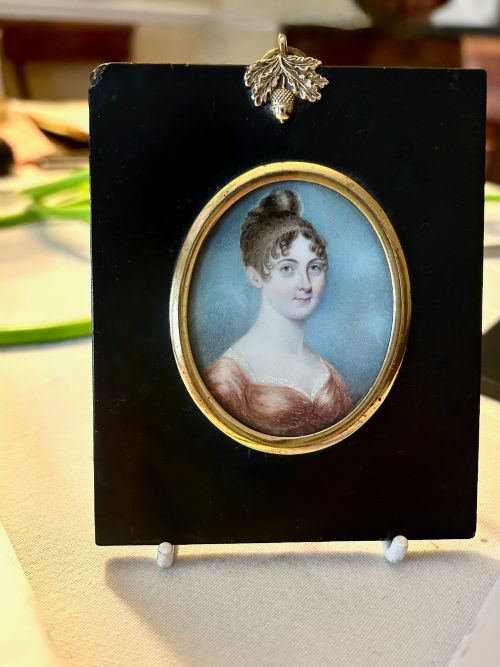
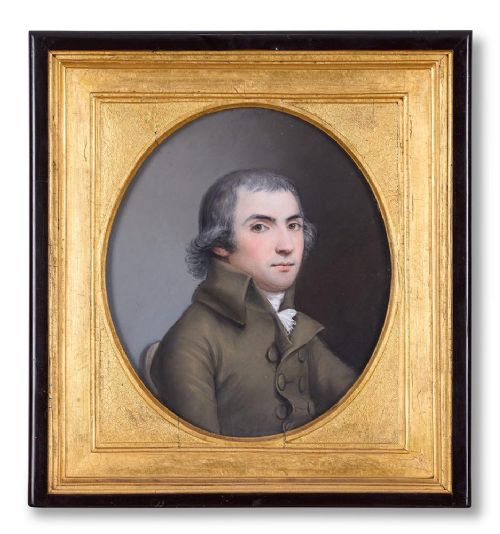
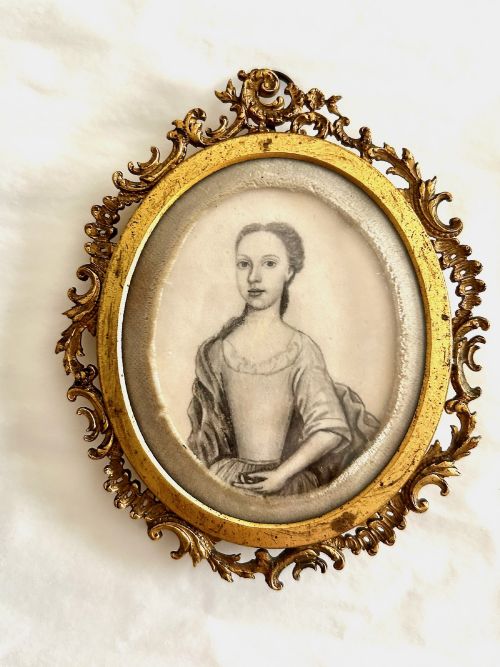
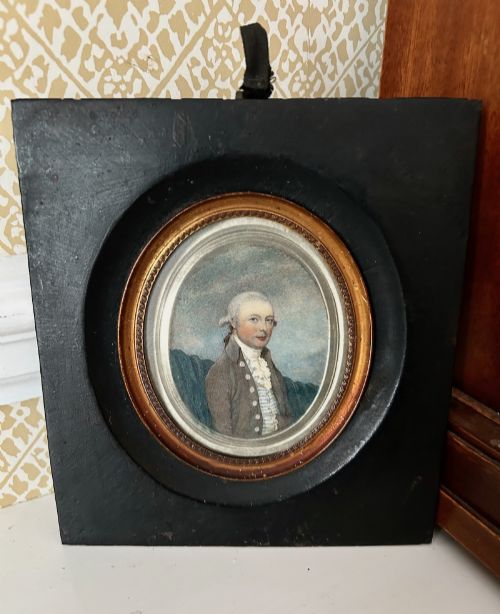
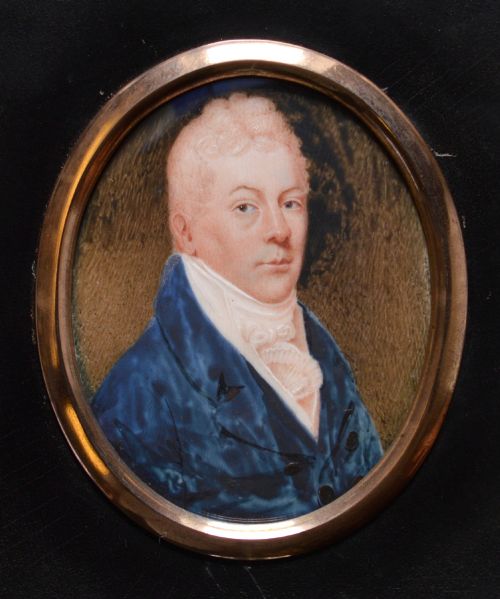
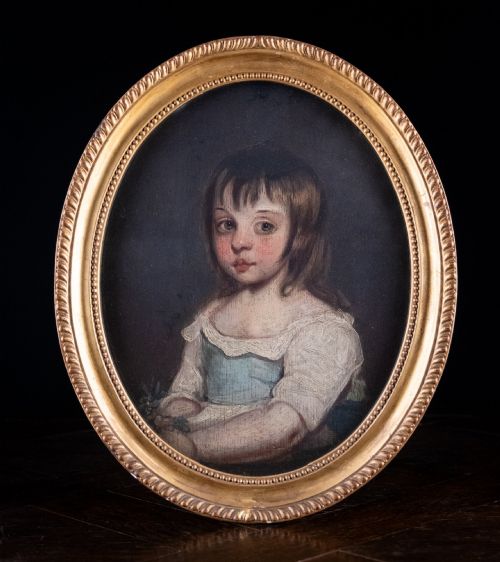
When you search for an 18th century miniature painting, you encounter intimate likenesses and small-scale artworks produced during the Georgian period. Portrait miniatures dominate the selection, showing subjects ranging from country girls and gentlemen to titled nobility in oval and rectangular formats.
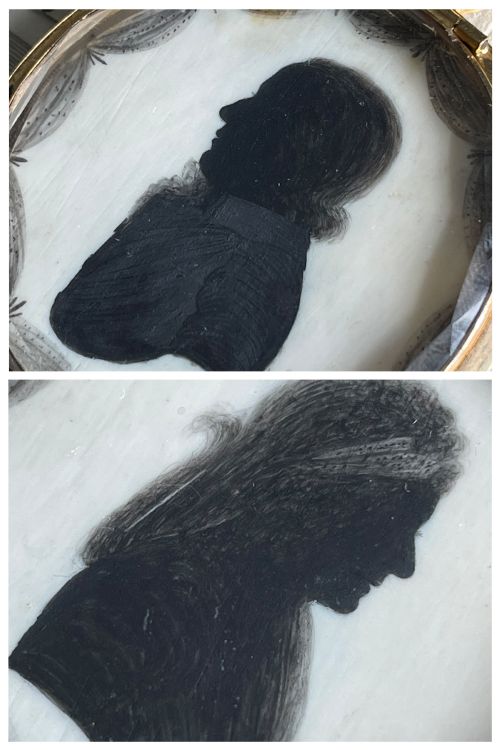
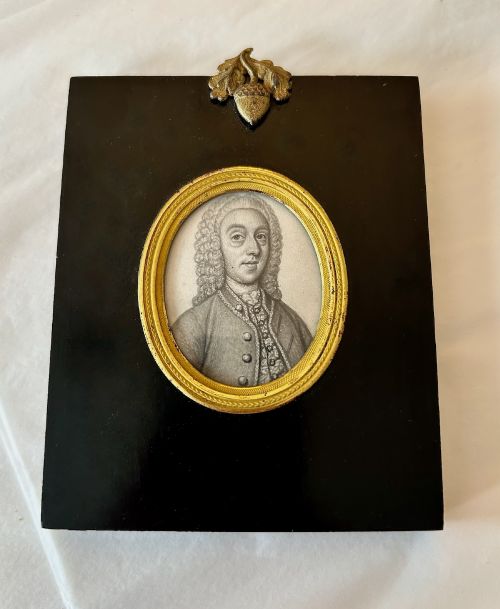
The objects span varied forms including framed wall art, pendant lockets, and painted snuff box lids. Alongside standard portraiture, you find silhouettes, mythological watercolours, and enamel plaques that reflect the visual culture of the seventeen-hundreds.
Pieces frequently emerge from British and French contexts, showing stylistic influences from French Rococo and Neoclassical traditions. While many carry dates across the eighteenth century, some examples bridge into the Regency and nineteenth centuries.
Materials and technique
Artists painted these small works using watercolour on paper or vellum, and occasionally oil or enamel upon metal surfaces. Support materials include delicate glass, gold leaf, and brass components that protect the fragile pigment layers.
Makers housed their works in bespoke enclosures such as ebonised timber frames, gilt metal stands, and gold pendant lockets. Seed pearls and glass components often frame the perimeter, highlighting the jeweler's craft involved in their creation.
18th Century Miniature Painting Retail Price Guide 2026
Typical asking prices for 18th century miniature painting among the pieces listed under this phrase on Sellingantiques today, from the lower quarter to the upper quarter. They describe what is for sale here now, not the wider market.
Sailors bought enamelled sailor's departure plaques to remember dry land, proving romance survives even a choppy channel.
Separating the ordinary from the exceptional
The distinction between standard works and master creations rests entirely upon the finesse of the brushwork and the psychological depth of the sitter. Skilled hands render lace collars and facial expressions with microscopic precision, whereas lesser pieces lack definition.
Material choice dictates the upper tier of the market, where solid gold settings, signed panels, and original ebonised frames survive intact. The presence of documented provenance elevates a piece beyond anonymous decorative output.
James Sharples·Henry Bone·Charles Shirreff·Richard Cosway·John Miers·Frederick Buck·William Wood·Charles Hayter·Christian Friedrich Zincke·William Naish·Nicolas Freese·Albin R Burt·George Engleheart·James Ferguson
The 18th Century Miniature Painting Glossary
- Portrait Miniature
- A small-scale painting, usually executed on ivory, vellum, or card, designed to be held in the hand or worn upon the person. These works gained popularity for commemorating family members and romantic partners.
- Verre Eglomise
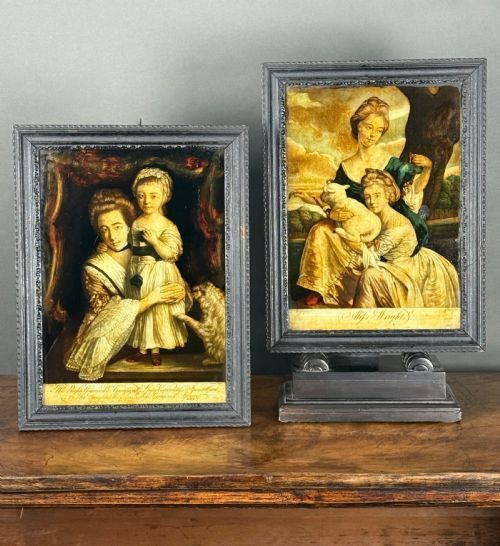
- A technique involving cold painting or gilding on the reverse side of glass to produce a mirror-like finish. Silhouette artists often utilised this method to create crisp black profiles.
- Enamel Plaque
- A composition fused to a metal base through high-temperature firing, creating a durable glossy surface. South Staffordshire workshops specialised in producing small painted boxes and plaques using this method.
- Vellum
- A fine parchment prepared from calfskin, providing a smooth organic surface for watercolour application. Miniature painters favoured its tight grain for holding minute lines.
18th Century Miniature Painting: Frequently Asked Questions
How were these miniature paintings originally worn?
Owners carried these small works as personal tokens inside gold pendant lockets or pinned them directly to garments as sentimental brooches.
Others remained protected within domestic settings as framed wall art or fitted inside decorative trinket boxes.
What is a silhouette profile?
A silhouette is a shadow portrait cut from dark paper or painted directly onto glass and vellum surfaces. Artists captured the sitter's likeness entirely through profile outlines rather than internal facial details.
Many examples incorporate delicate gilt highlights to define hair and clothing.
How do I distinguish eighteenth-century pieces from later copies?
Examine the housing, framing materials, and the structural backing of the miniature to understand its period context. Eighteenth-century examples typically utilise hand-beaten metals, original ebonised wood, and authentic organic vellum or glass supports.
Signatures, when present, align with recorded active dates of the period's miniaturists.
Were these works painted by professional artists?
Many miniatures are the product of skilled portrait painters who exhibited at royal academies and maintained dedicated town studios. Other pieces reflect folk art traditions produced by regional practitioners.
Both professional and folk examples served the growing eighteenth-century demand for portable likenesses.