


18th Century Mezzotint Print
An 18th century mezzotint print brings tonal depth and portraiture from Georgian interiors straight to modern walls.
18th Century Mezzotint Print
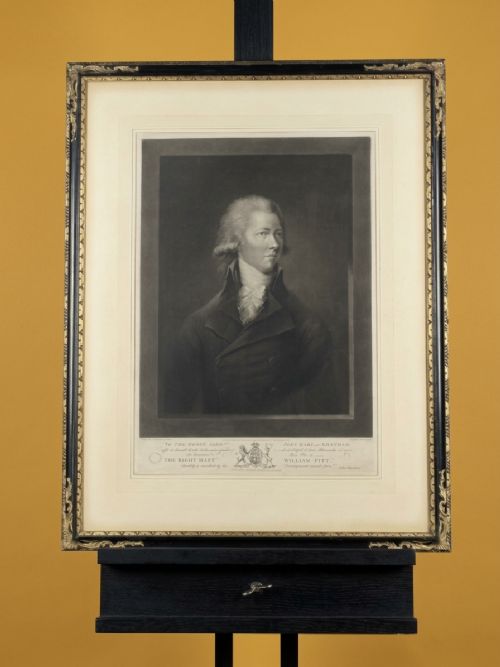
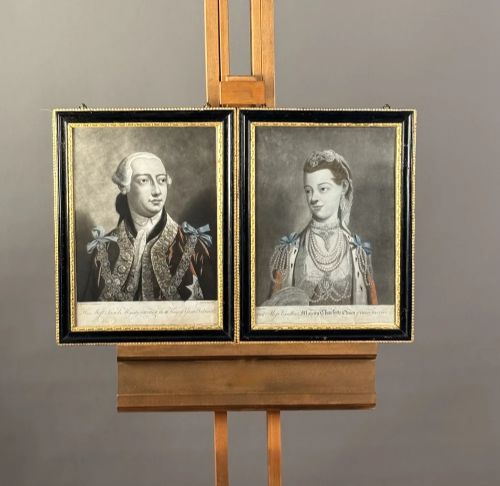
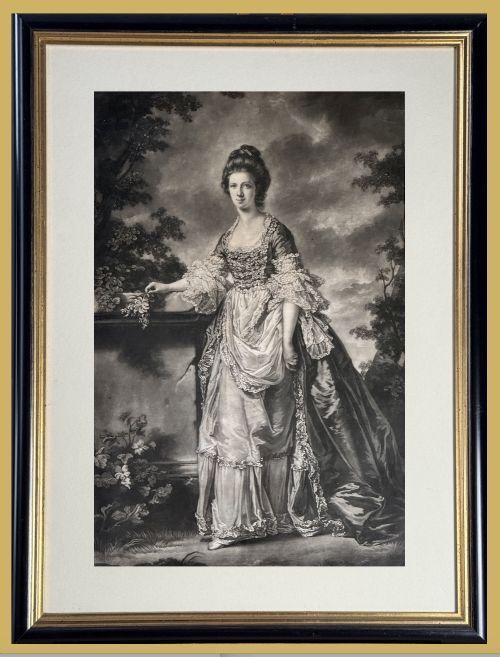
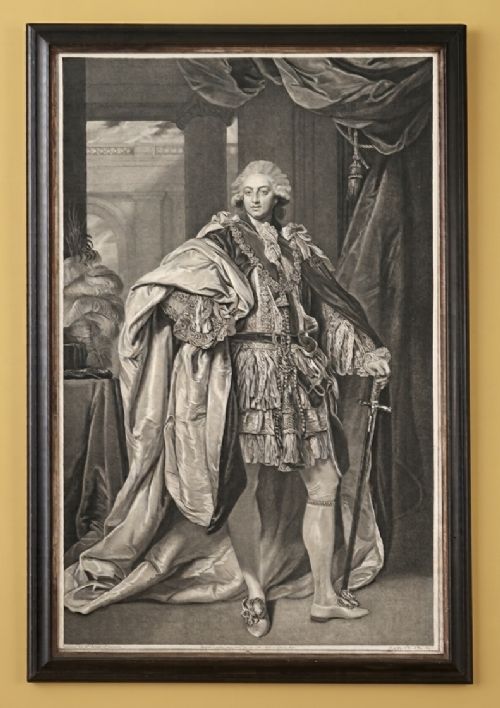
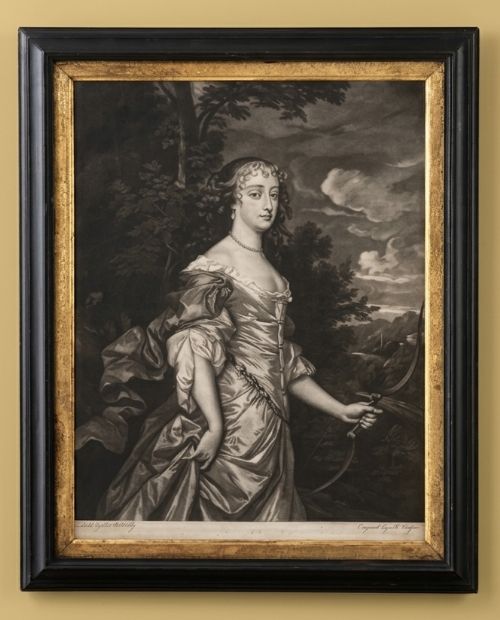
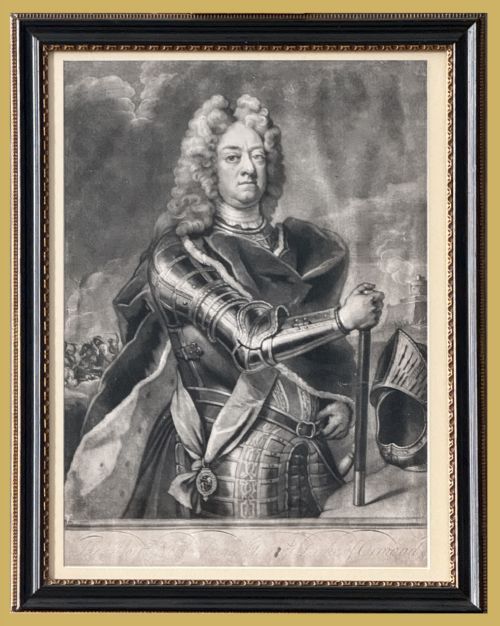
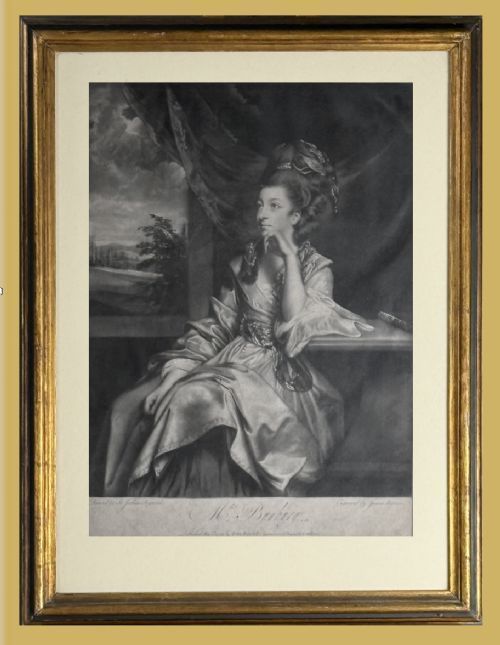
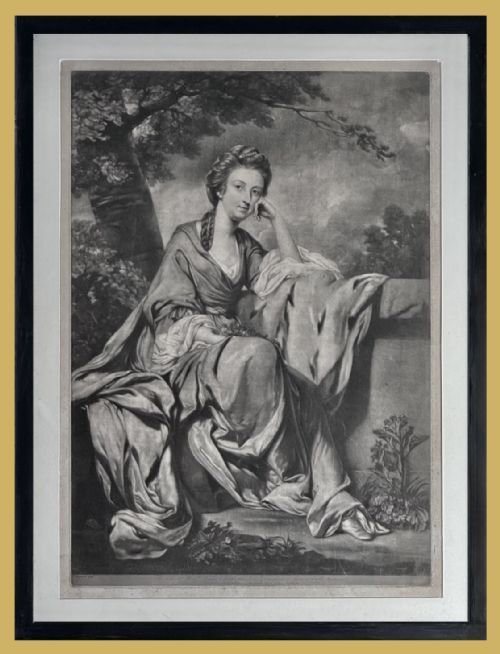
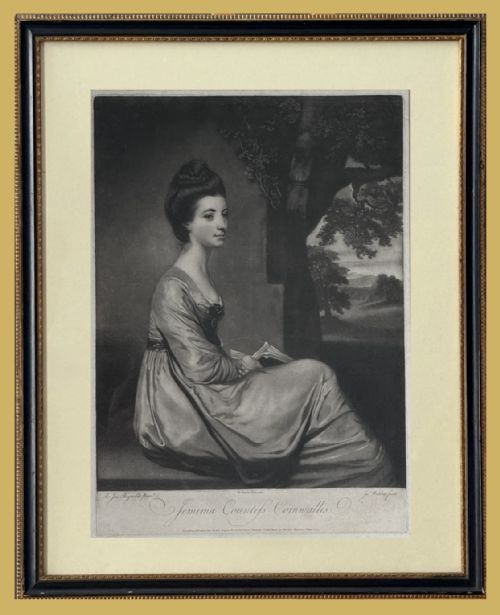
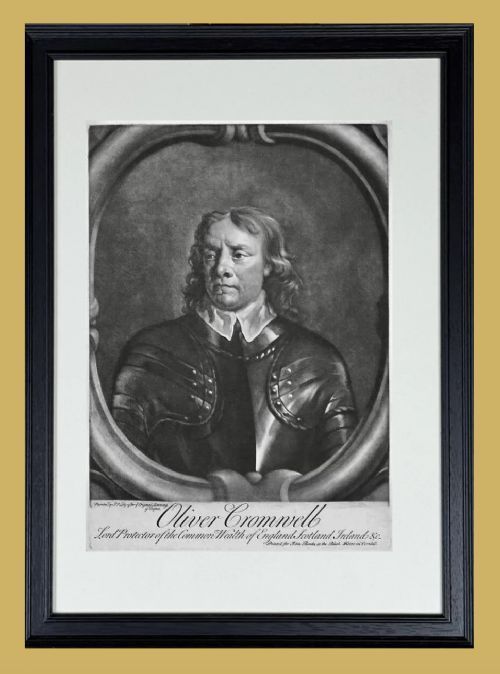
When searching for an 18th century mezzotint print, collectors encounter rich tonal engravings that primarily depict notable figures, nobility, and classical scenes. These works frequently translate oil paintings by master artists into deeply shadowed printed plates.
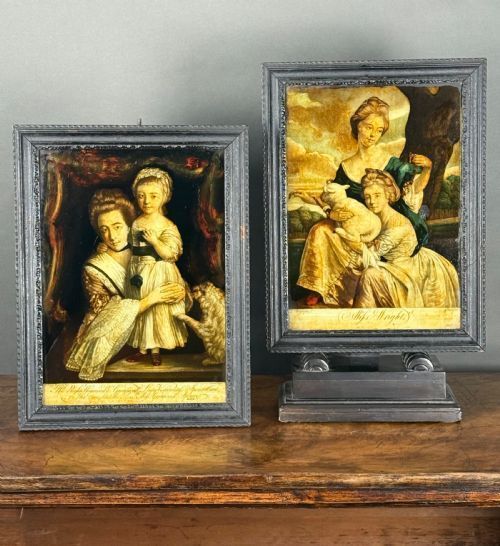
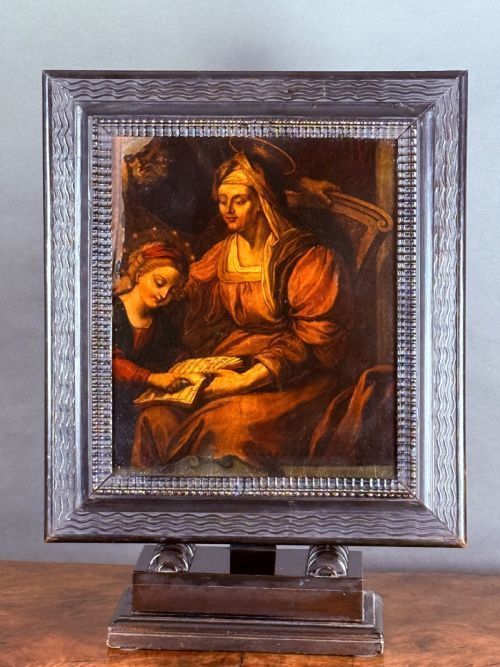
The versions most commonly met on this page include portraits after painters like Sir Joshua Reynolds, rendered by prominent engravers of the period. Alongside standard paper sheets, several pieces employ reverse glass techniques to display hand-coloured details.
Object types span framed wall art, individual prints, and curated sets representing the four seasons or royal subjects. Periods stretch from the 1700s through the Georgian era into Regency and Victorian revivals.
Materials and technique
The process begins on a copper plate roughened with a rocker to create a burr that holds ink for deep, velvety blacks. Lighter areas are scraped and burnished back down to produce subtle gradients of tone rather than mere lines.
Finished ink impressions appear on laid paper or are applied directly behind glass in reverse for colour-enhanced versions. Frames typically utilise period wood, sometimes accented with gold leaf, oil paint, or gilt.
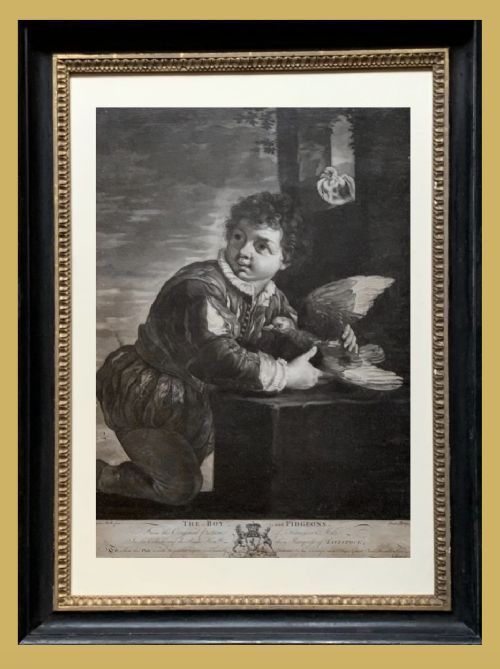
Duchesses, kings, and children with pigeons gaze out from these centuries-old plates, proving past centuries loved celebrity portraits too.
Judging the quality
Quality rests in the richness of the ink saturation and the crispness of the plate's tonal gradation. Early impressions retain a velvety depth in the shadows that later or worn strikes lose as the copper burr flattens.
The sophistication of the partnership between original painter and scraper defines the artistic merit. Skilled execution in reverse glass variants or the retention of original gilt wood framing adds considerable presence.
John Simon·John Boydell·James Watson·Edward Fisher·John Smith·Charles Spooner·Valentine Green·Jiohan Elis Haid·W Dickinson·John Faber Snr·Purcell·James McArdell·Thomas Frye·Richard Houston·James Ward·Robert Sayer·Richard Purcell
The 18th Century Mezzotint Print Glossary
- Mezzotint
- A printmaking process where the copper plate is roughened evenly and smoothed selectively to create tones rather than lines. This technique allows for subtle gradients and rich, dark areas.
- Reverse glass print
- An image applied or painted backwards onto the underside of a glass sheet to be viewed from the front. This method often incorporates hand-colouring and metallic foil.
- Rocker
- A curved, notched tool used by the engraver to pit the copper plate uniformly across the surface. It creates the burr that holds the ink.
- Burnisher
- A smooth tool used to flatten the roughened burr on the copper plate to create highlights and lighter tones. Master printmakers use it to control light with precision.
- State
- A stage of the print's production corresponding to changes made to the copper plate. Collectors track these editions to determine the chronology of the impression.
18th Century Mezzotint Print: Frequently Asked Questions
What is a mezzotint?
A mezzotint is an intaglio printmaking method where the artist works from dark to light by roughening a copper plate. This process produces characteristic velvety tones and smooth tonal transitions without relying on traditional etched lines.
Printers developed the method in the seventeenth century to reproduce oil paintings with photographic fidelity. The resulting sheets offer atmospheric depth unlike standard line engravings.
How do reverse glass prints differ?
Reverse glass prints involve applying ink and paint directly to the back of a glass panel in a mirrored sequence. Viewers look through the glass to see the finished composition protected behind the surface.
This technique produces a luminous quality distinct from paper prints. Artisans frequently added hand-colouring or gold leaf behind the glass to enhance the decorative effect.
Who were the major artists?
Many prints translate grand oil paintings by celebrated portraitists like Sir Joshua Reynolds, Sir Peter Lely, and George Romney. Skilled engravers such as James Watson, Valentine Green, and Richard Purcell then translated these canvases onto copper plates.
The collaboration between painter and scraper elevated printmaking to a major art form in the Georgian period. Collectors often prize the skill of the printmaker as much as the fame of the original artist.
How should I frame and hang them?
These works require protection from direct sunlight to prevent the ink and any applied colours from fading over time. Standard conservation framing with UV-filtering glass helps preserve the paper or reverse glass panel.
Period frames, such as Regency Hogarth styles or gilt wood mouldings, complement the historical character of the prints. Display them on interior walls away from moisture and direct heat sources.