

Georgian Wall Art Picture
A georgian wall art picture brings interior walls alive with the refined taste of the eighteenth and nineteenth centuries.
Georgian Wall Art Picture
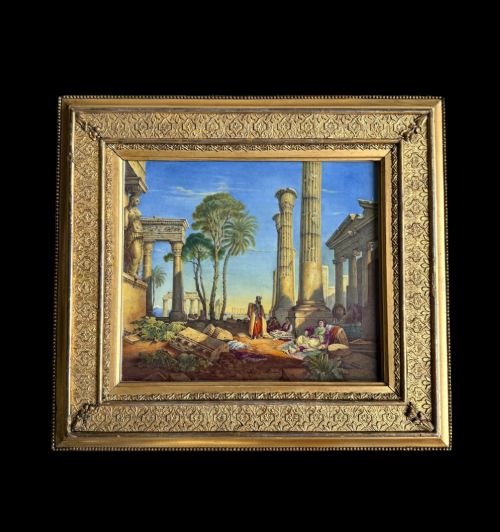
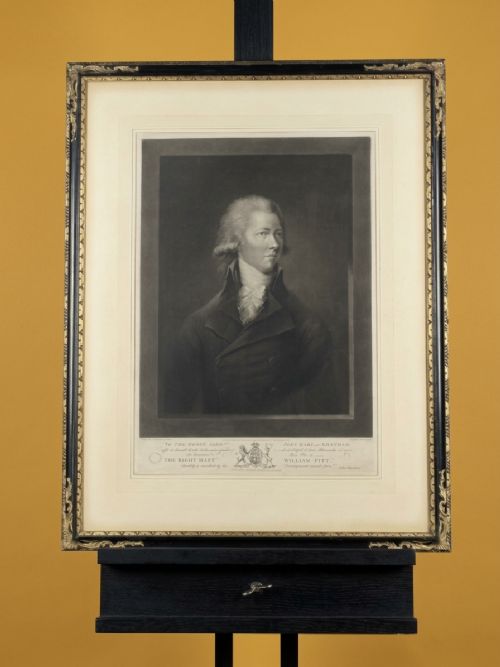
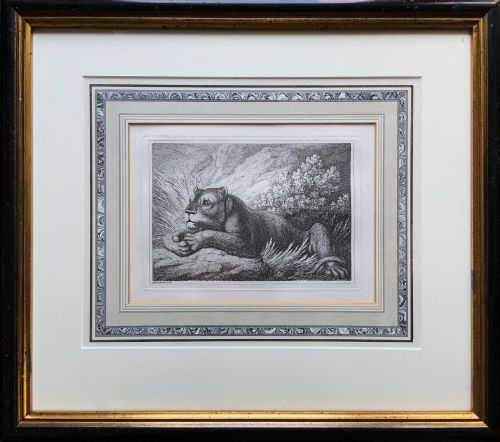
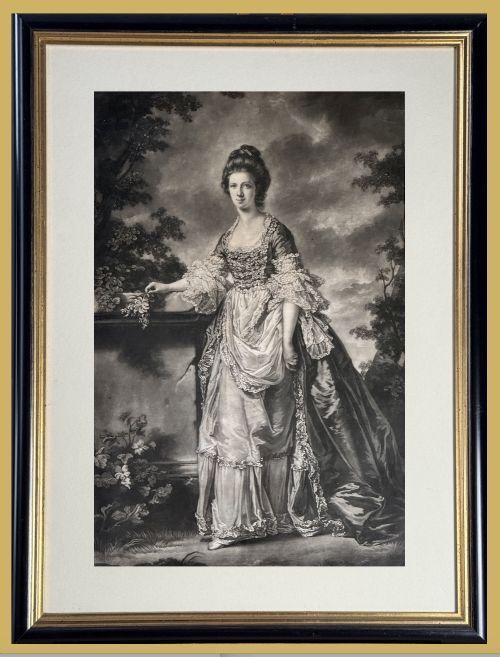
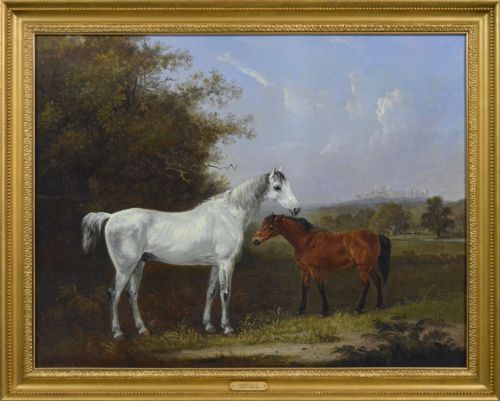
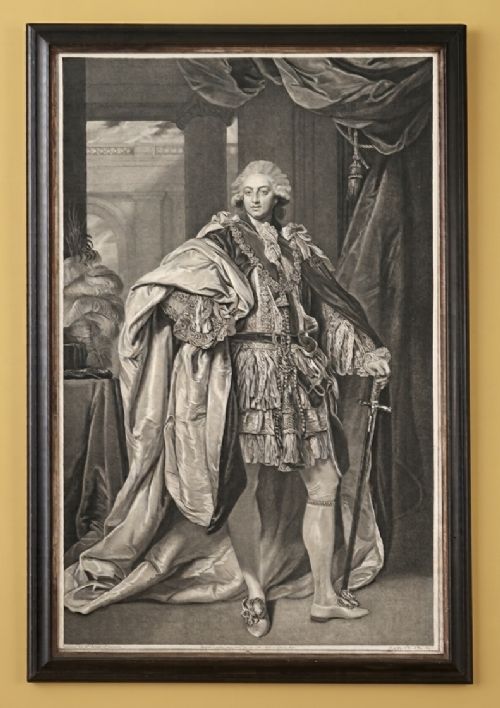
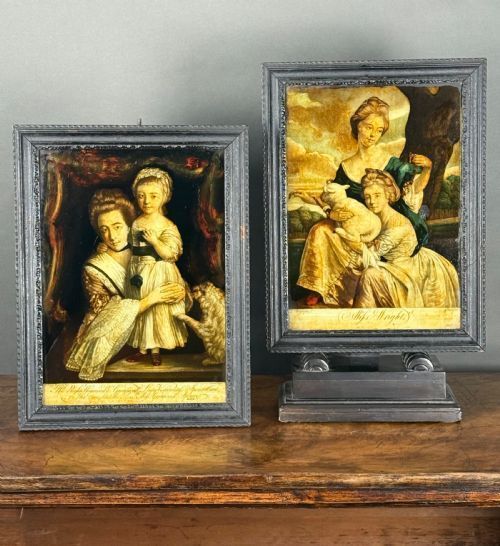
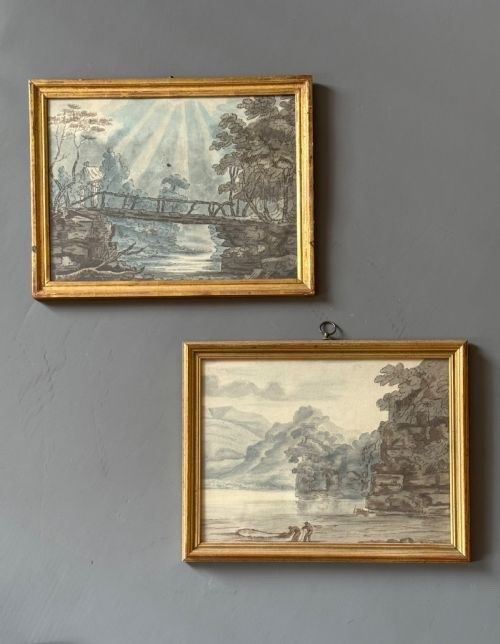
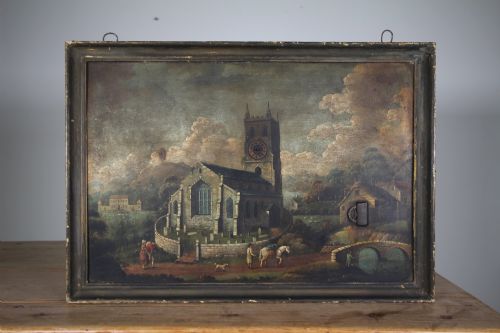
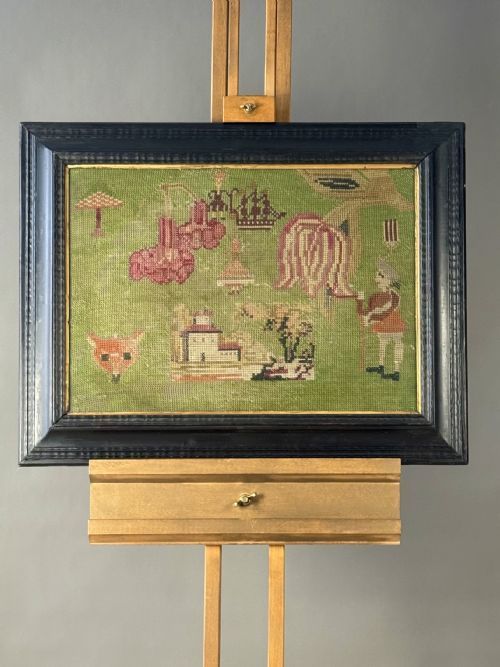
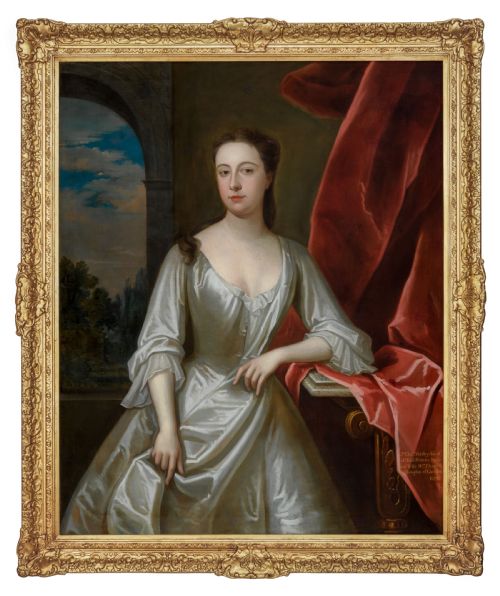
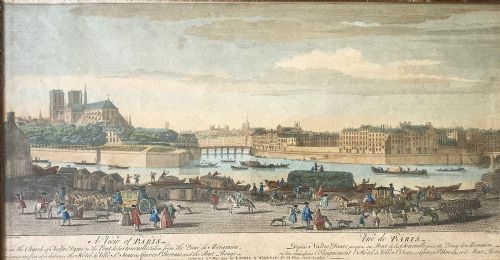
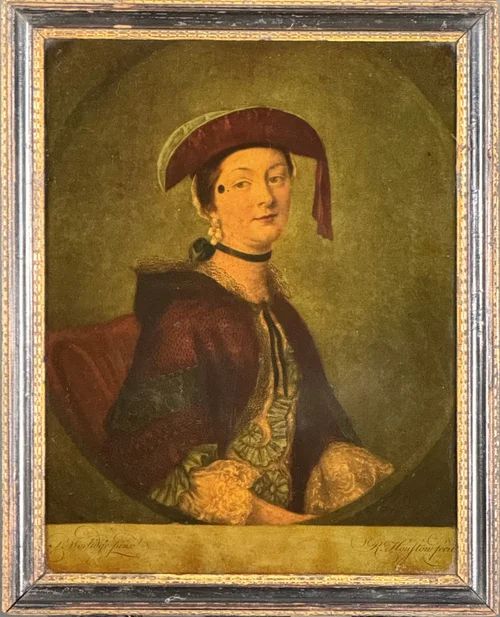
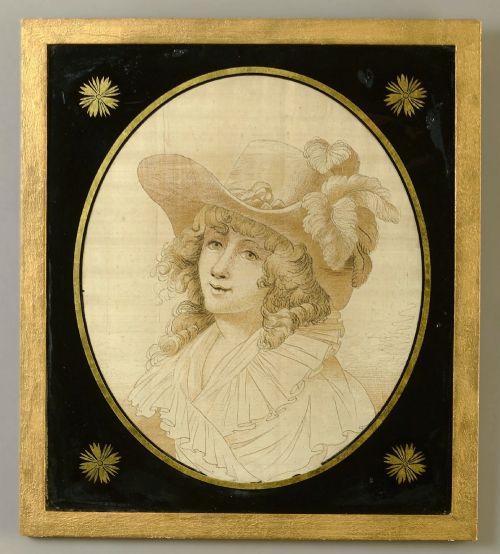
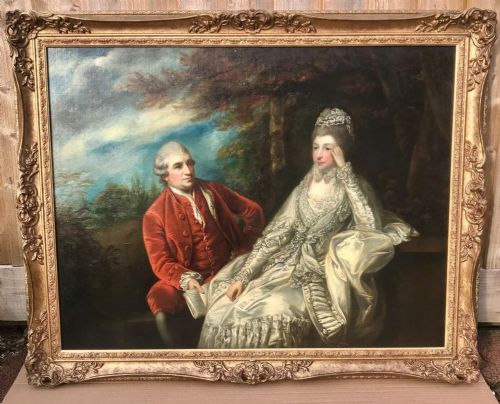
A georgian wall art picture encompasses oil paintings, delicate engravings, needlework samplers, and reverse glass mezzotints framed for domestic display. These pieces capture portraiture, classical scenes, and topographical views reflecting the aesthetic priorities of the period.
Materials and technique
Artisans employed oil on canvas or board, watercolour, gouache, and pastel, alongside hand-coloured copperplate engravings and stipple prints. Mezzotints were often painted or printed in reverse on glass and highlighted with colour.
Needlework and textile pictures utilised silk floss, woven silk, and wool worked meticulously onto linen or canvas grounds. Frames were constructed from timber such as rosewood and wood finished with gold leaf or black lacquer.
Listings include eighteenth-century engravings, Georgian silk samplers, and nineteenth-century oil paintings on canvas and board.
Judging quality
Quality rests in the crispness of the plate impression in engravings and the fineness of brushwork in oil or watercolour portraits. Superior textile works demonstrate intricate stitch control and sophisticated tonal blending in silk floss.
The relationship between the artwork and its housing matters significantly, as original period frames that retain their original gilding or glass elevate the integrity of the piece.
Sir Godfrey Kneller·Sebastiaan Vrancx·Charles Spooner·Joshua Reynolds·Benjamin Barker·Samuel Dixon·Augustin Edouart·Thomas Gainsborough·George Morland·George Romney
The Georgian Wall Art Picture Glossary
- Mezzotint
- A printmaking process where the copper plate is roughened to achieve rich dark tones and subtle gradations of light. This technique allowed printmakers to translate oil paintings into highly atmospheric monochromatic prints.
- Stipple engraving
- A method of engraving using dots of varying density to create soft tonal effects and flesh contours. It was widely utilised for portraiture during the Georgian era.
- Reverse glass painting
- An artwork painted directly onto the reverse side of a glass panel and viewed through the front. The technique protects the pigment and produces a glossy finish.
- Silk work
- A picture embroidered predominantly in silk threads on a silk or linen ground. These needlework pieces often depicted classical, pastoral, or memorial subjects.
- Basso-rilievo
- A low relief sculptural picture where figures project only slightly from the background plane. Samuel Dixon produced notable examples in papier-mâché and plaster.
Georgian Wall Art Picture: Frequently Asked Questions
How should I hang these framed works?
Hang these pictures away from direct sunlight to protect delicate watercolours, silk works, and hand-coloured prints from fading. Ensure the wall fixings match the weight of the original timber or giltwood frames.
Group smaller silhouettes, engravings, or enamel plaques together at eye level to create a balanced arrangement reminiscent of historic domestic interiors.
Are these works housed in original frames?
Many listings specify whether a piece retains its period frame, such as Hogarth mouldings, rosewood surrounds, or original giltwood. Original frames show age-appropriate wear that complements the artwork.
When a frame is described as period, it dates from the same era as the print, painting, or needlework it encloses.
What subjects were popular in this period?
Portraiture of fashionable society members, military heroes, and children dominated domestic walls alongside classical mythology and literary scenes. Landscapes, topographical views, and floral still lifes also enjoyed widespread popularity.
Needlework samplers frequently combined alphabets and moral verses with pastoral motifs and family memorials.
How do I distinguish an engraving from an oil painting?
Engravings feature inked lines transferred from a metal plate under pressure, often enhanced by hand-applied watercolour washes. Close inspection reveals the indentation of the plate mark around the printed image.
Oil paintings display textured brushstrokes and pigment layered directly onto canvas, wood panel, or board.