


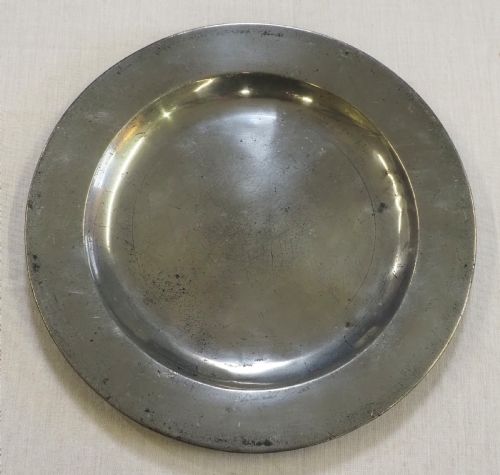

18th Century Metalwork
These pieces of 18th century metalwork encompass domestic items and scholarly objects shaped from brass, bronze, copper, and iron, offering functional utility and lasting decorative detail.
18th Century Metalwork
When searching for 18th century metalwork, collectors encounter a diverse range of domestic objects and ritual vessels shaped from materials including brass, bronze, copper, pewter, and wrought iron. The items recorded in the evidence span functional lighting devices, desk accessories, and hearth equipment alongside decorative figures and vessels originating from British, European, and Asian workshops.
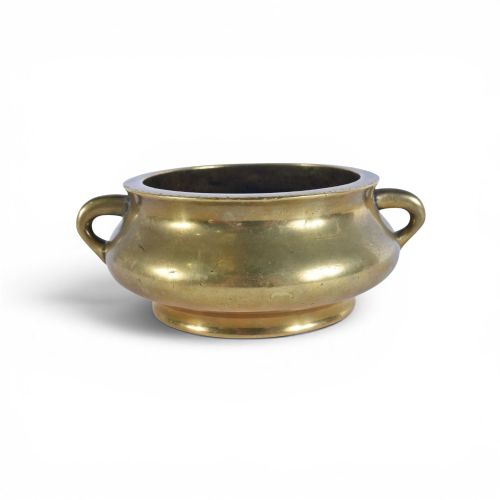
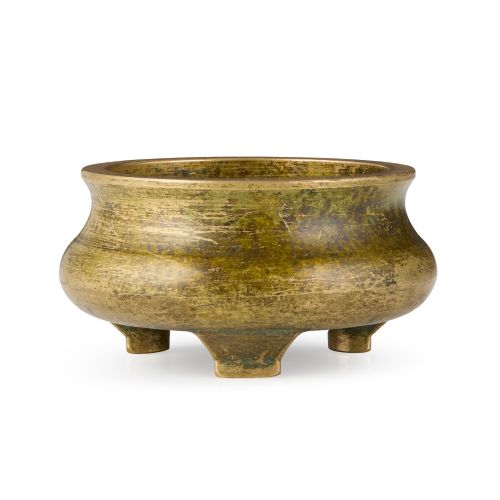
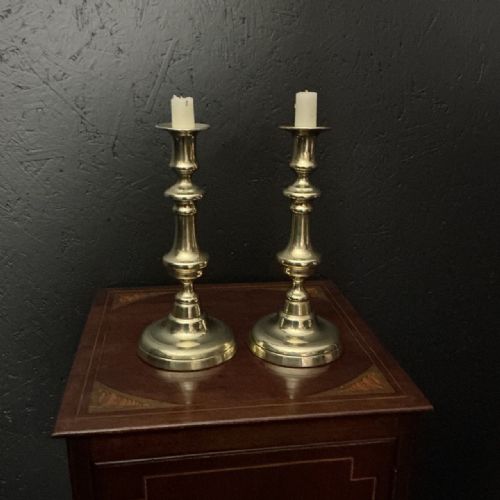
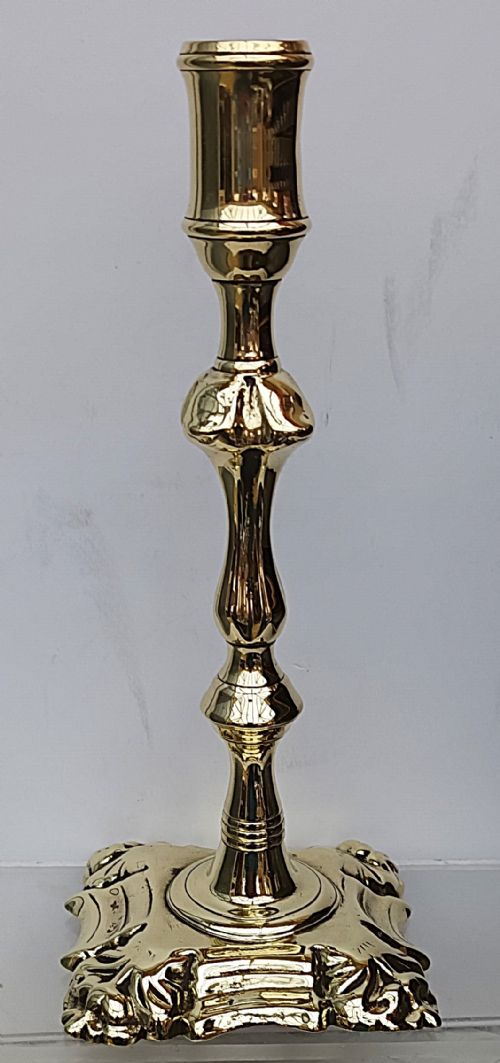
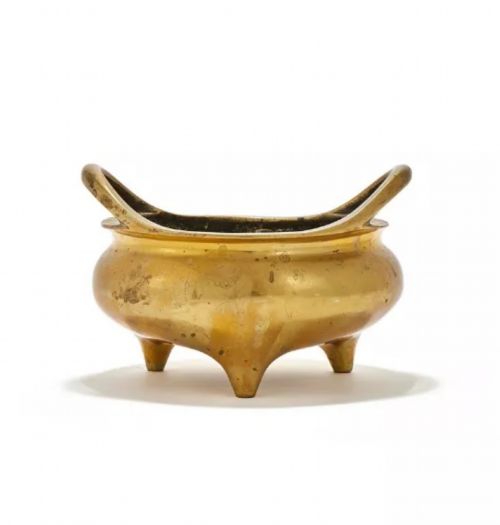
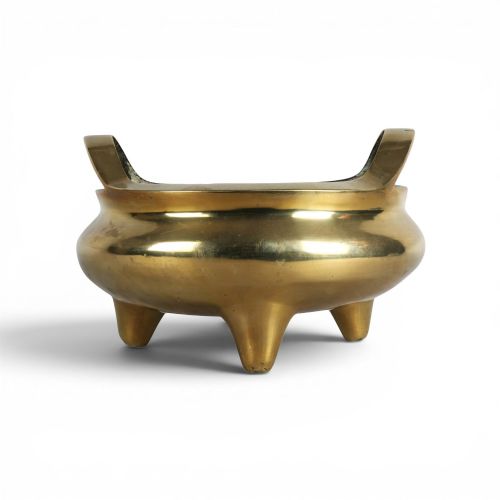
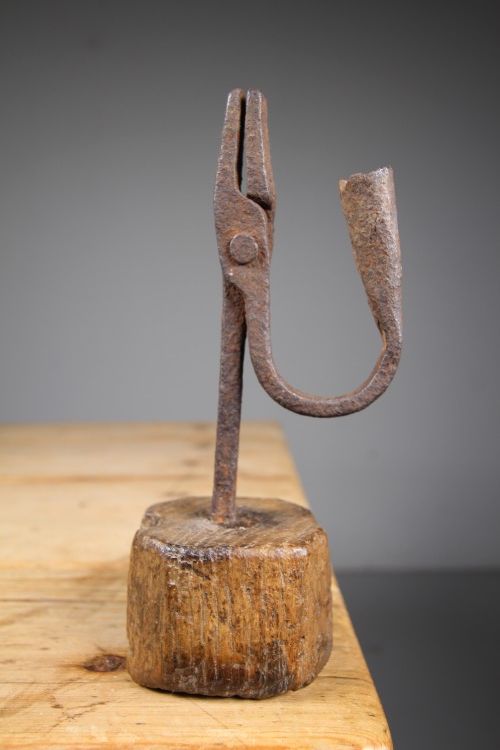
Domestic lighting forms a substantial part of the selection, featuring Georgian brass candlesticks, chamber candlesticks, and iron rushlights designed for household illumination. Alongside these practical items, scholar's studio pieces such as bronze tripods and incense burners appear frequently, reflecting the global reach of metalworking traditions during this period.
Distinctions in quality
Quality in these pieces rests upon the crispness of the cast detail, the integrity of construction, and the preservation of original surfaces. Objects displaying sharp chasing on bronze ornaments or well-defined workshop marks indicate higher standards of production.
The survival of original components, such as ejector mechanisms in candlesticks or matching stands for incense burners, distinguishes superior examples. Weight and balance also separate robust utilitarian vessels from lighter, purely decorative items.
Listings feature items from the 17th, 18th, and 19th centuries, incorporating British, European, Chinese, Japanese, and Persian origins.
Richard King of London·John Hoyland·Wu Bangzuo·Biron Paris
The 18th Century Metalwork Glossary
- Ormolu
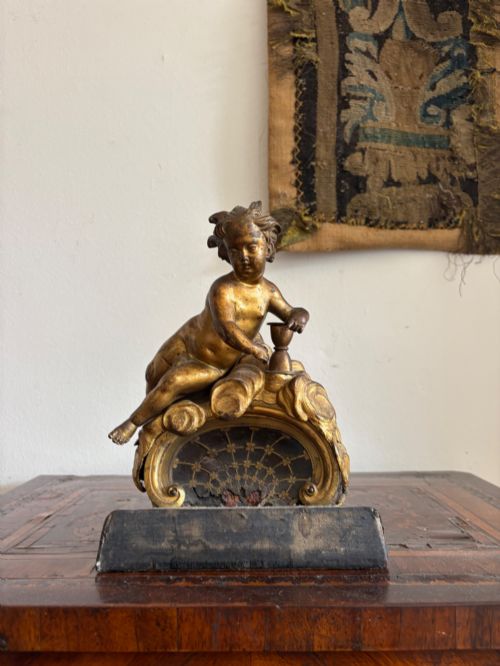
- Gilded bronze used for decorative mounts and furniture ornaments during the eighteenth century. This technique involved applying a mercury and gold amalgam to a bronze base before heating.
- Tripod censer
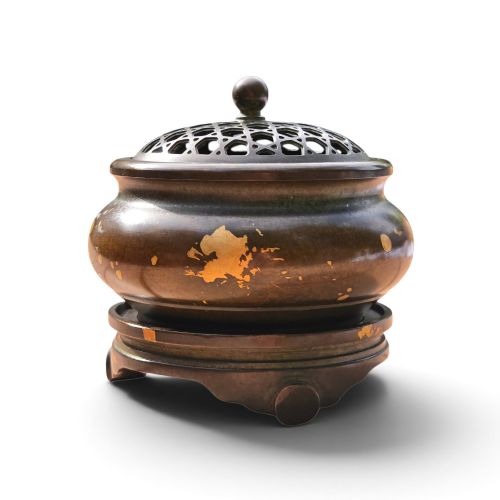
- A three-legged vessel utilised for burning incense in scholarly and ritual contexts. These items often feature cast marks on the base.
- Rushlight
- A domestic lighting device holding a dried rush stem in iron jaws for illumination. These holders represent practical household engineering from the period.
- Paktong
- A copper-nickel-zinc alloy originating in China and imported to Europe for high-end metalwares. It resembles silver and was used for items like chamber candlesticks.
18th Century Metalwork: Frequently Asked Questions
What was a brass divit used for?
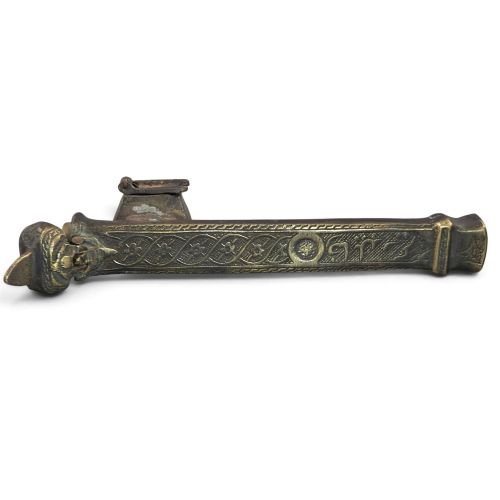
A brass divit functioned as a portable writing case and inkwell used by scribes and travellers in the Middle East and surrounding regions.
These fitted containers held reed pens and ink, allowing practitioners to write documents while away from a fixed desk.
How do you date brass candlesticks?
Dating brass candlesticks involves examining the base construction, socket design, and manufacturing methods like casting seams.
Earlier examples often feature heavy octagonal bases and distinct component parts, while later Georgian pieces show refined ejection mechanisms.
What is paktong metal?
Paktong is a traditional Chinese alloy composed of copper, nickel, and zinc that mimics the appearance of silver.
European makers valued this material for producing luxury domestic items such as chamber candlesticks and tea wares during the eighteenth century.