




18th Century Marquetry Cupboard
An 18th century marquetry cupboard brings botanical veneers and rich timber grains into a room, offering both display and secure storage.
18th Century Marquetry Cupboard
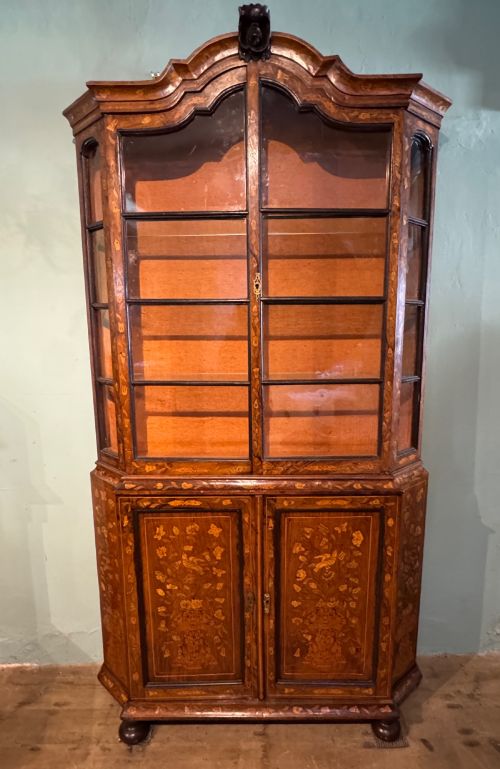
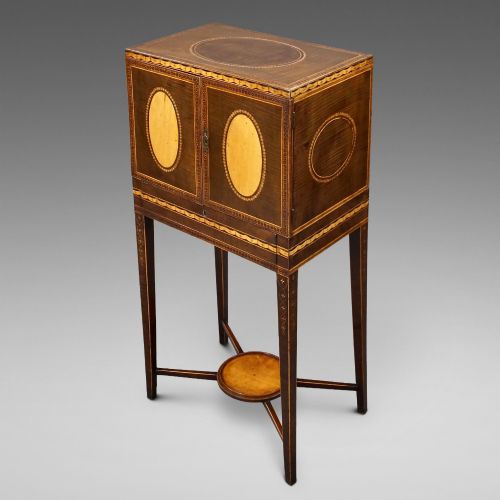
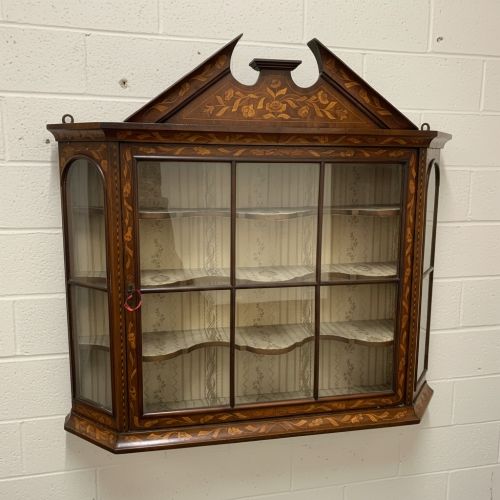
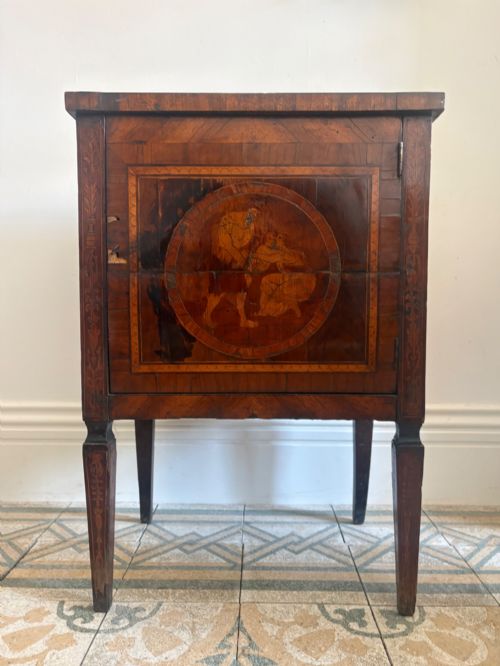
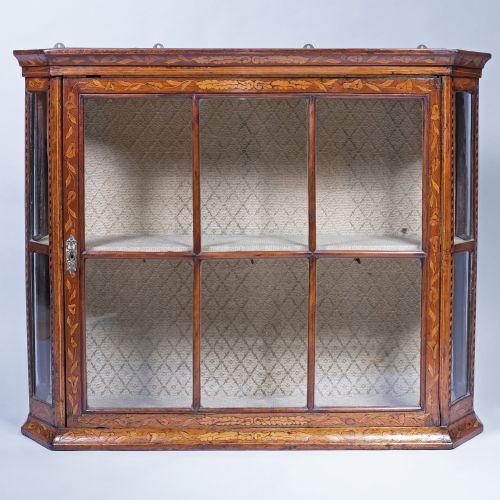
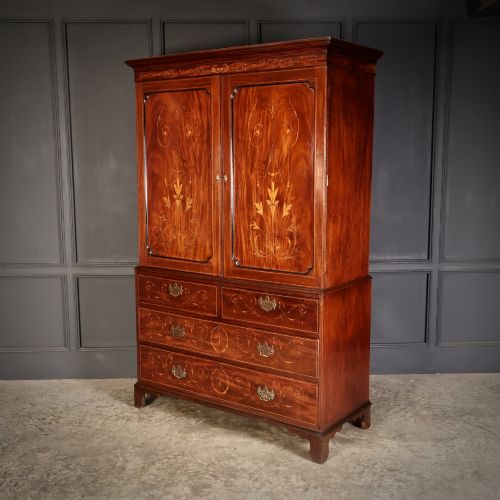
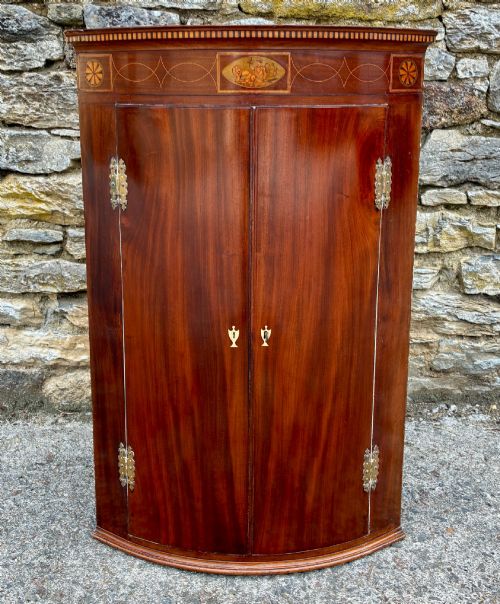
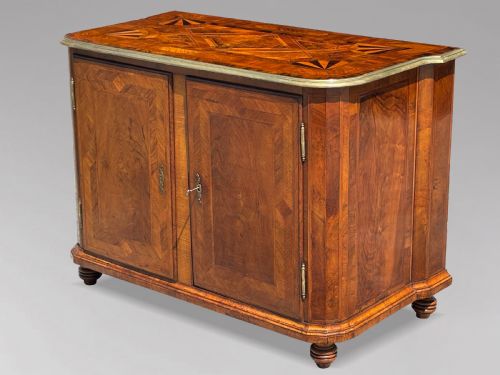
An 18th century marquetry cupboard encompasses a diverse range of forms designed for storage and display, appearing frequently as corner cabinets, wall cabinets, linen presses, and commodes. These pieces trace their origins to regional workshops across England, the Netherlands, France, Italy, and Germany, reflecting distinct local tastes in timber selection and decorative composition.
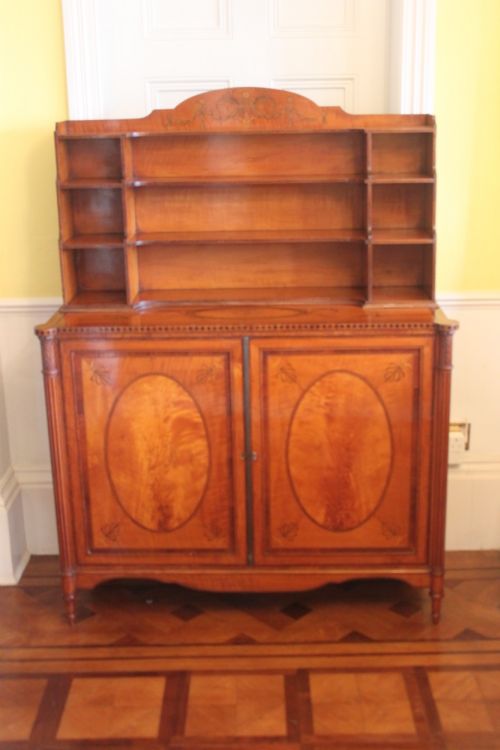
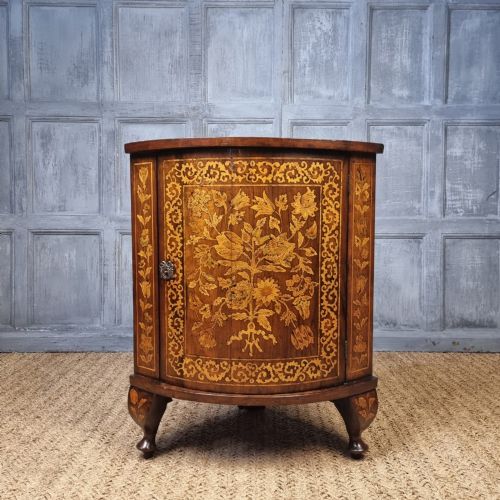
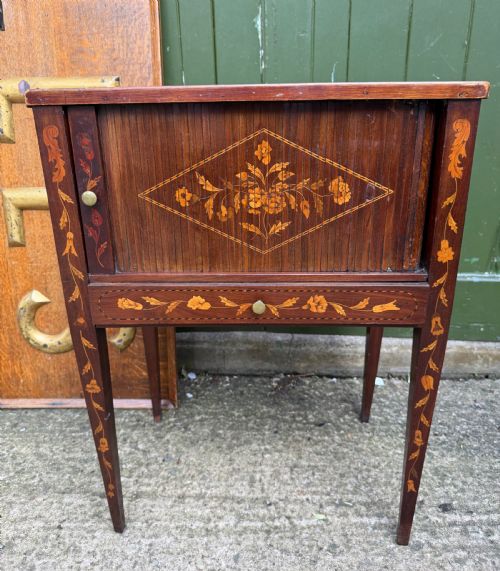
Buyers browsing this selection will encounter numerous examples originating from Dutch workshops, often constructed from walnut and heavily embellished with floral and avian inlay. Alongside these, English Georgian pieces in mahogany or satinwood and French designs featuring tulipwood or kingwood regularly appear within the listings.
Assessing craftsmanship and visual harmony
The distinction between average and exceptional pieces rests upon the precision of the veneer work and the artistry of the inlay composition. Master artisans achieved seamless junctions between disparate timber species, maintaining crisp lines within complex floral or architectural motifs without excessive reliance on filler.
Proportion and structural integrity further define the standing of a piece, as superior examples retain their original carcase depth, balanced door alignment, and uncompromised drawer linings. The depth of the timber's patina and the harmonious ageing of the various fruitwood veneers also dictate the visual impact of the cabinet.
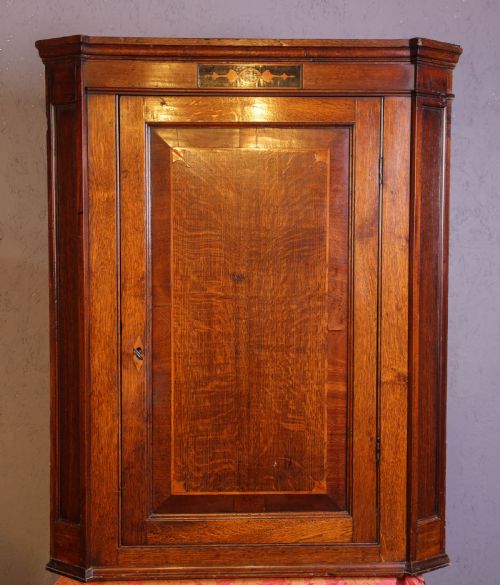
The listings combine oak, walnut, and mahogany carcases with decorative inlays of satinwood, harewood, and fruitwood across the Georgian and 18th century periods.
Leonard Boudin
The 18th Century Marquetry Cupboard Glossary
- Marquetry
- Decorative veneer work formed by fitting together small pieces of wood, bone, or ivory to create pictorial or geometric patterns on a carcase. This technique differs from parquetry through its use of figurative and curvilinear designs rather than geometric repeating tiles.
- Veneer
- A thin layer of figured timber applied to a secondary structural wood to provide a decorative exterior surface. High quality examples utilise thick slices that age evenly with the underlying frame.
- Commode
- A low standing cabinet or chest of drawers introduced during the eighteenth century for domestic storage. These pieces frequently feature serpentine or bow fronts and elaborate fruitwood inlays.
- Linen Press
- A tall wardrobe or cabinet traditionally utilised for storing folded garments and household linens upon internal sliding trays or shelves. The upper section often encloses press shelves while the lower portion contains functional drawers.
- Patina
- The surface sheen and tonal depth acquired by aged wood through decades of handling, polishing, and exposure to light. This quality cannot be replicated artificially and serves as an indicator of genuine age.
18th Century Marquetry Cupboard: Frequently Asked Questions
What rooms suit an 18th century marquetry cupboard?
These cabinets adapt well to principal living spaces, dining rooms, and hallways where their decorative veneer work can be appreciated closely. Corner models utilise neglected angles efficiently, whilst wall-mounted variants preserve floor space.
Larger linen presses and armoires function effectively in bedrooms or dressing rooms, offering substantial enclosed storage for contemporary belongings while maintaining a historic focal point.
How should I care for walnut and fruitwood veneers?
Maintaining these surfaces requires stable environmental conditions, keeping timber away from direct heat sources and strong sunlight that can fade delicate fruitwood inlays. Regular dusting with a dry, soft cloth prevents particulate accumulation.
Applying traditional beeswax sparingly helps nourish the old timber and maintain the natural patina without sealing the pores. Avoid using modern silicone-based sprays, which can penetrate historic finishes and damage the underlying glues.
How do I distinguish Dutch marquetry from English Georgian styles?
Dutch marquetry pieces generally display dense, elaborate floral and urn motifs executed across the entire carcase in contrasting fruitwoods and walnut. The overall forms tend to be robust, occasionally featuring bombé shaping or prominent cornice hoods.
English Georgian furniture typically employs marquetry more sparingly, reserving inlay for specific focal points like drawer fronts, tabletops, or oval patera on mahogany and satinwood structures. The silhouettes adhere to more restrained neoclassical or Sheraton proportions.
Can I use a corner cabinet for modern display?
Glazed corner cabinets provide secure internal shelving that works exceptionally well for exhibiting ceramics, glassware, or small collections. The enclosed glass doors protect fragile items from dust while allowing full visibility.
Solid-door variants serve equally well for concealing modern electronics, books, or tableware when domestic storage requires a discreet solution. The internal depth of eighteenth-century models accommodates most everyday items comfortably.