





18th Century Library Desk
These pieces for an 18th century library desk collection bring genuine period utility and substance to a study, offering classic forms for serious writing and reading.
18th Century Library Desk
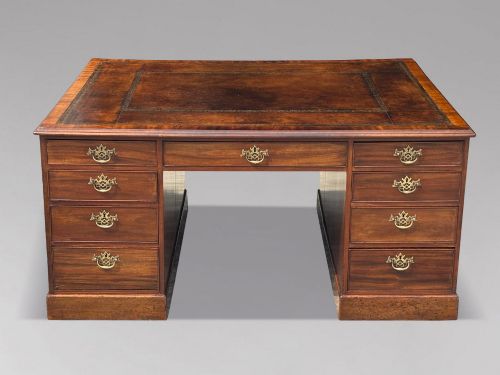
An 18th century library desk encompasses substantial partners desks, pedestal writing tables, kneehole desks, and architectural writing tables designed for scholarly work. The items catalogued here span periods from George II and George III through to later interpretations, reflecting the evolving domestic requirements of Georgian interiors.
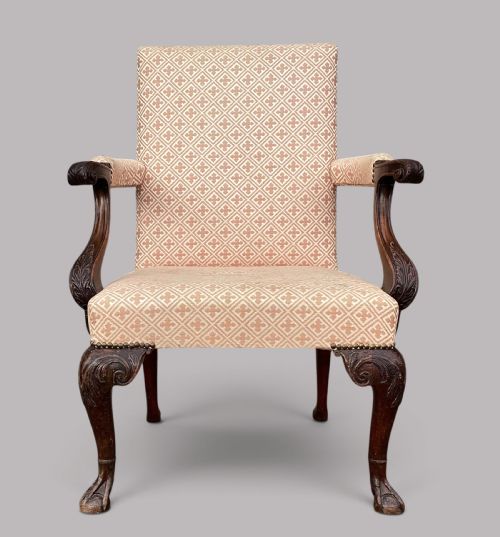
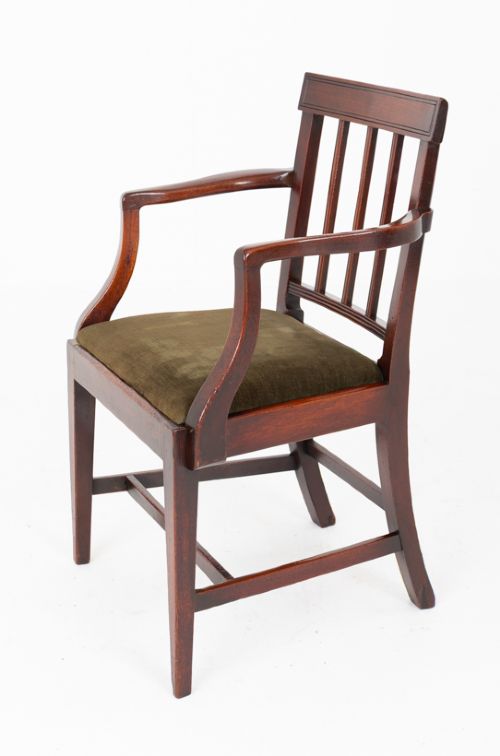
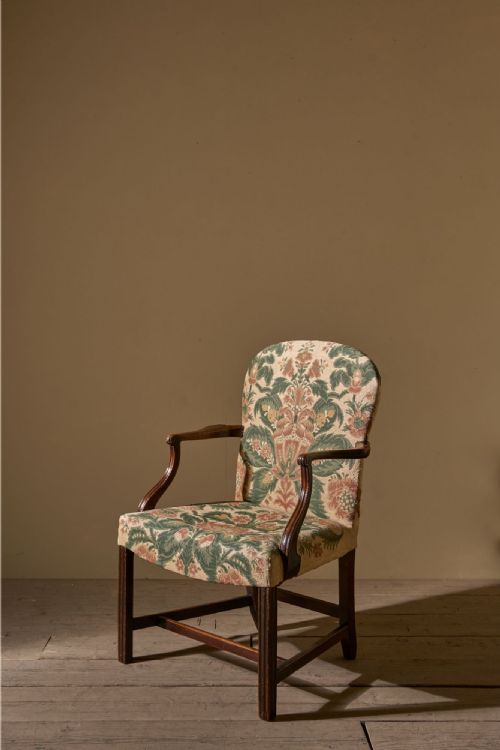
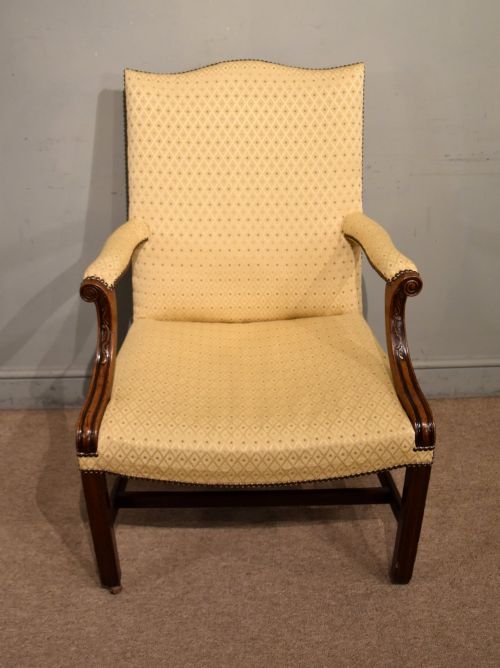
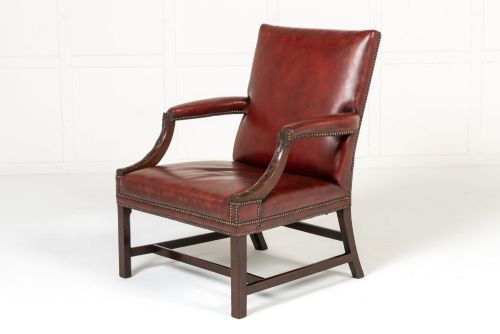
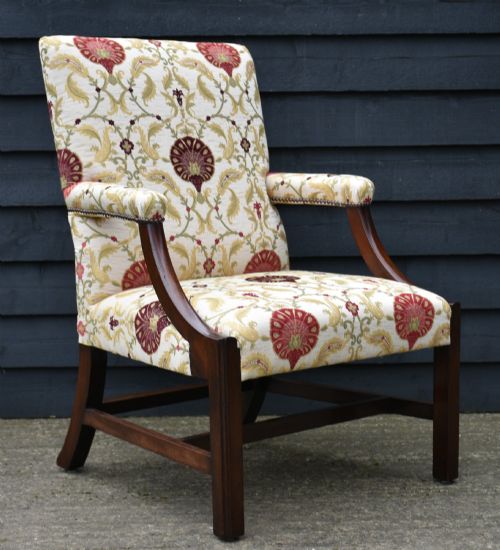
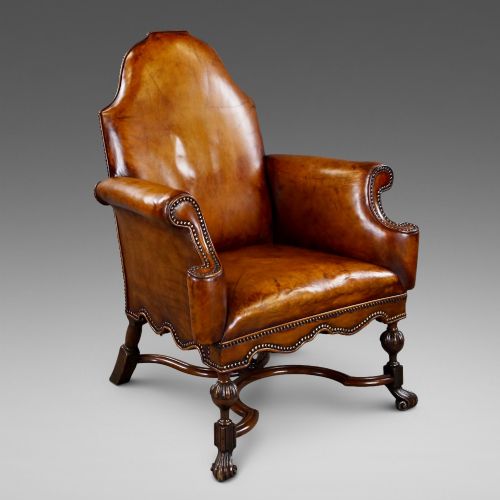
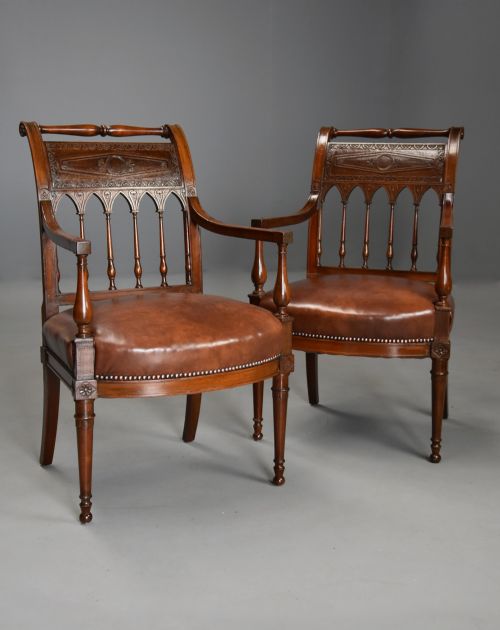
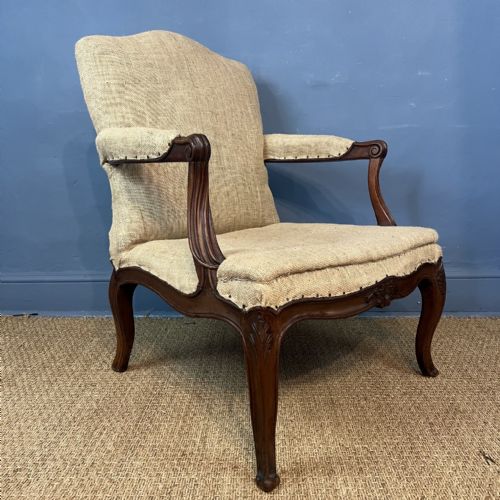
Alongside major writing tables, buyers encounter associated seating such as Gainsborough armchairs upholstered in leather and fabric, together with specialised library furniture including drum tables, rent tables, and reading stands. These pieces originate primarily from English and European workshops, utilising the substantial forms characteristic of the era.
Materials and Construction
Cabinet makers constructed these pieces principally in solid mahogany, walnut, and satinwood, frequently selecting figured timbers for visually prominent surfaces. Structural integrity relied on traditional joinery methods suited to heavy daily use in private libraries and studies.
Working surfaces incorporated inset leather or velvet inserts, bordered by subtle tooling. Brass hardware, including drop handles, castors, and adjustable reading mechanisms, completed the functional elements of the desks and tables.
Gradations in Quality
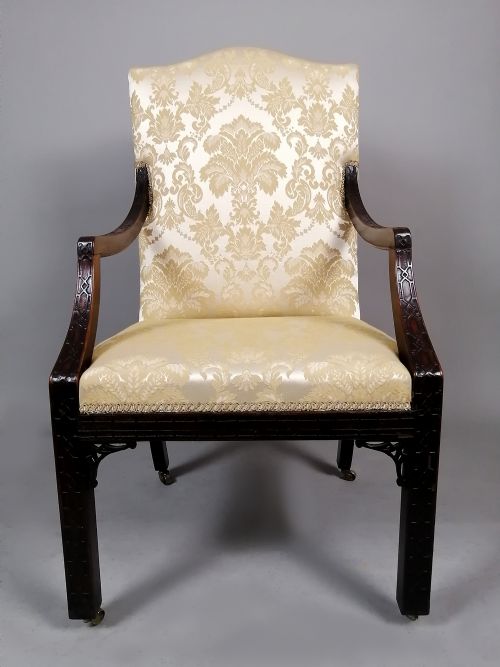
The degree of refinement in carved mahogany details, such as Chinese Chippendale or Gothic fretwork on chair arms and desk friezes, separates standard items from exceptional examples. Timber selection also dictates overall merit, with highly figured mahogany and matched satinwood veneers indicating superior craftsmanship.
Proportion and original operational components, such as working mechanical adjustments on reading stands and architects tables, define the higher tiers of surviving pieces. Integrity of secondary timbers and the retention of period brassware further distinguish the better items.
W. Priest
The 18th Century Library Desk Glossary
- Gainsborough armchair
- A wide, upholstered mahogany armchair with open padded arms, designed specifically for writing desks in the mid 18th century. These chairs feature substantial seat widths to accommodate period fashion.
- Partners desk
- A large pedestal desk built with identical drawer configurations on both sides, allowing two people to work face to face. These pieces represent the heavier end of library furniture.
- Kneehole desk
- A compact writing table featuring a central recess flanked by pedestals of small drawers. This form became popular during the Georgian period for smaller studies.
- Drum table
- A circular library table fitted with a rotating top containing alternating drawers and dummy drawers around the circumference. They typically stand on a central pillar with splayed legs.
- Rent table
- A specialised revolving table with labeled drawers used by estate managers to collect rents and record transactions. They share the circular format of drum tables.
18th Century Library Desk: Frequently Asked Questions
How do I identify a genuine period partners desk?
Examine the configuration of drawers on both sides of the pedestal base, as genuine partners desks provide functional storage space for two simultaneous users.
Check the secondary timbers inside the drawer linings and beneath the top boards to confirm period construction methods and materials consistent with 18th century cabinet making.
What is a Gainsborough chair used for?
These open armchairs were built specifically for seating at large writing desks and library tables during the Georgian era. The wide proportions accommodated heavy garments and hooped skirts of the period.
They function today as desk chairs or occasional seating in studies, combining upholstered comfort with structural timber frames.
How do I care for leather desk inserts?
Protect the leather surface from direct sunlight and excessive heat to prevent the material from drying out or cracking over time. Dust gently with a dry cloth.
Apply professional leather balms sparingly to maintain suppleness, avoiding harsh modern cleaning chemicals that can strip traditional hand-tooled gold leaf borders.
What distinguishes a rent table from a drum table?
Rent tables feature internal lettering on the drawers to sort financial documents and estate papers by category or day. Drum tables use standard drawers without specialised administrative labels.
Both share a circular rotating top supported on a central pillar, but their intended functional use within a large estate library differed significantly.
How can I tell George II from George III furniture?
George II pieces, produced roughly between 1727 and 1760, frequently display heavier proportions, bold carved shell motifs, and substantial walnut or early mahogany usage.
George III pieces, spanning from 1760 to 1820, reflect lighter neoclassical influences, sleeker lines, and the widespread adoption of refined mahogany, satinwood, and sophisticated inlay.