


18th Century Kettle
An 18th century kettle is a utilitarian or decorative vessel for heating water, sought after by collectors for its period hearth presence and fine mahogany or copper construction.

18th Century Kettle
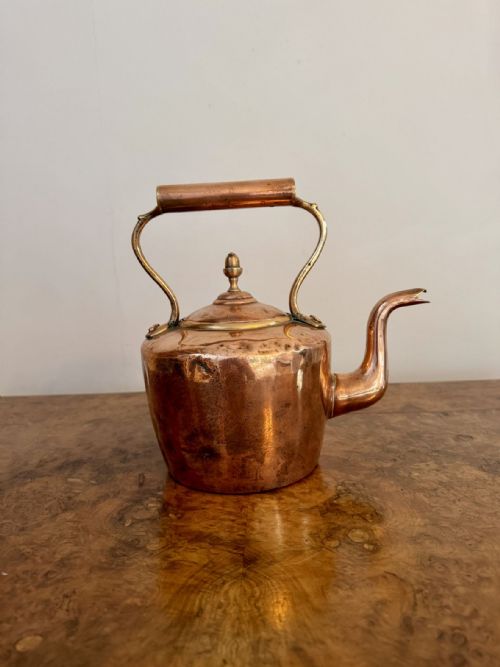
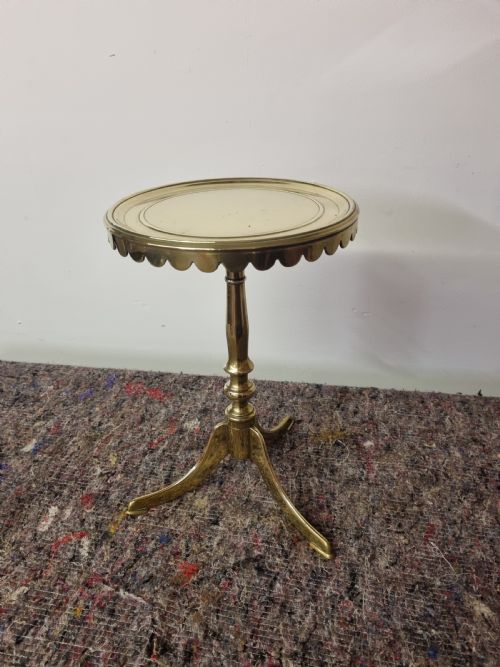
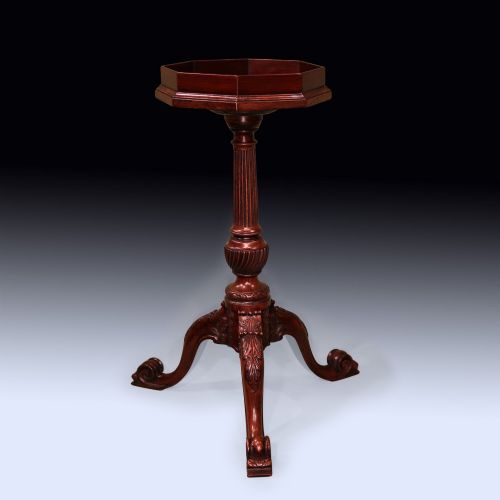
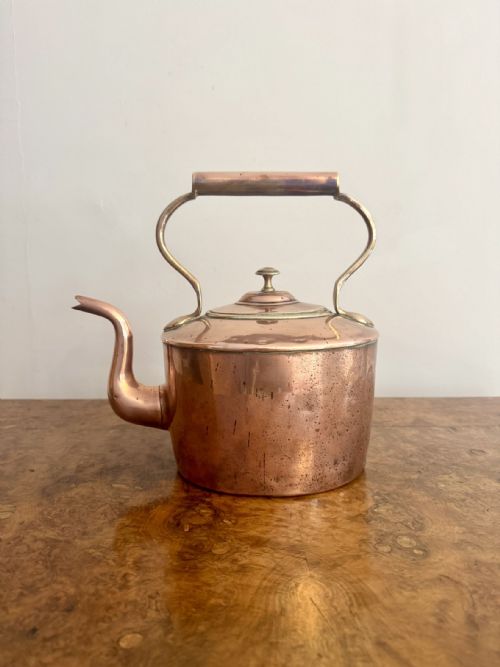
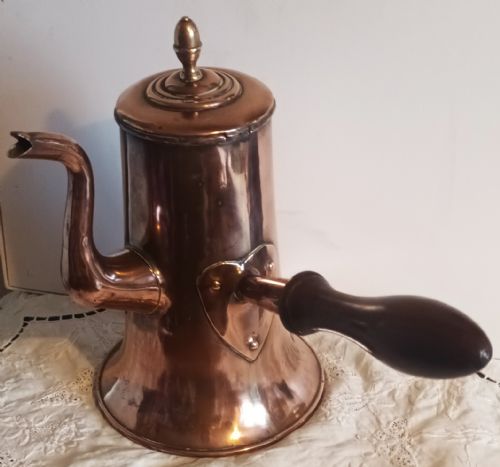
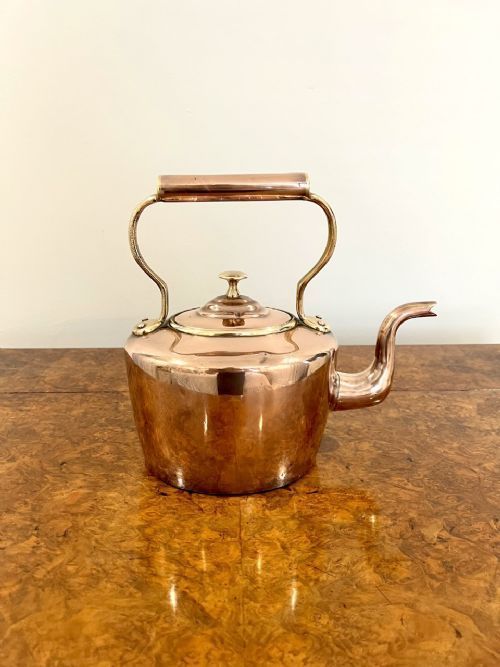
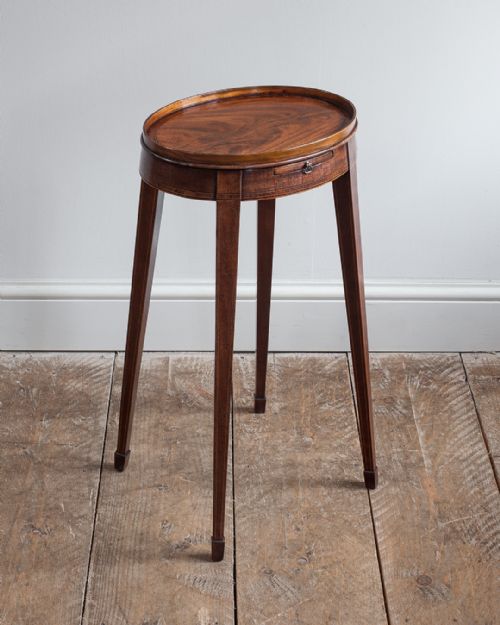
When searching for an 18th century kettle, a buyer encounters a diverse group of objects spanning copper water vessels, hearth accessories, and dedicated mahogany furniture designed to hold them. The most common versions met on this page are George III copper water kettles alongside mahogany kettle stands and tripod urn tables.
The material evidence bridges domestic fireside metalwork and refined parlour furniture. Pieces originate from the Georgian period, encompassing George II, George III, Chippendale, and Sheraton styles, reflecting both kitchen utility and drawing room display.
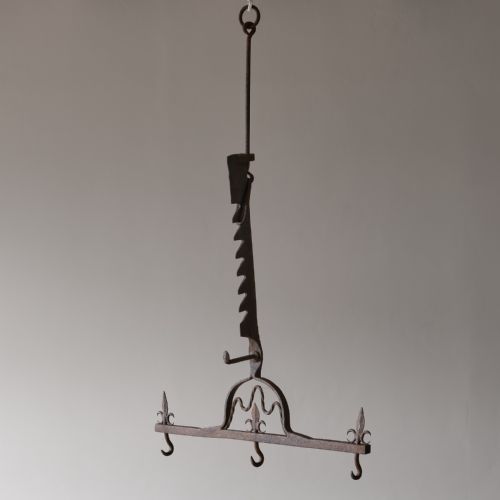
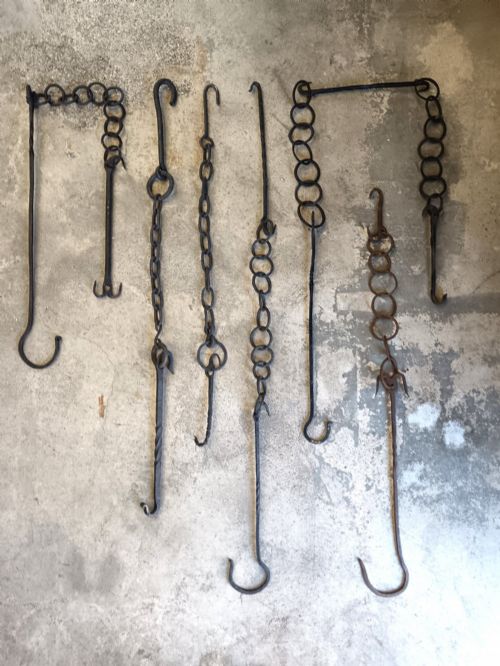
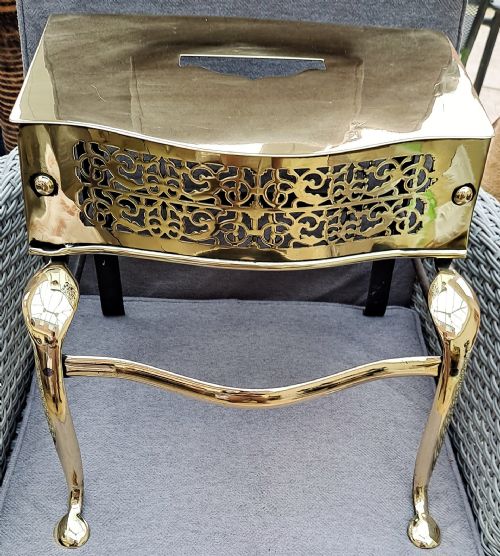
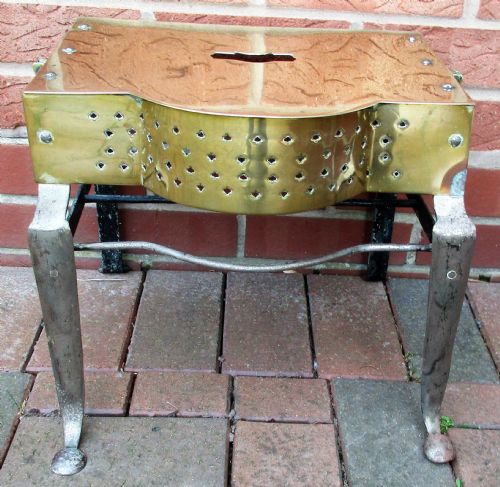
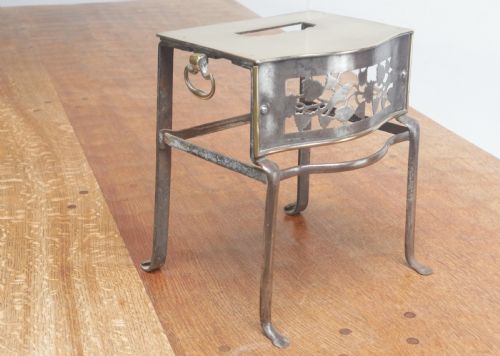
Beyond actual metal kettles, the selections include brass footmen, wrought iron chimney hooks, and wooden stands that served the tea equipage of the period. This mix demonstrates how water heating and tea service involved an entire suite of complementary hearth and table items.

Materials and construction methods
Copper and brass dominate the metal vessels, shaped by hand-forging and sheet construction, while footmen combine brass and steel for durability near the hearth. Wrought iron appears in robust fireplace accessories like chimney trammel hooks and jacks.
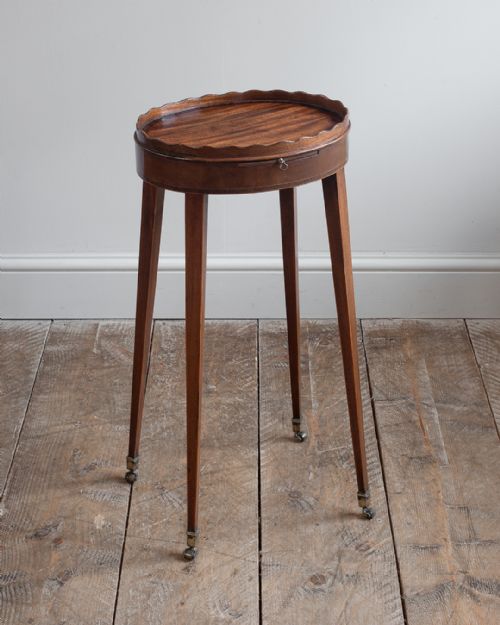
Mahogany and satinwood define the wooden stands, utilising carved details, tripod supports, and occasionally piecrust or oval tops. Cabinetmakers applied turning, joinery, and fine carving to create stable surfaces for heavy liquid containers.
Listings feature mahogany, copper, brass, wrought iron, steel, and oak across periods spanning the Georgian era into the nineteenth century.
Distinctions in quality and execution
Quality in these pieces rests upon the crispness of the cabinetmaker's carving on mahogany stands or the integrity of the hand-beaten seams on copper vessels. Superior examples display balanced proportions, authentic period timber selection, and well-executed joinery without undue modern intervention.
The distinction between ordinary utility items and finer parlour pieces lies in decorative refinement, such as the presence of Chinese Chippendale fretwork, distinct tripod dish tops, or substantial gauge copper paired with cast brass elements.
William Soutter And Sons
The 18th Century Kettle Glossary
- Footman
- A metal stand placed in front of a fireplace to keep food or water warm. These brass and steel items sat directly by the hearth.
- Kettle stand
- A small occasional table designed to hold a tea kettle near the fireplace or tea table. They often feature mahogany tripod bases and dished tops.
- Trammel hook
- An adjustable wrought iron hook used in chimneys to hang pots and kettles at varying heights over the fire. They belong to the broader category of fireplace accessories.
- Urn stand
- A small table specifically made to support a heated water urn or kettle during tea service. These often share forms with mahogany kettle stands.
- Piecrust top
- A raised, carved table edge shaped in undulating curves resembling pastry work. This decorative feature appears on select mahogany stands.
18th Century Kettle: Frequently Asked Questions
What is an 18th century kettle stand?
A kettle stand is a small occasional table designed to hold a tea kettle or urn securely during the tea service. These tables typically feature timber construction such as mahogany with tripod bases.
They allowed hosts to keep hot water close at hand in the parlour rather than fetching it constantly from the kitchen. Many examples mirror the prevailing decorative styles of their era, including Chippendale and Sheraton designs.
How were copper kettles used?
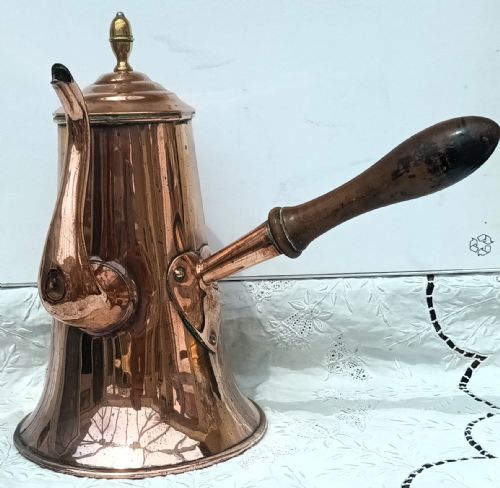
Copper kettles were placed near or over hearth fires to heat water for tea and domestic tasks. Their metal construction conducted heat efficiently.
Over time, these vessels transitioned from purely functional kitchen equipment to valued display items. Their hand-beaten construction reflects the metalworking techniques of the period.
What is a brass footman?
A footman is a low metal stand made of brass and steel placed directly in front of the hearth. It served to keep kettles, pots, or dishes warm before serving.
These accessories formed an essential part of Georgian fireplace equipment. Their polished brass fronts added a decorative sheen to the fireside.
How do I identify a George III stand?
George III stands are identified by their characteristic mahogany timber, tripod legs, and stylistic details like square tops or dished edges. Cabinetmakers of this reign favored balanced proportions and classical carving.
Comparing the turned columns and foot styles helps distinguish these pieces from later nineteenth-century reproductions. The integration of styles like Chinese Chippendale further dates specific pieces.