




18th Century Jewellery Box
An 18th century jewellery box is a compact repository of personal treasures, valued for its fine cabinetwork and period character.
18th Century Jewellery Box
When you search for an 18th century jewellery box, you encounter a diverse array of small containers including miniature chests of drawers, table caskets, and travelling cabinets. These pieces were designed to securely house precious ornaments, trinkets, and personal valuables upon a dressing table or desk.
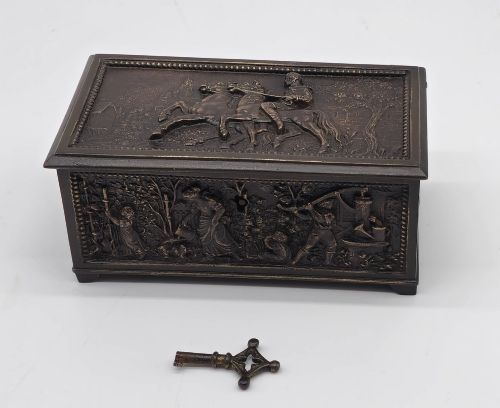
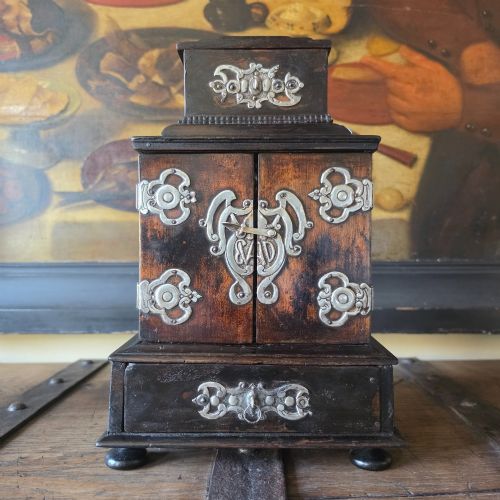
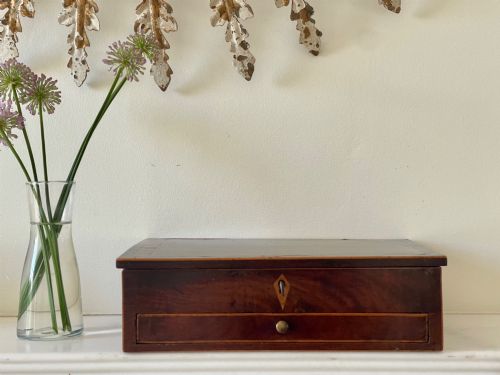
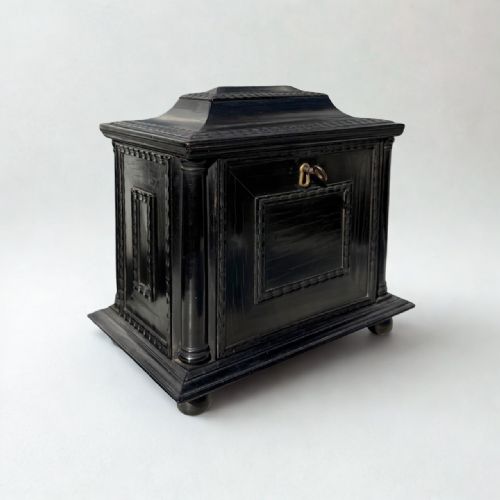
The selection here encompasses various regional interpretations and stylistic influences, from Georgian mahogany table boxes to intricate Spanish walnut and Flemish ebony caskets. Miniature furniture forms, such as Welsh oak coffor bach and Dutch apprentice chests, also serve this protective storage purpose.
Materials span native hardwoods like oak, walnut, and elm alongside exotic veneers, lacquerwork, and tortoiseshell mounted in silver gilt. Each form reflects the domestic habits of the Georgian era and the refined craftsmanship demanded by wealthy patrons.
Materials and construction methods
Cabinetmakers utilised dense timbers such as mahogany, walnut, oak, and rosewood, often applying decorative veneers or parquetry to visible surfaces. Flame mahogany and satinwood provide distinct grain patterns, while specialised examples incorporate tortoiseshell, enamel, and hand-painted porcelain panels.
Construction relied on precise joinery, including dovetail joints for drawer construction and pegged frames for miniature chests. Surface ornamentation involved elaborate techniques such as penwork decoration, Chinoiserie lacquer, and fine wood inlay to achieve textural and visual depth.
Materials represented across the selection include solid walnut, flame mahogany, tortoise shell, lacquer, satinwood, and hand-painted Meissen porcelain.
Assessing quality and craftsmanship
Quality rests upon the selection of timber and the precision of the cabinetmaker's joinery. Superior boxes display tightly fitted dovetails, well-matched veneer grains, and original brass hardware that integrates harmoniously with the primary material.
The refinement of surface decoration distinguishes exceptional pieces from standard utilitarian containers. Finely executed hand-painted scenes, intricate parquetry, and well-preserved lacquer or penwork indicate superior workshop execution and greater artistic investment.
The 18th Century Jewellery Box Glossary
- Coffor bach
- A small Welsh chest traditionally used for storing valuables or linen. These miniature receptacles mirror the construction of larger blanket chests.
- Parquetry
- Geometric mosaic woodwork formed from small veneer tiles arranged in repeating patterns. It decorates the exterior surfaces of high-status caskets.
- Penwork
- Decorative surface technique using ink to draw fine, detailed designs upon wood or gesso before varnishing. English cabinetmakers applied this method to create intricate pictorial table cabinets.
- Tortoiseshell
- Translucent material derived from the shell of certain turtle species, applied as veneer. It often receives foil backing to enhance its mottled amber and brown figuring.
- Vinaigrette
- A small ornamental box featuring an internal pierced grille, designed to hold a sponge soaked in aromatic vinegar. These containers were carried to counter unpleasant odours.
18th Century Jewellery Box: Frequently Asked Questions
What did they store inside?
These boxes held precious rings, necklaces, loose gemstones, and personal trinkets belonging to wealthy individuals. Their compartmentalised interiors kept delicate items separated and protected.
Some specialised variants accommodated cosmetics, small grooming implements, or scented vinegars for personal use throughout the day.
How do I care for wood?
Keep wooden boxes away from direct sunlight and sudden temperature shifts to prevent the timber and delicate veneers from splitting. Maintain a stable indoor environment and dust gently with a dry, soft cloth.
Avoid applying modern silicone polishes, which can degrade historic polished surfaces and accumulate within intricate carved or inlaid details.
Are keys usually included?
Original working keys are uncommon because locks were frequently misplaced over centuries of use. Many surviving boxes retain their original escutcheons and lock mechanisms even when the key has been lost.
A lack of a key does not diminish the historical integrity or decorative appeal of a period cabinet.
How are periods identified?
Dating relies on observable construction techniques, timber choices, and stylistic traits associated with specific reigns such as George II or George III. Dovetail construction style, secondary woods used inside drawers, and decorative motifs provide reliable chronological clues.
Comparing hardware styles and finishing methods against documented examples helps confirm whether a piece originates from the eighteenth century.