





18th Century Horology
18th century horology covers the domestic timepieces and personal watches driven by mechanical movements during the Georgian period.
18th Century Horology
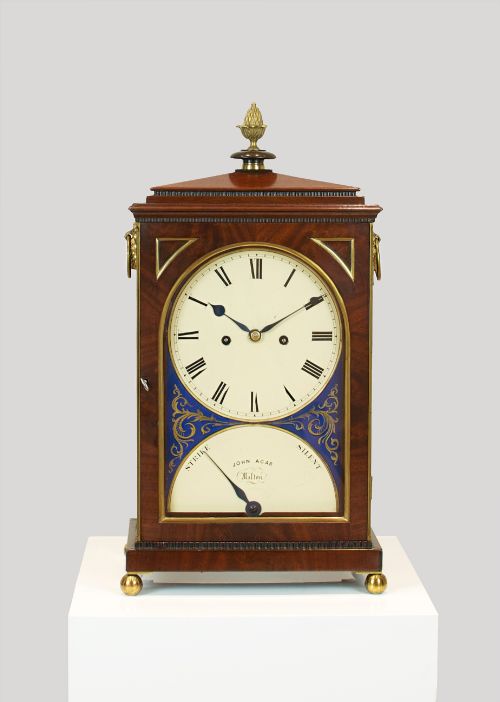
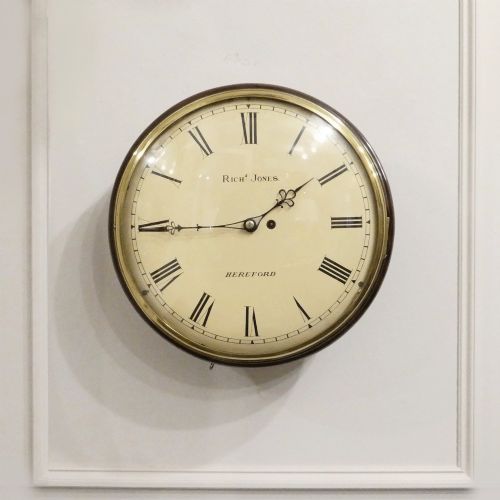
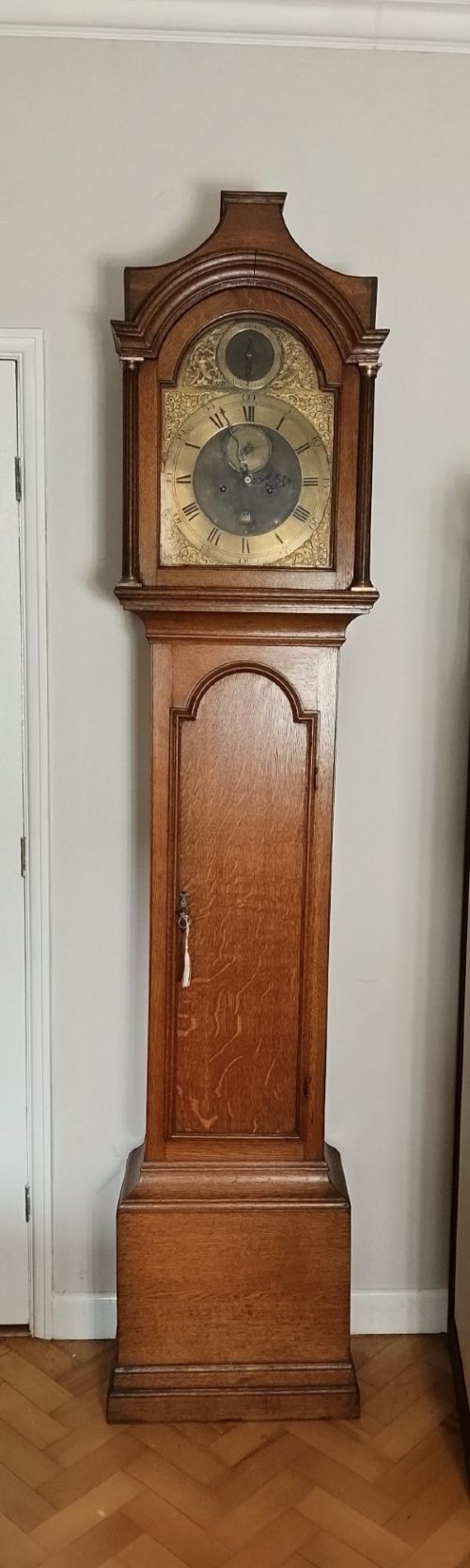
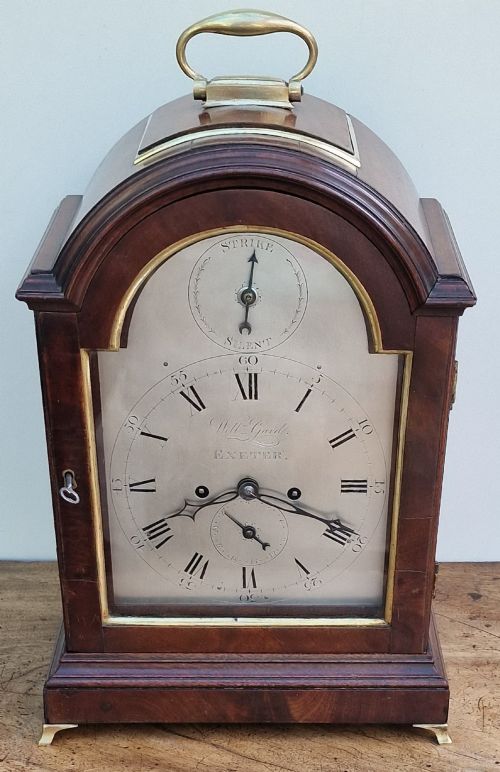
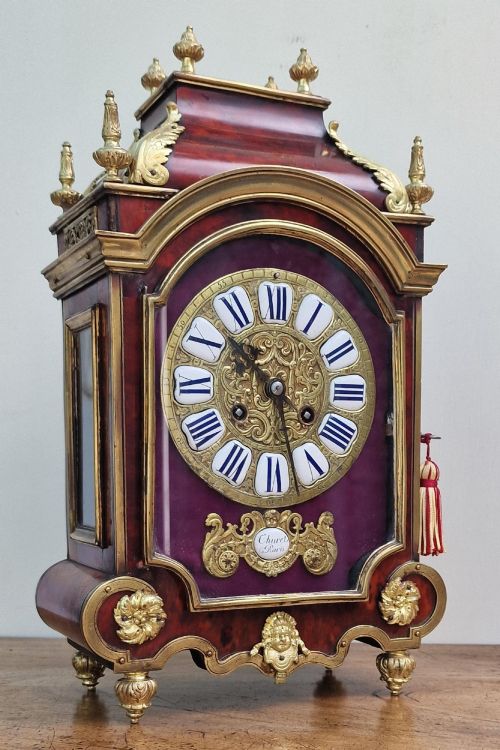
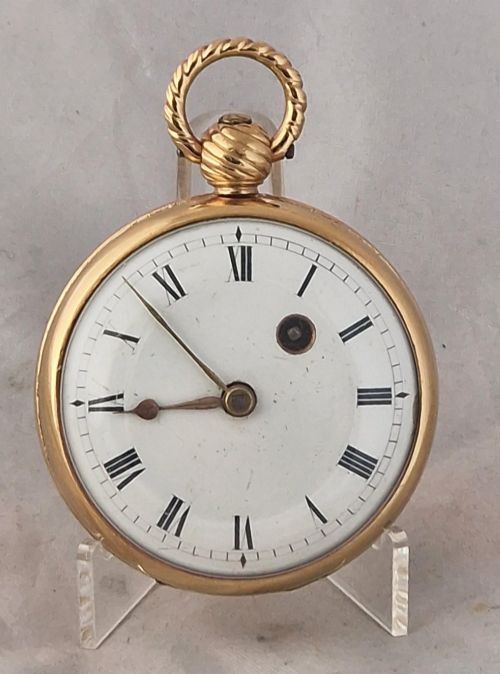
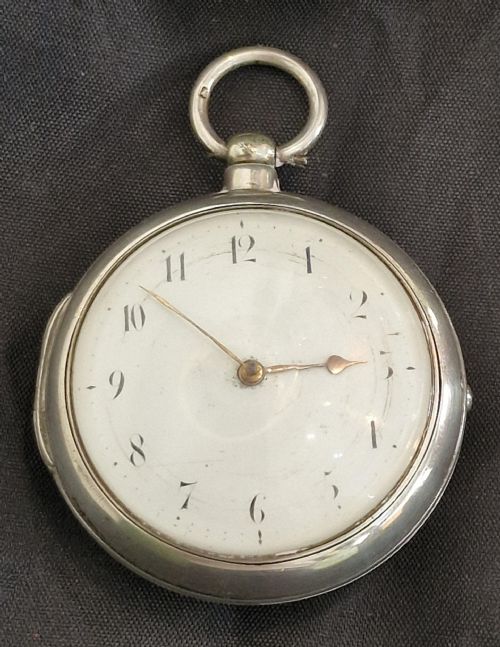
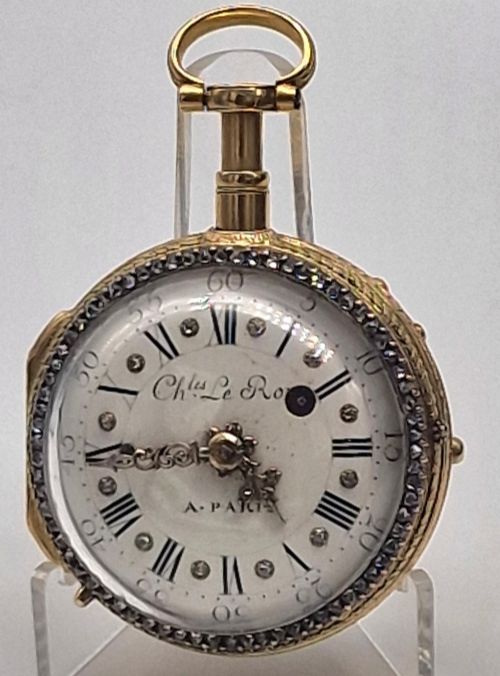
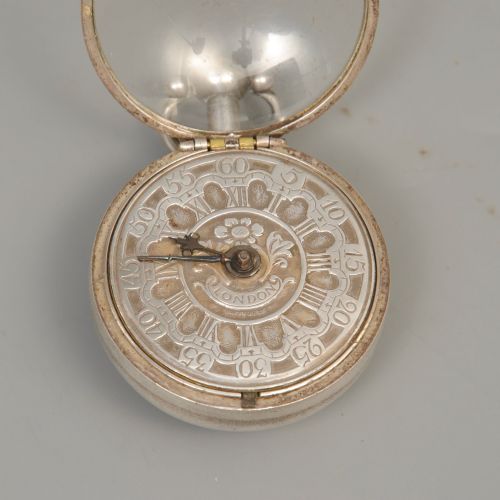
When searching for 18th century horology, a buyer encounters domestic timepieces and portable watches governed by mechanical escapements. The selection spans tall case longcase clocks, bracket clocks, wall clocks, and pocket watches originating from English and French workshops.
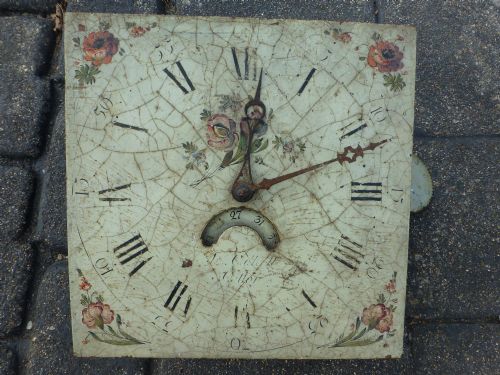
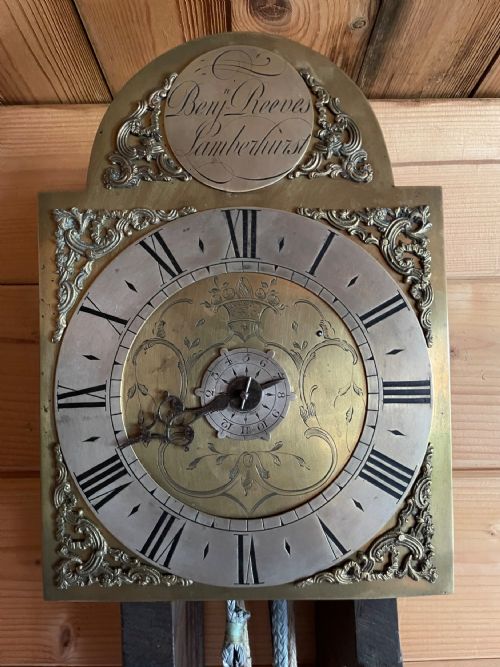
Longcase clocks and bracket clocks form the core of the larger domestic items, often constructed from oak or mahogany with brass dials. Smaller pieces such as pocket watches and pair cased watches appear alongside clock dials and movements detached from their original housings.
The objects derive from periods spanning the Georgian era and the eighteenth century, with regional makers working in London, provincial English towns, and continental centres.
How They Were Made
Makers utilised brass and steel for the intricate wheel trains, escapements, and dial plates that govern the mechanical movement. Wooden cases employed solid mahogany, oak, or ebonised wood, joined with traditional carpentry methods and sometimes finished with tortoiseshell or horn.
Dials combined engraved brass, silvered chapter rings, and champlevé enamel, paired with pierced steel hands. Fusee movements and verge escapements dictated the precision of the gear trains within these domestic clocks and portable watches.
18th Century Horology Retail Price Guide 2026
Typical asking prices for 18th century horology among the pieces listed under this phrase on Sellingantiques today, from the lower quarter to the upper quarter. They describe what is for sale here now, not the wider market.
Objects span the 18th century, Georgian, and 19th century periods, encompassing longcase clocks, bracket clocks, wall clocks, and pocket watches.
What Varies in Quality
The refinement of the movement determines the standing of a piece, particularly when quarter repeating mechanisms or lunar moonphase complications are present. Signed dials by documented regional and London makers elevate an item above anonymous workshop output.
Cabinetwork fidelity distinguishes the housing, where proportion, timber selection, and original brass hardware remain intact. The integration of movement to case and the survival of original components govern the integrity of the surviving clock or watch.
Richard Jones of Hereford·Thuret Paris·William Gard Exeter·Charles Le Roy Paris·Benj Reeves Lamberhurst·J Wilders London·John Waller Preston·William Barrow London·Henry Deykin Worcester·Perigal London·Agar Of Malton·Andrew Marchant London·R Lawson Leigh·Chater And Son London·John Fletcher London·John Taylor London·Richard Peckover London·Rowning Newmarket·Peter Debaufre·John Rapton London·David Beringer
The 18th Century Horology Glossary
- Verge escapement
- An early type of mechanical escapement utilising a crown wheel and a verge axis with pallets. It delivers the oscillating motion to the balance or pendulum.
- Fusee
- A conical pulley used in clocks and pocket watches to equalise the torque of the mainspring as it unwinds. This ensures consistent force is delivered to the gear train.
- Pair cased watch
- A pocket watch housed within two separate protective cases, an inner one holding the movement and an outer one covered in leather, horn, or tortoiseshell.
- Champlevé
- An enamelling technique where troughs or cells are sunk into the surface of a metal dial and filled with vitreous enamel before firing.
- Caddy top
- A style of clock case roof modelled on the sloping lids of tea caddies, common on Georgian bracket clocks.
18th Century Horology: Frequently Asked Questions
What is a fusee movement in an antique clock?
A fusee movement uses a conical pulley connected to the mainspring via a cord or chain. This mechanical device compensates for the dropping tension of the spring as it unwinds.
By maintaining constant torque on the gear train, the clock achieves greater timekeeping accuracy throughout its running cycle.
How do you wind a longcase clock?
Winding a longcase clock involves using a winding key inserted into holes on the dial face to raise the internal weights. Care must be taken not to overwind the movement when the weights reach their upper limit.
Many of these eight day movements require weekly attention to maintain continuous operation.
Where were 18th century clocks made?
These domestic timepieces and watches were produced in major urban centres like London, as well as provincial towns across England and Scotland. Continental workshops in Paris also contributed significant mantel and carriage clocks to the period.
Local makers often signed the brass dials, recording their trade and location directly on the face.