





Georgian Timekeeper
A georgian timekeeper brings mechanical mastery and rich timber grain into any room.
Georgian Timekeeper
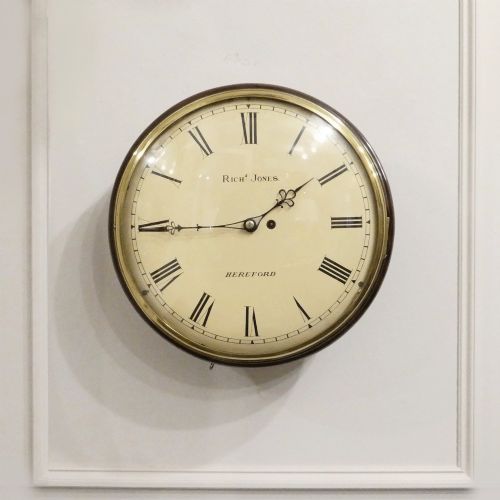
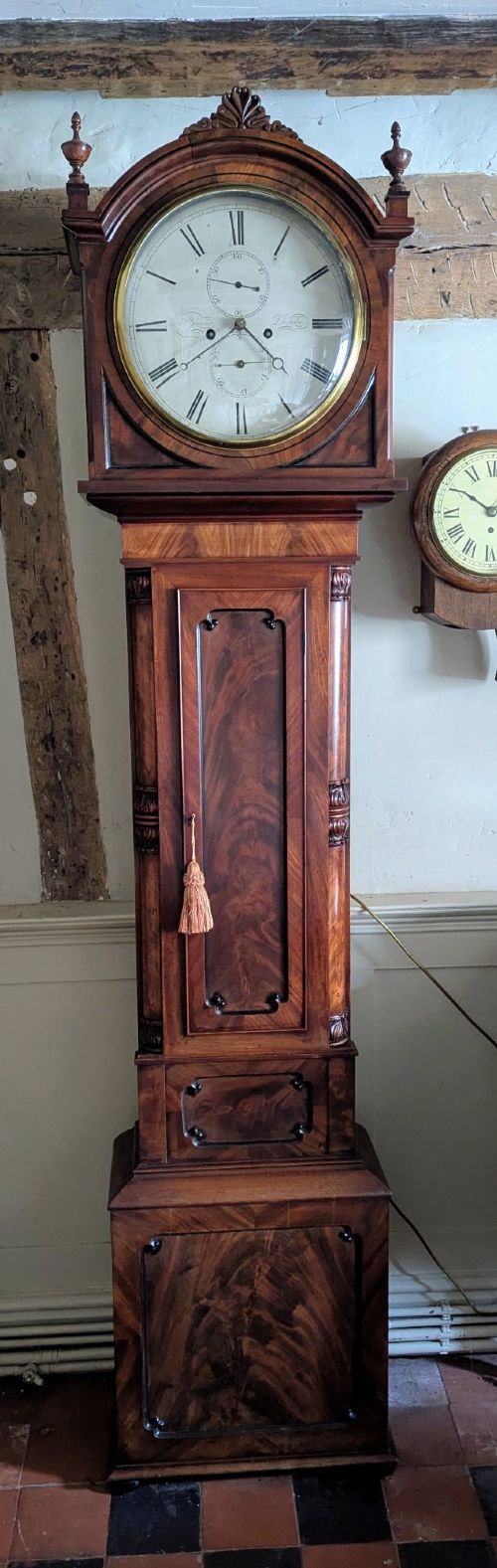
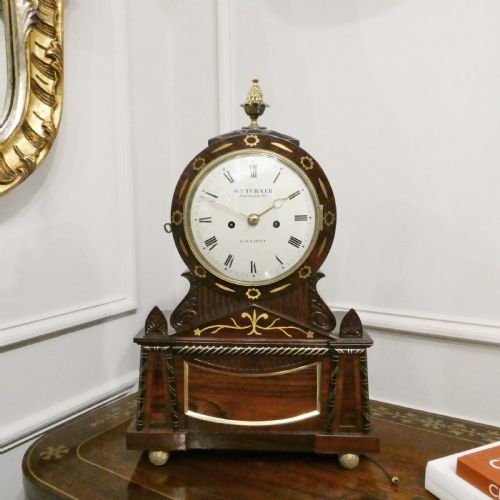
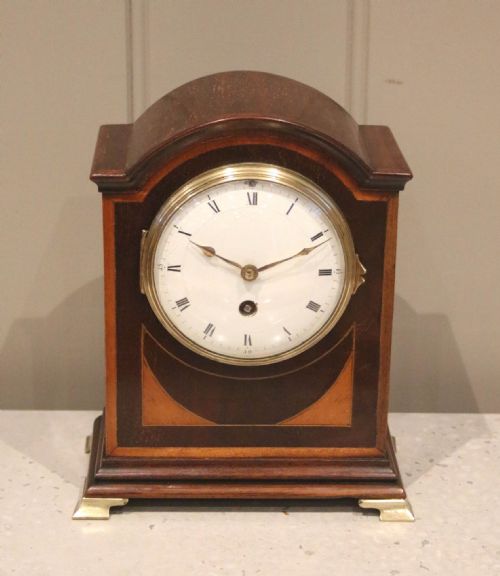
When you search for a georgian timekeeper, you encounter a variety of horological instruments spanning the Georgian era and adjacent Regency and Victorian periods. The selection on this page ranges from tall longcase clocks and wall-hung dial clocks to compact bracket clocks, mantel clocks, hourglasses, and pocket watches.
Originating primarily from British workshops, these timekeepers reflect domestic and nautical utility alongside formal parlour elegance. Whether you seek a towering grandfather clock or a delicate pocket watch, each object represents period craftsmanship.
How they were made
Cabinetmakers constructed the wooden housings using solid mahogany, rosewood, and satinwood inlay, shaping architectural cases for mantel and longcase models. Brass and gilt bronze formed the structural bezels, dial plates, and intricate movement components.
Horologists fitted mechanical movements driven by weights, chains, or fusee springs, incorporating verge escapements to regulate the beat. Dials received hand-painted numerals and enamel finishes, protected beneath curved glass panes.
Georgian Timekeeper Retail Price Guide 2026
Typical asking prices for georgian timekeeper among the pieces listed under this phrase on Sellingantiques today, from the lower quarter to the upper quarter. They describe what is for sale here now, not the wider market.
The listings on this page span the 18th century, Georgian, and Regency periods, utilising brass, mahogany, and rosewood.
What varies in quality
The sophistication of the movement largely determines the standing of a timekeeper, with complex fusee mechanisms and signed dials commanding closer attention. Master makers distinguished their work through refined engraving on brass faceplates and precise gear cutting.
Cabinet quality separates standard production from superior pieces, evident in the selection of figured mahogany or rosewood veneers and delicate satinwood inlay. The integrity of the original case structure and matching hardware preserves the historical weight of the object.
Richard Jones of Hereford·Turner of London·Seller of Reading·Windmills and Bennet·Miller and Adie·FB Adams London
The Georgian Timekeeper Glossary
- Fusee
- A conical pulley used in spring-driven clocks to equalize the torque of the mainspring as it unwinds. This mechanism ensures consistent power delivery to the gear train.
- Verge escapement
- An early type of clock escapement employing a crown wheel and pallets attached to a oscillating rod. It controls the release of power in pendulum or balance-wheel movements.
- Bracket clock
- A portable household clock originally designed to sit on a wall bracket or table. These spring-driven pieces often feature substantial wooden cases with carrying handles.
- Longcase clock
- A tall pendulum clock enclosed in a wooden case designed to stand directly on the floor. Also known as a grandfather clock, it typically houses a weight-driven movement.
- Moon dial
- A specialised clock face featuring a rotating disk that tracks the phases of the lunar cycle alongside standard time. It adds an observational layer to longcase and wall dials.
Georgian Timekeeper: Frequently Asked Questions
How do I wind a fusee bracket clock?
Use the designated key on the square arbor located on the dial face, turning gently until resistance builds. Avoid over-winding to protect the spring and internal gearing.
Ensure the clock rests on a level surface before operation to maintain the correct beat of the escapement.
What is a single fusee movement?
A single fusee movement relies on a mainspring and a conical drum to regulate power delivery across the running cycle. This setup improves timekeeping accuracy compared to basic spring-driven mechanisms.
You typically find this system inside high-quality bracket and mantel clocks from the period.
How can I tell a Georgian clock from a Regency one?
Georgian clocks often display architectural mahogany cases with traditional proportions and classical dial layouts. Regency pieces introduce bolder gothic or classical revival motifs, sometimes utilising rosewood and gilt bronze mounts.
Examining the dial signature and timber choice helps clarify the manufacturing era.
Where were longcase clocks placed in a home?
Longcase clocks traditionally stood in hallways, stairwells, or main reception rooms where their chimes could echo through the house. Their imposing height required stable floor placement away from damp exterior walls.
They served as the primary timekeeper for the household before smaller mantel clocks became common.