


18th Century Glass Stemware
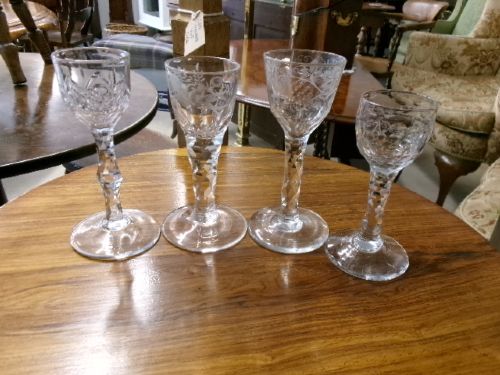
These pieces of 18th century glass stemware bring tactile Georgian craftsmanship to the table, valued for their distinct twists and historic bowls.
18th Century Glass Stemware
When buyers search for 18th century glass stemware, they are looking at drinking vessels spanning the Georgian period, typically originating around 1715 through to 1800. These items encompass wine glasses, ale glasses, dram glasses, and larger goblets intended for social dining and toasts.
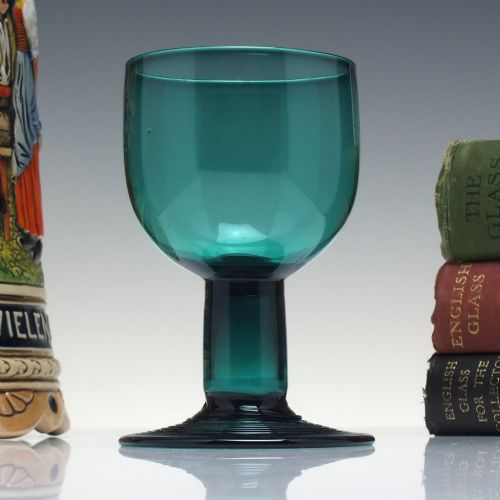
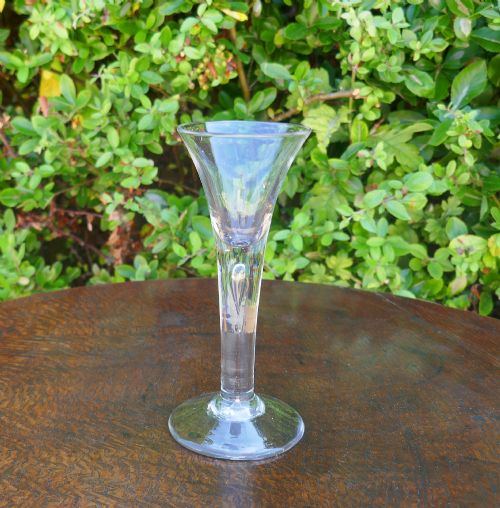
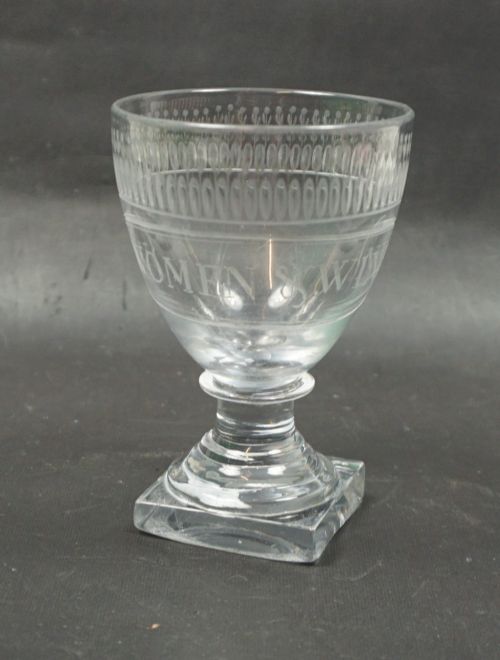
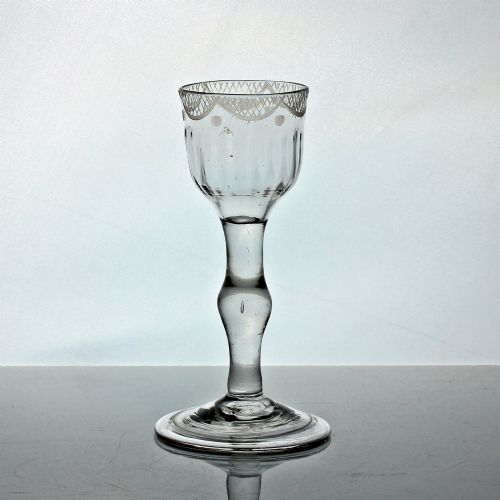
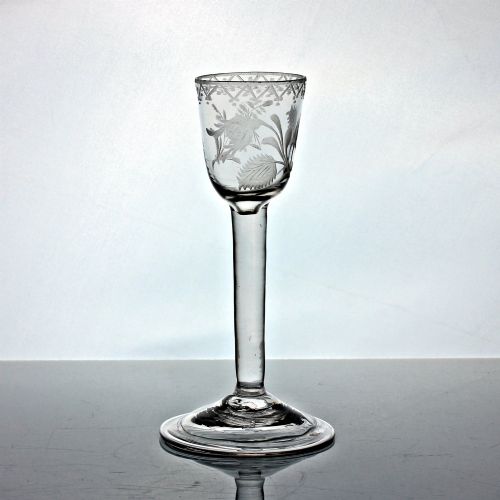
The most common forms on this page include wine glasses featuring air twists, opaque twists, and plain stems, alongside specialised ale and dram glasses. Bowls vary from ogee and pan top to trumpet and flared bucket shapes, often resting on wide foot bases or folded feet.
How They Were Made
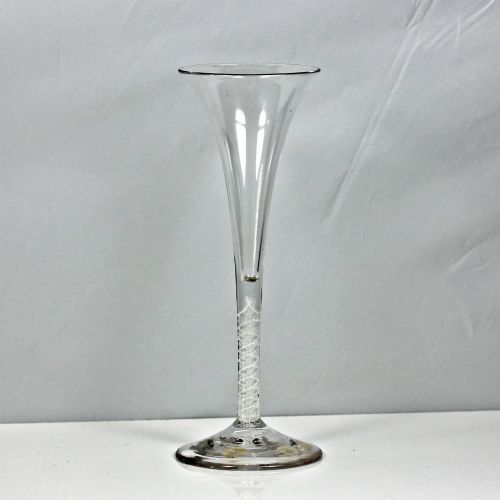
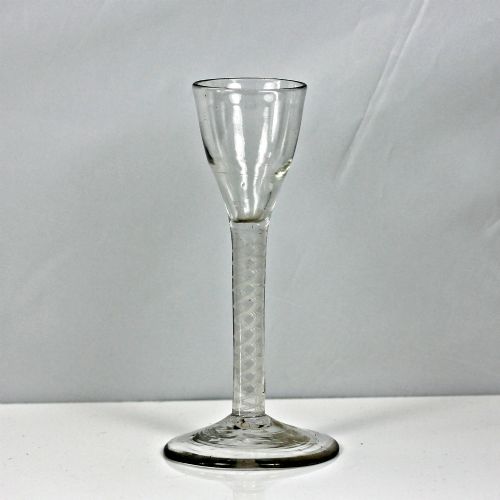
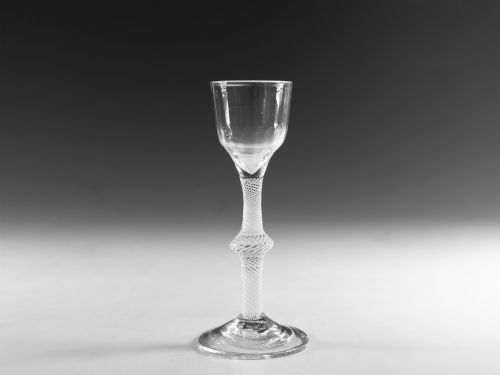
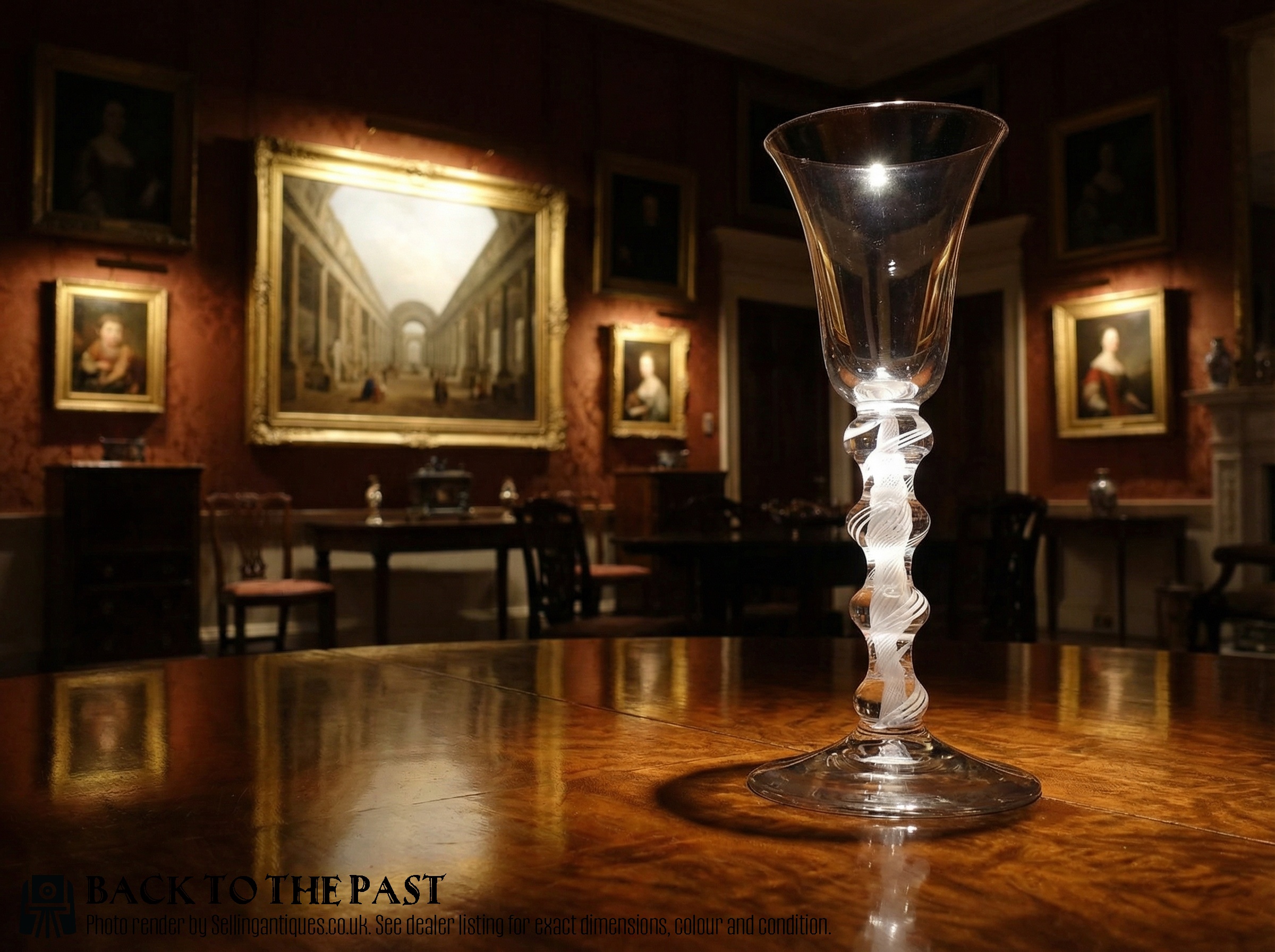
Makers utilised lead glass, lead crystal, and flint glass, resulting in heavy, clear compositions well suited to intricate manipulation. Techniques involved pulling and twisting air bubbles within the stem to form multi-spiral air twists or enclosing white enamel filaments to create opaque twists.
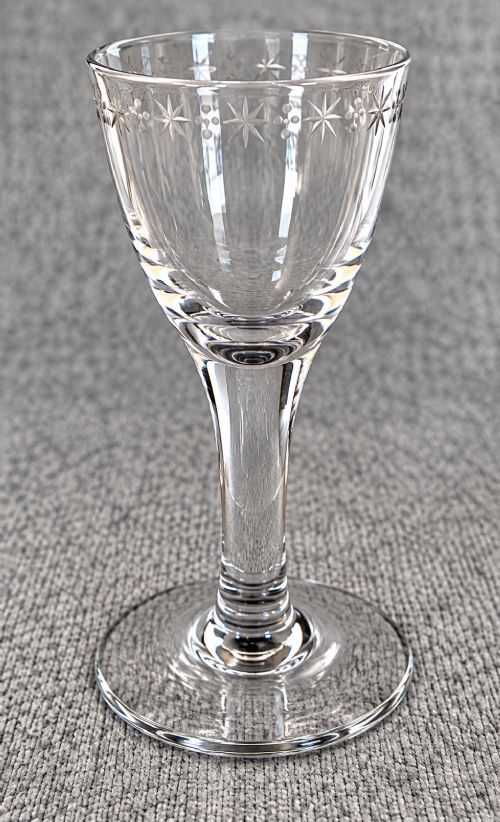
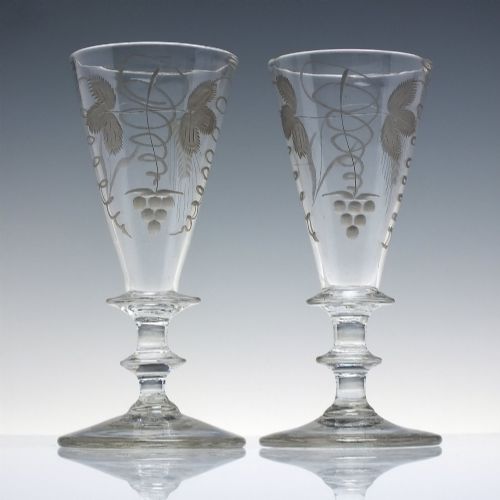
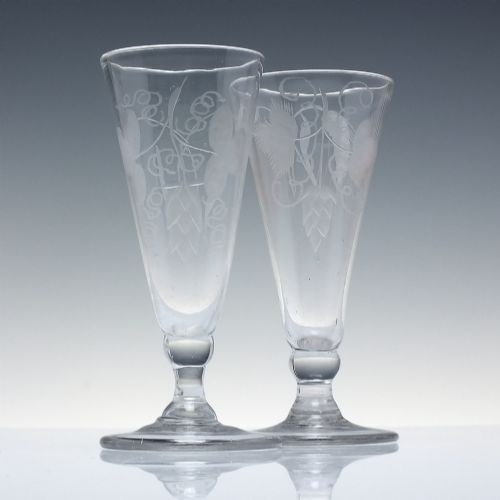
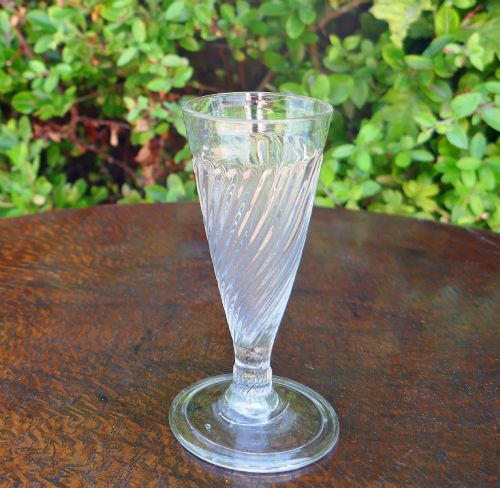
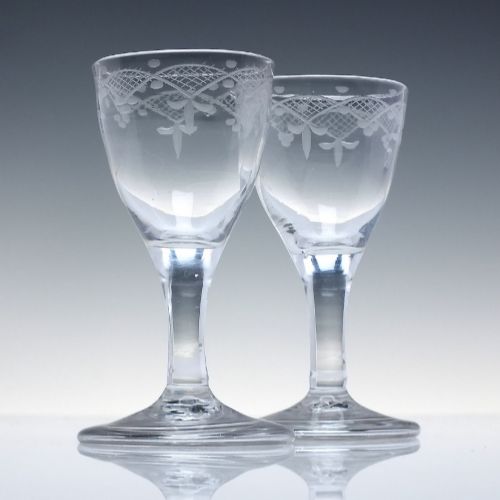
Vessels also received surface decoration through engraving, such as floral motifs, swag and tail patterns, or Jacobite iconography. Certain examples incorporate moulded elements like ribbed ogee bowls, inverted petal moulding, or applied knops along the stem.
18th Century Glass Stemware Retail Price Guide 2026
Typical asking prices for 18th century glass stemware among the pieces listed under this phrase on Sellingantiques today, from the lower quarter to the upper quarter. They describe what is for sale here now, not the wider market.
Listings feature lead glass, flint glass, and white enamel materials across 18th century periods.
What Varies in Quality
Quality rests upon the dexterity shown in forming the internal stem twists and the crispness of any engraved decoration upon the bowl. Clarity of the metal and structural balance between the bowl, stem, and foot also define the standard of a piece.
The 18th Century Glass Stemware Glossary
- Air twist
- A stem containing elongated internal air bubbles drawn into a spiral thread. This technique creates a delicate optical effect inside the clear glass.
- Opaque twist
- A stem featuring internal threads of white enamel twisted into spiral patterns. These threads show clearly against the surrounding clear metal.
- Baluster
- A heavy, thick stem form characterised by prominent swelling knops reminiscent of architectural pillars. Early pieces often utilise this substantial profile.
- Folded foot
- A base edge turned underneath to form a smooth, rounded rim. This addition provides extra weight and strength to the base of the vessel.
- Ogee bowl
- An S-curve profile curving inward at the rim and outward below. This form appears frequently on mid-Georgian wine and ale glasses.
18th Century Glass Stemware: Frequently Asked Questions
How do I identify a genuine air twist?
Examine the stem closely under good light to locate the spiral threads trapped inside the clear metal. Genuine air twists run continuously through the interior rather than appearing as surface scratches.
Run your finger gently down the stem to confirm the surface remains smooth while the optical twist is visible within the glass body.
What distinguishes an ale glass from a wine glass?
Ale glasses generally feature taller, narrower bowls designed to preserve the effervescence of the drink. They frequently display elongated bucket or flared shapes.
Wine glasses tend to have more rounded, ogee, or trumpet bowls suited for smaller portions of wine or drams.
Why do some feet have a folded rim?
Makers folded the edge of the hot glass underneath the foot to add stability and extra weight to the base of the vessel. This technique protected the vulnerable rim from chipping during use.
Folded feet appear predominantly on earlier pieces from the first half of the eighteenth century.
How were twist stems created?
Glassmakers formed twisted stems by drawing out air bubbles or inserting enamel rods into molten glass before twisting the entire rod. The metal was then pulled and shaped into the final stem configuration.
This skilled process required precise temperature control to maintain consistent spiral patterns throughout the glass.