
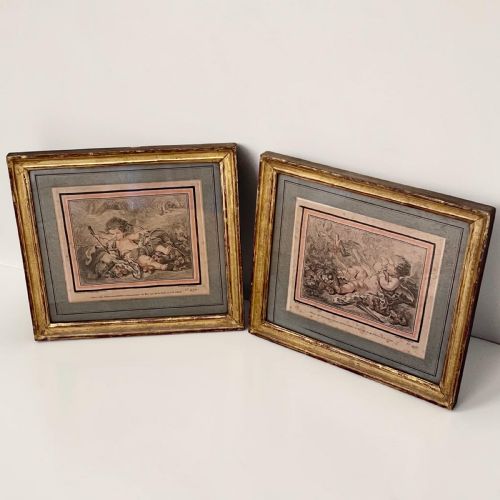


18th Century French Prints
These 18th century french prints bring period elegance to interiors through historical engravings, maps and botanical illustrations.
18th Century French Prints
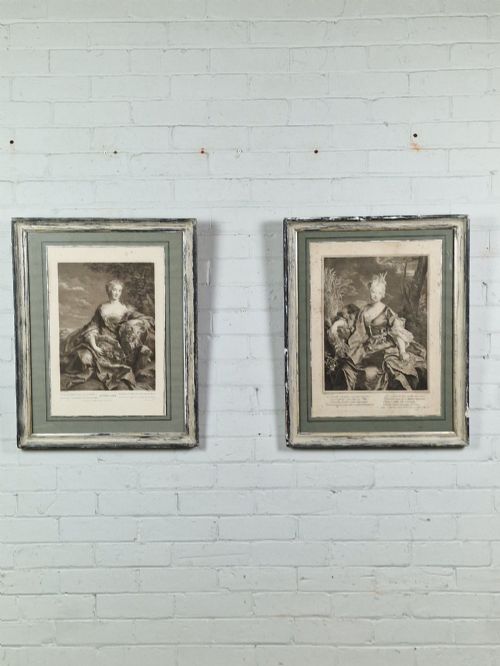
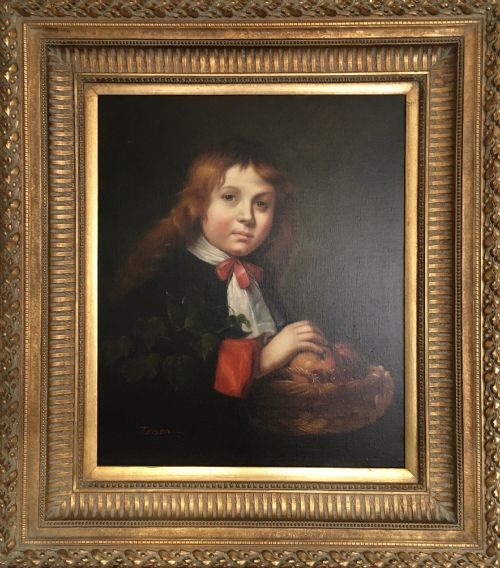
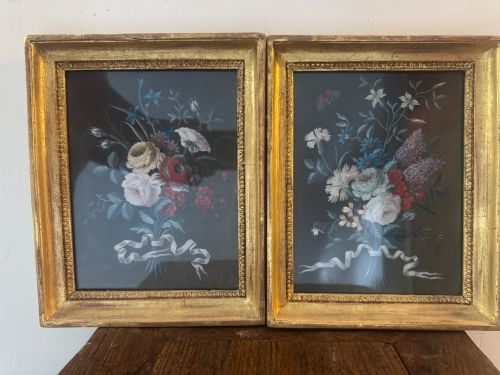
Buyers seeking 18th century french prints encounter a variety of original paper works, including architectural plates, natural history subjects and classical mythological scenes. These items reflect the artistic output of the period, executed through engraving and hand colouring.
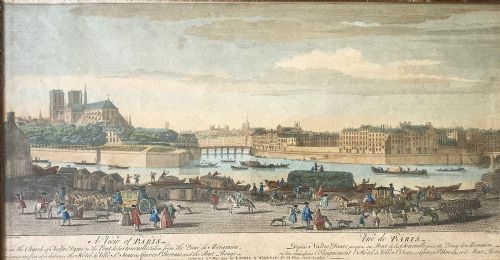
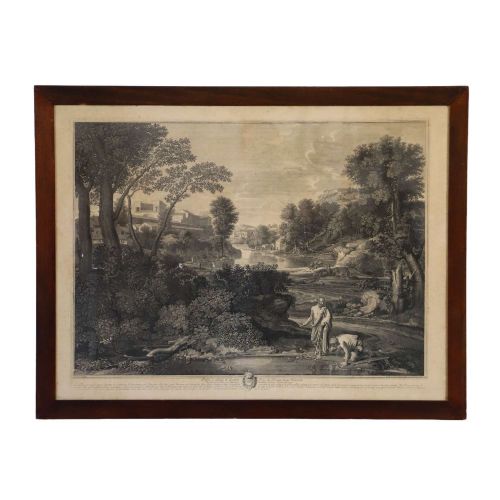
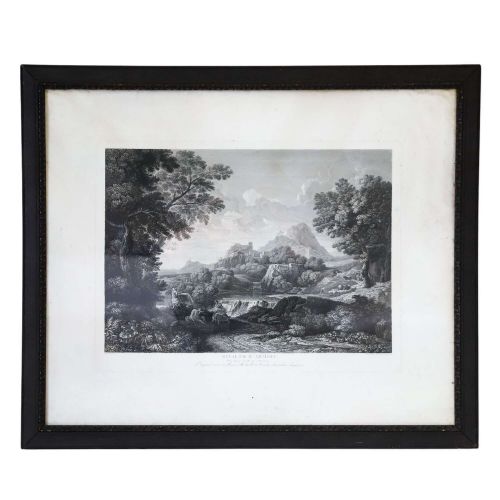
The selection on this page frequently includes framed engravings depicting landscapes, anatomical studies and cartography from continental atlases. Pieces range from single sheets to matched pairs and larger groupings, often preserved behind glass in period or later frames.
Materials and Technique
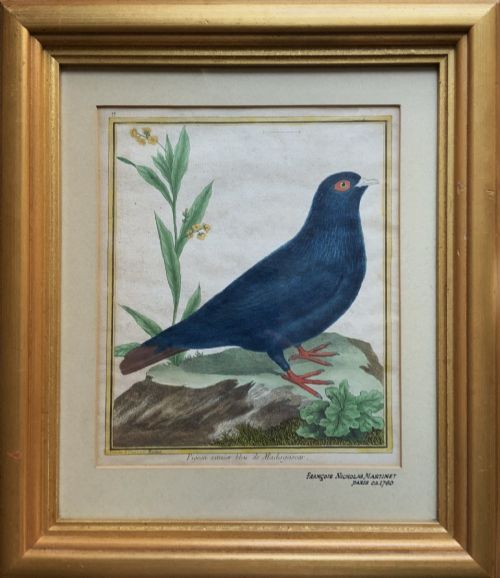
Works of this category rely primarily on paper sheets inscribed through copperplate engraving, sometimes complemented by original hand colouring using watercolour pigments. Framing materials span plain timber to ornate giltwood and gold leaf mouldings.
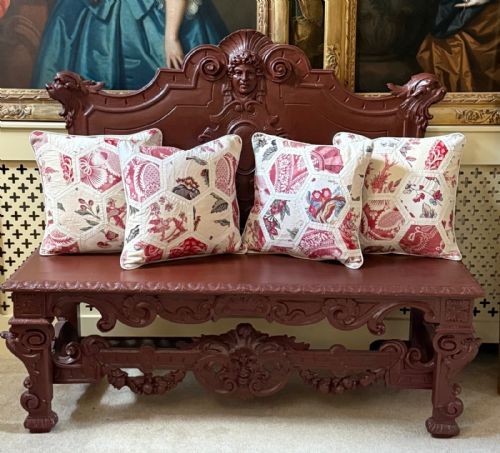
Support structures and presentations incorporate glass protection, cotton elements, and occasional textile integrations such as toile de Jouy fragments or linen backings. The physical construction combines traditional printmaking with period framing techniques.
Listings feature paper, glass, wood, gold leaf and cotton across 18th century, Georgian and Edwardian periods.
Quality and Distinction
Distinction across these works rests on the crispness of the plate impression and the subtlety of any original hand colouring applied to the paper. Finer examples retain clear publisher details, sharp artisan signatures and well-preserved margins.
The integrity of the framing also separates pieces, with original period surrounds or matching pairs commanding greater interest among collectors. Paper condition, freedom from heavy foxing and depth of subject matter further differentiate standard prints from exceptional survivals.
François-Nicolas Martinet·Étienne Baudet·Charles Paillasson
The 18th Century French Prints Glossary
- Engraving
- A printmaking technique where an artist cuts an image into a metal plate using a sharp tool called a burin. The resulting inked lines produce fine, precise details when pressed onto paper.
- Hand colouring
- The application of watercolour or other pigments by hand to a printed monochrome sheet. This process enhances specific elements like botanical subjects or coats of arms.
- Giltwood
- Wood that has been coated with a thin layer of gold leaf or gilt paint. It appears frequently on the decorative frames housing these historical works.
- Cartography
- The study and practice of making maps. Period examples in this category often feature French annotations and detailed geographical mapping.
- Toile de Jouy
- A traditional fabric featuring repeating pastoral or historical scenes printed in a single colour on a light background. Fragments of this material occasionally appear alongside printed works.
18th Century French Prints: Frequently Asked Questions
How do I care for antique paper prints?
Keep framed paper works away from direct sunlight to prevent fading of the paper and any hand-applied watercolours. Maintaining a stable indoor humidity protects both the delicate sheet and the original wood or gilt framing.
Avoid hanging pieces in damp environments like kitchens or bathrooms. Professional conservation framing using acid-free materials ensures long-term preservation.
Are these prints original to the eighteenth century?
The selection includes genuine period works produced in the seventeen-hundreds, alongside later interpretations and decorative items from subsequent eras. Each listing specifies the exact period and production method associated with the piece.
Examining the paper texture, plate marks and framing style helps confirm the age of an individual work. Consult the item descriptions for specific dating details.
How were these prints originally used?
Many eighteenth-century prints originated as plates within bound scientific atlases, architectural folios or educational books. Wealthy patrons often unbound these volumes to frame individual plates for wall display in private salons and studies.
Maps, botanical studies and mythological illustrations served both an aesthetic and an informative purpose in period interiors. They demonstrated the owner's learning and appreciation for contemporary arts and sciences.
What framing styles accompany these works?
These pieces often appear in period frames fashioned from giltwood, gold leaf or dark timber mouldings. Some retain their original frames, while others have been rehoused in complementary antique or modern surrounds.
The choice of frame typically reflects the decorative trends of the piece's origin or subsequent nineteenth and twentieth-century presentation styles.