



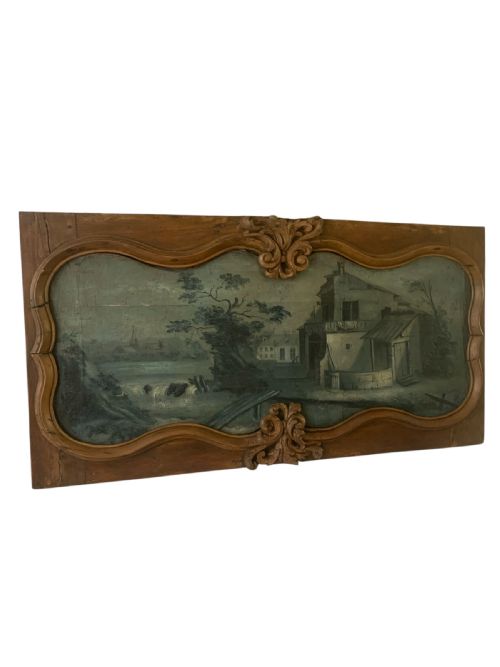
French Rococo Wall Art
When seeking french rococo wall art, collectors discover painted panels, woven tapestries, and oil canvases originating from past centuries.
French Rococo Wall Art
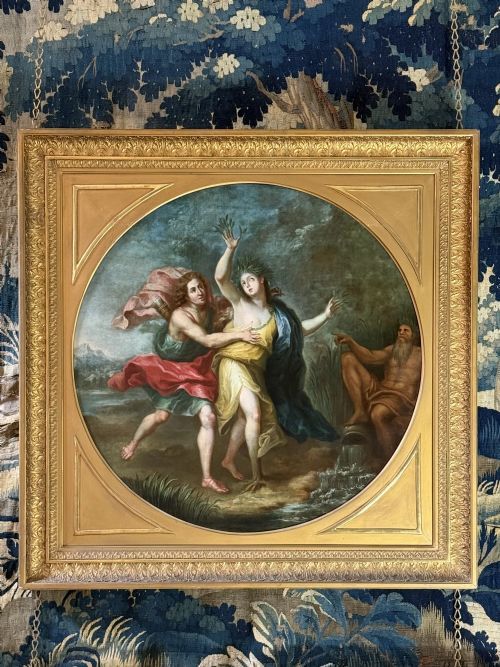
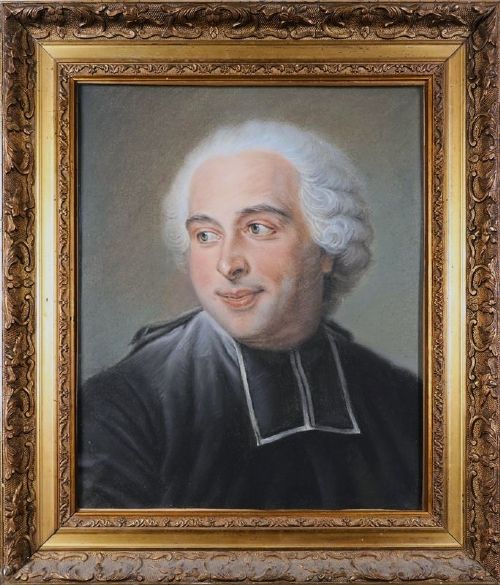
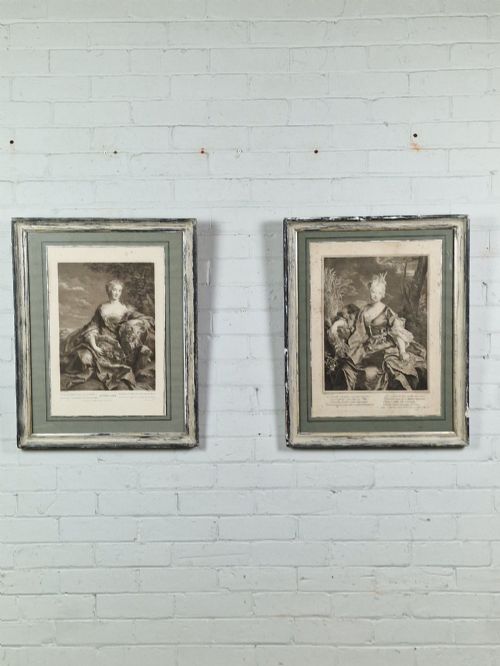
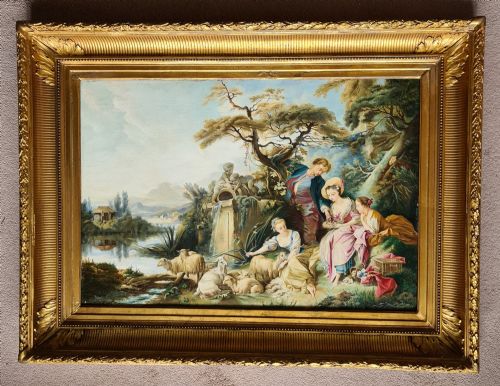
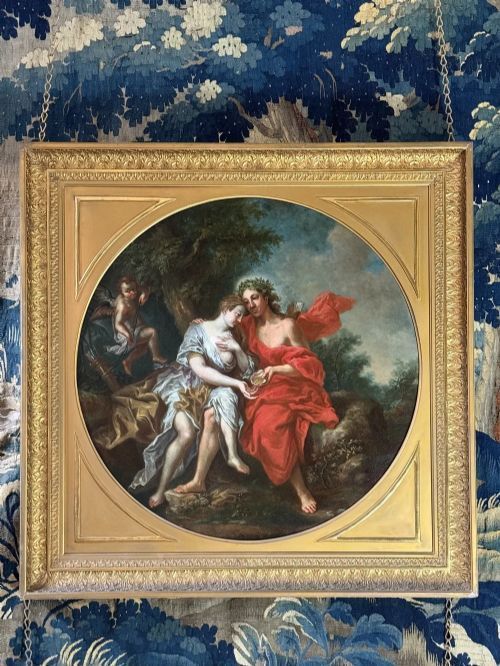
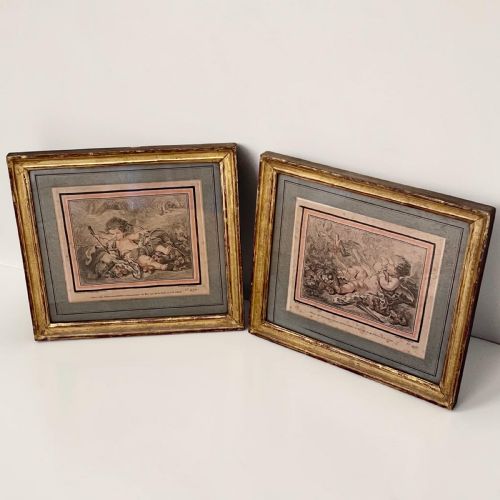
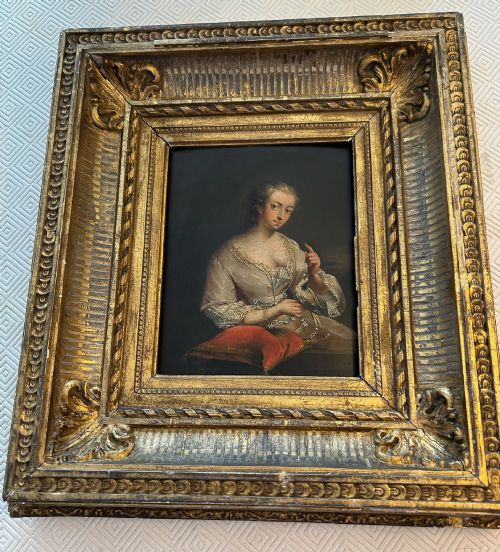
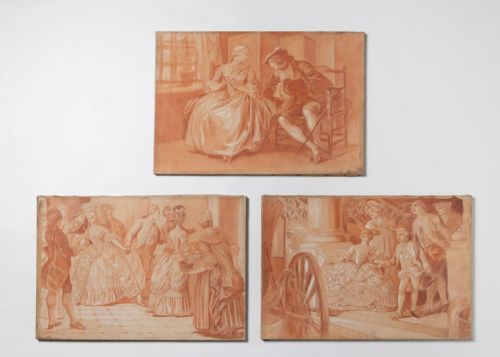
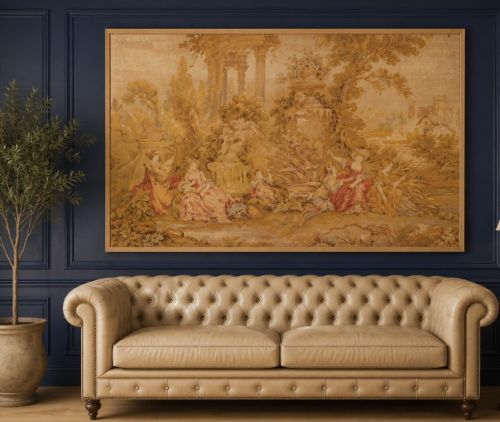
Buyers exploring french rococo wall art encounter a variety of decorative forms designed for interior spaces, including oil paintings on canvas, framed engravings, and large woven tapestries. The selection frequently includes pastoral scenes, portraits, and mythological subjects created in the eighteenth century or reproduced in later revival periods.
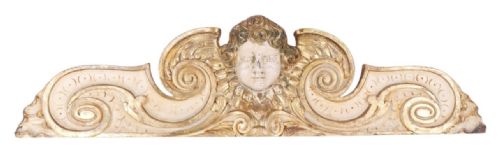
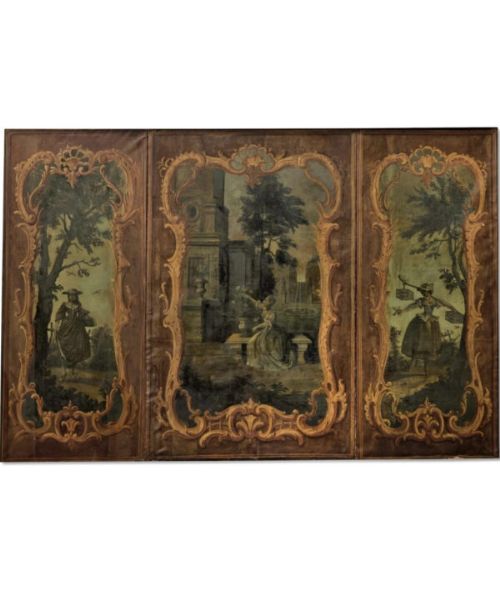
Overdoors, grisaille painted panels, and carved wooden frames also appear regularly within this category. These pieces reflect historical decorative schemes found in chateaux and townhouses, bridging the gap between fine art and architectural ornament.
Materials and construction
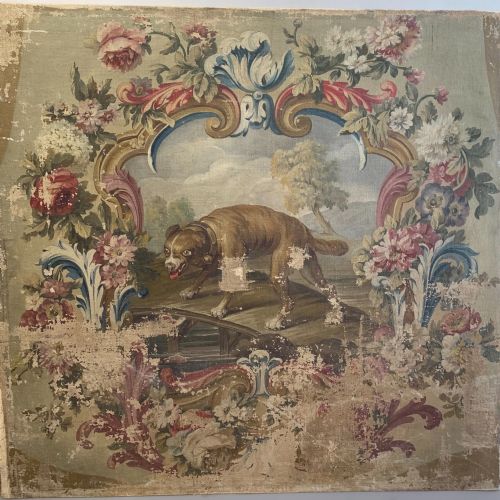
Artisans built these works using oil paint applied to canvas, alongside traditional paper for engravings and prints. Woven wool and silk feature prominently in the large tapestry panels and wall hangings recorded in the inventory.
Wooden supports, carved overdoors, and gilt gesso or giltwood picture frames provide structural housing for the canvases and painted porcelain plaques. Metal elements such as brass appear in associated wall lights that complement the framed artworks.
Cherubs playfully occupying wall panels demonstrate that historic interior decorators possessed a well-developed sense of theatrical mischief.
Distinctions in quality
The degree of refinement in brushwork and the precision of carved details distinguish individual examples. Hand-painted oil canvases and period engravings demonstrate distinct artistic execution compared to later printed reproductions.
The preservation of original gilt gesso surfaces on frames and the structural integrity of large woven tapestries influence the standing of a piece. Depth of perspective in trompe l'oeil works and the subtlety of camaieu bleu grisaille painting indicate the skill of the original workshop.
Charles-Antoine Coypel·Francois Boucher·Jean-Baptiste Greuze·Jean-Antoine Watteau·Louis Leopold Boilly
The French Rococo Wall Art Glossary
- Grisaille
- A painting executed entirely in shades of grey or neutral monochrome. This technique often mimics the appearance of relief sculpture.
- Overdoor
- A decorative painted or carved panel positioned directly above a doorway. These architectural elements frequently depict cherubs or pastoral landscapes.
- Aubusson
- A style of tapestry woven in the French town of Aubusson. These large wall hangings depict pastoral or botanical motifs.
- Camaieu
- A monochrome method of painting utilising a single colour other than grey, such as blue. It creates a tonal effect similar to a cameo.
- Trompe l'oeil
- An art technique that uses realistic imagery to create the optical illusion that the depicted objects exist in three dimensions.
French Rococo Wall Art: Frequently Asked Questions
What subjects appear on these wall pieces?
Artworks frequently depict classical mythology, pastoral hunting scenes, and portraits of historical figures. Cherubs and courtly figures engaged in leisure activities also feature prominently across the canvases.
Many compositions draw inspiration from established artists of the eighteenth century. These themes reflect the decorative tastes of historic French interiors.
Where were these textiles and panels hung?
Large woven tapestries and painted panels adorned the walls of chateaux and urban townhouses. Overdoor panels occupied the architectural space immediately above interior doors.
Smaller framed prints and porcelain plaques decorated private chambers and receiving rooms. Their placement contributed to cohesive decorative schemes within period interiors.
How do I care for antique canvas and tapestry?
Textiles and oil paintings require stable environmental conditions away from direct sunlight to prevent fading. Regular, gentle dusting helps maintain the surface of both canvas and woven panels.
Excessive moisture and humidity fluctuations damage organic materials such as wood frames and wool threads. Professional consultation is advisable for any structural restoration.
How can I tell eighteenth century works from later copies?
Materials, pigments, and the ageing characteristics of canvas and paper offer clues to a piece's age. Eighteenth-century originals exhibit specific craquelure and paper degradation consistent with their era.
Revival pieces from subsequent centuries often utilise standardised framing techniques and different preparation layers. Examining the reverse of the canvas frequently reveals clues regarding stretcher construction.