
18th Century French Art
18th century french art brings together oil paintings, hand-coloured engravings and verdure tapestries from the age of rococo and neoclassical design.
18th Century French Art
When searching for 18th century french art, buyers encounter a diverse range of wall art, including oil paintings on canvas, framed paper engravings, and large textile wall hangings. These pieces reflect the prevailing aesthetic of French chateau interiors and neoclassical salons, spanning genres from portraiture to pastoral landscapes.
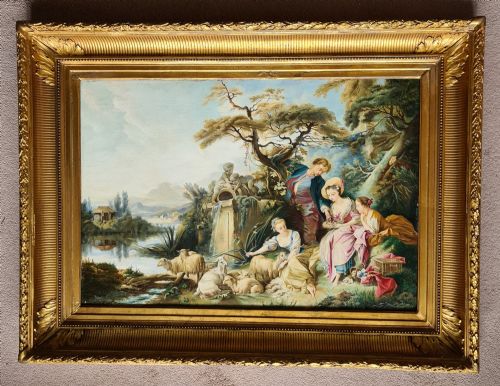
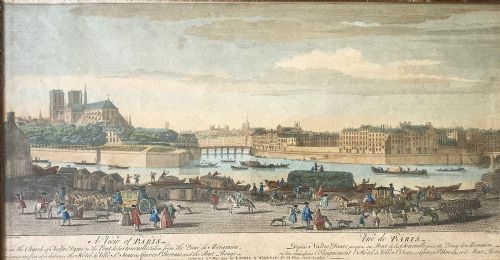
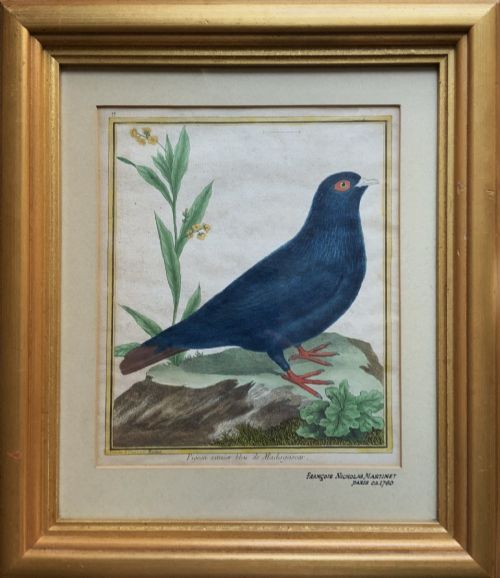
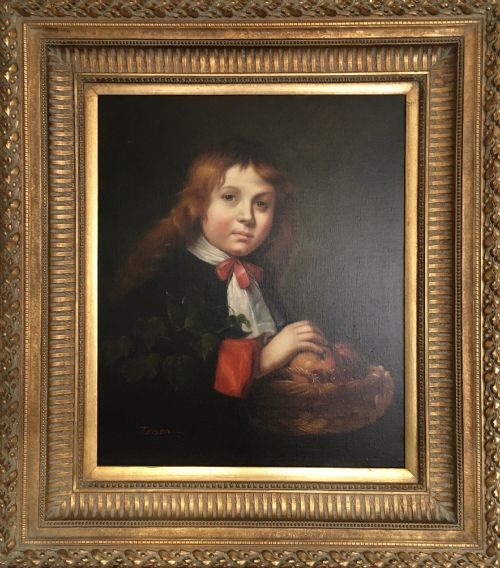
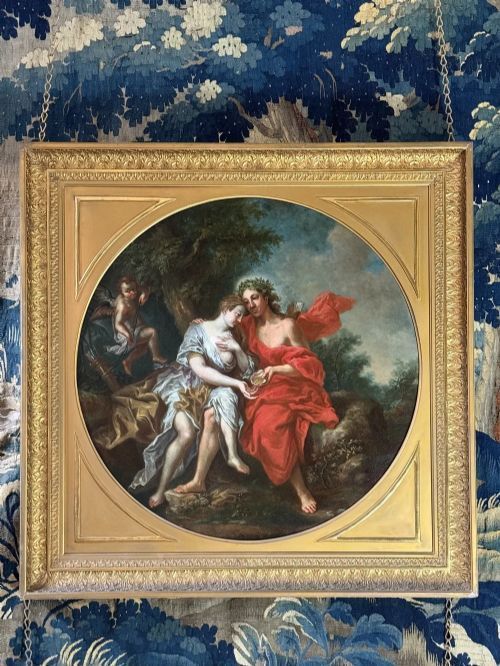
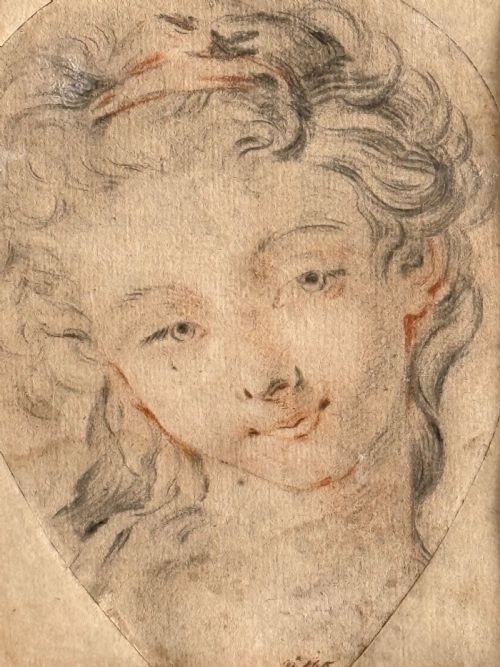
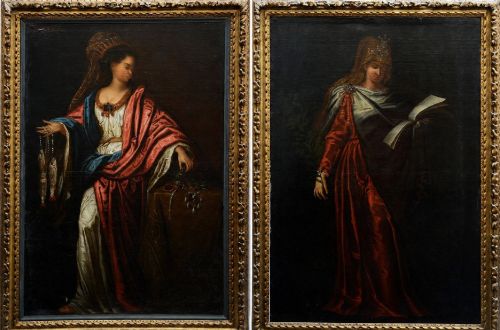
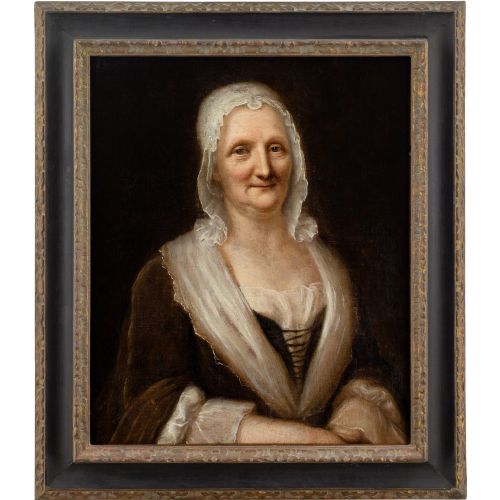
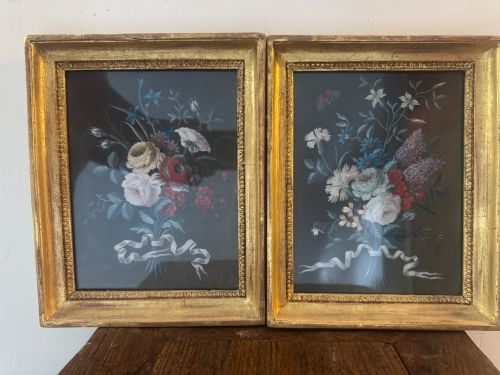
The most common pieces on this page are oil paintings and hand-coloured engravings produced during the 18th century or later in imitation of schools such as those of François Boucher and Jean-Baptiste Greuze. Alongside these pictorial works, buyers frequently find woven tapestries and framed decorative panels intended for interior display.
Beyond traditional canvases, the selection encompasses specialised items such as devotional shadow boxes, enamel plaques, and cartographic prints mapping regions like England and Ireland under French publication. These varied forms provide multiple ways to introduce period character into a room.
Materials and Construction Techniques
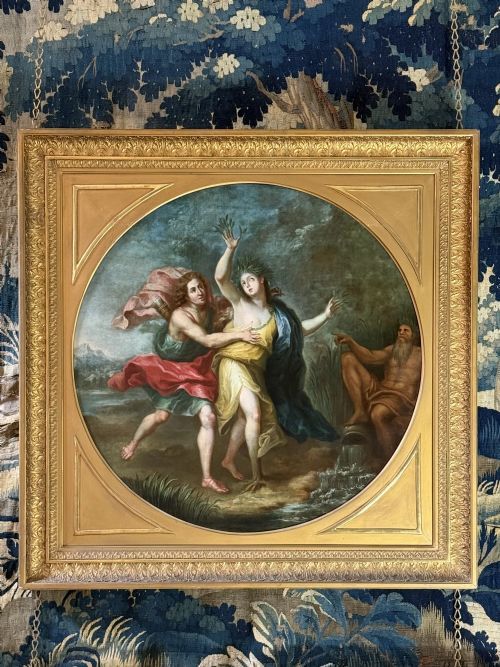
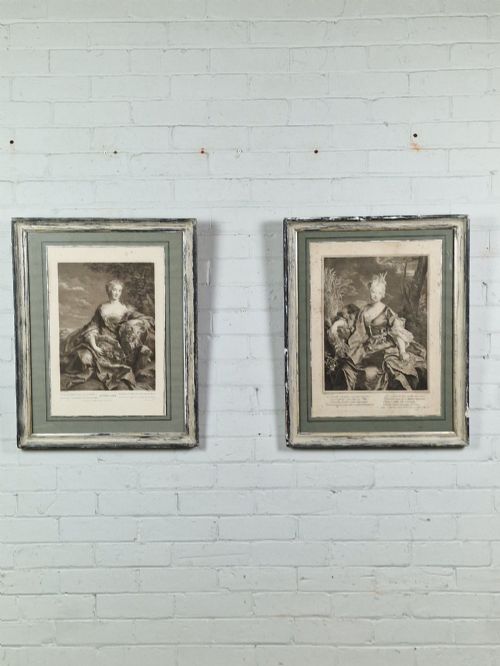
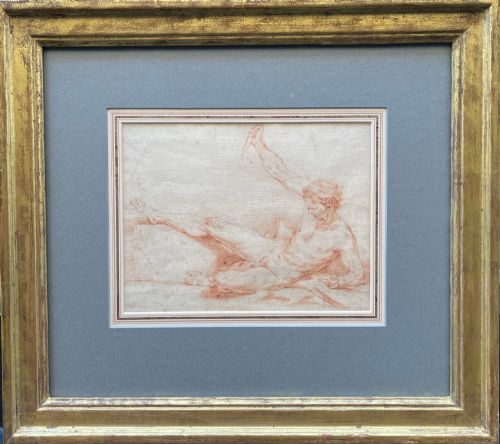
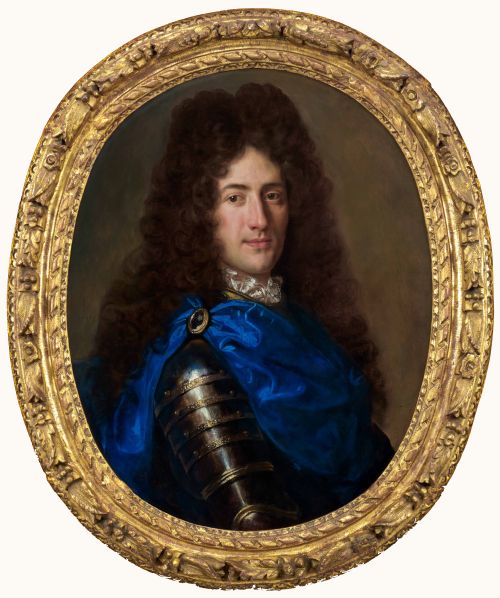
Paintings of this period rely primarily on oil on canvas or wood panels, utilising pigments layered to create depth in portraits and mythological scenes. Paper works incorporate hand-coloured printing and engraving techniques, often preserved within original giltwood frames.
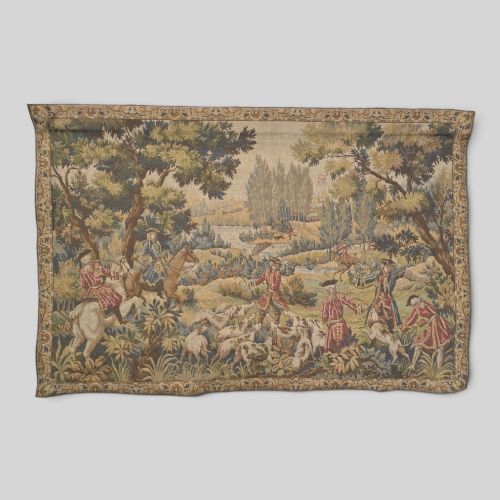
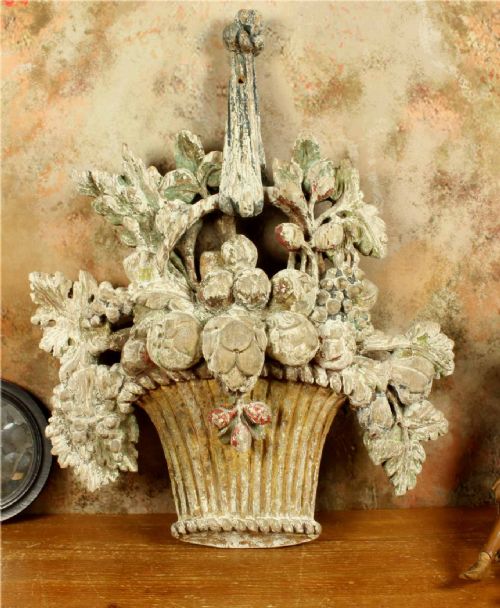
Textile pieces such as verdure tapestries employ woven wool and silk threads to construct complex botanical and pastoral imagery. Additionally, decorative items utilise carved wood relief, enamel on metal plaques, and specialised glasswork.
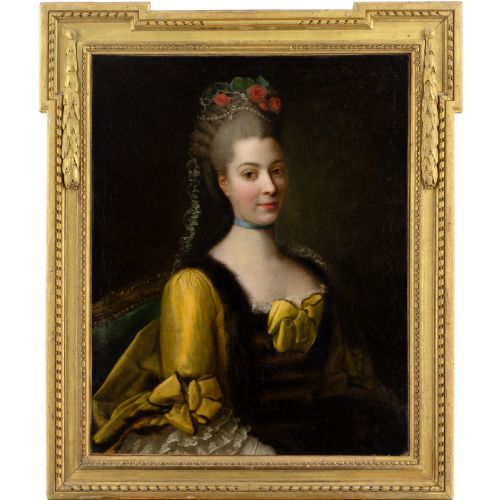
Several portraits quietly record the steady gaze of ladies in yellow dresses and gentlemen sporting diamond clasps.
Factors Determining Quality
Quality in these artworks is defined by the fineness of the brushwork in oil paintings and the crispness of the lines in copperplate engravings. Original hand-colouring executed during the period holds greater distinction than later applied pigments.
The preservation of original frames, particularly period giltwood surrounds, significantly impacts the desirability of flat art and tapestries. Furthermore, provenance linking a work directly to a known French school or named artist elevates the standing of an individual piece.
Charles-Antoine Coypel·François-Nicolas Martinet·Jean-Baptiste Greuze·Joseph Vivien·Étienne Baudet
The 18th Century French Art Glossary
- Giltwood
- Wood carved and coated with a thin layer of gold leaf. This finish is commonly found on 18th century picture frames.
- Verdure Tapestry
- A woven wall hanging featuring a predominant landscape design of trees, foliage, and animals. These textiles were typically produced in centres such as Aubusson.
- Grisaille
- A painting executed entirely in shades of grey or neutral monochrome. This technique often mimics the appearance of relief sculpture.
- Camaieu
- A monochrome painting done in a single colour other than grey, such as blue. It creates a tonal effect similar to a cameo.
- Oleograph
- A mechanical colour lithograph produced to imitate an oil painting. These reproductions became common in the 20th century.
18th Century French Art: Frequently Asked Questions
How do I date an 18th century French engraving?
Examine the paper quality, plate marks, and any inscription naming the engraver or publisher. Watermarks in the paper stock often provide reliable clues to the decade of production.
Original frames and contemporary hand-colouring also help corroborate the period of the print.
Where were verdure tapestries typically displayed?
Large verdure tapestries hung on the stone or panelled walls of chateaux and country houses to provide insulation and decorative richness. They were positioned in principal reception rooms and galleries.
Smaller fragments are often mounted to linen for modern interior display.
What is the difference between an oil painting and an oleograph?
An oil painting consists of hand-applied pigments on canvas or panel, showing distinct brushstrokes and texture. An oleograph is a later print reproduction utilising a lithographic process designed to mimic the surface texture of oil paint.
Close inspection under magnification reveals dot patterns in prints rather than pigment manipulation.
How should I care for antique textile wall hangings?
Protect antique tapestries from direct sunlight to prevent the fading of wool and silk threads. Hang them away from damp exterior walls to avoid moisture damage to the fibres.
Dust gently with a soft brush or vacuum at low suction through a protective mesh screen.