
Antique Oil Painting Man
When buying an antique oil painting man, you acquire centuries of portraiture recording individual identities, status and historical costume.
Antique Oil Painting Man
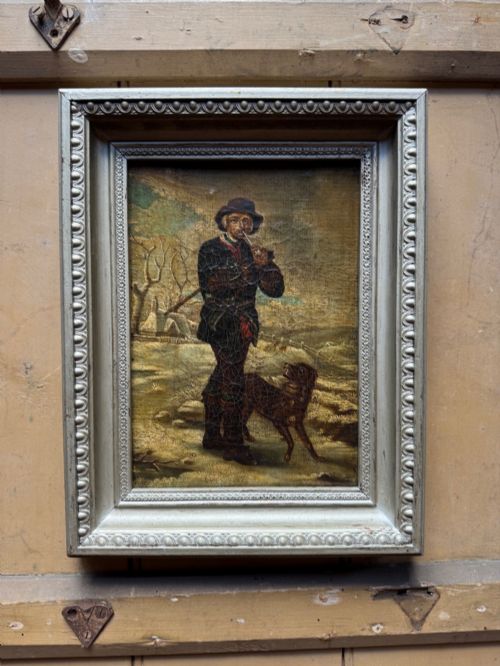
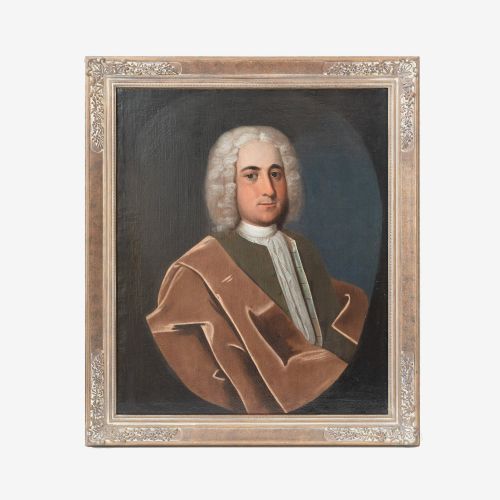
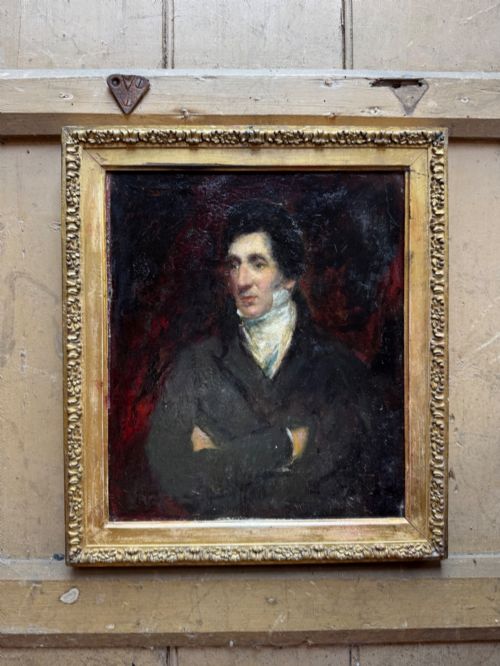
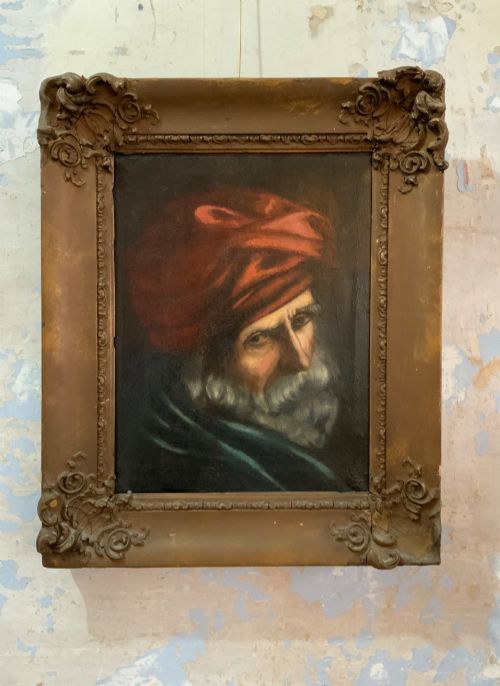
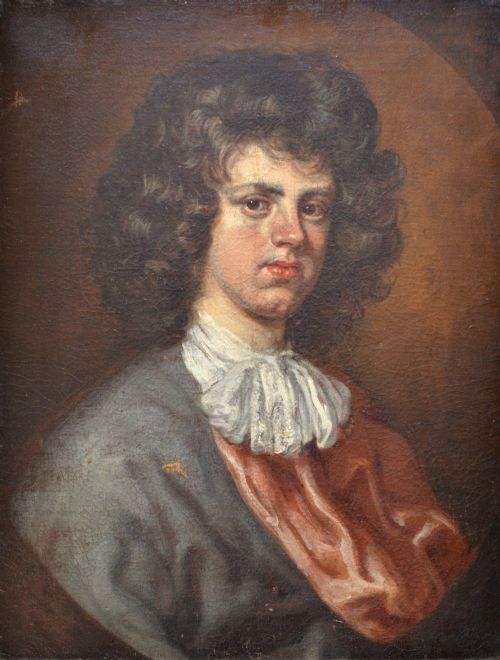
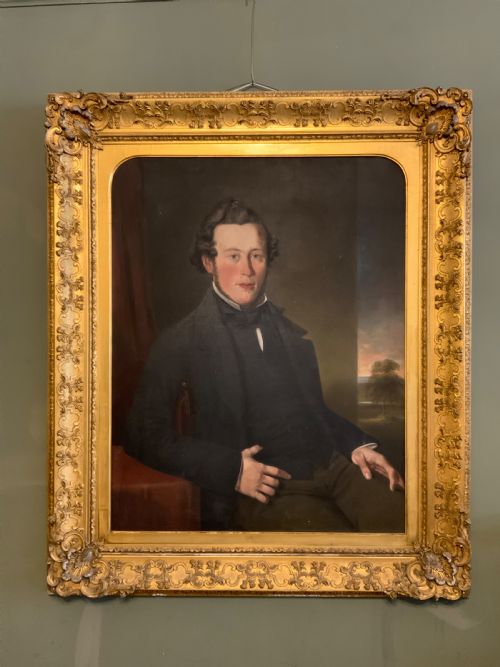
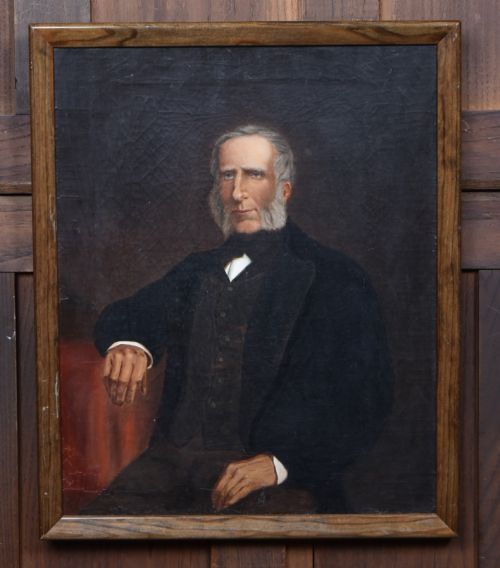
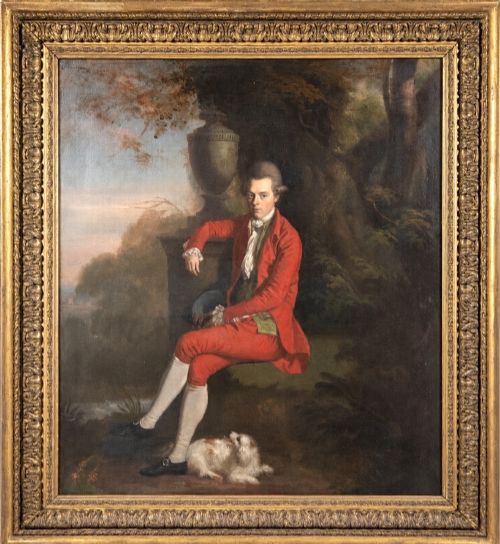
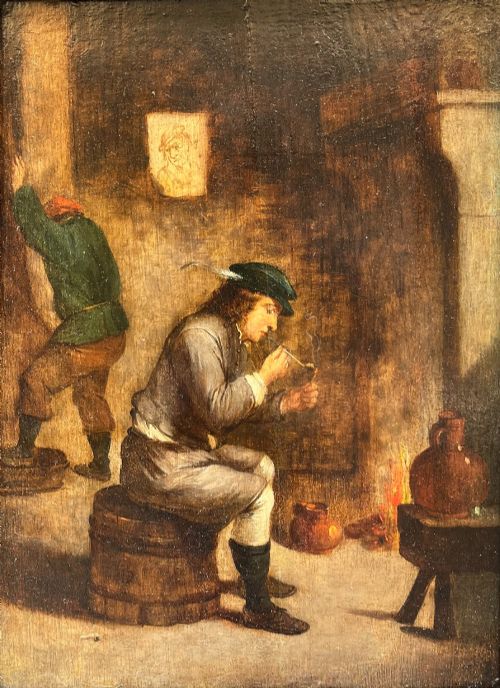
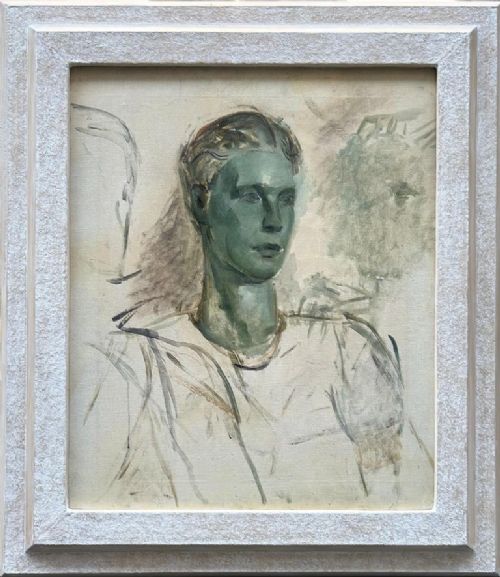
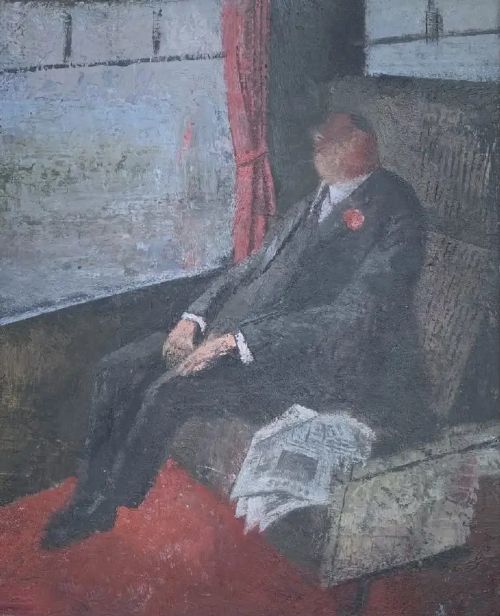
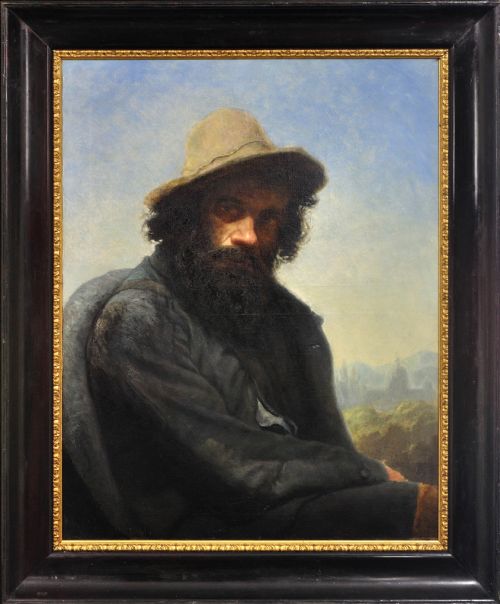
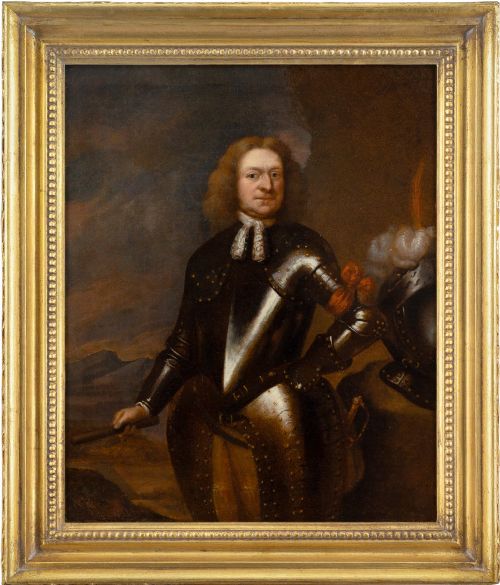
An antique oil painting man search reveals primarily portraiture, depicting gentlemen, aristocrats, soldiers and historical figures across multiple centuries. These artworks span the seventeenth, eighteenth and nineteenth centuries, featuring subjects ranging from formal seated aristocrats to genre scenes of men smoking or playing cards.
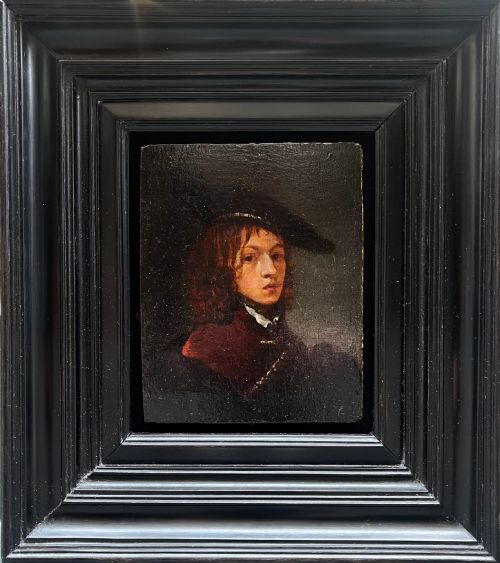
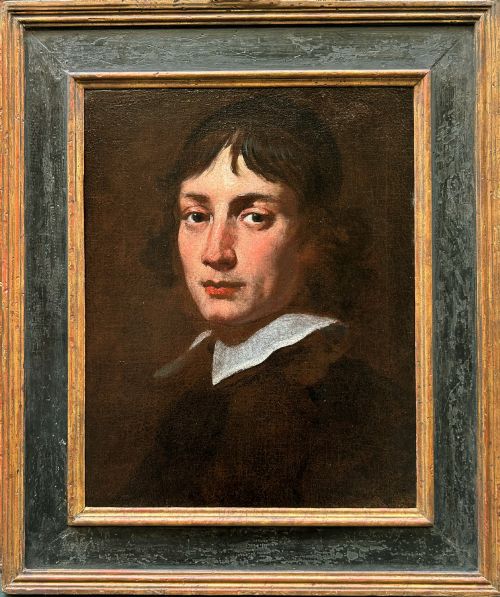
The selection on this page frequently offers works from the Victorian era and the nineteenth century alongside earlier seventeenth-century Continental schools. Buyers encounter formal bust-length portrayals, self-portraits by known artists, and regional landscapes incorporating male figures or maritime scenes.
Materials and Techniques
These works were produced using oil paint applied to stretched canvas or wooden panels, capturing fine details of facial expression and costume. Artists utilised traditional pigments combined with linseed or other drying oils to build up translucent glazes and opaque highlights.
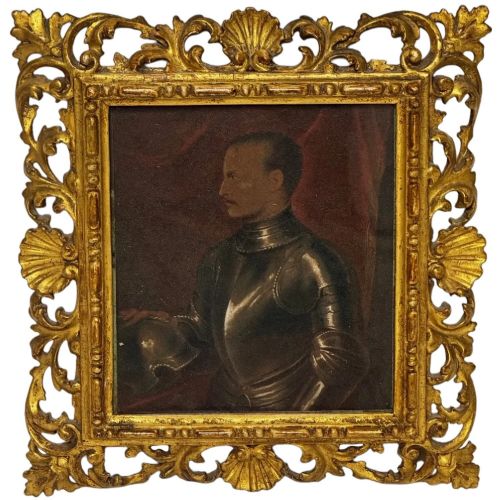
Surviving pieces are often housed in their original surrounds, incorporating carved giltwood and gesso frames that reflect the decorative tastes of their respective periods.
Several gentlemen in the collection stare outward accompanied by pipes, jugs, and in one notable instance, a remarkably stern expression.
Evaluating Artistic Merit
The preservation of the paint surface and the historical integrity of the associated frame also contribute significantly to the standing of an individual piece within its period.
Felix Stone Moscheles·Albin Mattenheimer·Johann Hamza·Edouard Julien·Frederick Goodall
The Antique Oil Painting Man Glossary
- Canvas
- A heavy woven fabric stretched across a wooden stretcher frame to serve as a support for oil painting. It provides a flexible and durable surface that reacts to environmental humidity.
- Gesso
- A traditional primer mixture consisting of a binder mixed with chalk, gypsum, or pigment used to prepare wood panels or frames for painting or gilding. This creates a smooth, absorbent ground for subsequent layers.
- Genre painting
- The pictorial representation of scenes from everyday life, involving ordinary people engaged in common activities. These works provide valuable social history through their depiction of contemporary costume and interiors.
- Baroque
- An artistic style originating around sixteen hundred, characterised by dramatic use of shadow, intense emotion, and dynamic movement. Works in this tradition emphasise theatrical lighting and rich colour palettes.
Antique Oil Painting Man: Frequently Asked Questions
How do I date an antique portrait?
Dating relies heavily on the subject's clothing, hairstyle, and facial hair, which strictly followed the fashion of specific decades. Frame styles and the physical characteristics of the canvas or panel also offer reliable chronological clues.
Examining inscriptions, signatures, or exhibition labels on the reverse provides further verification of the painting's creation period.
Where should I hang an oil painting?
Oil paintings require stable environments away from direct sunlight, which can fade pigments over time. Avoid placing them on exterior walls subject to dampness or directly above active heat sources.
Maintaining consistent indoor humidity prevents the canvas from slackening and protects the wooden stretcher and frame from warping.
What is the difference between canvas and panel?
Canvas supports are flexible woven textiles attached to wooden stretchers, introduced widely for larger portable works. Wooden panels provide a rigid, solid support often found in earlier periods and smaller cabinet paintings.
Panels require careful monitoring for wood movement, whereas canvas responds more readily to atmospheric tension changes.
Why do some portraits show men in armour?
Armour in seventeenth and eighteenth-century portraits served as a visual shorthand for nobility, military command, and aristocratic status. Sitters frequently commissioned such depictions to project authority and lineage, even if they were not active combatants.
This artistic convention draws upon historical portrait traditions established across European royal and military courts.