


18th Century Framed Artwork
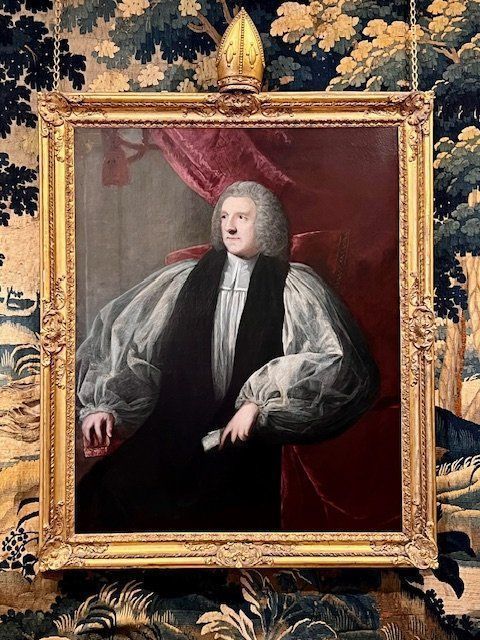
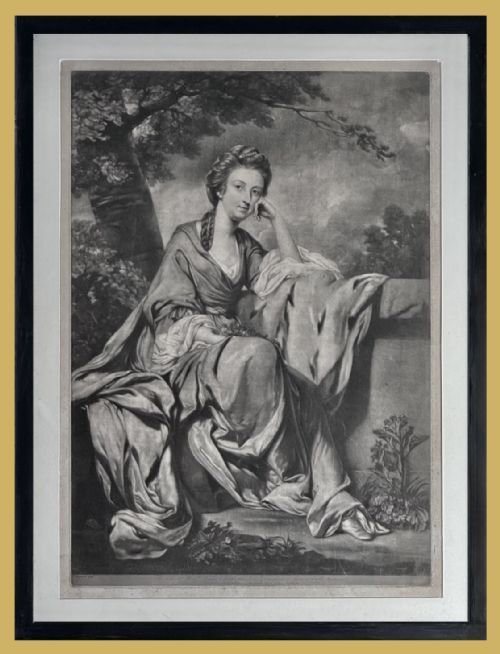
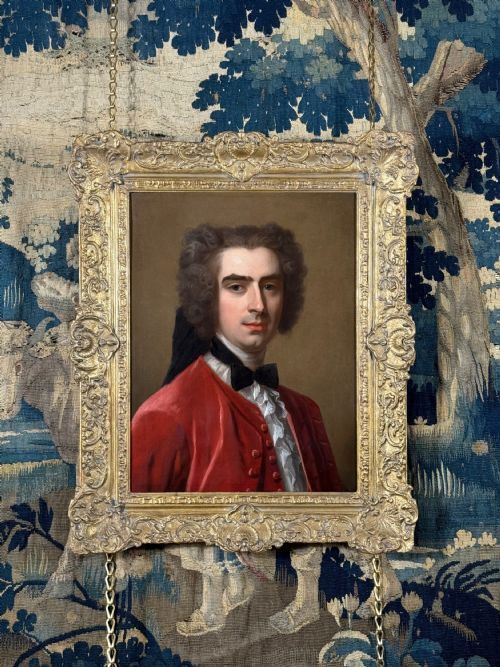
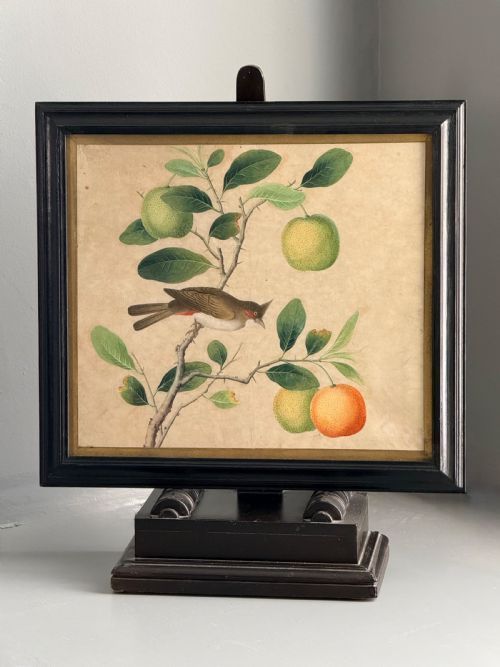
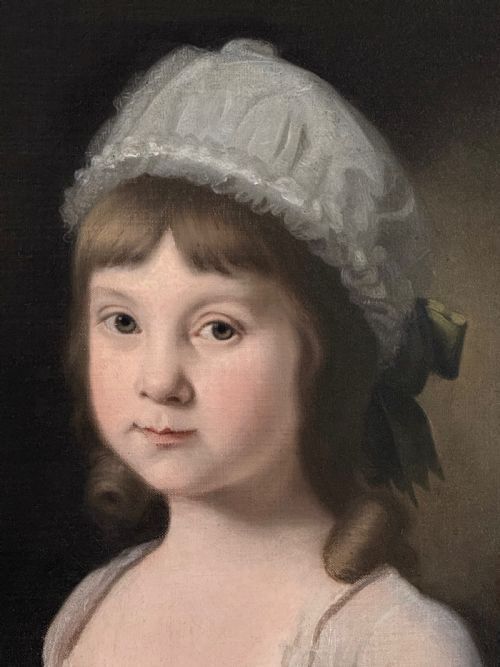
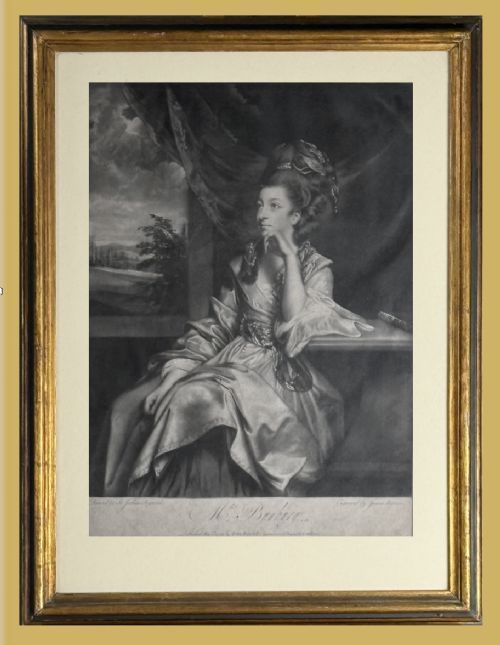
18th century framed artwork brings together oil paintings, pastels, gouache and prints enclosed in period mounts.
18th Century Framed Artwork
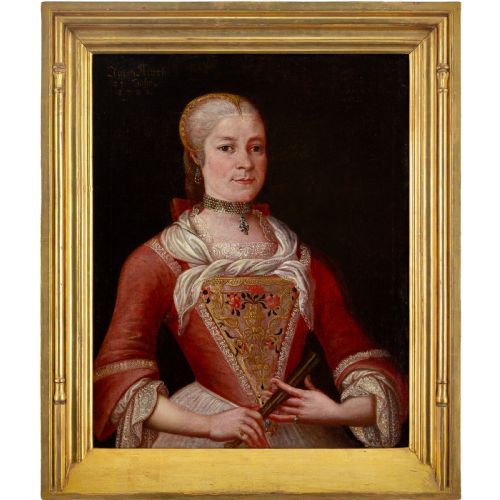
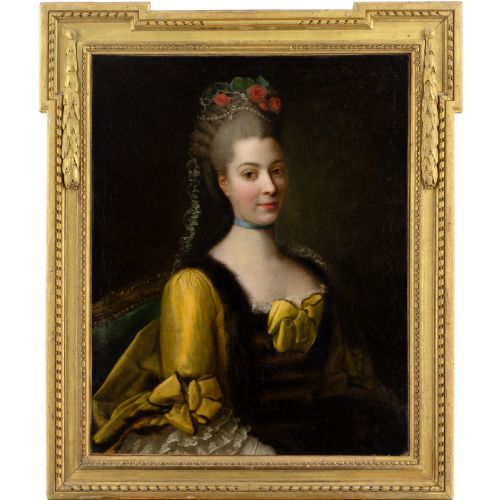
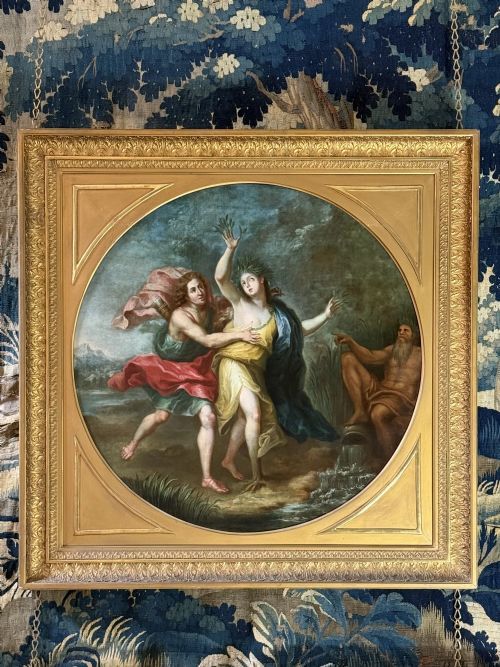
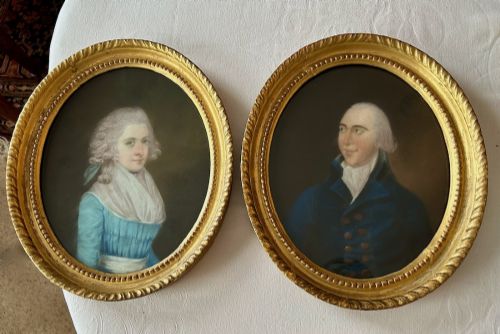
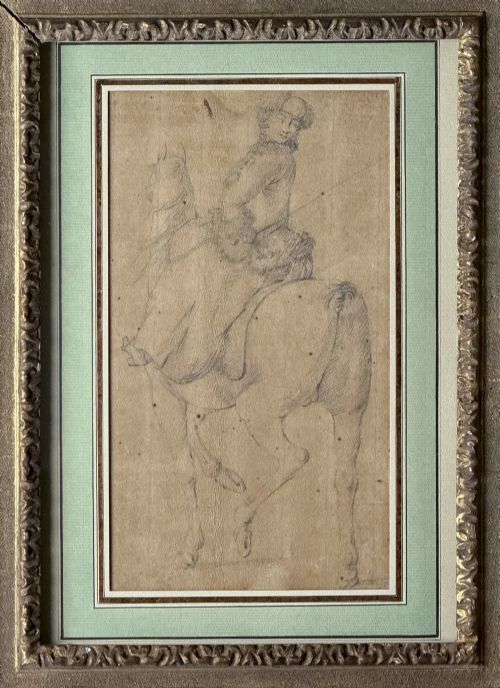
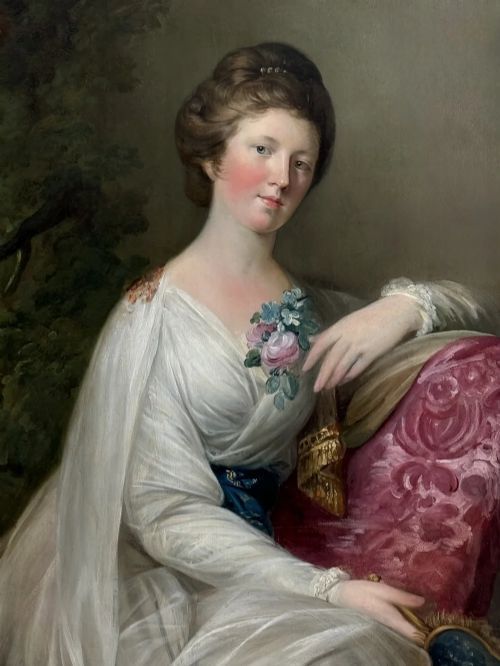
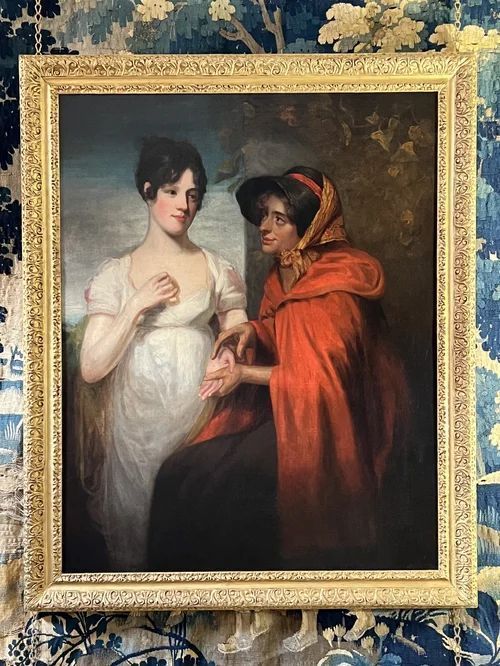
When searching for 18th century framed artwork, collectors encounter oil paintings on canvas, pastel portraits, ink drawings and printed works. These pieces span portraiture, classical mythology, botanical subjects and genre scenes.
The objects on this page often take the form of individual likenesses, pairs of decorative panels and engraved reproductions of major compositions. Materials like wood, glass and paper support pigments, inks and gold leaf.
Origins range across British, European and Chinese export workshops, reflecting the artistic currents of the Georgian era, Baroque periods and Neoclassical styles.
Materials and Construction
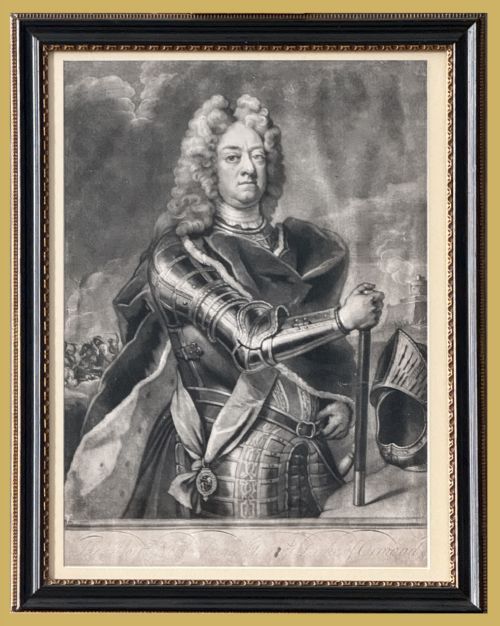
Painters applied oil pigments onto canvas surfaces, whilst pastel artists worked dry pigments onto prepared papers. Engravers incised copper plates for printing, sometimes adding hand-colouring in watercolour or ink.
Makers enclosed these works within timber frames shaped from woods like oak or pine, frequently finished with carved gesso and gold leaf. Reverse glass techniques involved applying paint directly to the rear of glass plates.
Listings feature oil on canvas, pastel on paper, and gouache on pith paper alongside mezzotint and engraved prints.
Factors Determining Quality
The execution of the primary medium dictates the standard of a piece, separating skilled brushwork or delicate hatching from stiff, mechanical copies. Original compositions by documented hands hold greater artistic weight than workshop iterations.
The integrity of the frame contributes significantly to the overall piece, with period mouldings and original gilding preserving the contextual history of the artwork.
John Simon·Michael Dahl·Sir Joshua Reynolds·Edward Fisher·Jean-Baptiste Van Loo·Katsukawa Shunshō·Benedetto Luti
The 18th Century Framed Artwork Glossary
- Mezzotint
- A printmaking process of the intaglio family where the plate is roughened to achieve rich tonal gradations.
- Pastel
- A dry painting medium consisting of powdered pigment and a binder, worked onto paper surfaces.
- Giltwood
- Timber that has been coated with a thin layer of gold leaf over a prepared gesso ground.
- Gouache
- An opaque water-based paint medium that includes a binding agent such as gum arabic.
- Reverse glass painting
- A technique where the artist paints directly onto the reverse side of a glass sheet to be viewed from the front.
18th Century Framed Artwork: Frequently Asked Questions
How do I hang antique frames safely?
Support the weight using wall studs and appropriate brass fixings rather than plaster alone. Ensure the hanging wire or cord attached to the frame remains secure.
Keep the artwork away from direct sunlight and damp walls to protect the paper, canvas and wood components from deterioration.
Are these works original period pieces?
The listings comprise works created during the eighteenth century alongside contemporary printings and later nineteenth-century interpretations of earlier compositions.
Examine the backboards, fixings and paper characteristics to help determine the age of both the artwork and its surrounding frame.
What subjects were popular then?
Portraiture dominated the period, capturing prominent figures, nobility and fashionable society alongside everyday country folk. Classical mythology and theatrical scenes also inspired many compositions.
Artists frequently depicted literary narratives, anatomical studies and botanical specimens for educated patrons.