
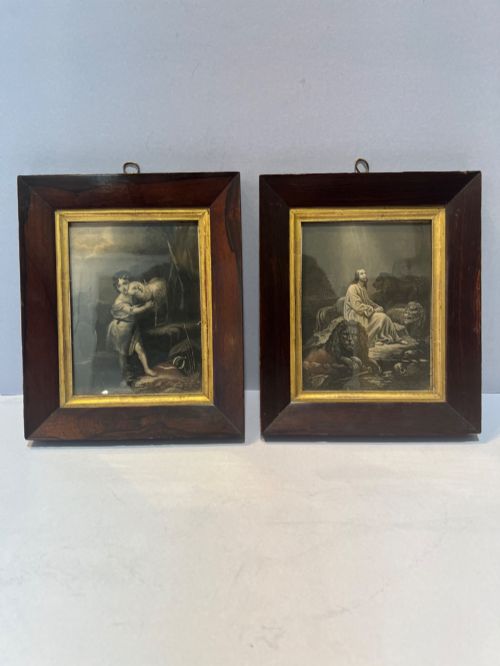


Pair of Classical Portraits
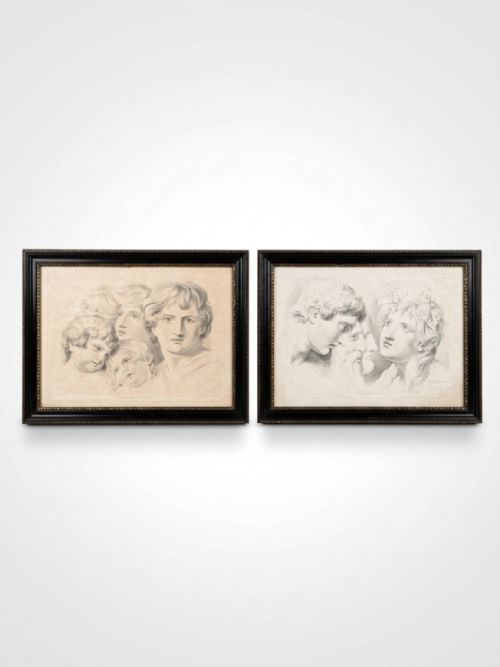
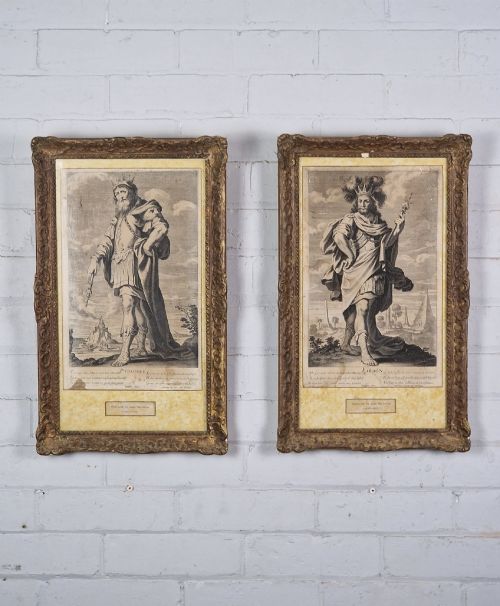
A pair of classical portraits brings symmetry and historical gravity to a room, offering matched depictions of notable figures or classical subjects.
Pair of Classical Portraits
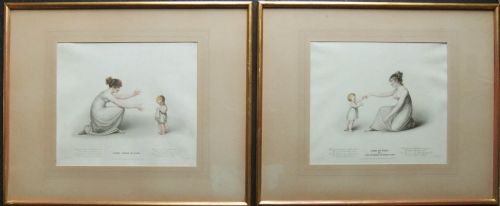
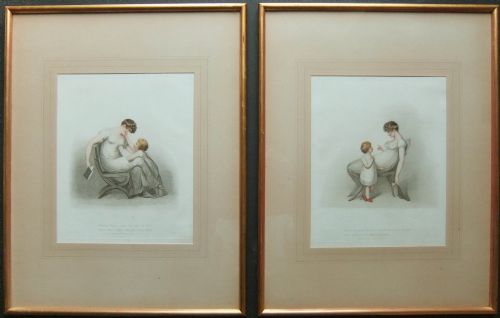
A pair of classical portraits comprises matched artworks or sculptural reliefs depicting historical figures, mythological subjects, or literary personages in a formal style. These works draw upon antique traditions, presenting subjects with a sense of dignity and proportion suited to formal display.
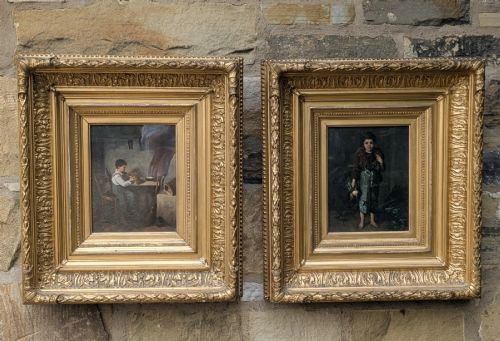
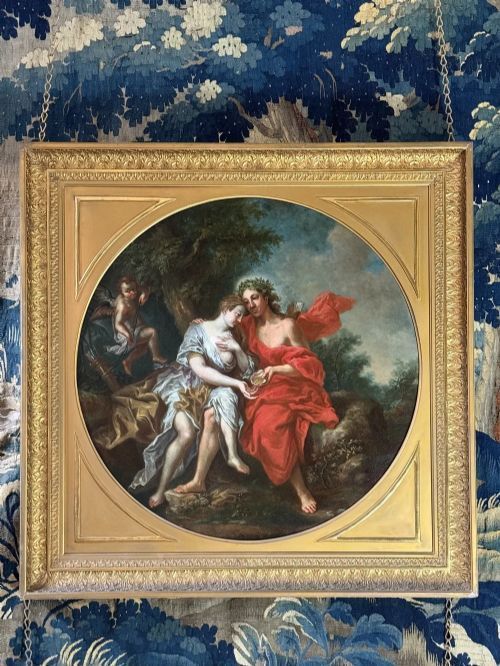
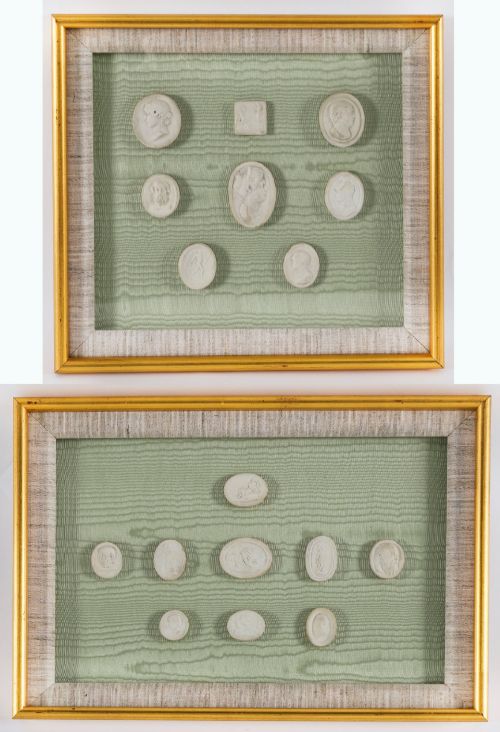
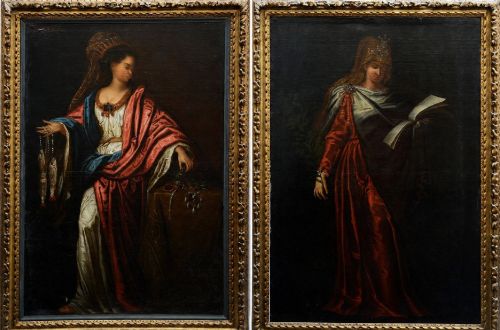
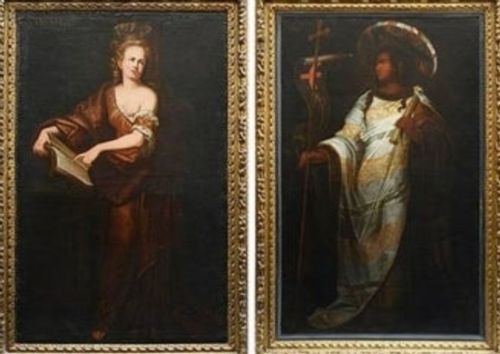
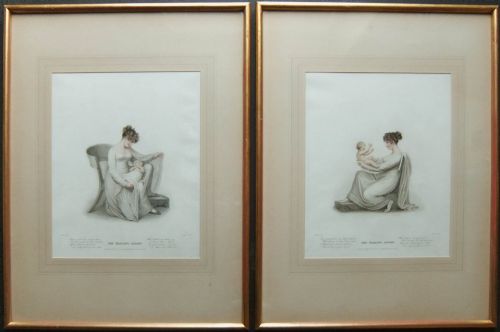
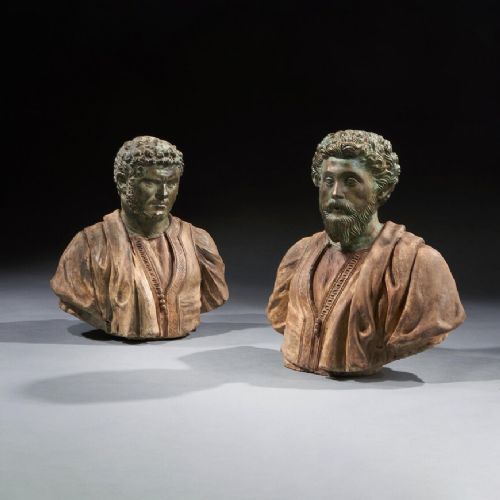
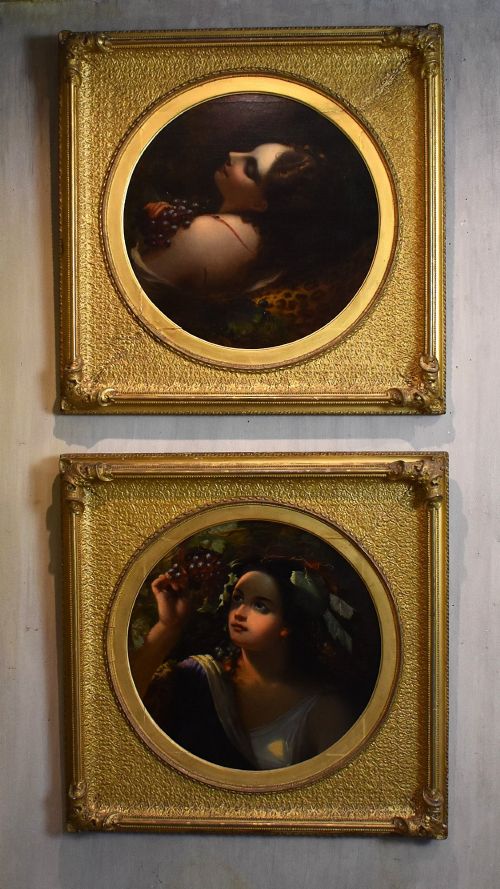
The selections on this page span the eighteenth and nineteenth centuries, taking the form of oil paintings on canvas, framed prints, engraved works, and carved wall plaques. Many examples reflect the influence of the Grand Tour, capturing the likenesses of Roman emperors, philosophers, and poets in marble, terracotta, cast iron, and wood.
Buyers frequently encounter dual arrangements featuring mythological pairs, historical rulers, or matched male and female subjects intended to hang together as a balanced decorative set. The formats range from small wall plaques housed in turned mahogany frames to substantial oil paintings and sculpted busts.
How they were made
Makers utilised traditional artistic media including oil paint on canvas and board, alongside detailed paper engravings and mezzotints. Sculptural examples involve meticulous carving in marble, mahogany, and terracotta, or casting in bronze, iron, and lead.
Frames and mounts play an integral role in the construction of these dual works, incorporating gilt wood, dome-fronted glass, and turned timber surrounds. These housings protect the delicate paper works and provide the rigid structure necessary for heavy bas-relief wall plaques and framed canvases.
Materials represented across the selection include carved mahogany, gilt wood, terracotta, cast iron, and canvas.
What varies in quality
Execution of detail separates fine sculptural profiles and oil paintings from simpler decorative output, particularly in the rendering of facial expressions, drapery folds, and hair. Masterful handling by known artists or skilled workshops yields greater psychological depth and anatomical precision.
The integrity of the matching pair remains paramount, as these works were conceived as dual companions to create visual equilibrium. Pieces that retain their original matched frames, uniform patination, and corresponding proportions preserve the intended artistic harmony.
Jean Mariette·CHARLES-ANTOINE COYPEL·Adam Buck·Theodore Jensen·Robert Sayer·Ferruccio Vitale·Hermann Armin Kern·Del Buono·Francois Boucher·Kasper Hendrik Roskam·Leonhard Posch
The Pair of Classical Portraits Glossary
- Intaglio
- A design carved into the material so that the impression sits below the surface. These works are frequently found in plaster and gemstone productions from the Grand Tour period.
- Mezzotint
- A printmaking method of the intaglio family where the artist works from dark to light to achieve tonal gradations. This technique creates soft transitions and rich shadows in historical portrait prints.
- Roundel
- A circular panel or relief sculpture used for decorative portraits. These circular formats frequently house profile likenesses of historical figures within turned wood frames.
- Grand Tour
- A traditional journey of Europe undertaken by upper-class young men to absorb classical culture and art. Souvenirs from these travels included marble and plaster profile portraits of classical authors and emperors.
- Bas-relief
- A sculptural technique where the figures project only slightly from the background plane. This method was widely employed for Italian marble and mahogany wall plaques depicting classical profiles.
Pair of Classical Portraits: Frequently Asked Questions
How do I hang a pair?
Hang the two portraits at eye level with consistent spacing between them to maintain visual balance.
Position the subjects so that profiles face inward toward one another rather than outward away from the central axis.
What periods do these cover?
The pieces span the eighteenth century through the late nineteenth and early twentieth centuries.
Earlier works reflect neoclassical aesthetics, while Victorian examples often embrace heavier academic realism and commemorative portraiture.
How were marble plaques displayed?
Marble and terracotta profile plaques were designed to be mounted directly onto walls as sculptural relief art.
Many examples retain integrated hanging loops or sit within fitted wooden surrounds for secure architectural placement.
Are painted pairs by the same artist?
Matched oil paintings and engravings are typically executed by the same hand as companion pieces.
Artists frequently created complementary subjects, such as historical rulers or contrasting allegorical figures, to be exhibited together.