



Antique French Portrait Pair
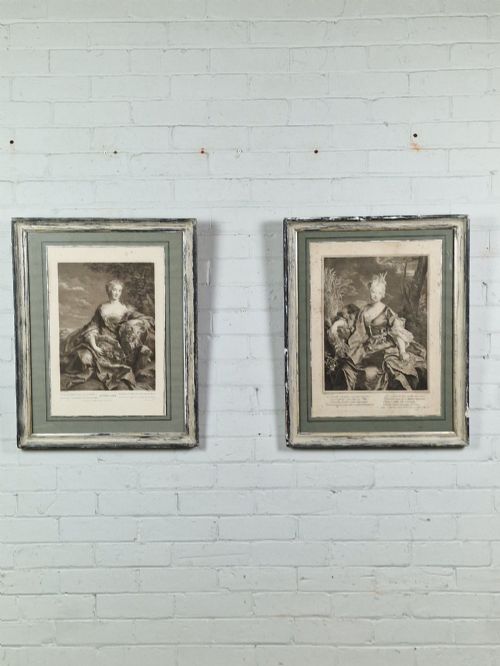
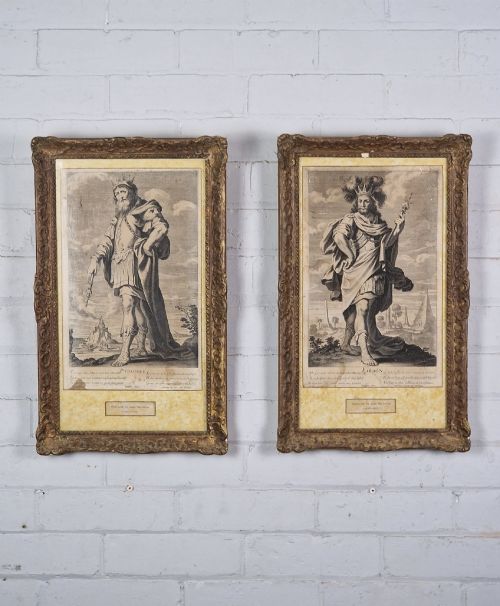
An antique french portrait pair brings together matching likenesses in oil, engraving, bronze, or porcelain from centuries past.
Antique French Portrait Pair
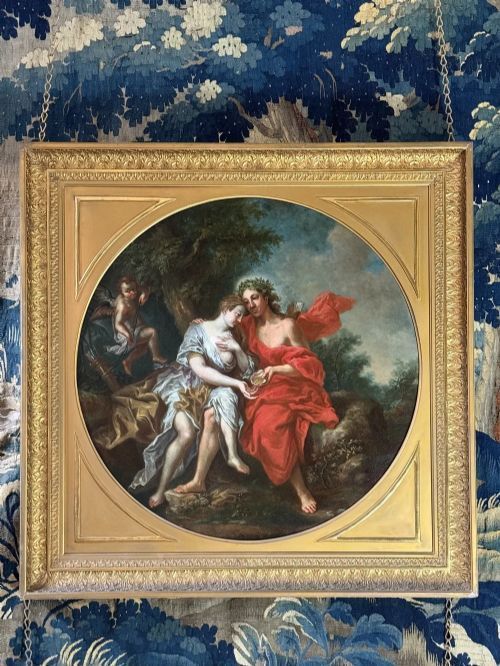
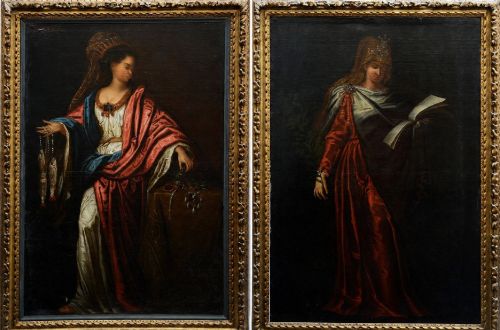
When you search for an antique french portrait pair, you encounter companion pieces depicting notable figures, nobility, or classical subjects across media ranging from oil paintings to bronze roundels and porcelain vases. These matching sets emerge from periods spanning the eighteenth and nineteenth centuries into the early twentieth century, reflecting diverse French artistic movements from the Baroque and Rococo through to the Empire and Victorian eras.
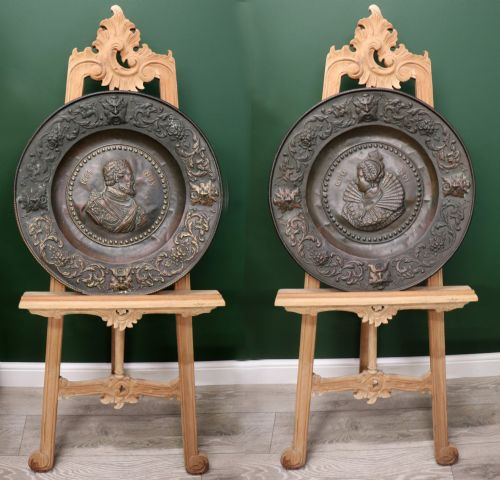
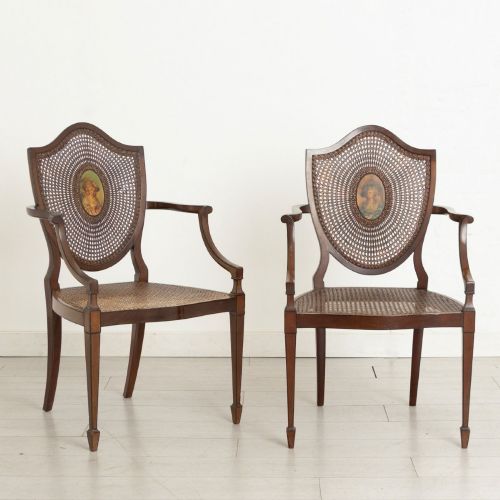
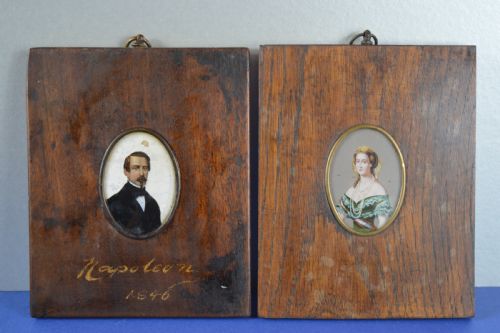
The objects take many forms on this page, including framed prints, painted canvas panels set into beds, gilt brass photo frames, terracotta busts, and carved medallion chairs. Pairs frequently represent historical or mythological companions such as Voltaire and Rousseau, Apollo and Daphne, or Napoleon and Marie-Louise Bonaparte, maintaining a balance intended for symmetrical interior display.
Materials and construction
Makers utilised traditional artistic mediums including oil paint on canvas, paper for engravings and prints, pastel and gouache, and enamel on copper or metal surfaces. Structural elements incorporate wood such as mahogany, cast lead bronzes, ormolu, gilt brass, gold leaf, copper, and terracotta, while frames often feature detailed hand carving or applied gilding.
Decorative details rely on specialised craftsmanship, from hand-painted porcelain panels and Sevres porcelain mounts to intricate pewter plates and carved medallion frameworks. These techniques combine to secure lasting stability for wall lights, wall chargers, curtain tie backs, and framed pictures alike.
Some nineteenth-century subjects include royal pets and animal portraits framed for natural art displays.
Differences in quality
Materials also dictate the tier of the piece, with genuine ormolu, hand-painted porcelain, and period timber frames showing greater depth of finish than later cast metal substitutes or simpler prints. The fidelity of historical likenesses and the preservation of original surfaces further distinguish finer works.
Jean Mariette·CHARLES-ANTOINE COYPEL·Francois Boucher
The Antique French Portrait Pair Glossary
- Ormolu
- Gilded bronze applied to decorative arts and furniture mounts. This technique creates a rich golden finish characteristic of luxury French metalwork.
- Roundel
- A circular painting, relief, or frame. These format types often house profile portraits of historical rulers or figures.
- Gouache
- An opaque watercolour paint method. Artists used this medium alongside pastels to achieve matte, highly pigmented portrait finishes.
- Wall Charger
- A large decorative plate or dish intended for display on a wall rather than dining use. They often feature prominent painted or embossed portraits.
- Restauration
- A French stylistic period bridging the fall of the Empire and the July Monarchy. Design during this phase retained classical restraint while introducing new decorative warmth.
Antique French Portrait Pair: Frequently Asked Questions
What subjects appear on these portraits?
Subjects include historical rulers, literary figures, mythological characters, and nobility. Common pairings feature companion political leaders, philosophers, or classical deities.
Pairs often reflect the specific political or cultural tastes of the era in which they were produced, ranging from eighteenth-century classical oil paintings to nineteenth-century bronze roundels of Bonaparte.
How were these pairs displayed originally?
Pairs were designed for symmetrical placement within domestic interiors, hanging on opposite sides of a mirror, mantelpiece, or doorway. Some served functional roles as curtain tie backs, wall lights, or bed panels.
Their matched nature created visual balance in formal reception rooms and private chambers alike, anchoring the decor around a central theme.
How do I identify the period of a pair?
Dating relies on the artistic style, framing materials, and medium used, such as eighteenth-century oil paintings versus late nineteenth-century porcelain and gilt brass frames. Examining the backs of panels, paper types, or metal casting techniques offers further clues.
Stylistic markers like Rococo curves or Empire military motifs align with specific decades recorded across the listings.
Are these items painted by hand?
Many listings feature hand-painted oil canvases, pastel and gouache works, terracotta busts, and hand-painted porcelain panels. Other examples comprise period engravings, prints, and cast metal roundels.
Close inspection of the surface reveals the brushwork, ink impressions, or chisel marks that distinguish unique hand-finished items from mass-produced editions.