
18th Century Flatware
18th century flatware brings sterling silver and pewter spoons, ladles, and forks from the Georgian era to the modern table.
18th Century Flatware
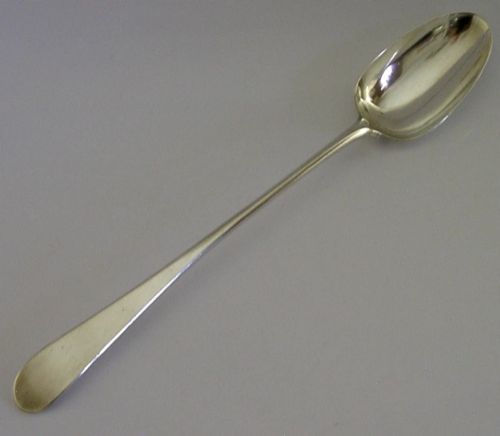
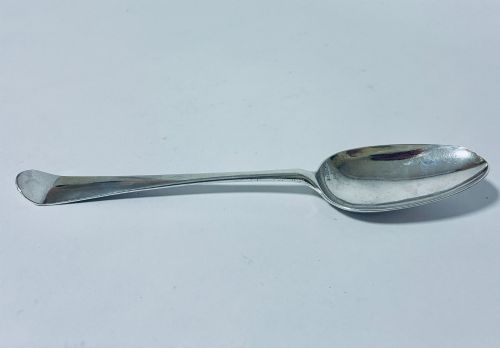
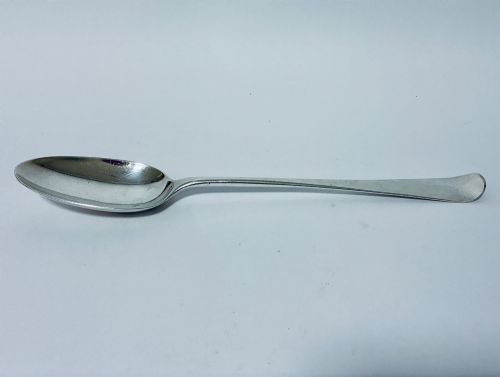
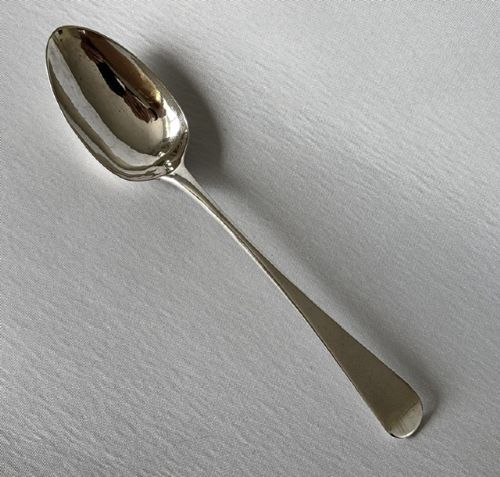
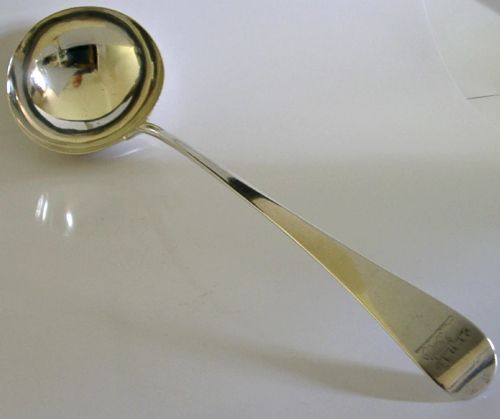
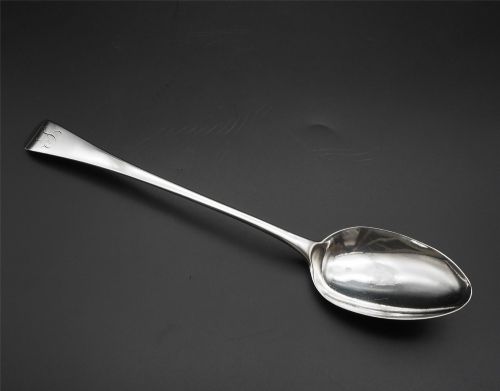
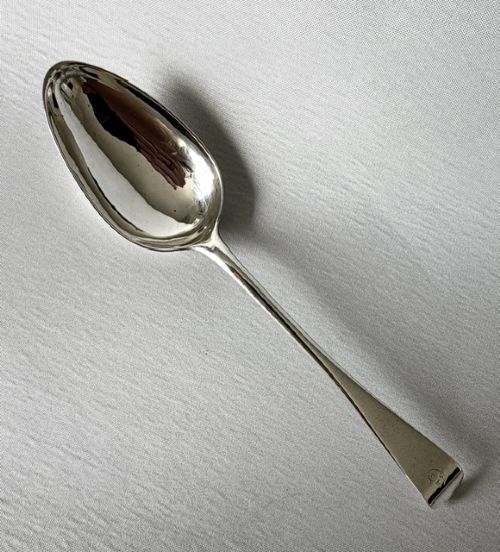
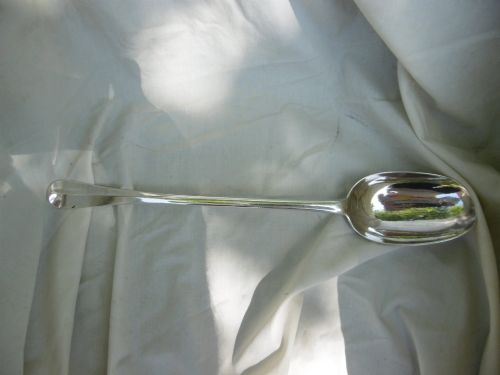
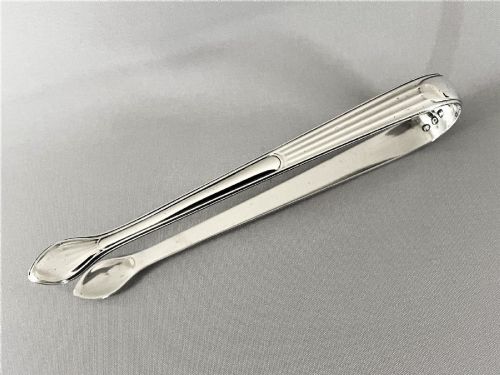
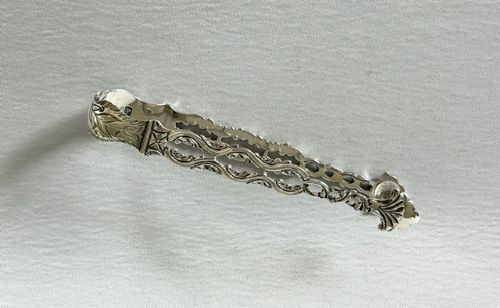
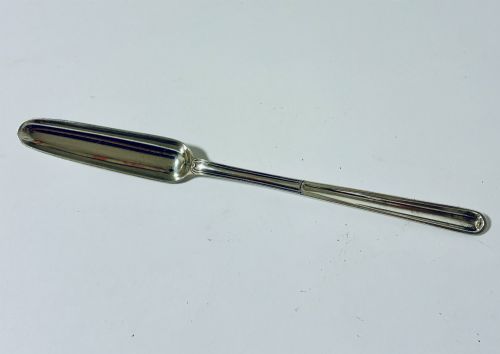
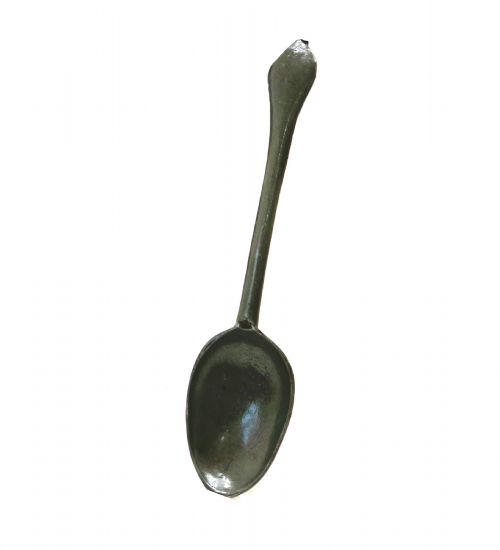
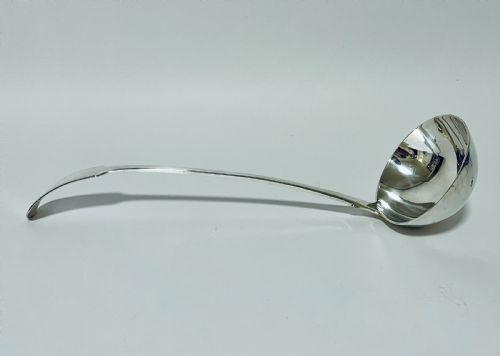
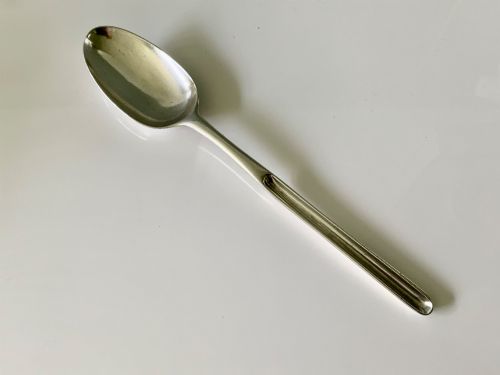
When buyers search for 18th century flatware, they encounter serving spoons, tablespoons, marrow scoops, and sugar tongs from the Georgian period and earlier reigns. The pieces span Queen Anne, George I, George II, and George III styles, alongside wooden cutlery boxes.
The most common examples on this page are sterling silver and Britannia silver spoons originating from London, Newcastle, and provincial English or Irish makers. Dessert forks, hash spoons, and basting ladles also appear frequently among the listings.
Materials and technique
Silversmiths shaped these items using sterling silver and high-purity Britannia silver, though early metalware examples utilise pewter. Mahogany timber appears in fitted storage boxes alongside brass fittings, velvet, and silk linings.
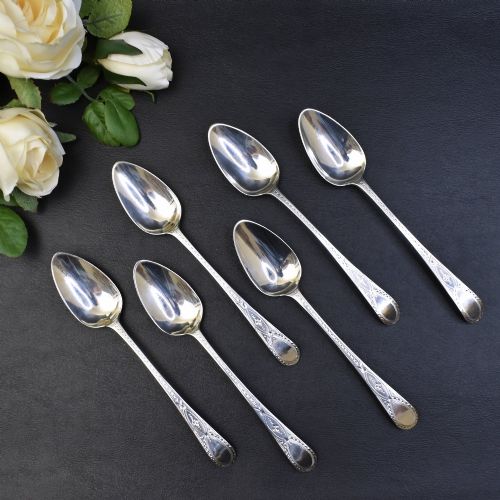
Makers employed casting and piercing techniques for tongs and spoons, often adding bright-cut engraving or rat tail reinforcement to the bowls.
Tea drinkers relied on mote spoons to fish stray leaves out of cups while using the pointed stem to unblock clogged teapot spouts.
Craftsmanship and marks
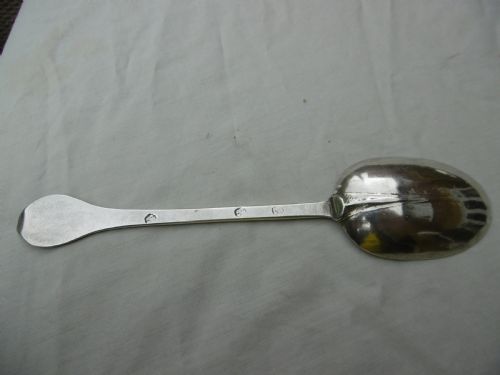
The distinction between standard utensils and finer work rests on the clarity of hallmarks, the weight of the silver, and the crispness of crest engravings. Maker marks from prominent silversmiths elevate the standing of a piece.
Proportional balance and the preservation of original cast details, such as bright-cut patterns and rat tail junctions, determine the overall execution of surviving items.
Peter and Jonathan Bateman·Hester Bateman·Andrew Archer·E Coker·William Scarlett·John Locker·John Wilks·Benjamin Watts·John Smith·Michael Smith·James Tait·Robert Gordon·Wilkes Booth·Peter and Anne Bateman·James Tookey
The 18th Century Flatware Glossary
- Britannia silver
- A higher standard of silver alloy containing 95.84 percent pure silver, introduced by statute in England during the reign of Queen Anne. This standard was mandatory for silversmiths until standard sterling silver was restored.
- Rat tail
- A tapering tongue-like ridge on the reverse of a spoon bowl that extends down the handle shaft for reinforcement. This feature is particularly common on pieces from the early part of the eighteenth century.
- Bright-cut
- An engraving technique utilising faceted V-shaped cuts to create glittering geometric or floral patterns on silver surfaces. It gained popularity during the late Georgian period.
- Mote spoon
- A small, slender spoon with a pierced bowl used during the eighteenth century for skimming tea leaves from brewed cups. The pointed stem tip served to clear blockages in the teapot spout.
18th Century Flatware: Frequently Asked Questions
How do I identify silver periods?
Hallmarks stamped into the metal provide the primary evidence for dating, revealing the assay office, date letter, and silversmith's mark. Stylistic indicators like rat tail bowls and bright-cut engraving also point to specific decades.
Changes in monarchical reigns, from Queen Anne through the Georgian periods, correspond with shifts in design and manufacturing standards.
Can I use antique spoons daily?
Silver utensils from the Georgian period withstand regular handling when washed by hand in mild soap. Avoid dishwashers and harsh abrasives to protect the historic metal.
Sturdy serving spoons and tablespoons remain entirely functional for modern dining and serving purposes.
What are berry spoons?
Berry spoons are serving spoons that received decorative fruit and floral chasing during the Victorian era, often applied to earlier eighteenth-century silver blanks. They feature heavily embossed bowls.
Original Georgian spoons were sometimes retrofitted in this manner to suit changing dining tastes of subsequent generations.