
18th Century Female Artwork
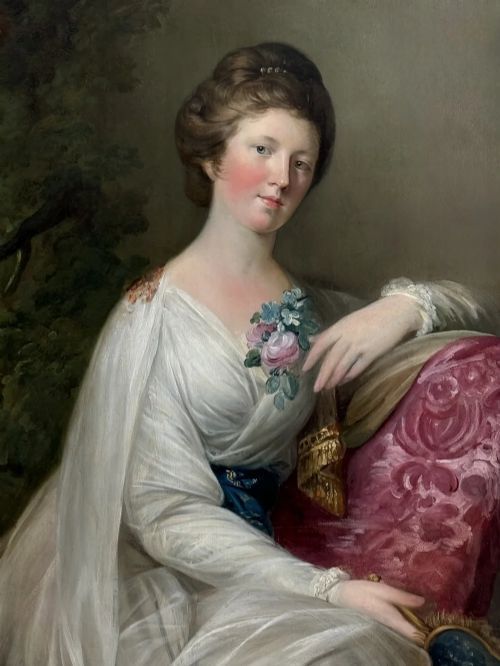
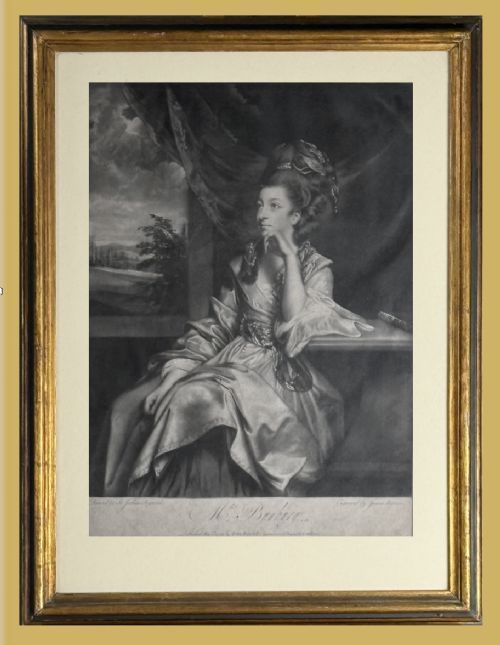
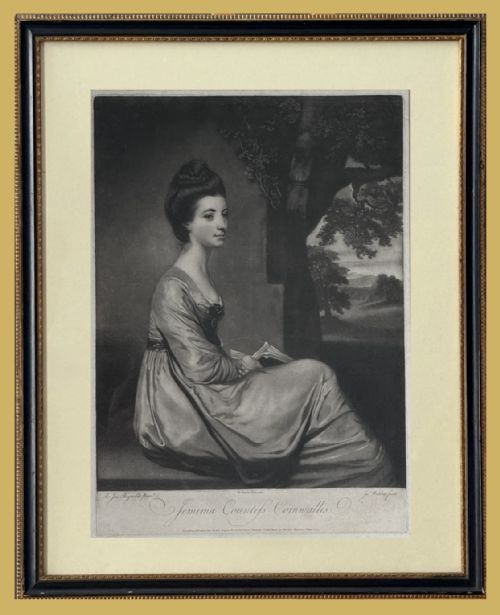
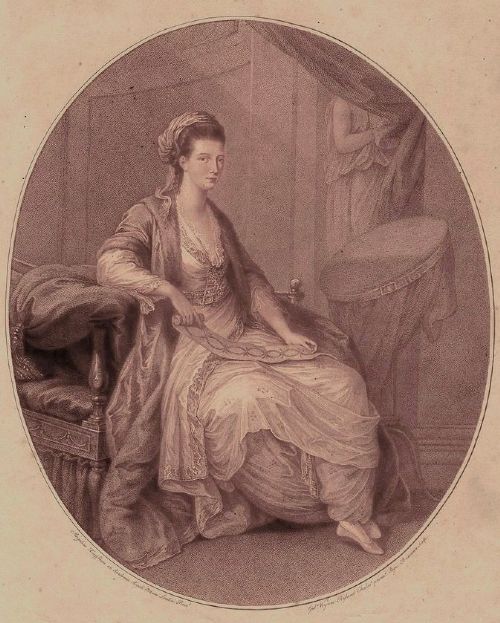
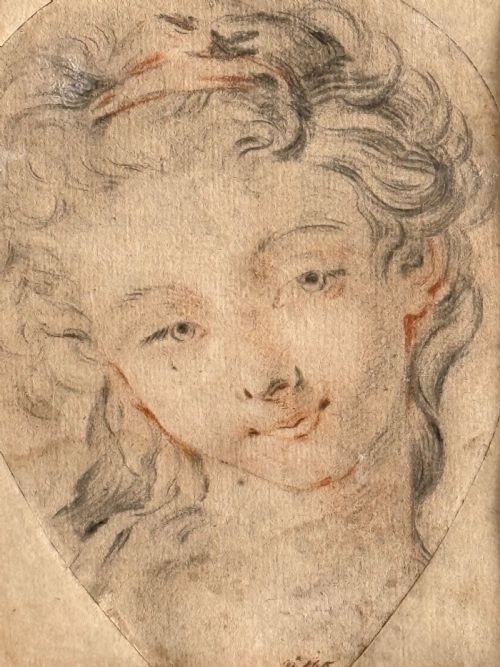
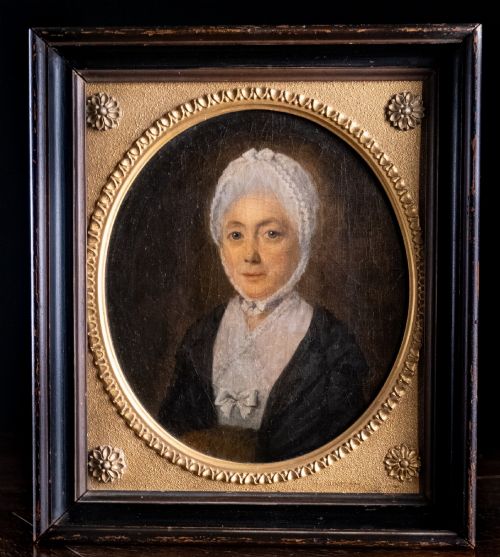
18th century female artwork captures the likenesses of women through oil paintings, pastels, and mezzotints that bring historic character directly into modern spaces.
18th Century Female Artwork
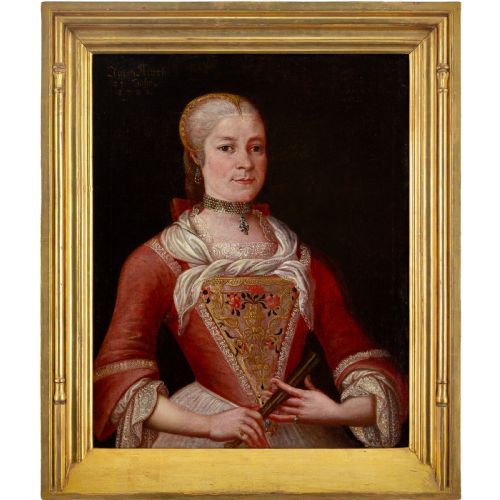
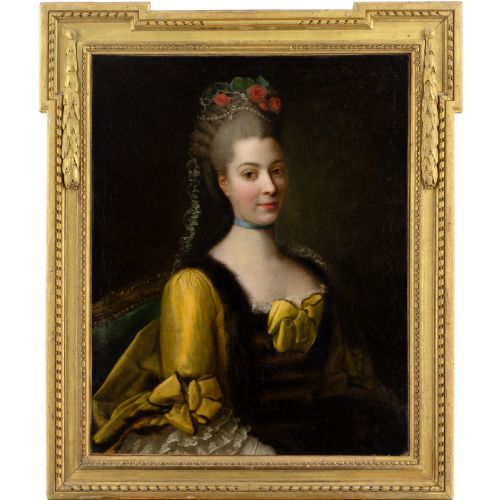
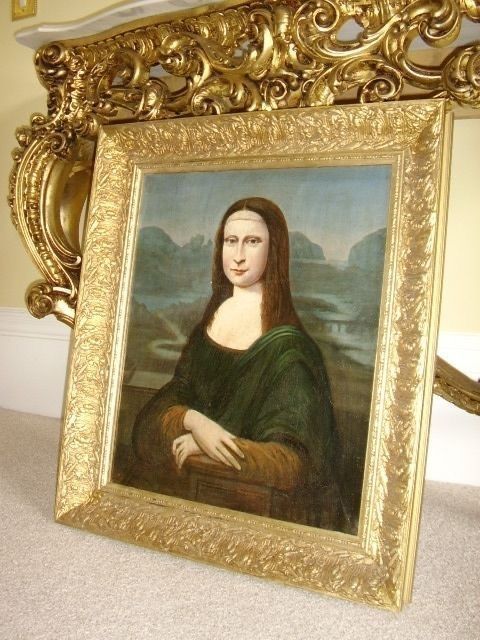
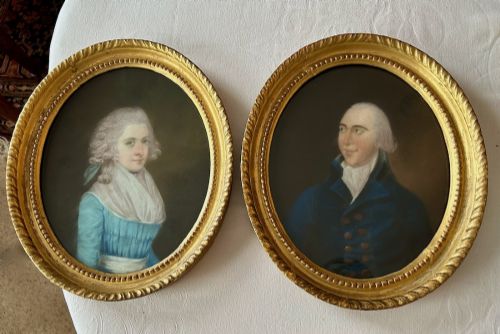
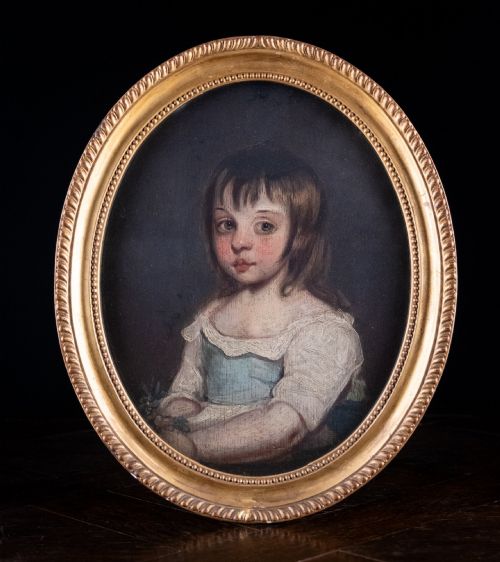
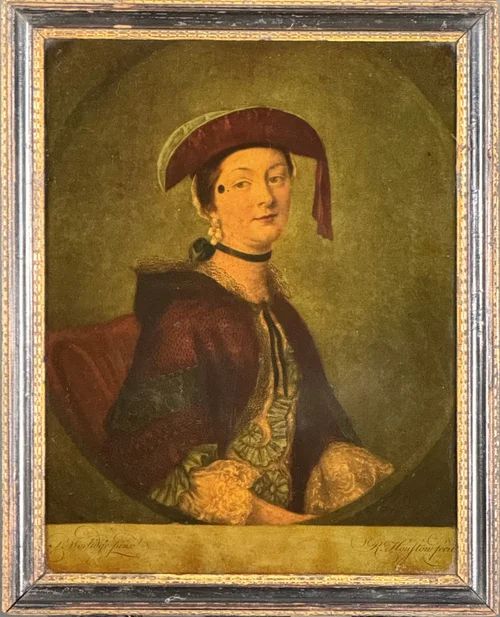
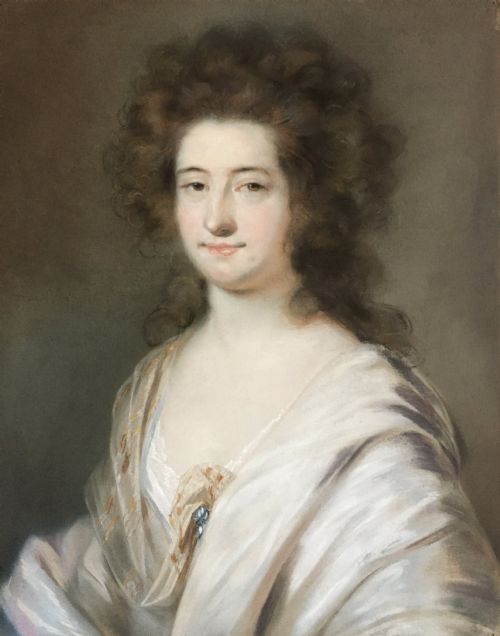
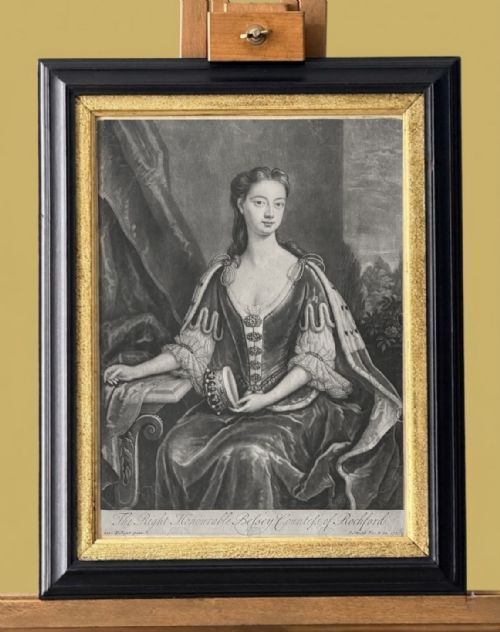
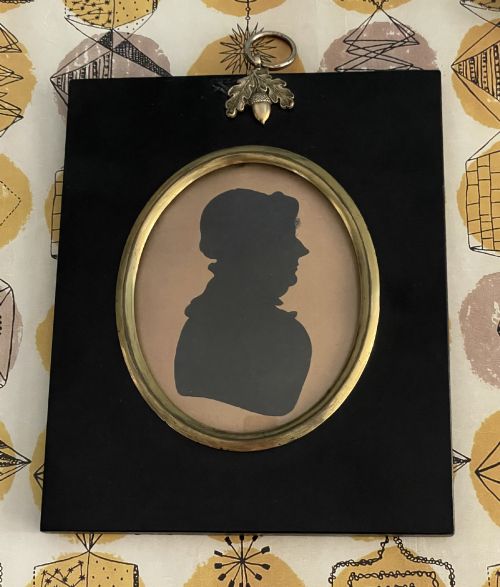
When you examine 18th century female artwork, you encounter oil paintings, pastels, engravings, and mezzotints depicting women of various stations. These pieces range from grand oil on canvas portraits by named artists to delicate pastel studies and reverse painted prints.
The selections on this page lean heavily toward portraits of ladies, countesses, and young girls executed across the Georgian and Regency periods. You will find works originating from English, French, and Bavarian schools, capturing subjects both named and anonymous.
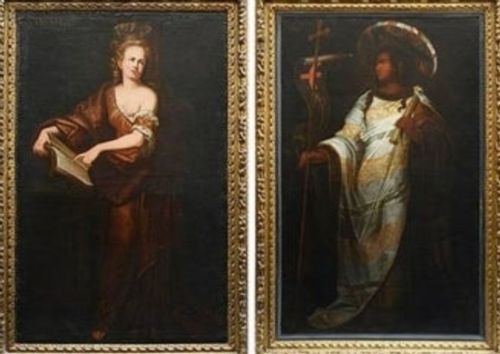
Subjects include specific historical figures such as the Duchess of Devonshire alongside unidentified country girls and allegorical figures like the Cumaean and Delphic Sibyls. The common thread is the depiction of the female subject using the prominent artistic media of the era.
Factors determining quality
The skill of the hand dictates the primary division in quality, separating master portraitists from regional copyists. Superior works demonstrate precise anatomical drawing, nuanced handling of light on skin and fabric, and psychological depth in the sitter's expression.
Material preservation significantly alters the standing of a piece, including the stability of the original canvas, the absence of extensive pigment flaking, and the clarity of print impressions. Early impressions of mezzotints retain rich dark tones that fade in later printings.
Association with a documented artist, printmaker, or named sitter elevates a piece above anonymous workshop production. Works created by established painters or published by noted print houses carry greater documentary weight.
Listings feature works spanning the seventeenth, eighteenth, nineteenth, and early twentieth centuries, encompassing oil, pastel, engraving, and watercolour media.
GEORGE WILLISON·JAMES WATSON·JOHN RUSSELL R.A.·JOHN OPIE RA·FRANCOIS BOUCHER
The 18th Century Female Artwork Glossary
- Mezzotint
- A printmaking process where the copper plate is roughened uniformly to hold ink, then scraped to create light areas. This technique allows for rich tonal variations and smooth gradients particularly suited for reproducing oil portraits.
- Pastel
- A medium consisting of powdered pigment combined with a binder, applied directly to paper. It creates a velvety matte surface prized for its soft rendering of skin tones.
- Giltwood
- Wood carved and coated with gold leaf or gold paint. It provides ornate framing for paintings and mirrors popular in the 18th century.
- Vellum
- Prepared calfskin used as a durable writing and painting surface. Miniature portraits frequently utilised vellum for its smooth, fine texture.
- Provenance
- The documented history of ownership of an artwork. Good provenance helps establish authenticity and historical context.
18th Century Female Artwork: Frequently Asked Questions
How do I identify a true 18th century portrait?
Examine the stretcher frames, canvas type, and pigment composition for characteristics consistent with period workshops. Canvas weave and hand-beveled wooden panels often provide reliable clues to the date of creation.
Compare the style of dress and hairstyle with documented fashion timelines of the Georgian and Regency eras. Written documentation or established provenance further supports the dating of unsigned works.
What is the difference between a painting and a mezzotint?
Paintings are unique original works created by applying wet pigment directly to canvas, wood, or board with a brush. Each stroke is singular and carries the direct touch of the artist.
Mezzotints are printed multiples created from an engraved copper plate. While they reproduce painted compositions, they are works on paper created through a distinct printmaking process.
How should I care for antique works on paper?
Keep works on paper away from direct sunlight to prevent the fading of pastels, watercolours, and printing inks. Ultraviolet light causes irreversible damage to delicate pigments and paper fibres over time.
Maintain stable humidity and temperature levels in the room where you hang the artwork. Framing behind UV-filtering glass with acid-free mounts protects the piece from environmental degradation.
Why are some sitters unnamed in the titles?
Portrait subjects were often unrecorded when paintings were commissioned for private family collections or produced as generalized studies of beauty. Over centuries of changing ownership, identifying records frequently became separated from the artwork.
Artistic focus during the period also shifted toward idealized female archetypes or seasonal representations rather than specific historical individuals. Anonymous portraits remain valuable examples of period dress and technique.