


Seated Lady Portrait Painting
A seated lady portrait painting captures a moment of quiet composure, offering a direct window into past lives through oil, canvas and gilt frame.
Seated Lady Portrait Painting
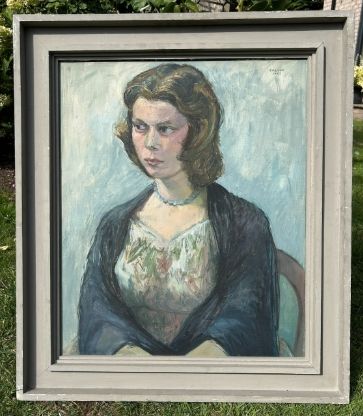
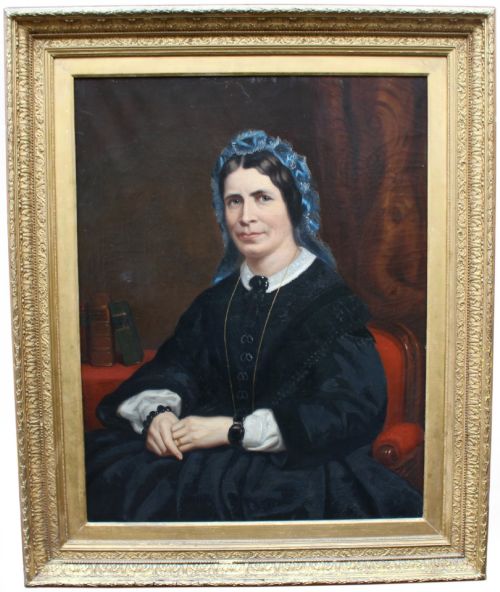
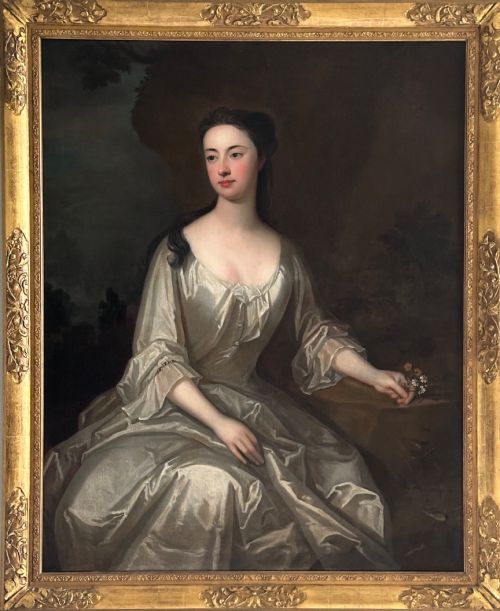
A seated lady portrait painting depicts female subjects posed at rest within landscapes, park settings or domestic interiors. These works span centuries from the eighteenth period through to mid-century modern interpretations, recording shifts in posture, dress and artistic convention. The most frequent examples encountered on this page combine oil on canvas with period wood and gesso frames.
The subjects range from formally composed eighteenth century sitters in landscape settings to relaxed twentieth century studies. Painters capture individual character through distinct clothing details, such as blue necklaces, white dresses and hats held in hand. Each canvas preserves a specific social context, whether through the grandeur of Georgian portraiture or the informal touch of later schools.
Materials and construction
Artists painted these works primarily in oil on canvas, building depth through layered pigment while others employed pastel or watercolour on paper. Canvases received preparatory grounds before brushwork applied fine details of fabric, skin and foliage. Miniature formats utilised specialised supports housed in protective glass cases.
Framing forms an integral part of the physical object, utilising wood adorned with gesso, gold leaf and gilt finishes. Mouldings range from simple wooden profiles to ornate rococo giltwood frames designed to complement the period aesthetic of the canvas within.
Subjects appear seated in diverse environments, from formal garden terraces and landscapes to parks and domestic interiors.
What separates the finest works
Quality rests upon the artist's ability to render facial expression, hands and textiles with anatomical conviction and psychological depth. Superior works command attention through subtle control of light across fabric and facial planes, whereas lesser examples rely on formulaic repetition without individual presence.
The physical integrity of the canvas and the originality of the associated frame influence the standing of a piece. Works retaining their initial gilt wood or gesso surrounds maintain greater historical coherence than those subsequently rehoused.
Kenneth Cozens·W R Waters·Adriana Verelst·S Dennant Moss·Smith of London·J Cecil Bradshaw·John Raphael Smith·Dod Proctor·William Owen·Willem Wissing·Caspar Netscher·Muriel Metcalfe·Carl Ljungberg
The Seated Lady Portrait Painting Glossary
- Oil on Canvas
- A painting medium where pigments are suspended in drying oils applied to a stretched woven fabric support. This combination allows for rich colour blending and lasting durability.
- Gesso
- A plaster mixture applied to wooden frames as a smooth base before gilding with gold leaf. It provides the crisp definition seen on ornate period mouldings.
- Portrait Miniature
- A small-scale painting capturing a likeness with meticulous detail, often created on specialised substrates. These intimate works frequently appeared during the Victorian and Georgian eras.
- Giltwood Frame
- A wooden picture surround coated in thin gold leaf applied over a prepared bole and gesso layer. These frames define the visual boundary of the artwork.
- Pastel
- A dry painting medium consisting of powdered pigment and a binder rolled into sticks. Artists used this to achieve soft, velvety textures on paper supports.
Seated Lady Portrait Painting: Frequently Asked Questions
How do I date a portrait painting?
Dating relies heavily on the clothing, hairstyle and accessories worn by the sitter, combined with the stretcher construction and canvas type. Frame styles and artist signatures also provide crucial chronological markers.
Comparative study of period portraiture helps narrow down the decade in which the work was executed.
Where were these portraits displayed?
Original owners hung these paintings in the principal reception rooms, parlours and galleries of large houses and urban residences. They served as family records and displays of social standing.
Today, they suit similar domestic settings, bringing traditional character to living rooms and studies.
What is the difference between oil and pastel?
Oil paint utilises a liquid binder that dries slowly to a durable finish on canvas. Pastel uses dry pigment bound into sticks, producing a matte finish on paper requiring glass protection.
Both mediums captured the likenesses of seated ladies across different aesthetic traditions.