






18th Century Delft
These tin-glazed earthenware vessels and plates bring rich history and painterly blue-and-white motifs to any interior.
18th Century Delft
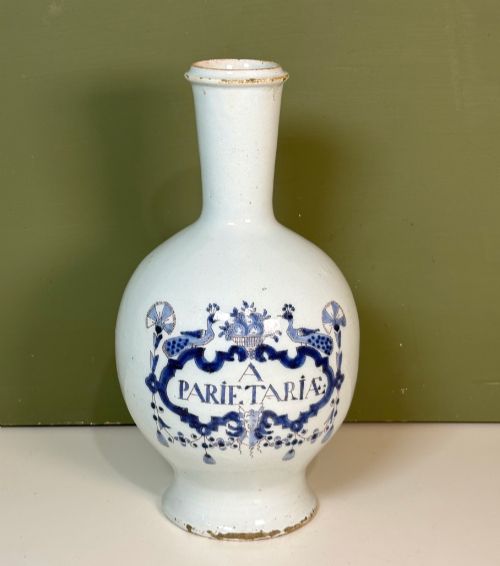
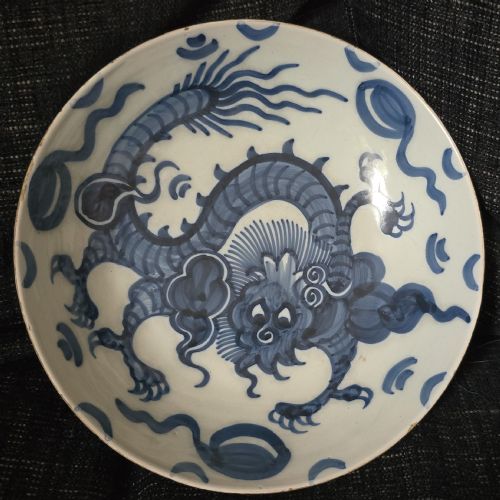
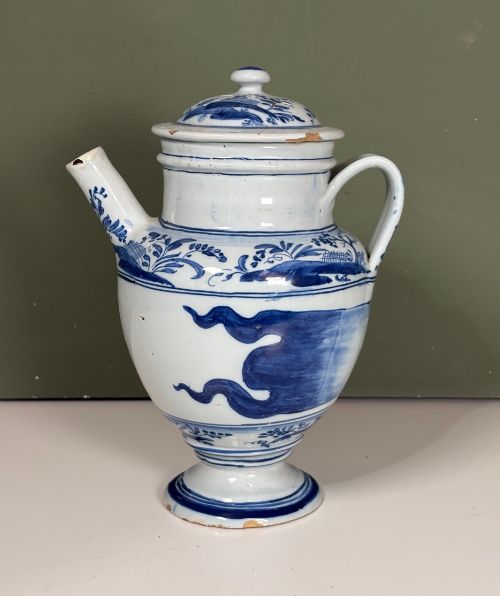
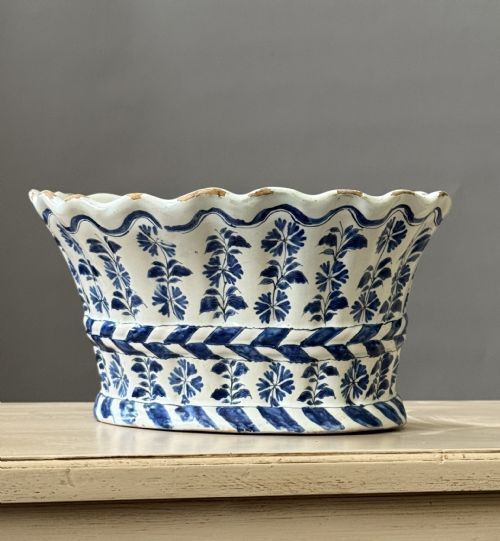
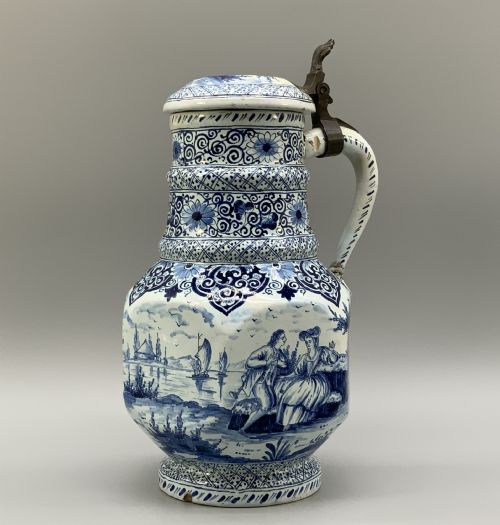
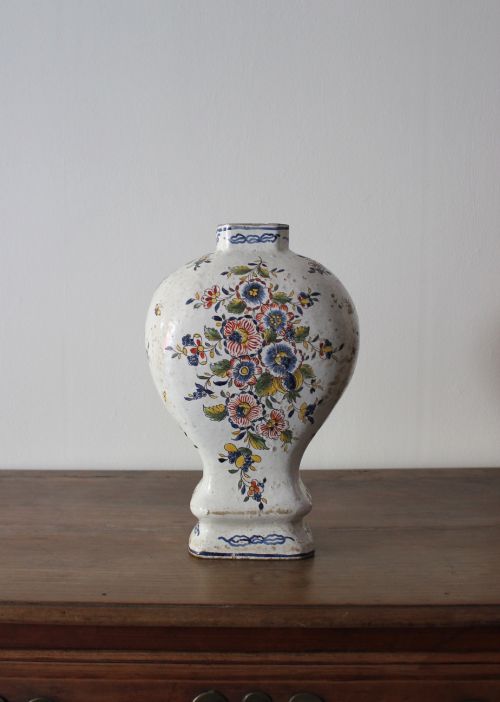
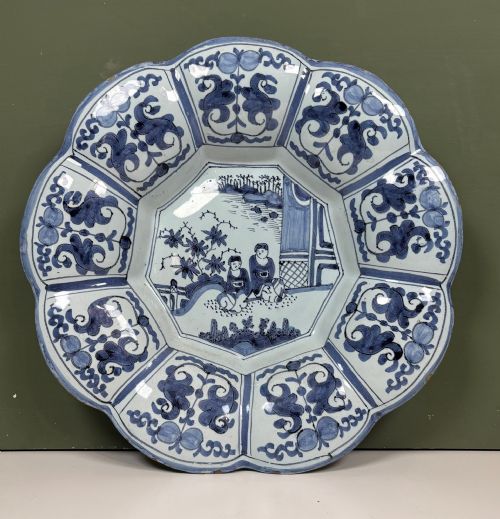
When searching for 18th century delft, collectors encounter tin-glazed earthenware objects shaped as chargers, plates, bowls, vases, and apothecary jars. Dutch and English origins dominate the selection, alongside pieces from French and Spanish workshops.
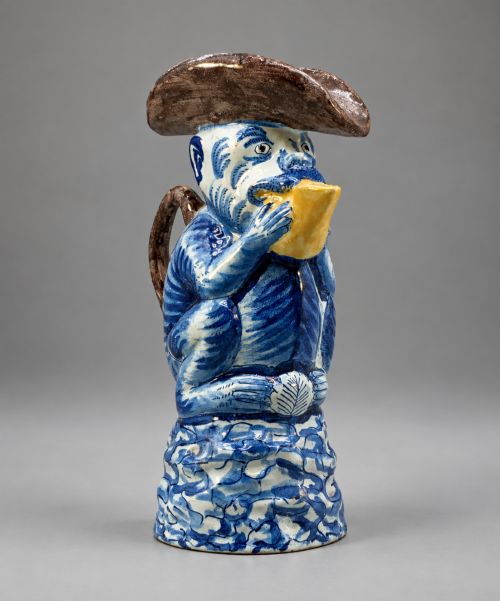
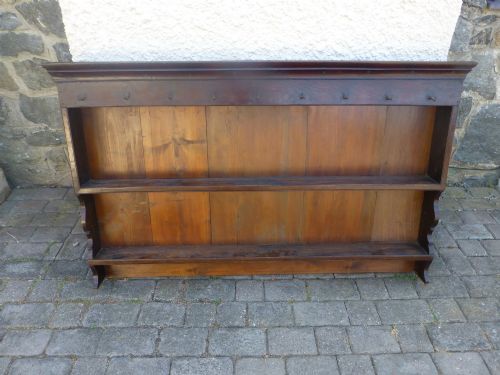
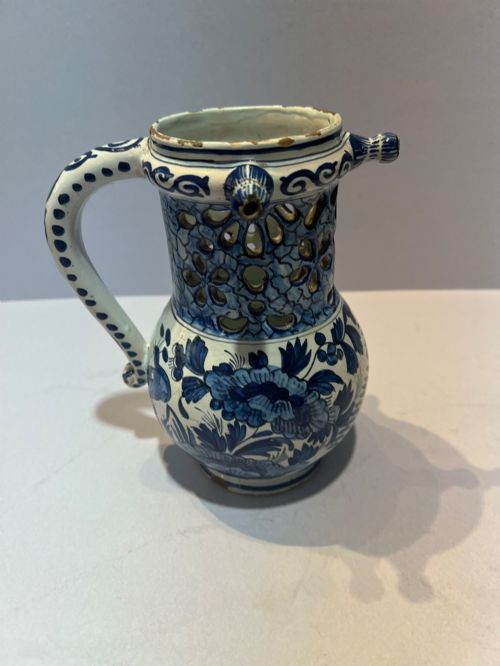
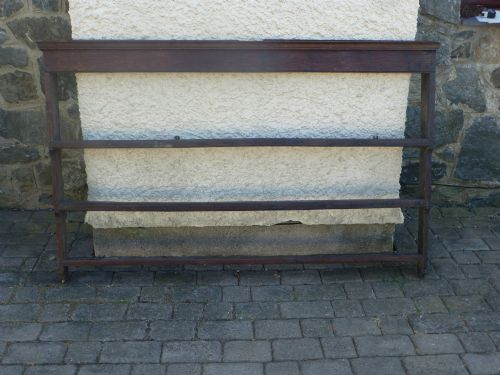
The most frequent finds on this page include blue-and-white chargers and decorative plates, accompanied by occasional posset pots, puzzle jugs, bough pots, and oak dresser plate racks.
Forms span utilitarian items and purely decorative vessels, reflecting both domestic daily life and ornamental display in Georgian interiors.
Materials and technique
Potters formed earthenware bodies from local clays, coating them in an opaque tin glaze that provided a smooth white ground for painting. Artisans applied cobalt pigment and manganese oxides directly onto this unfired glaze.
Firing sealed the pigments into the white surface, producing characteristic blue-and-white or polychrome floral, figurative, and Chinoiserie decorations. Secondary structural elements such as dresser racks utilise oak and pine.
18th Century Delft Retail Price Guide 2026
Typical asking prices for 18th century delft among the pieces listed under this phrase on Sellingantiques today, from the lower quarter to the upper quarter. They describe what is for sale here now, not the wider market.
Materials recorded span cobalt pigment, manganese oxides, brass, and pine.
Judging the work
Quality rests in the crispness of the hand-painted brushwork and the stability of the tin glaze across the earthenware body. Superior examples display confident, fluid cobalt pigments and well-preserved glaze surfaces without extensive losses.
The complexity of the form dictates distinction, separating simple utilitarian dishes from ambitious figural puzzle jugs, lidded jars, and large polychrome chargers.
Pieter Verburg
The 18th Century Delft Glossary
- Tin-Glazed Earthenware
- Pottery coated in a lead glaze made opaque with tin oxide. This surface creates the characteristic white background required for delft painting.
- Charger
- A large decorative plate designed for wall hanging or ceremonial display on a dresser. These broad dishes frequently feature intricate floral or pictorial subjects.
- Faience
- European tin-glazed earthenware produced outside the Netherlands, notably in France and Spain. The term encompasses similar decorative techniques using cobalt and manganese pigments.
- Polychrome
- Decoration employing multiple colours rather than a single pigment. In these ceramics, artists combined manganese, yellow, and blue hues on the white glaze.
- Bough Pot
- An ornamental vessel pierced or shaped to hold flowering branches. These containers served as seasonal interior decorations in period rooms.
18th Century Delft: Frequently Asked Questions
What is 18th century delft?
These objects are tin-glazed ceramic vessels and plates produced across European workshops, primarily in England, the Netherlands, France, and Spain. They encompass tableware, storage jars, and decorative wall chargers.
Potters shaped local earthenware and covered it in an opaque white glaze before hand-painting cobalt blue or polychrome designs.
How were these ceramic pieces used?
Many items served practical domestic functions, including apothecary jars for medicines, posset pots for celebratory drinks, and bowls for food.
Large chargers and decorated plates were primarily intended for visual display, often arranged on oak dresser plate racks in dining rooms.
How do I display delftware at home?
Plates and chargers look best mounted on walls or supported on sturdy plate racks alongside period oak furniture. Smaller vessels like vases and jars sit well on wooden side tables where their hand-painted details remain visible.
Keep ceramics away from direct moisture and handle them carefully by the body rather than applied handles or rims.
How do I tell English delft from Dutch delft?
English and Dutch pieces share tin-glazed earthenware bodies and cobalt painting styles, but variations appear in the clay body, glaze tone, and specific motif execution. Dutch items frequently exhibit distinct blue-and-white floral or maritime scenes.
English workshops often produced chargers with specific manganese or polychrome colour palettes and characteristic foot rims.