





18th Century Cream Jug
An 18th century cream jug brings the elegance of Georgian tea service directly to the modern table.
18th Century Cream Jug
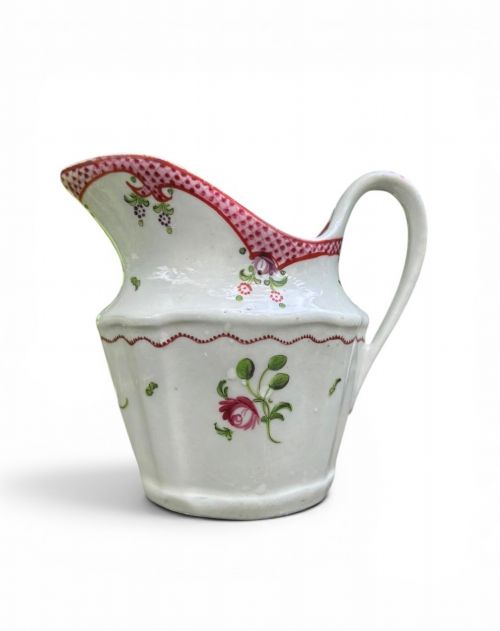
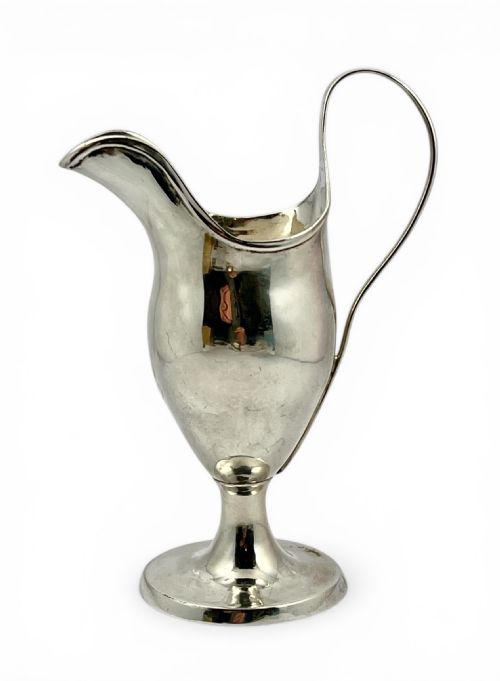
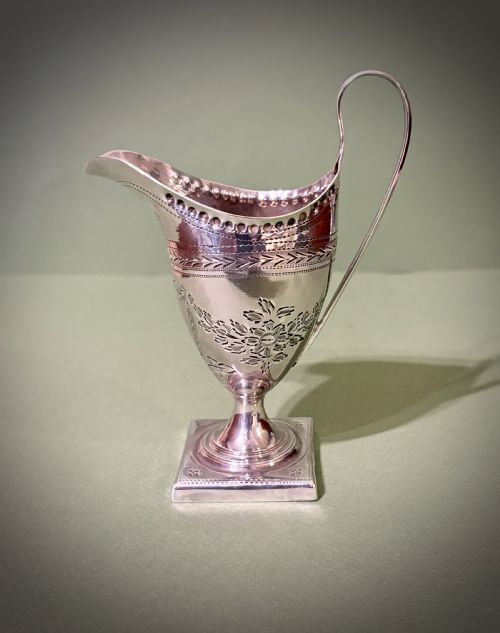
When you search for an 18th century cream jug, you encounter small porcelain and silver vessels designed to hold milk or cream for the tea table. These diminutive containers reflect the domestic rituals of the Georgian period, serving both functional and decorative roles in polite society.
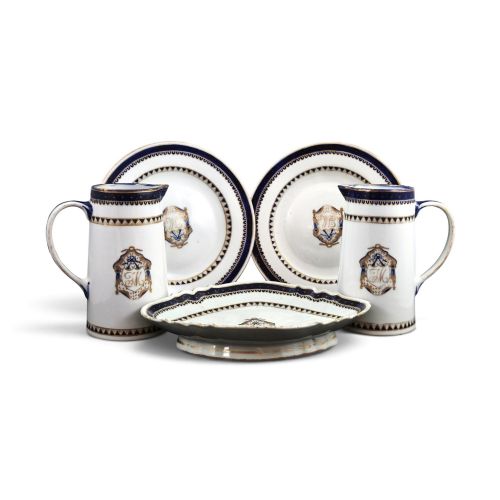
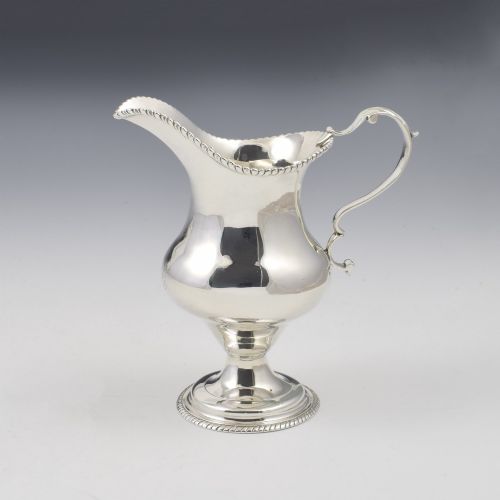
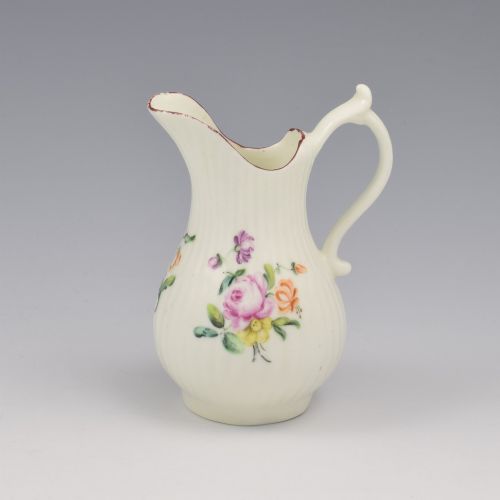
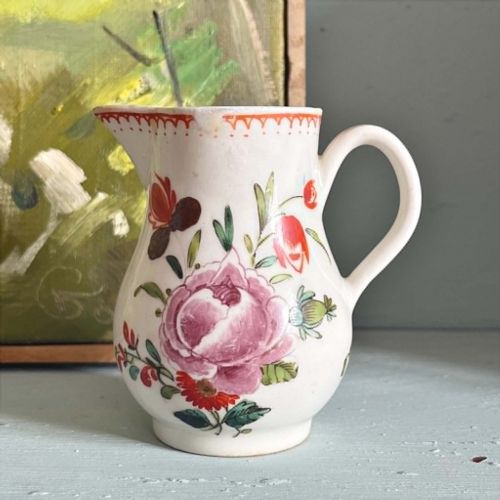
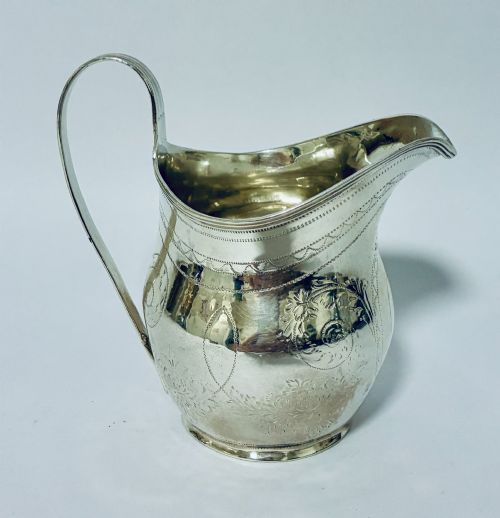
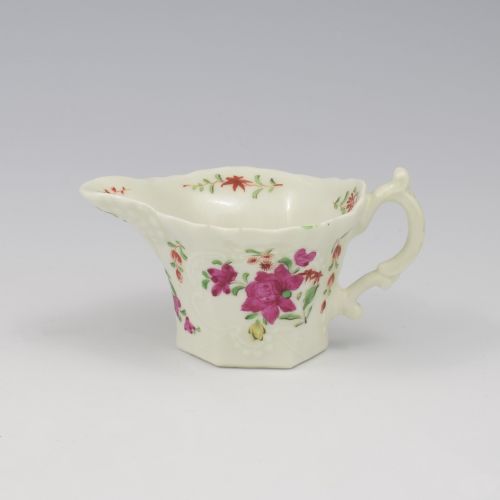
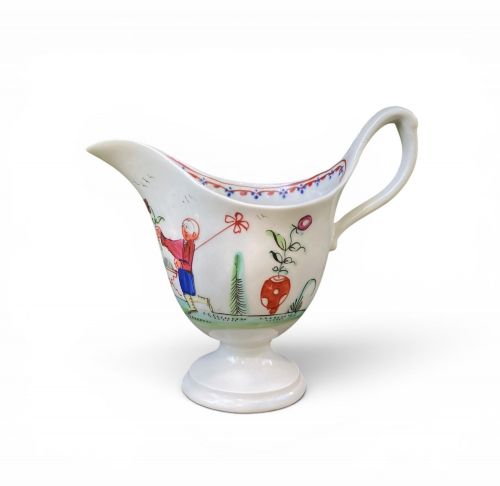
The pieces on this page span several specific forms, from the ubiquitous sparrow beak jug to helmet shapes and delicate sauce boats. Porcelain examples often feature hand-painted polychrome florals or Chinese export motifs, while silver iterations display clean classical lines or repoussé decoration.
Most items originate from well-known English factories such as Worcester, New Hall, and Bow, alongside provincial silversmiths and continental makers. The variety includes soft-paste porcelain, earthenware, enamel, and glass, offering a broad spectrum of domestic material culture from the era.
How they were made
Makers utilised soft-paste porcelain or earthenware moulded into shapes like the baluster or dolphin ewer, often finished with hand-painted enamels and gold leaf. Silversmiths hammered sterling silver into hollowware forms, soldering handles and feet to create sturdy yet graceful vessels.
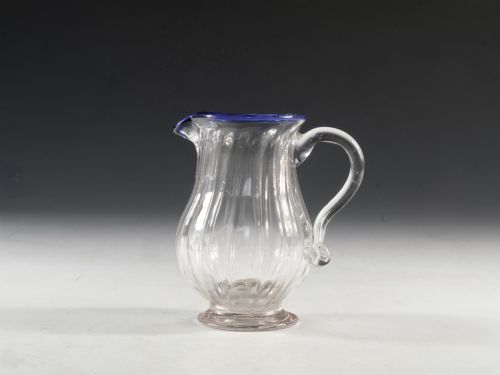
Techniques such as blue wrythen glassblowing and slipware application appear alongside intricate porcelain casting. These methods required skilled handwork, resulting in individual variations in weight, glaze pooling, and decorative placement.
Listings feature materials spanning sterling silver, soft-paste porcelain, glass, earthenware, and enamel across the Georgian period.
What varies in quality
The distinction between standard domestic ware and superior examples lies in the crispness of the moulding and the precision of the hand-painted decoration. Finer porcelain pieces display delicate brushwork and clear glazing without excessive kiln distortion, while better silver items maintain balanced proportions and sharp hallmarks.
Design complexity also separates the tiers, with sculptural elements like lamprey handles or moulded cabbage leaves indicating higher ambition from the maker. The integrity of the material, whether translucent soft-paste or substantial sterling silver, defines the lasting presence of the object.
Stalker & Mitchison·James Gordon·Peter & Ann Bateman·John Mackfarlan·John Rose Coalport
The 18th Century Cream Jug Glossary
- Sparrow beak
- A small porcelain jug featuring a pinched spout resembling a bird's beak. This form was common in mid-century English tableware for pouring cream.
- Soft-paste porcelain
- A ceramic composition made from clay and glass frit rather than true kaolin and petuntse. It fires at lower temperatures and produces a warm, creamy glaze.
- Baluster
- An architectural shape featuring a rounded lower body tapering to a narrower neck. Many period cream jugs adopt this profile for stability and balance.
- Helmet cream jug
- A silver or ceramic jug with a flared rim and distinct foot, shaped visually like a classical helmet. It gained popularity during the George III period.
- Wrythen
- A decorative spiral twist moulded into glass or ceramics. This technique creates a sense of motion across the surface of the vessel.
18th Century Cream Jug: Frequently Asked Questions
What is a sparrow beak jug?
A sparrow beak jug is a small, everyday vessel with a distinctively pinched spout used for serving milk or cream.
These pieces were produced by major English porcelain factories and typically feature hand-painted floral patterns or underglaze blue designs.
How do I care for antique porcelain?
Antique porcelain requires gentle hand washing in warm water using mild soap, avoiding abrasive sponges or dishwashers.
Due to the delicate nature of soft-paste bodies and historic glazes, these items are best kept for display or careful occasional use.
Were these jugs used for milk?
Yes, these vessels served interchangeably for milk or cream depending on the household preference during tea service.
Historical listings often describe the exact same forms as either milk jugs or cream jugs.
How do I identify a Georgian silver jug?
Georgian silver jugs bear hallmarks stamped directly onto the metal, indicating the assay office, maker, and date of manufacture.
Stylistic cues like helmet rims or neoclassical engraving further help place the object within the eighteenth century.