




18th Century Country House Art
18th century country house art brings the quiet presence of landed estates, grand landscapes, and family portraits directly into your rooms.
18th Century Country House Art
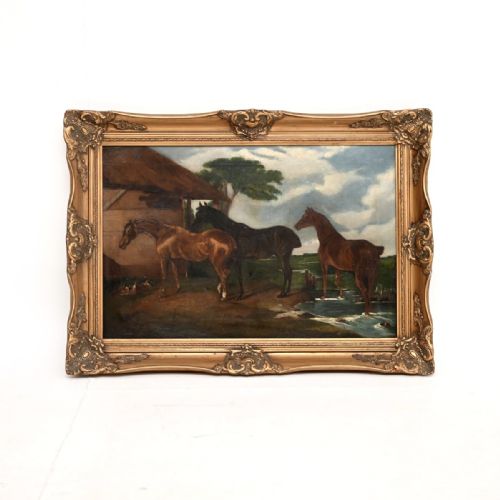
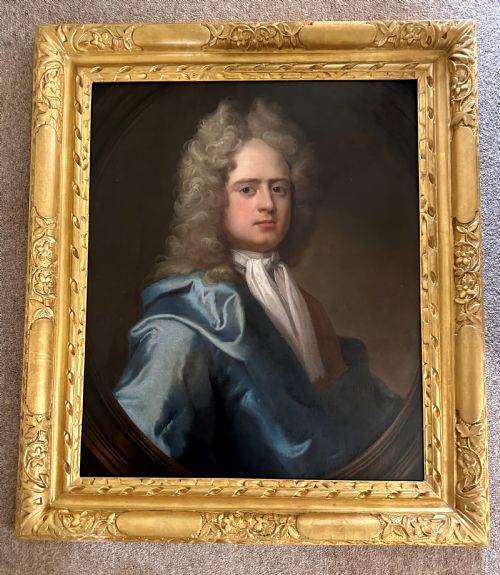
When you search for 18th century country house art, you encounter oil paintings, panel works, and early prints that once hung in historic English properties. These pieces capture rural landscapes, topographical prospects of country seats, sporting scenes, and formal portraiture from the Georgian era.
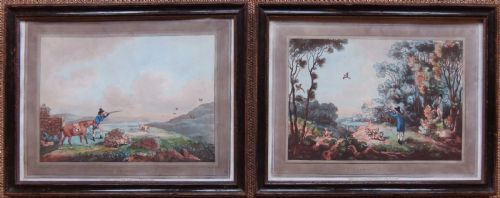
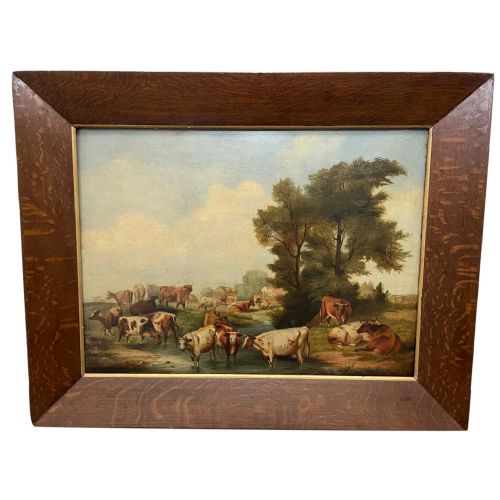
The works most commonly met on this page span the 17th, 18th, and early 19th centuries, reflecting the tastes of estate owners who commissioned family likenesses and views of their lands. You will find oil on canvas, oil on oak panel, and historic mezzotints and prints depicting horses, cattle, and rural pastimes.
The scope includes ambitious British Baroque canvases, provincial folk art views, and fine portrait paintings attributed to named masters or recorded as English School. Each piece serves as a surviving fragment of domestic history from British country houses.
How these pieces were made
The works rely upon traditional artist materials of the period, principally oil paint applied to stretched canvas or prepared oak panels. Painters built up compositions using layered oil pigments that achieved deep tonal ranges, while printmakers produced mezzotints on paper using copper plates.
Framing played an integral role in presentation, with many surviving canvases housed in heavy, moulded giltwood frames that reflect the decorative standards of the Georgian period. The combination of canvas, oil, and carved wood defines the physical substance of these estate artworks.
Listings feature oil paintings, prints, and oak panels spanning from the 17th century into the 1800s.
What varies in quality
Quality rests upon the confidence of the brushwork and the clarity of composition, distinguishing ambitious studio paintings from simpler provincial folk art. Works attributed to established practitioners show superior handling of light, anatomical precision in portraits, and spatial depth in landscapes.
The preservation of the original surface and the integrity of the period giltwood frame strongly influence the standing of a piece. Unrestored canvases with stable paint layers and authentic period framing retain greater historical resonance than heavily repaired examples.
George Morland·George Lambert·Charles Philips·Michael Dahl·Sam. Howitt·Stephen Elmer·Peter Tillemans·Thomas Gibson·Sir Godfrey Kneller·John Verelst
The 18th Century Country House Art Glossary
- Oil on canvas
- A painting technique where oil-based pigments are applied to a woven fabric support stretched across a wooden frame. This method allowed artists to achieve rich colours and subtle gradations of light.
- Mezzotint
- A printmaking process where the copper plate is roughened to produce dark tones, then scraped to create lighter areas. It yields rich, velvety tones well suited for reproducing portraits and tonal paintings.
- British Baroque
- A style of art and architecture prevalent in Britain from the mid-17th century well into the 18th century. It is characterised by grandeur, theatricality, and bold scale.
- Georgian folk art
- Works created outside academic traditions by self-taught or provincial painters. These pieces offer direct, unpretentious depictions of rural life, topography, and animals.
- Topographical painting
- An artwork that accurately records a specific location, estate, or building. In country house art, these views documented the extent and architecture of landed properties.
18th Century Country House Art: Frequently Asked Questions
What subjects do these paintings show?
The works depict a range of subjects tied to landed estates, including family portraits, cattle in landscapes, sporting scenes, and topographical views of country houses.
Animals, horse portraits, and rural prospects also appear frequently across the selection.
Are these works original 18th century pieces?
The listings comprise authentic period items dating from the 17th, 18th, and early 19th centuries. Materials include oil on canvas, oil on oak panel, and historic paper prints.
Attributions range from recorded studio painters to traditional English School works.
How should I hang country house art?
These pieces suit traditional interiors, period rooms, and spaces designed to display historical oil paintings and framed prints.
The heavy giltwood frames and rich canvas textures anchor well against traditional wall colours.
What is the difference between an oil and a print?
An oil painting is a unique, hand-painted work using oil pigments on canvas or oak panel, showing direct brushwork.
Prints and mezzotints are multiple impressions produced on paper from engraved plates.