
18th Century Country Furniture
18th century country furniture brings honest utility and robust regional character into domestic spaces through solid woods and practical forms.
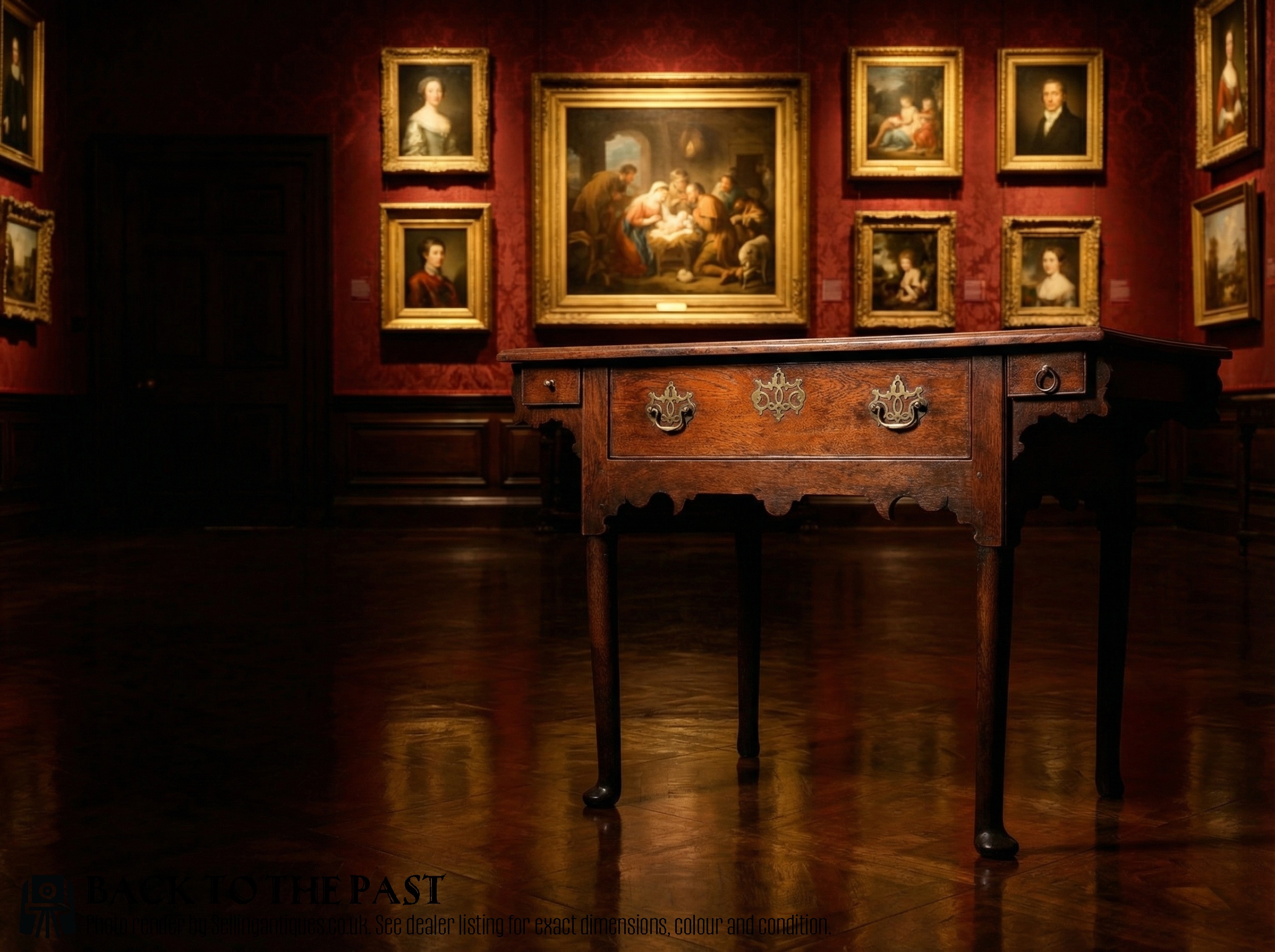
18th Century Country Furniture
Buyers seeking 18th century country furniture encounter robust utilitarian items built for regional domestic life rather than formal urban parlours. The selection spans sturdy seating, storage chests, and dining surfaces designed with straightforward utility in mind.
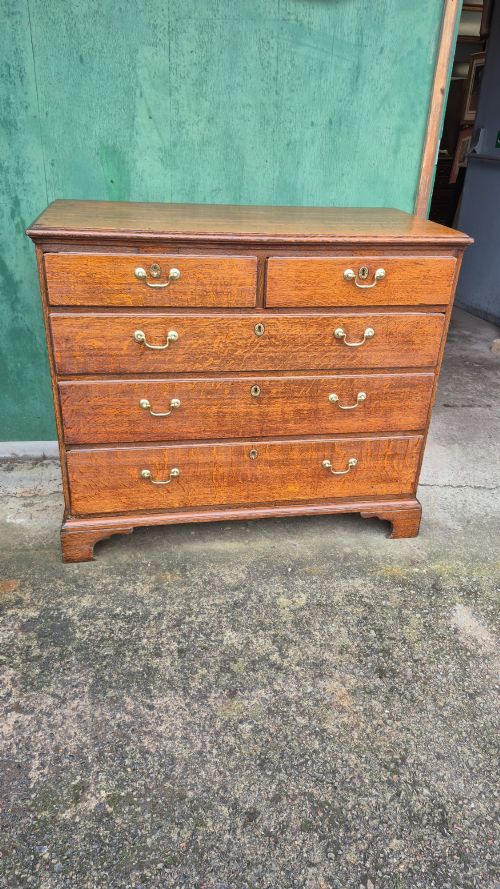
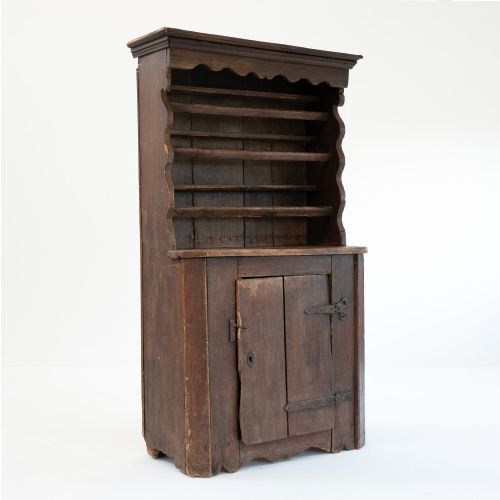
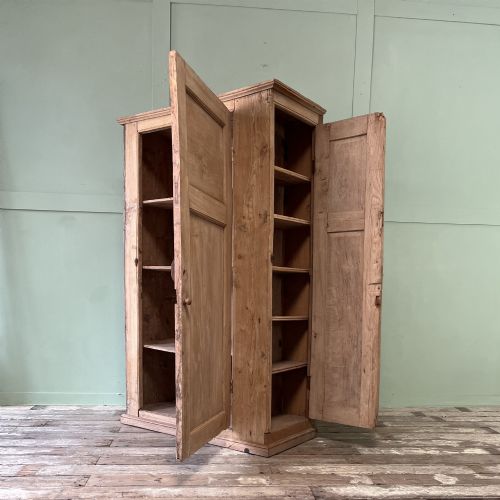
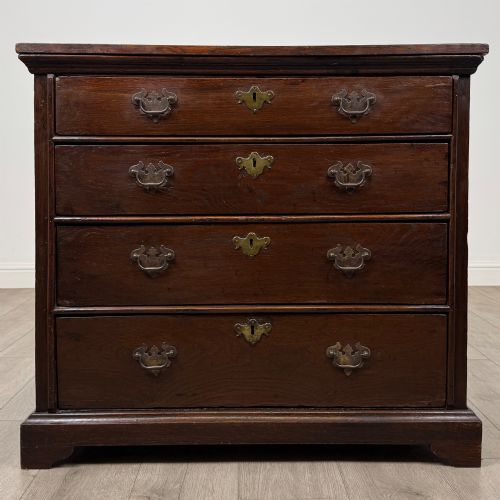
Oak dominates the forms seen on this page, alongside elm, ash, fruitwood, and pine, reflecting local timber availability across English, Welsh, Irish, and Swedish workshops. Common survivals include cricket tables, dressers, box settles, and chests of drawers rooted in vernacular traditions.
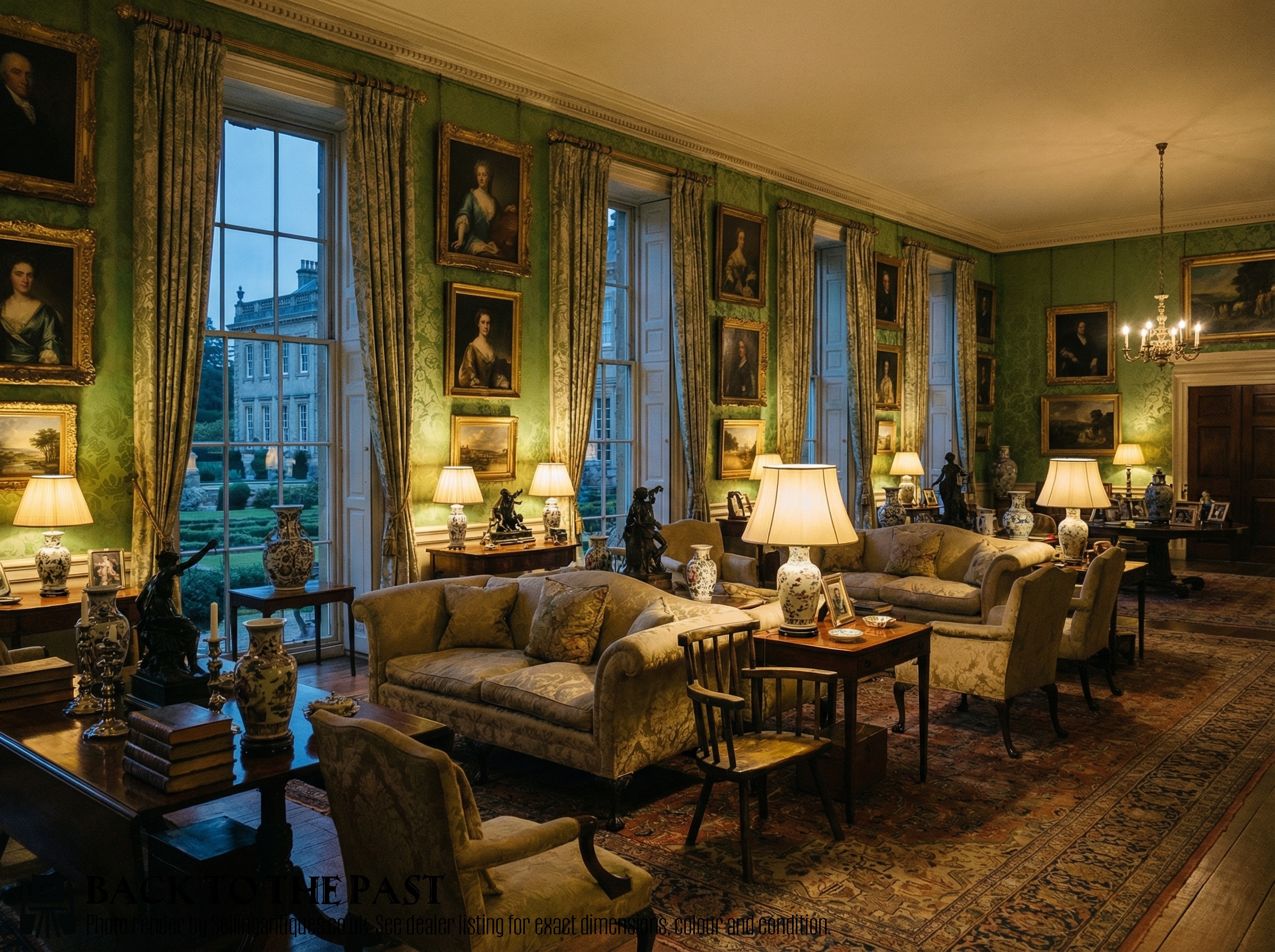
Materials and Construction
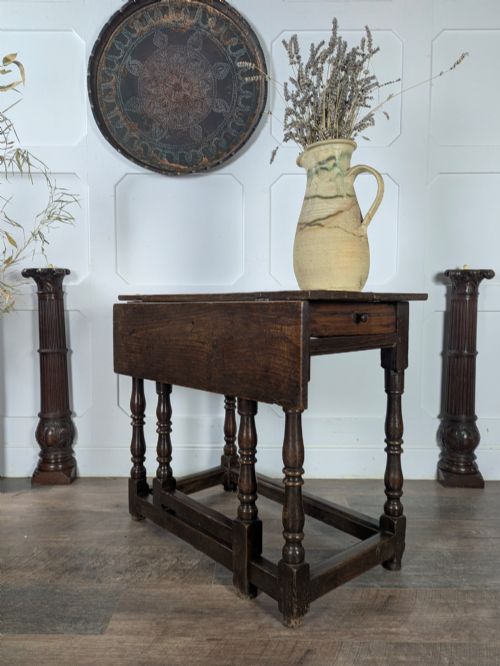
Craftsmen relied on solid local hardwoods like oak, elm, and ash, frequently combining timber species within a single piece depending on structural demands. Joinery methods relied heavily on pegged tenons, panelled construction, and turned legs suited to regional workshops.
Secondary fastenings incorporated wrought iron elements and brass fittings where utility required them. Surfaces often show the honest tool marks of local carpenters working by hand without the refinement of urban guild standards.
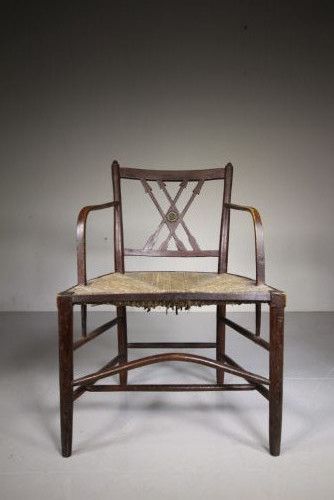
Form categories span functional household objects including cricket tables, box settles, dressers, chests of drawers, and Windsor armchairs.
Assessing Quality and Character
Quality in these vernacular pieces rests on the integrity of the timber selection and the retention of original surface patination. Pieces that maintain their unpolished finishes and structural honesty command greater interest than those stripped down or heavily restored.
Regional distinctiveness and unusual structural forms, such as trefoil tops on cricket tables or integrated box seating, elevate individual examples. The harmony between the builder's local tradition and the surviving condition defines the upper tier of the range.
The 18th Century Country Furniture Glossary
- Cricket table
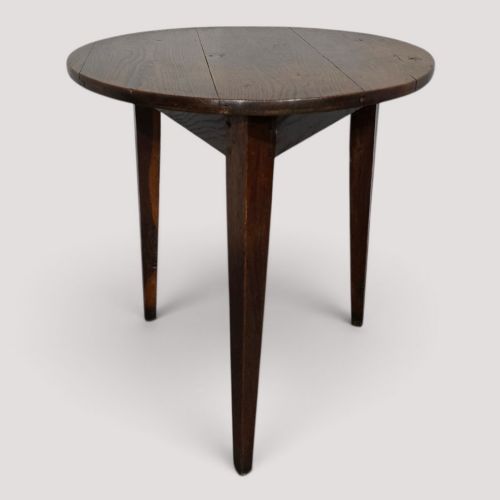
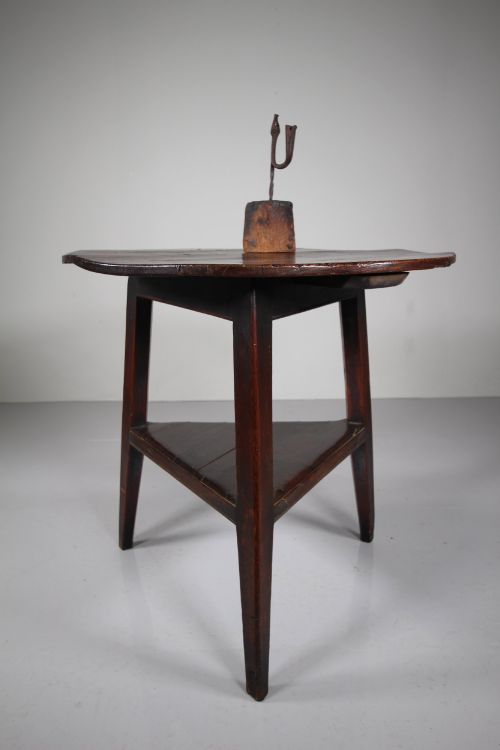
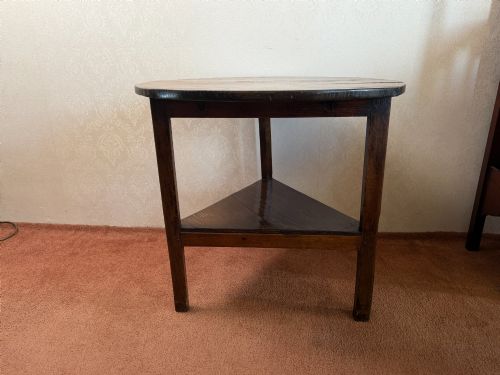
- A small three-legged occasional table designed with splayed legs for stability on uneven floors. These utilitarian pieces frequently appear in oak across English country listings.
- Coffer
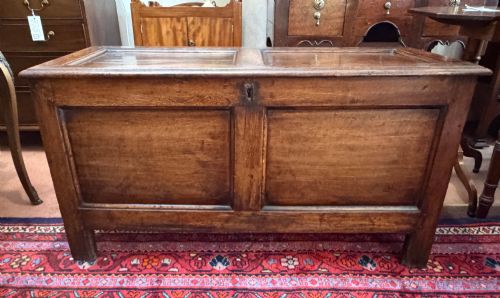
- A large wooden storage chest used for household linens and valuables. Earlier examples often feature panelled construction and date back to the seventeenth century.
- Settle
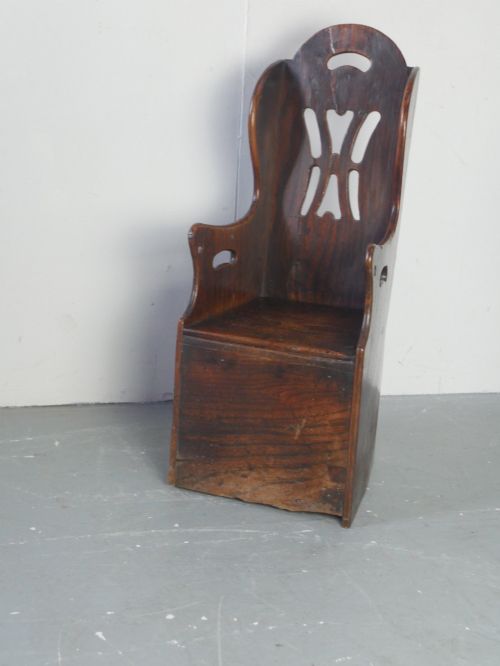
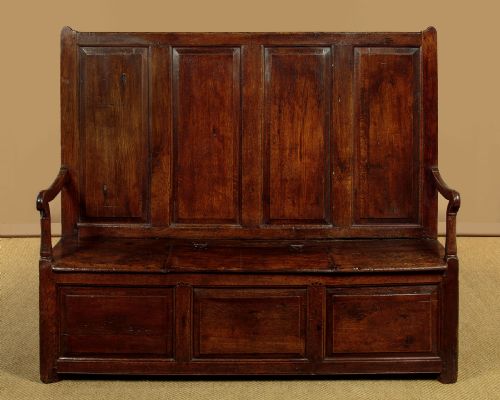
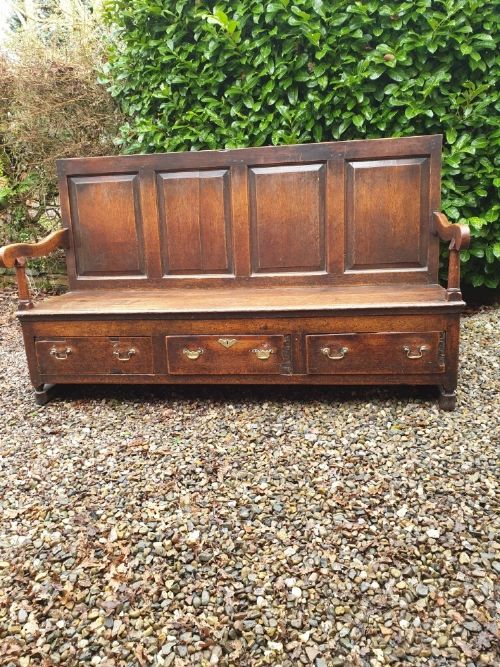
- A high-backed wooden bench with solid sides designed to block cold draughts in domestic interiors. Many incorporate integrated box seating beneath the seat.
- Lowboy
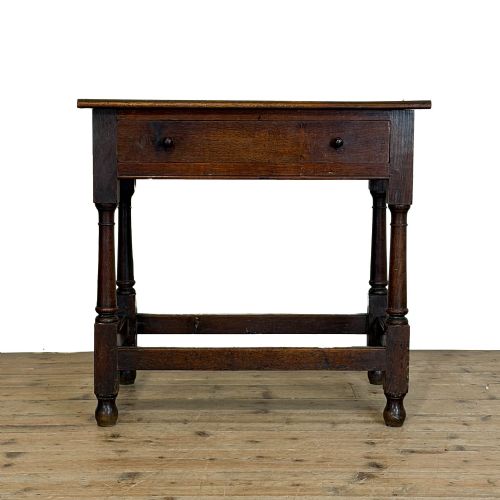
- A small side table fitted with one or more tiers of drawers beneath the working surface. These practical tables served various domestic functions in regional homes.
- Patina
- The surface sheen and colour developed by wood through decades of handling, exposure, and waxing. Unspoiled patination marks the age and history of vernacular furniture.
18th Century Country Furniture: Frequently Asked Questions
What is an 18th century country furniture cricket table?
A cricket table is a small three-legged occasional table built with splayed wooden legs to remain stable on uneven cottage floors. These practical tables typically feature round oak tops and simple framing.
Carpenters built them for everyday domestic tasks where portability and stability mattered more than formal elegance. Their three-legged design prevents rocking on irregular stone or timber flooring.
How do I use a box settle in a modern home?
A box settle works well in an entrance hall or against a dining wall, providing both seating and concealed storage beneath the bench. Their high wooden backs originally served to block cold draughts from cottage doors.
Placing one in a hallway or kitchen offers a practical spot for seating while keeping everyday items hidden inside the base. The solid timber construction handles daily household use with ease.
What woods were used for 18th century country furniture?
Makers relied primarily on locally available timber such as oak, elm, ash, pine, and fruitwood. Oak provided sturdy frames for dressers and chests, while elm and ash offered the flexible strength needed for Windsor chair hoops and legs.
Regional workshops utilised whatever local forests provided rather than importing exotic woods. This reliance on native trees gives each piece its distinct regional character.
How do regional styles differ in country furniture?
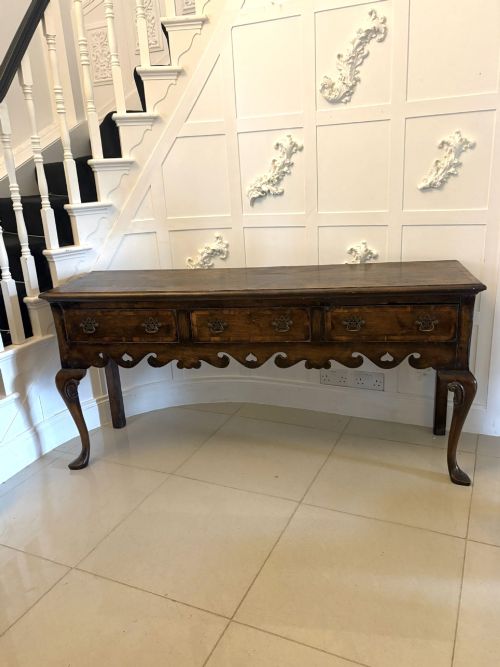
Regional variations stem from local timber supplies, distinct workshop traditions, and specific domestic needs across England, Wales, Ireland, and Scandinavia. Welsh pieces often showcase elaborate dresser bases and carved detailing, while English workshops frequently produced utilitarian tables and chairs.
These geographic differences help collectors identify where a particular item was built. Local construction methods remained tied to the materials and tools available in each rural community.