



18th Century Chinese Carving
An 18th century chinese carving brings tangible history into a room, offering tactile jade, rich lacquer, and expertly shaped wood from distant workshops.
18th Century Chinese Carving
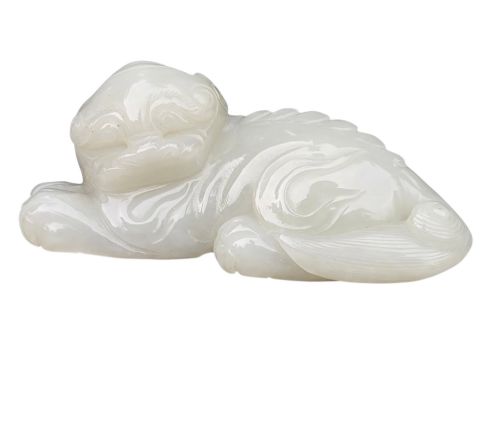
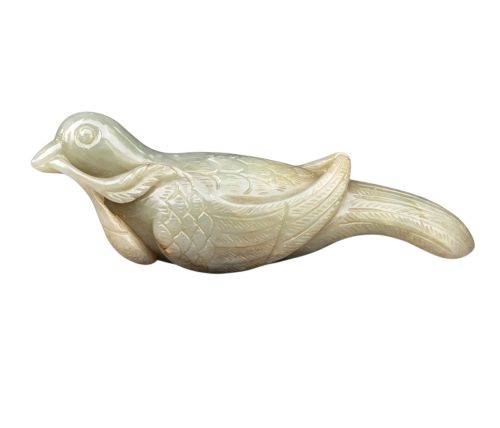
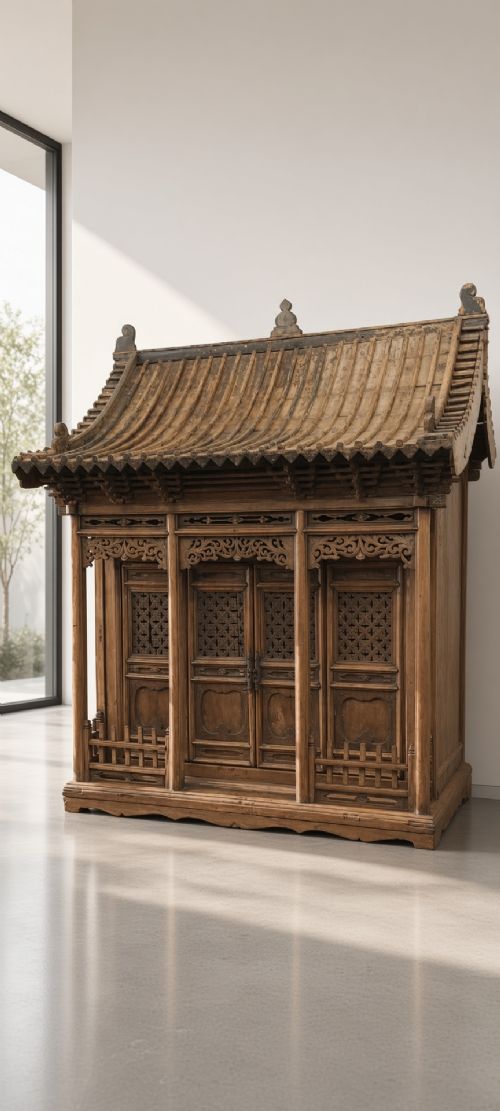
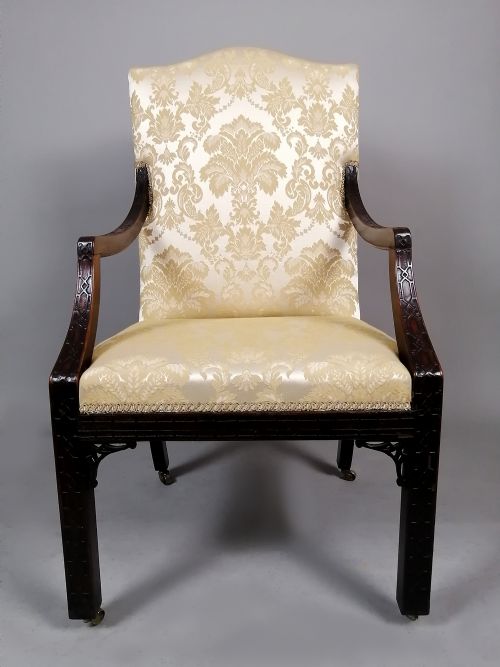
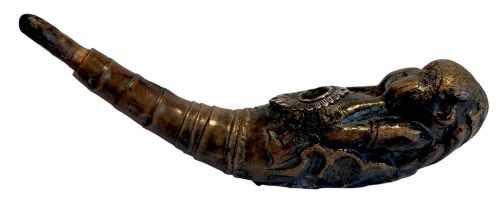
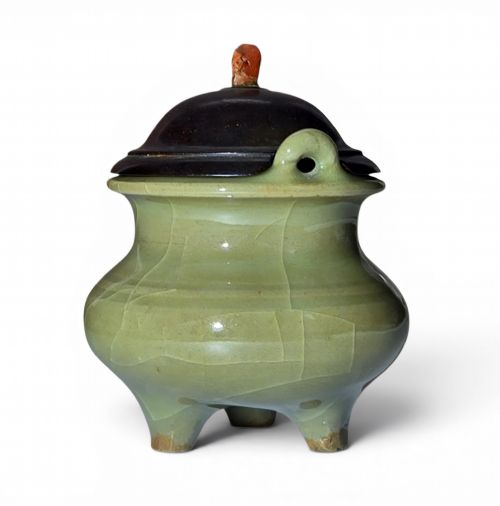
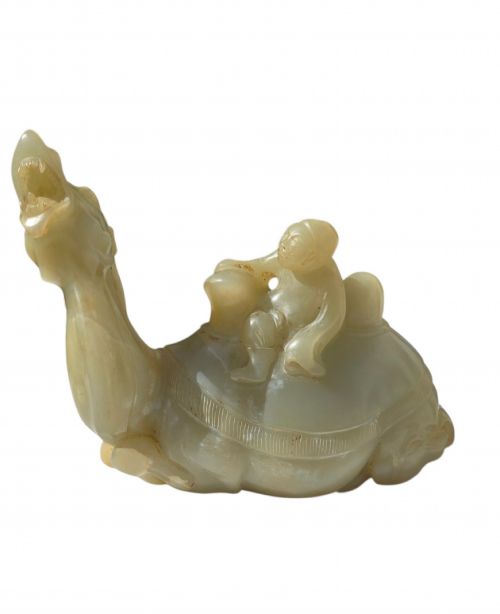
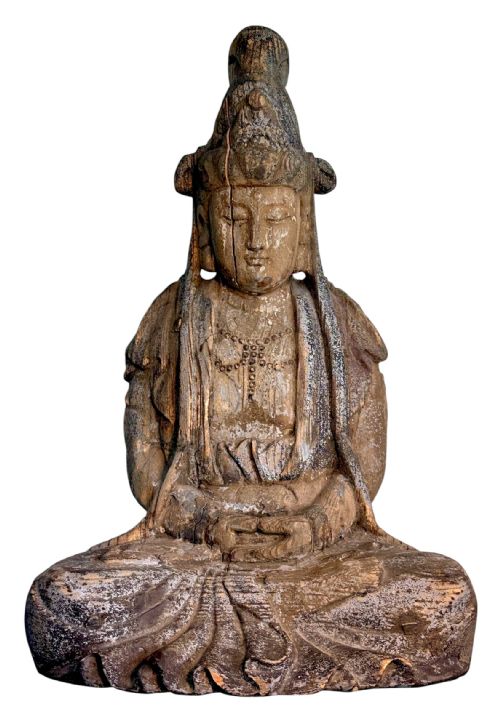
When you search for an 18th century chinese carving, you encounter a diverse range of objects spanning ritual items, furniture, and decorative sculptures. The selection includes jade carvings, shrines, altars, and smoking pipes alongside larger pieces like side tables and armchairs.
You are most likely to meet refined scholar's objects in white jade or celadon, alongside substantial wooden elements such as carved panels, coromandel lacquer screens, and seating influenced by the Qing Dynasty or Chinese Chippendale styles.
Materials and techniques
Makers utilised dense natural materials including nephrite jade, white jade, bowenite serpentine, elm, mahogany, and rootwood. Each medium demanded distinct handling, from the abrasive cutting required for hard stones to the intricate chiselling applied to dense hardwoods.
Surface treatments involved layered red or coromandel lacquer, detailed painted finishes, and precise joinery for items such as low occasional tables, side tables, and multi-fold screens.
A solitary carved wooden boy riding an ox demonstrates the enduring charm of simple pastoral subjects rendered in solid rootwood.
Factors determining quality
Depth of execution and crispness of detail define the distinction between standard items and exceptional examples, particularly in the rendering of figures, animals, and foliage on wood or stone. The inherent quality of the raw material, such as the translucency of white jade or the grain of zitan and mahogany, heavily dictates the standing of a piece.
Proportion and structural integrity elevate specific furniture and architectural fragments, where balanced design and harmonious integration of carving set superior objects apart.
The 18th Century Chinese Carving Glossary
- Qing Dynasty
- The imperial dynasty ruling China from sixteen forty-four to nineteen twelve, known for prolific production in jade, lacquer, and porcelain. Pieces from this era often exhibit sophisticated archaistic tendencies or intricate decorative motifs.
- Chinese Chippendale
- An eighteenth-century European style inspired by Chinese design motifs, featuring fretwork, pagoda silhouettes, and lattice patterns. It frequently manifested in British mahogany seating and tables.
- Nephrite Jade
- A tough, compact silicate mineral worked extensively in China for ritual objects, vessels, and personal ornaments. Its varied tones range from pale white to deep spinach-green.
- Coromandel Lacquer
- Chinese carved lacquerware where designs are incised into a dark ground and filled with coloured pigments. Multi-fold screens and furniture panels often display this technique.
- Zitan
- A dense, heavy Asian hardwood prized by imperial workshops for its dark tone and fine grain. It frequently accompanies high-status decorative items and covers.
18th Century Chinese Carving: Frequently Asked Questions
What materials appear in these carvings?
The listings feature organic and mineral substances, most notably nephrite jade, white jade, bowenite serpentine, elm, mahogany, rootwood, and brass.
Craftsmen also employed red lacquer, coromandel lacquer, and bronze to produce items ranging from small belt buckles to large screens and altars.
How do I identify a Qing Dynasty piece?
Identification relies on observing specific aesthetic traits characteristic of the era, such as archaistic bronze motifs, auspicious symbols, and specific material handling found in imperial-style scholar objects.
Reference points include reign marks like the Qianlong period and distinct regional manufacturing styles recorded in the evidence.
Were these items meant for daily use?
Functions varied widely according to the object type, encompassing domestic furniture like side tables and armchairs, architectural elements such as altar tables and cart doors, and scholarly tools.
Items like jade water birds, snuff bottles, and bamboo pipes served personal, contemplative, or ritualistic purposes rather than heavy practical utility.
How do I care for antique wood and jade?
Maintaining these objects requires stable environmental conditions away from direct sunlight and extreme humidity fluctuations to protect vulnerable lacquered surfaces, organic wood, and polished stone.
Gentle dusting with a dry, soft cloth preserves the original patinas without introducing harmful chemical agents.