


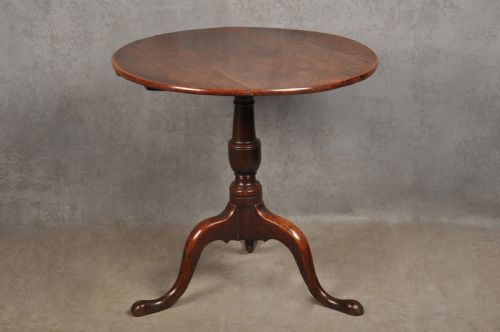

18th Century Cherrywood Furniture
Eighteenth century cherrywood furniture brings a warm, rich timber figure and regional European character into a room.
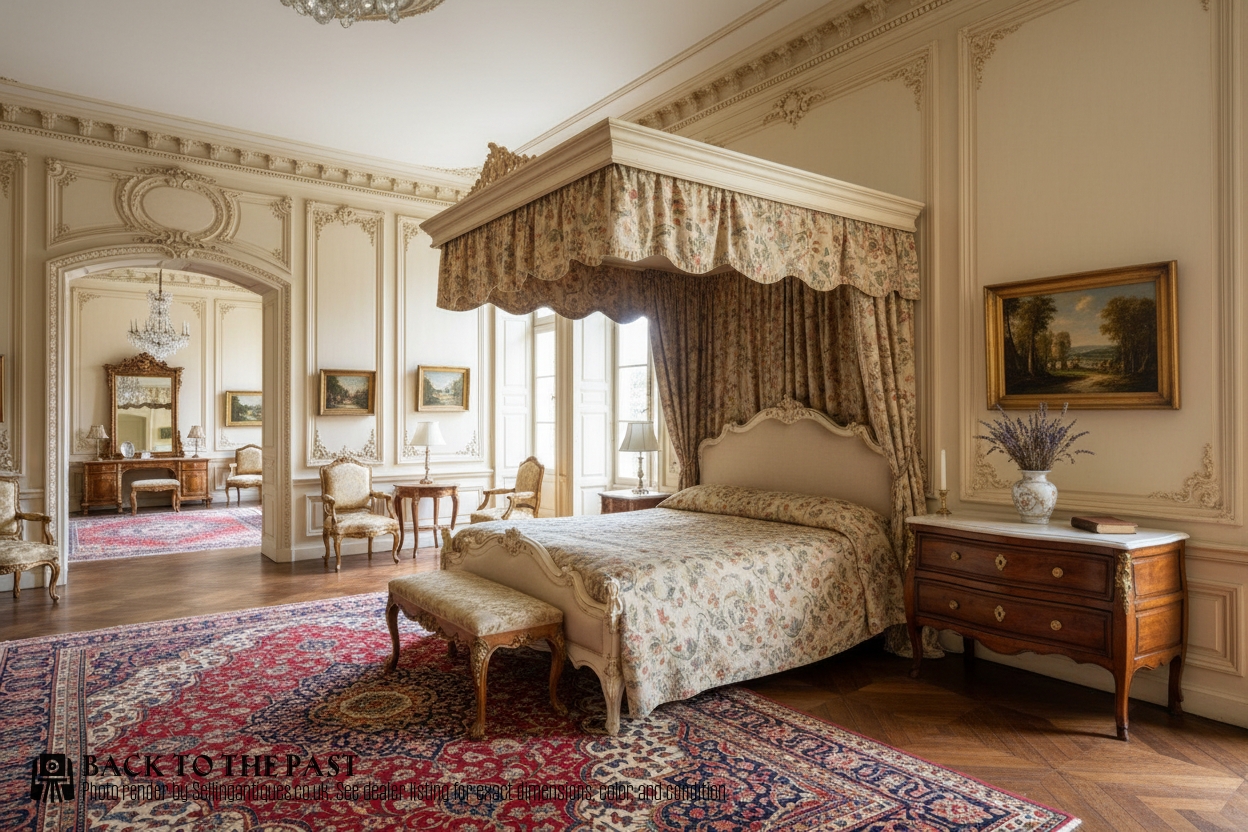
18th Century Cherrywood Furniture
Eighteenth century cherrywood furniture comprises practical domestic pieces built from native fruitwood rather than standard oak or walnut. These items span various regional European traditions, focusing heavily on storage and occasional use.
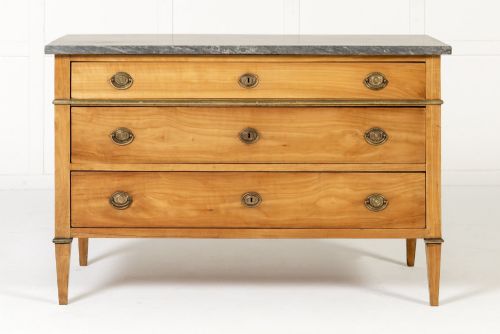
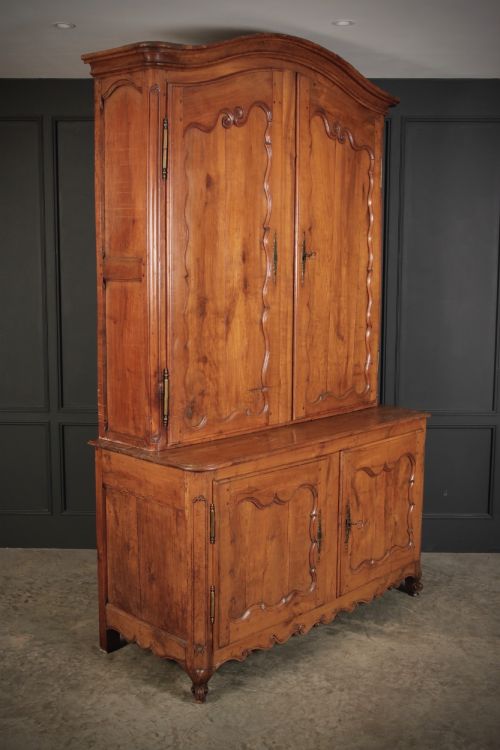
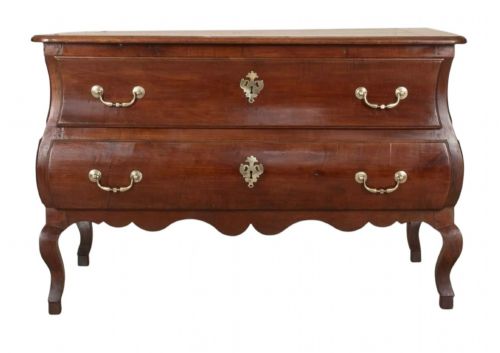
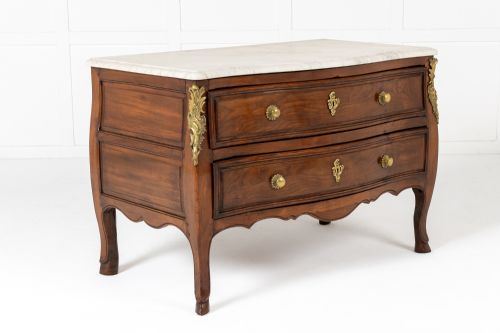
The pieces most commonly encountered under 18th century cherrywood furniture include commodes, cupboards, lowboys, and tripod tables. French Provincial pieces and Georgian English designs appear frequently within this selection.
Makers often utilised fruitwood for its pleasant grain and ageing process, which develops a deep lustre over decades of polish and handling. Occasional pieces from later periods, such as the early twentieth century, also imitate these traditional transitional styles.
How these pieces were made
Cabinetmakers constructed these forms using solid cherrywood timbers, sometimes complemented by secondary woods for interior framing. Joinery relied on traditional pegging and hand-cut joints suited to the working properties of fruitwood.
Hardware typically involved cast brass pulls and escutcheons fixed to drawer fronts and doors. Selected surfaces occasionally integrated marble tops, particularly on Continental commodes and cabinet pieces.
Listings feature periods from the eighteenth century through to nineteen twenty, utilising materials including cherrywood, brass, and marble.
What varies in quality
The quality of 18th century cherrywood furniture rests primarily on the depth of the timber's colour and the integrity of the original construction. Rich patination and well-proportioned silhouettes distinguish superior examples from standard utility pieces.
Subtlety of carved detail and the harmony of regional design proportions elevate certain commodes and lowboys above simpler counterparts. Retaining original brass hardware and untouched timber surfaces adds significantly to a piece's integrity.
The 18th Century Cherrywood Furniture Glossary
- Commode
- A low chest of drawers or cabinet, frequently featuring curved serpentine fronts in French examples. These pieces served primarily for bedroom or reception room storage.
- Lowboy
- A small side table with drawers, originating in England during the eighteenth century. They typically stood on slender cabriole or straight legs.
- Serpentine
- A shape involving a gently undulating front line that curves inward centrally and outward at the ends. This contour requires precise carpentry to execute properly.
- Transitional style
- A design phase bridging the Louis XV rococo and Louis XVI neoclassical periods. It combines curved structural lines with more restrained geometric ornamentation.
- Tripod table
- A small occasional table supported by a central pillar above three spreading feet. They provided flexible surface space for tea or reading materials.
18th Century Cherrywood Furniture: Frequently Asked Questions
What rooms suit 18th century cherrywood furniture?
These warm fruitwood items fit comfortably into living rooms, hallways, and bedrooms as functional focal points. Their rich tones blend effectively with both traditional and contemporary interior settings.
Smaller forms like tripod tables and lowboys occupy minimal floor space while offering useful surface areas for lamps or decorative objects.
How do I care for cherrywood surfaces?
Cherrywood benefits from regular dusting with a soft, dry cloth to prevent surface grit accumulation. Traditional wax polish applied sparingly maintains the timber's natural lustre.
Protecting the wood from direct sunlight and extreme humidity fluctuations prevents timber movement and fading over time.
How do French and English pieces differ?
French Provincial and Continental pieces often display flowing serpentine lines and elaborate brass mounts associated with Louis styles. They frequently take the form of commodes and large cupboards.
English equivalents, such as the George II lowboy, tend toward cleaner architectural lines and straightforward functional proportions.
Why does cherrywood change colour?
Cherry is a photosensitive timber that deepens from a pale pinkish hue to a rich amber-brown upon exposure to light. This natural oxidation process is a sign of genuine fruitwood ageing.
Exposing the timber evenly to ambient light helps maintain a consistent tone across the piece.