





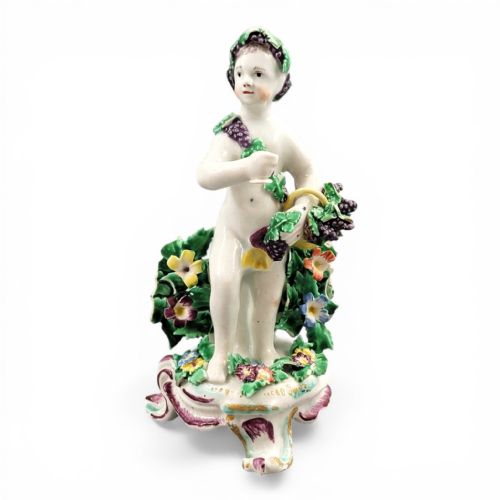


18th Century Ceramic Statue
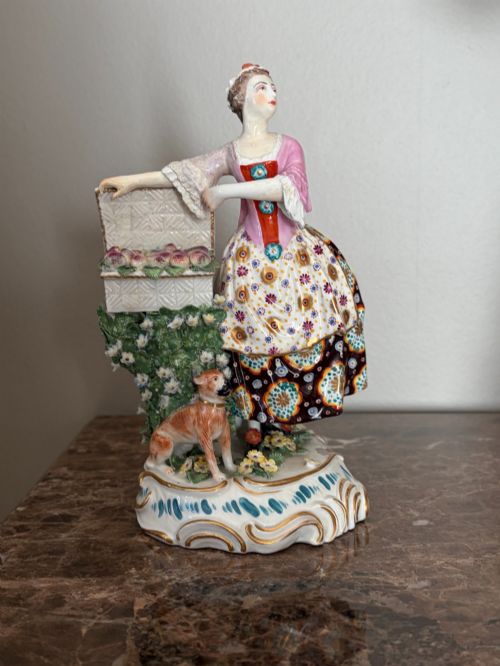
An 18th century ceramic statue brings the complex allegories, pastoral subjects and modelling skill of the Georgian era directly into a room.
18th Century Ceramic Statue
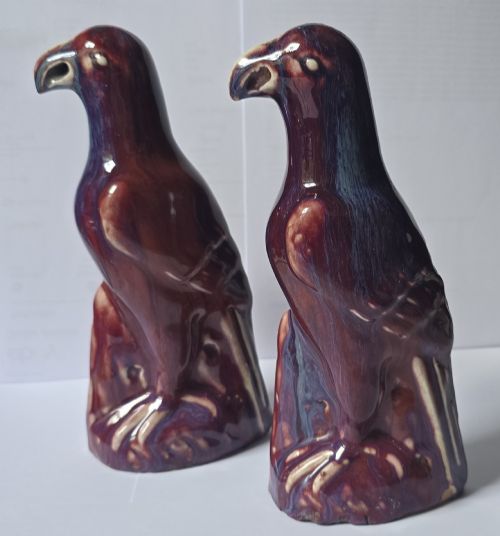
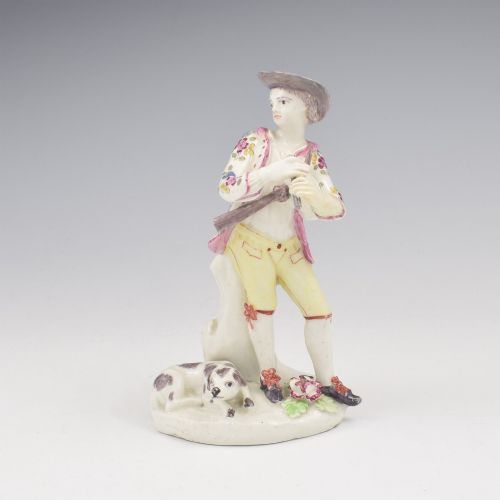
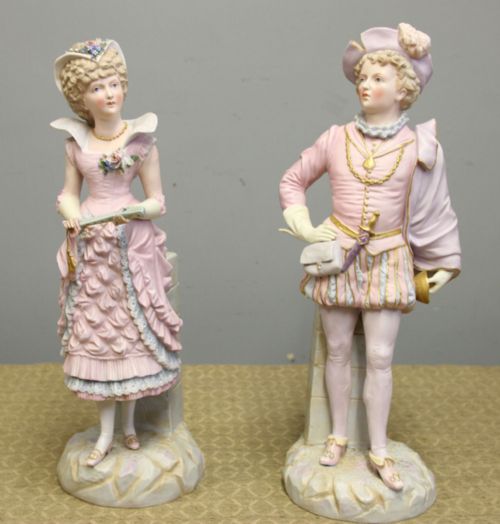
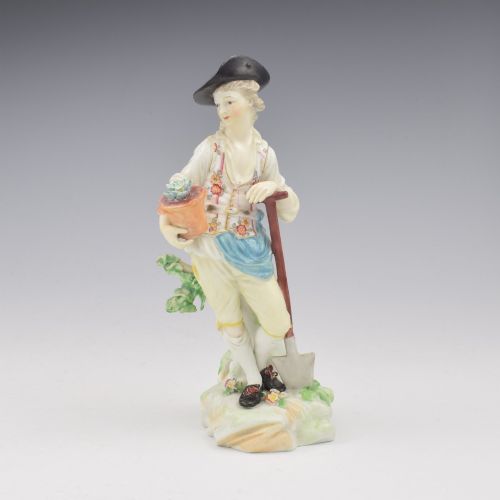
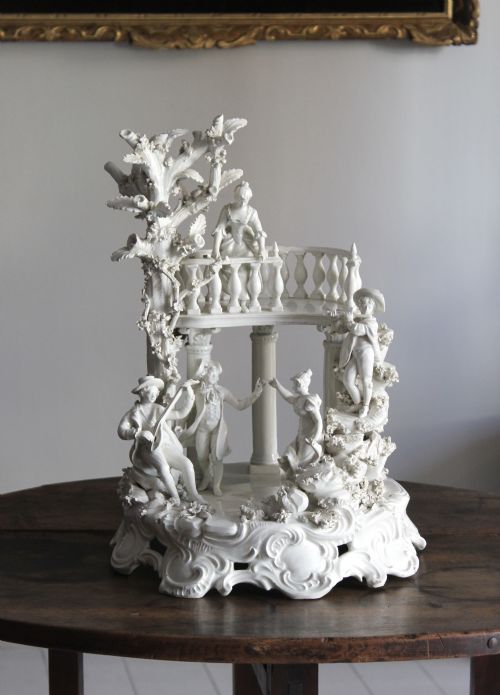
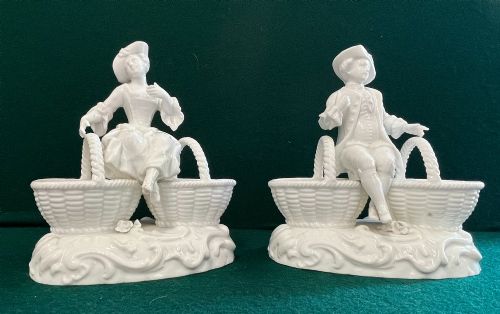
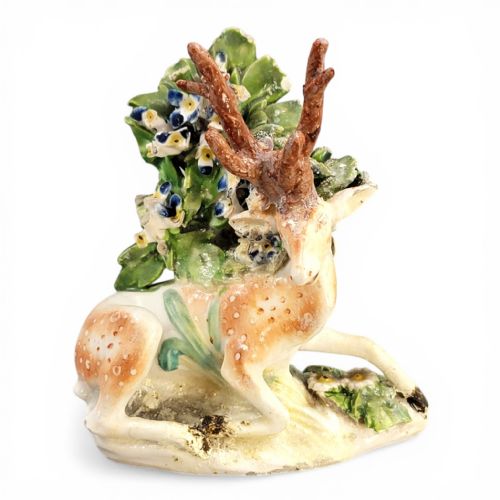
An 18th century ceramic statue encompasses porcelain figures, glazed earthenware groups and polychrome candlesticks depicting classical deities, pastoral characters and allegorical representations of the continents and seasons. Buyers encounter mythological subjects like Pluto and Cerberus, seasonal figures representing winter or autumn, and domestic figures such as fruit sellers, gardeners and shepherds with lambs.
The objects stem predominantly from eighteenth-century English and continental factories, including Derby, Bow, Chelsea, Meissen, Ludwigsburg and Capodimonte. Many figures form part of larger matched sets, such as the four seasons or the four continents, allowing collectors to assemble comprehensive groupings from the period.
Materials and execution
The pieces employ soft-paste porcelain, hard-paste porcelain, pearlware and delftware, shaped through intricate moulding techniques. Artisans applied vitreous glazes, enamel colours and touches of gold leaf to enhance the sculptural surface before firing.
Early figures feature distinct manufacturing traits such as patch marks from kiln supports, unglazed bases and hand-modelled details that reveal the individual hand of the ceramicist.
18th Century Ceramic Statue Retail Price Guide 2026
Typical asking prices for 18th century ceramic statue among the pieces listed under this phrase on Sellingantiques today, from the lower quarter to the upper quarter. They describe what is for sale here now, not the wider market.
Listings feature hard-paste and soft-paste porcelain, pearlware, and delft, spanning periods from the mid-eighteenth century through the nineteenth century.
Assessment of standard
The standard of an 18th century ceramic statue rests upon the crispness of the original modelling, the delicacy of the hand-painting and the preservation of the fragile enamel and gilt details. Superior examples maintain sharp facial expressions and clean drapery folds without softening from worn moulds.
Factory attribution and early provenance elevate an example, particularly pieces bearing documented patch marks, incision numbers or direct links to renowned modellers and early factory periods.
Derby·Chelsea·Bow·Meissen·Ludwigsburg·Capodimonte·Lakin and Poole·Gotthelf Greiner
The 18th Century Ceramic Statue Glossary
- Soft-paste porcelain
- A vitreous ceramic composition fired at lower temperatures than hard-paste porcelain, possessing a warm, slightly translucent body common in early English factories.
- Patch mark
- Small unglazed square spots on the base of a figure where refractory kiln props supported the piece during firing.
- Enamel
- Opaque vitreous colours applied over or under the glaze to decorate the surface of porcelain figures.
- Pearlware
- A refined fine earthenware developed in the eighteenth century, featuring a thin glaze with a faint bluish tint pooling in crevices.
- Allegorical figure
- A sculptural representation of an abstract concept, season, continent or element rendered in human or mythological form.
18th Century Ceramic Statue: Frequently Asked Questions
How do I identify a patch mark?
Patch marks appear as small, unglazed square or rectangular areas on the underside of figures, left by the ceramic props used in the kiln during firing.
These marks serve as useful indicators for dating eighteenth-century English factory output, particularly from works such as Derby.
What are allegorical figures?
Allegorical figures represent abstract ideas, natural cycles or geographical regions through human or mythological symbolism. Common eighteenth-century examples depict the four seasons, the four continents or elemental forces like water and land.
These pieces were typically modelled as matched sets to decorate formal dining tables or mantelpieces.
How should I display delicate porcelain?
Porcelain figures require stable placement away from direct sunlight, vibrations and high-traffic areas to protect fragile extremities like fingers, leaves and staff accessories.
Enclosed cabinets with secure shelving provide the safest environment for long-term preservation.
What is the difference between soft-paste and hard-paste?
Soft-paste porcelain utilises an artificial glass frit mixture fired at lower temperatures, producing a softer texture and a warm glaze. Hard-paste porcelain incorporates kaolin and petuntse fired at higher temperatures to create a denser, whiter body.
English factories largely relied on soft-paste bodies during the eighteenth century, while continental works frequently utilised hard-paste.