






English Rococo Porcelain Figure
When you handle an english rococo porcelain figure, you hold a tangible piece of eighteenth-century theatre modelled in clay and glaze.
English Rococo Porcelain Figure
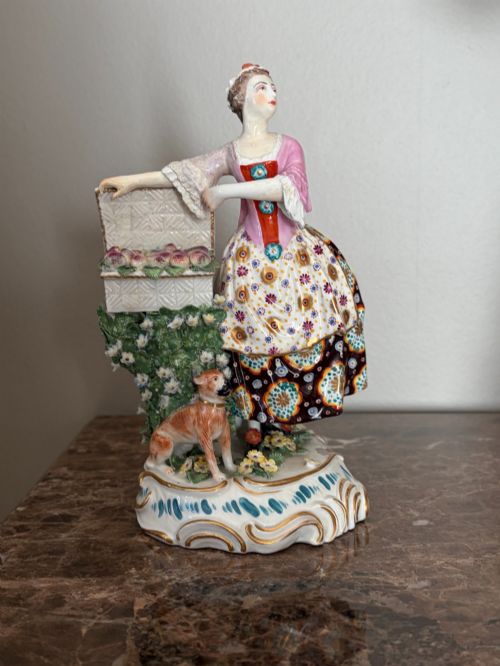
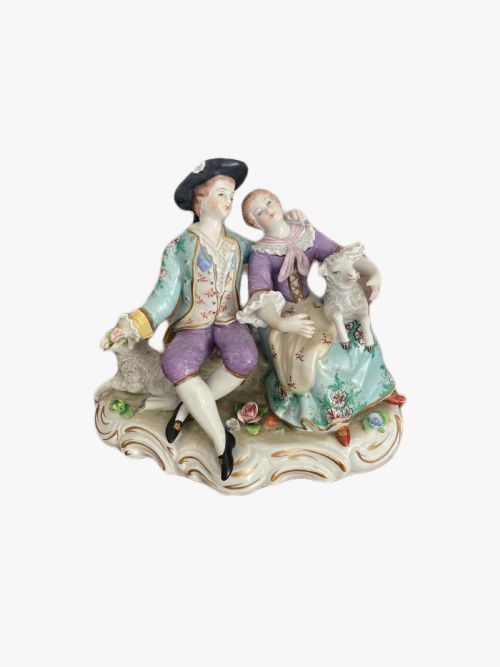
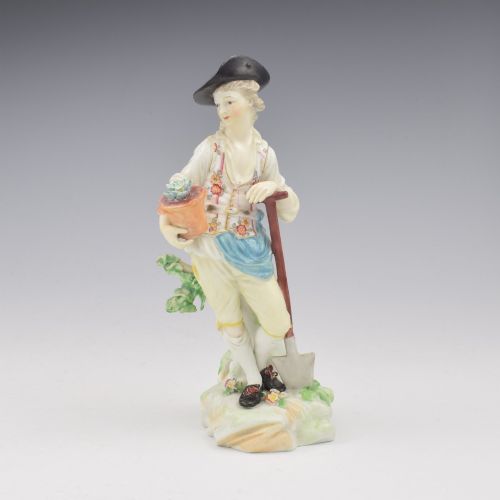
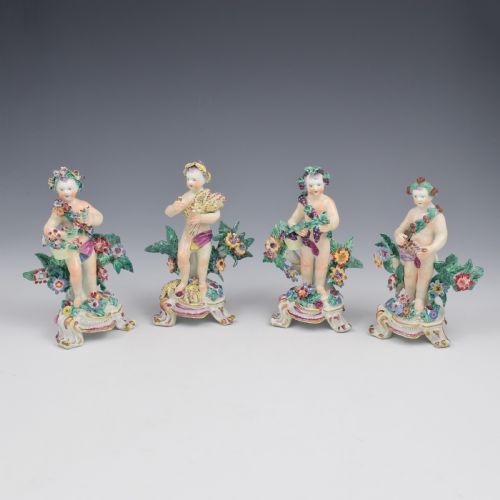
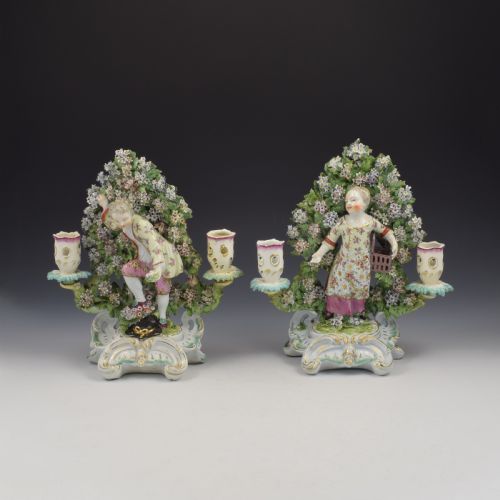
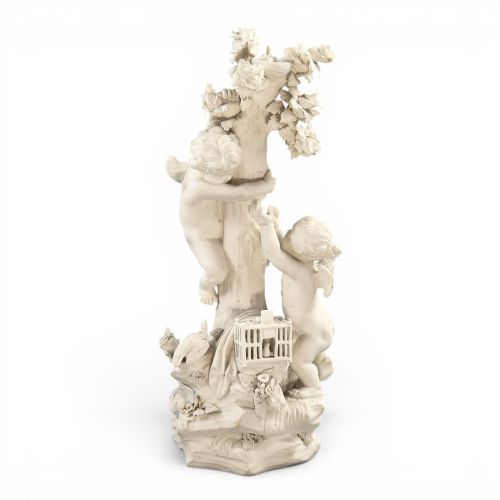
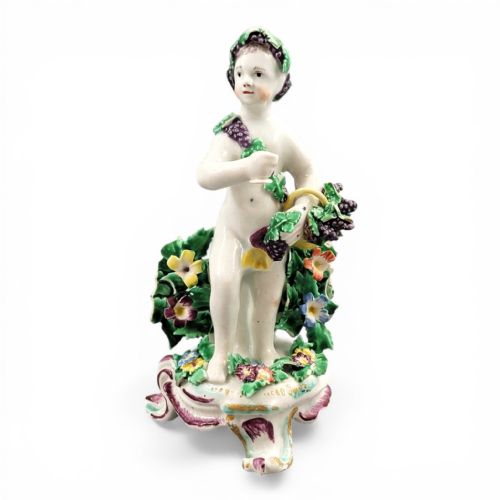
An english rococo porcelain figure captures the theatrical spirit of the Georgian period through modelled clay, depicting allegorical themes, classical deities, and pastoral characters. Buyers most frequently encounter eighteenth-century figures from factories like Derby and Bow, often styled as musicians, gardeners, or putti.
Many examples incorporate functional elements such as sconces and bocage work, transforming sculptural porcelain into elaborate candlestick figures. These pieces range from solitary statuettes to complete pairs and multi-figure groups representing the seasons, elements, or classical narratives.
How They Were Made
Early English workshops relied primarily on soft-paste porcelain compositions, which produced a warm, creamy body well-suited to fluid modelling. Artisans then applied enamel colours and detailed gilding by hand before a second firing fixed the palette.
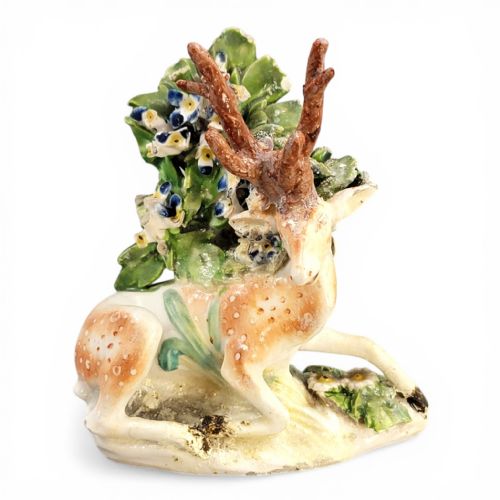
The characteristic rococo aesthetic emerged through dynamic, asymmetrical modelling, frequently enhanced by applied bocage backgrounds representing leafy bowers behind the main figures.
English Rococo Porcelain Figure Retail Price Guide 2026
Typical asking prices for english rococo porcelain figure among the pieces listed under this phrase on Sellingantiques today, from the lower quarter to the upper quarter. They describe what is for sale here now, not the wider market.
Father Time clips Cupid's wings with surprising domestic casualness in these cheerful eighteenth-century allegorical groups.
What Varies in Quality
The crispness of the modelling defines the distinction between standard production pieces and superior works, as skilled hands preserved sharp facial expressions and delicate drapery folds during shaping. Earlier figures from the patch-mark period often display a greater vitality in posture and gesture.
Colour application also drives the division in standard, with master painters achieving nuanced shading in enamels and precise control over gold leaf highlights. The survival of intricate bocage leaves and delicate extremities largely determines the integrity of surviving examples.
Derby Porcelain·Bow Porcelain·Chelsea Porcelain·Longton Hall·Minton
The English Rococo Porcelain Figure Glossary
- Soft-paste porcelain
- A fired ceramic body composed of white clay mixed with ground glass and frit, popular in eighteenth-century English factories for its vitreous texture and warm tone. This material absorbs enamel colours deeply during firing.
- Bocage
- An applied ceramic background of intertwined leaves and hawthorn blossoms that frames rococo figures. It lends a lush, naturalistic canopy to candlestick groups.
- Patch mark
- A small unglazed scar on the underside of early Derby figures left by the cylindrical kiln supports used during firing. These marks serve as reliable chronological indicators for collectors.
- Putto
- A plump, winged child figure derived from classical art, frequently depicted in sets representing the seasons or musical allegories. They appear often in eighteenth-century table ornaments.
- Gilding
- The application of gold leaf or gold powder to highlights on garments, bases, and sconces. This technique adds opulent contrast to the painted enamel surfaces.
English Rococo Porcelain Figure: Frequently Asked Questions
How do I date an antique porcelain figure?
Examine the base for kiln marks, glaze pooling, and factory indicators such as patch marks or anchor symbols. These physical traits help place the piece within eighteenth or nineteenth-century production windows.
Compare the modelling style and paste composition against documented factory models from the Georgian period to narrow down the decade of manufacture.
What is bocage on antique porcelain?
Bocage is the applied leafy branchwork behind a figure that creates a miniature arbour effect. It provides structural context and visual depth to rococo pastoral scenes.
Because these delicate leaves are prone to loss, intact bocage remains a key focus for collectors evaluating historical examples.
Where were these figures displayed originally?
Wealthy households placed these porcelain statuettes on dining tables as decorative garnitures during dessert courses. They served as conversation pieces that reflected classical learning and pastoral charm.
Later, owners moved them to mantelpieces, brackets, and cabinets alongside other ceramic ornaments.