






18th Century Ceramic Platter
An 18th century ceramic platter brings the bold brushwork and tin-glazed surfaces of the Georgian era directly to the table.
18th Century Ceramic Platter
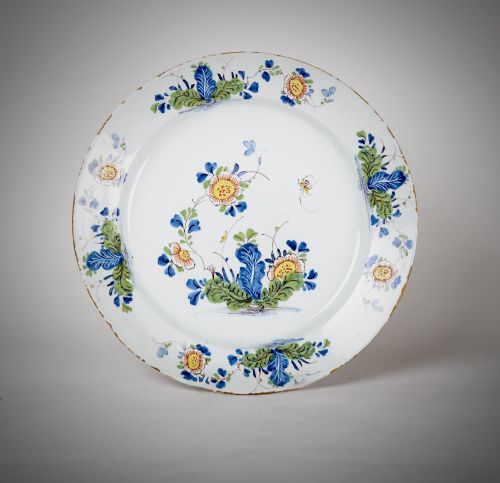
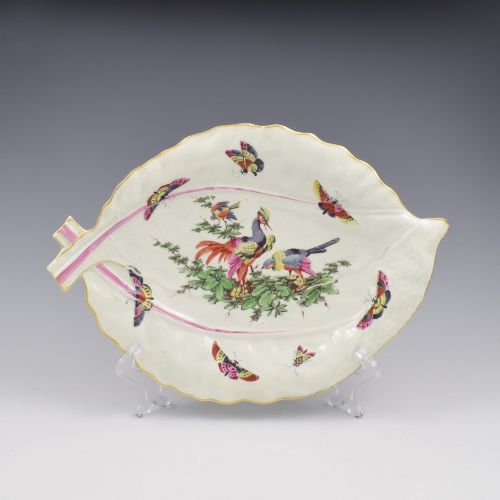
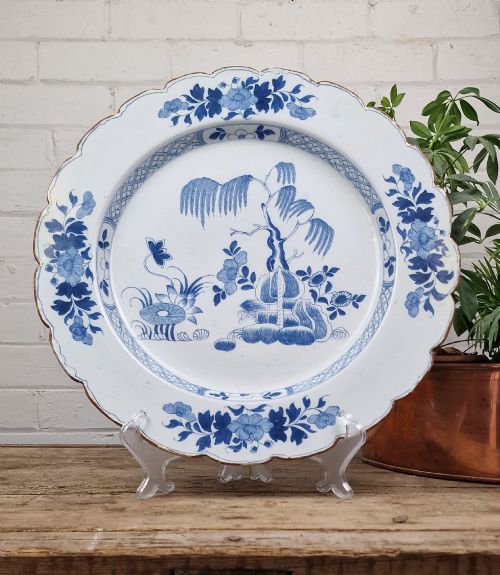
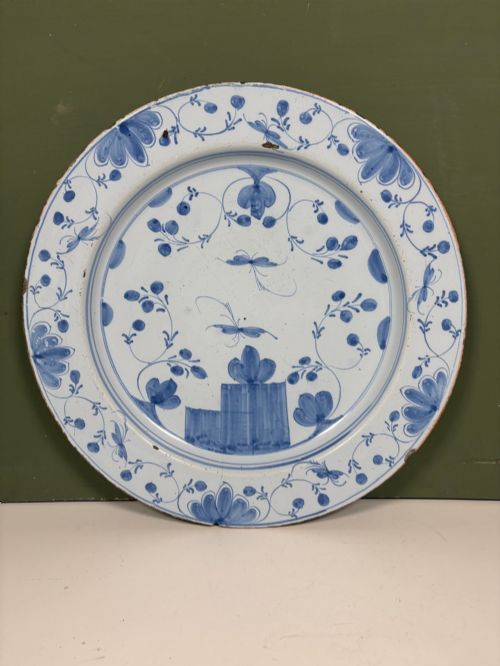
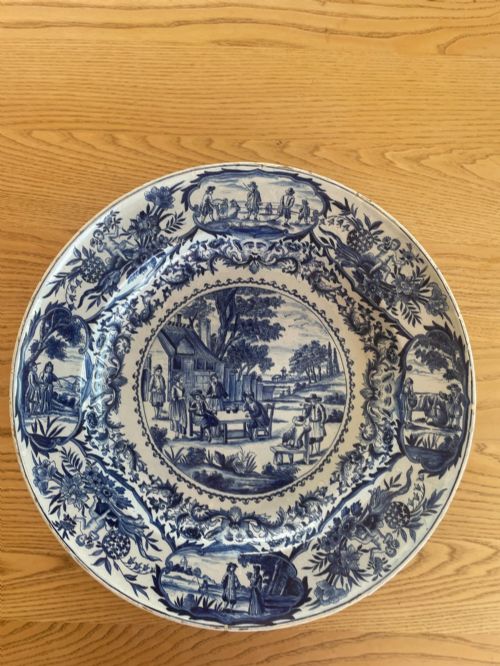
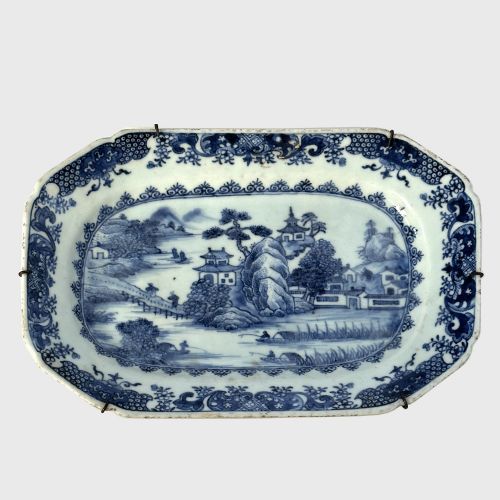
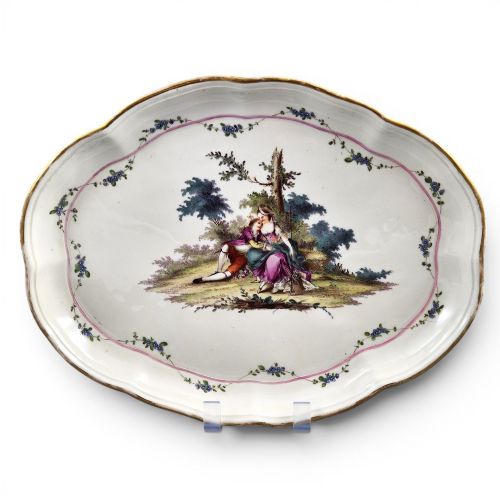
An 18th century ceramic platter encompasses large decorative chargers, serving platters, and leaf dishes created across European and Asian kilns during the Georgian period and the Qing Dynasty. Buyers searching this phrase meet substantial tin-glazed earthenware chargers from English and Dutch potteries alongside Chinese Export porcelain and Japanese Arita wares.
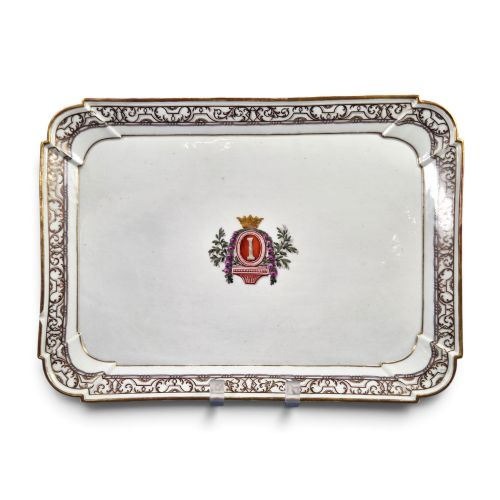
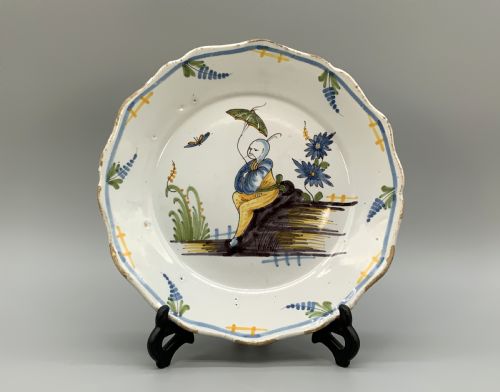
The domestic output centres on delftware chargers painted in blue and white or manganese and yellow, whilst export pieces introduce armorial designs and intricate floral patterns. These forms served as grand table centrepieces or wall display items in period interiors.
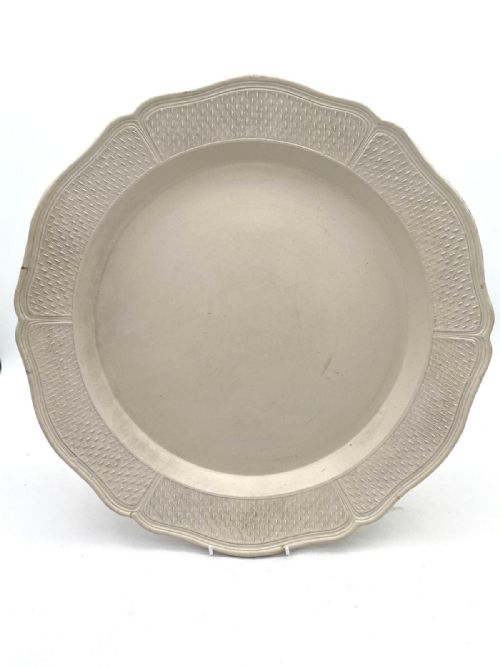
English creamware and pearlware chargers also appear, offering lighter tones and silver-shaped edges that reflect the shifting tastes of the later Georgian decades.
How they were made
Potters shaped these wares from earthenware, creamware, or porcelain body pastes, often utilising hand-painted cobalt pigment or polychrome enamels beneath transparent glazes. Tin-glazed earthenware relied on an opaque white lead glaze containing tin oxide, which provided a smooth canvas for subsequent pigment application.
High-heat firings, such as the grand feu technique, fused metallic oxides directly into the wet glaze to produce vibrant manganese, blue, and yellow hues. Porcelain pieces from Chinese, Japanese, and European factories required precise kiln temperatures to vitrify the clay body and fix delicate overglaze enamels or underglaze blue and white decorations.
18th Century Ceramic Platter Retail Price Guide 2026
Typical asking prices for 18th century ceramic platter among the pieces listed under this phrase on Sellingantiques today, from the lower quarter to the upper quarter. They describe what is for sale here now, not the wider market.
Materials span tin-glazed earthenware, creamware, pearlware, salt-glazed stoneware, and porcelain.
What varies in quality
Quality rests on the crispness of the hand-painted brushwork and the stability of the glaze, where confident, fluid pictorial scenes distinguish finer factory output from standard domestic work. The purity of the white ground and the control shown during high-temperature firing dictate the visual impact of the finished charger.
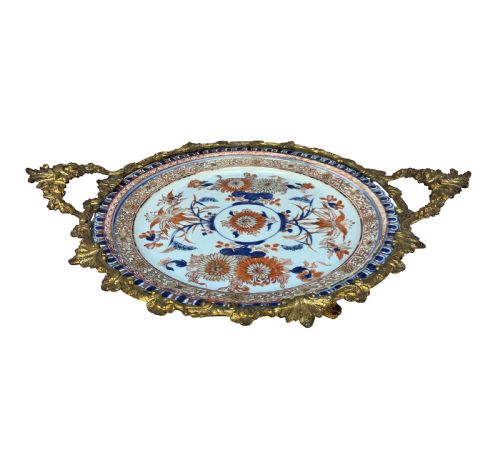
The sophistication of the ceramic body also divides the range, separating thicker, utilitarian salt-glazed or earthenware platters from thin-walled, translucent porcelain dishes mounted in ormolu or finished with refined armorial details.
Ludwigsburg Porcelain·Wedgwood·Caughley·Bow Porcelain·Joseph-Gaspard Robert
The 18th Century Ceramic Platter Glossary
- Charger
- A large decorative plate or platter intended for ceremonial dining or display on sideboard walls. These substantial ceramic pieces dominate early table settings.
- Tin-Glazed Earthenware
- Pottery covered with a lead glaze made opaque by the addition of tin oxide. This technique provides a white background for painted ceramic decoration.
- Grand Feu
- A high-temperature ceramic firing technique that allows metallic pigments to fuse directly into the raw glaze. It produces robust colours associated with Dutch delftware.
- Creamware
- A refined earthenware developed in England during the eighteenth century featuring a pale yellowish cream hue. It superseded heavier salt-glazed ceramics on dining tables.
- Chinese Export
- Porcelain manufactured in China specifically for the European and American markets. These objects frequently incorporate Western armorial crests alongside traditional oriental motifs.
18th Century Ceramic Platter: Frequently Asked Questions
How were these platters used?
These large dishes served as centrepieces for presenting meats and ceremonial courses at formal dining tables throughout the Georgian period.
Many chargers also featured pierced foot rings or suspension holes at the footrim, allowing owners to hang them on walls as decorative art when not in use.
How do I tell delftware from porcelain?
Delftware utilises an earthenware body covered in an opaque white tin glaze that feels softer and shows minor surface crazing over time.
Porcelain presents a completely vitrified, dense, and often translucent white body that resists scratching and rings clearly when tapped.
What is Chinese Imari style?
Chinese Imari describes export porcelain decorated in a distinct palette of underglaze blue, iron red, and gilt highlights.
This aesthetic originated in Japanese kilns before Chinese potteries adopted the striking colour scheme for Western buyers during the eighteenth century.
How should I display them at home?
Platters benefit from placement on sturdy plate stands or secure wall mounting systems designed specifically for heavy ceramic chargers.
Keep them away from direct sunlight and areas subject to sudden temperature shifts to protect the historical glazes.