


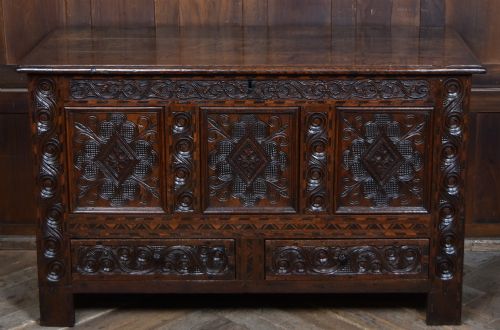
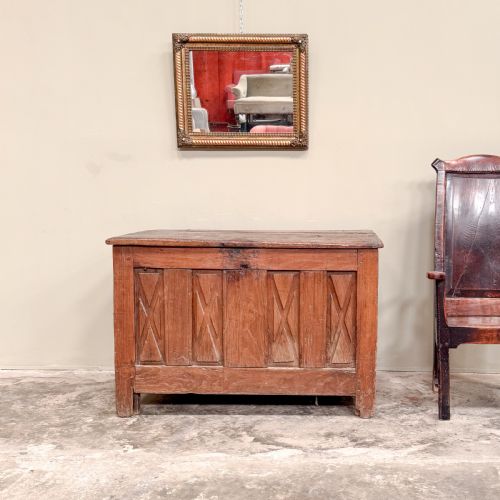
18th Century Carved Coffer
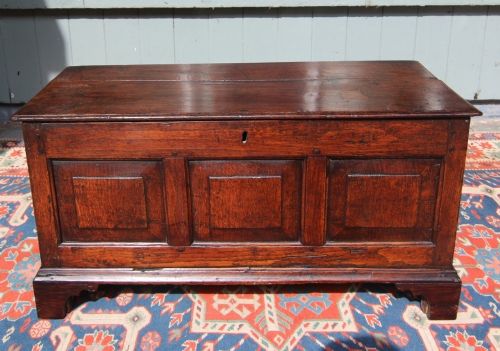
An 18th century carved coffer provides sturdy domestic storage built from timber with traditional joinery.
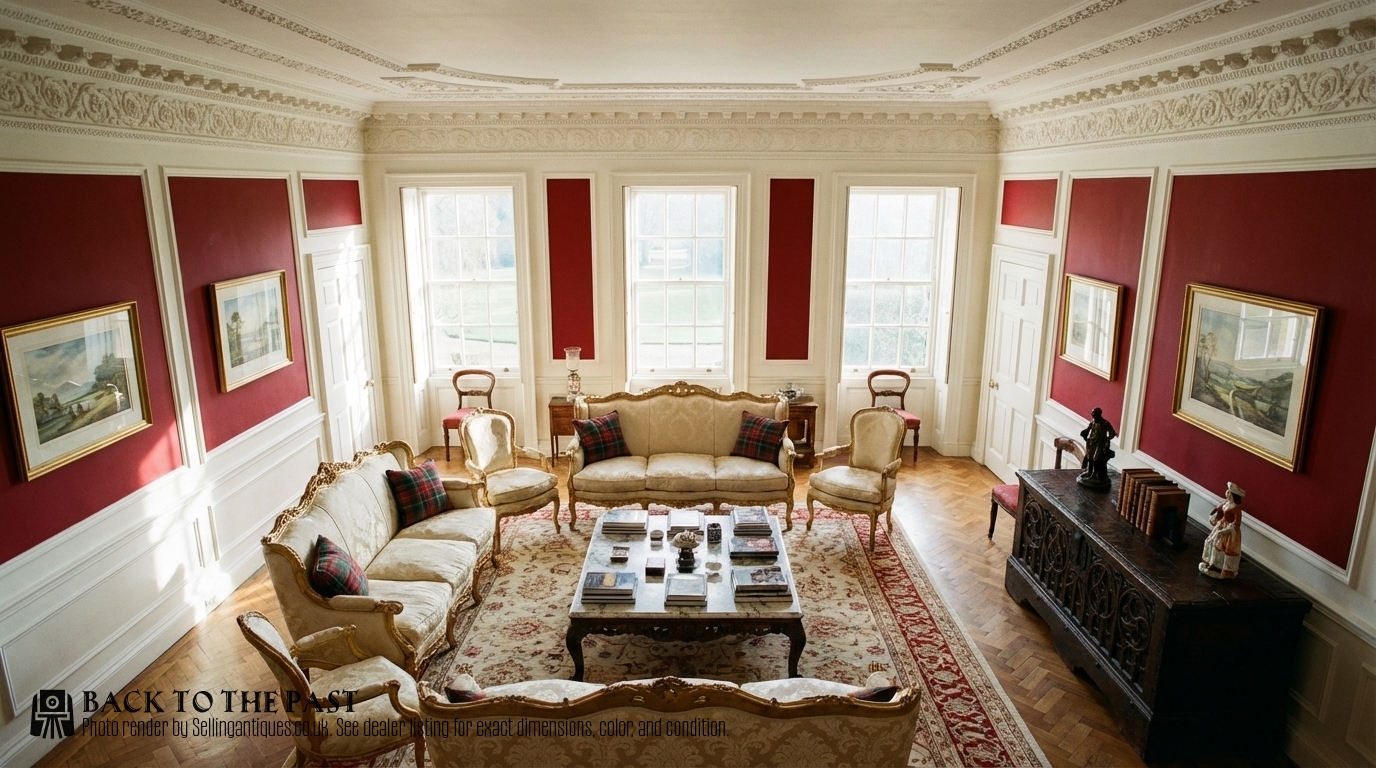
18th Century Carved Coffer
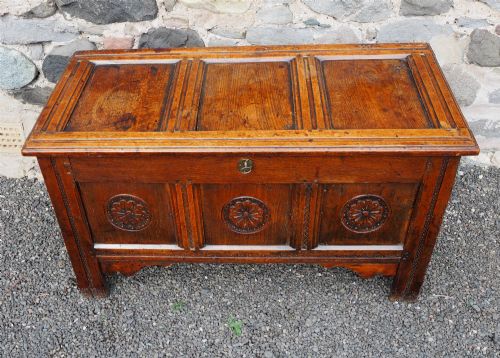
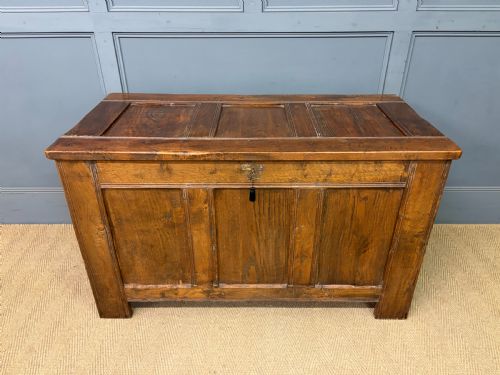
An 18th century carved coffer is a heavy wooden chest used historically for storage, linens, and valuables. The pieces found here span the 17th century through the Georgian era, with strong representation of oak construction.
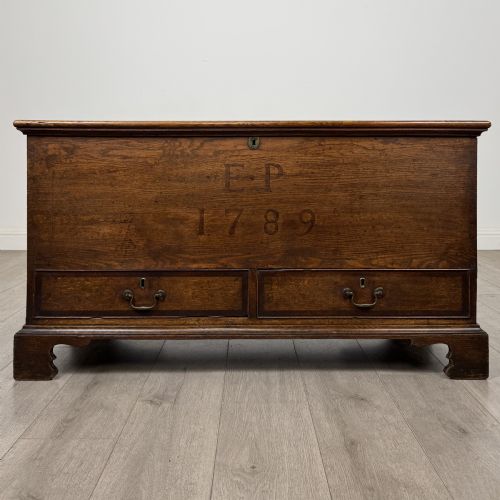
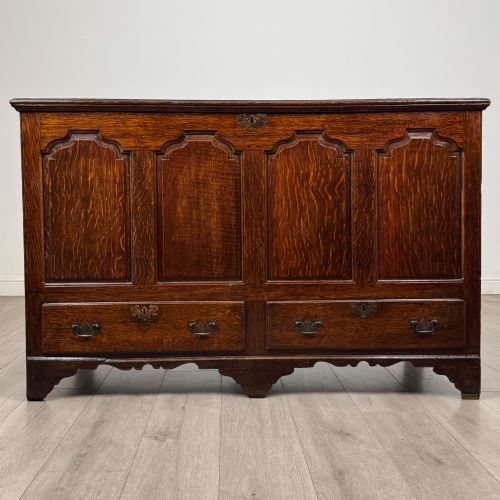
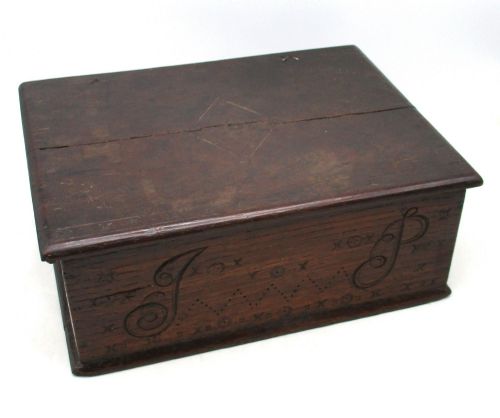
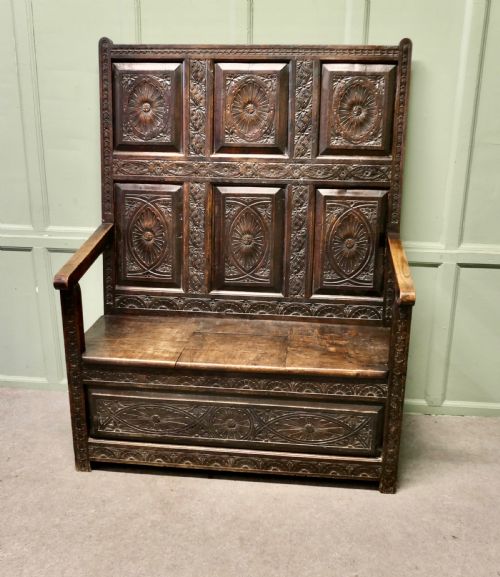
Beyond standard blanket chests, the selection includes mule chests fitted with drawers, small document and Bible boxes, and box-seated high back settles.
English country, Welsh vernacular, and French provincial styles appear frequently alongside standard Georgian forms, showing distinct regional regional woodworking traditions.
Materials and construction
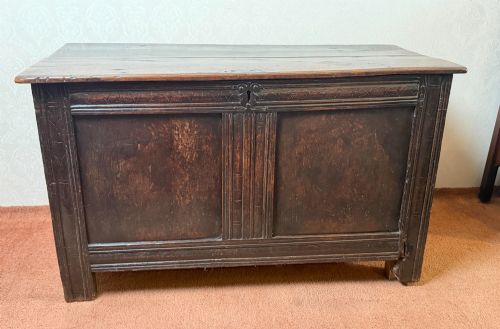
Joinery relied primarily on solid oak, shaped into framed panels and secured with pegged tenons. Secondary timbers such as pine, mahogany, and burr elm occur in specific regional pieces and drawer linings.
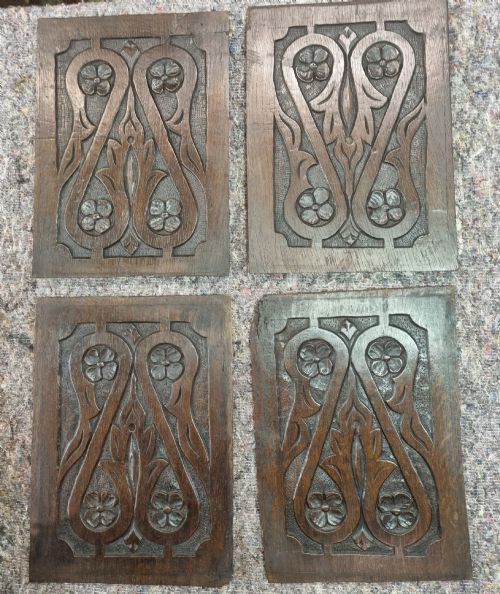
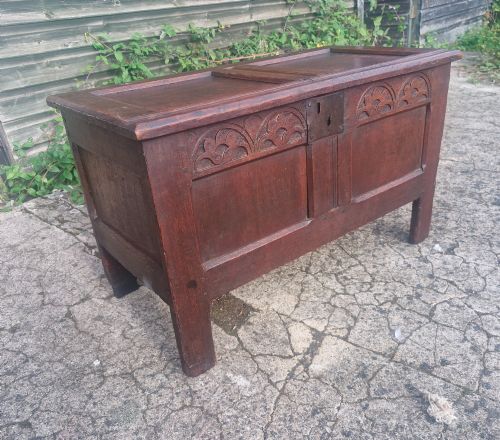
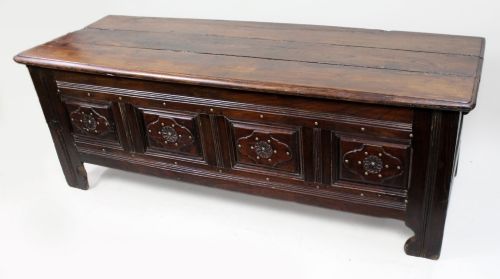
Surface decoration involved chip carving, relief carving with rosettes, and occasional wood inlay or hand painting. Hardware ranges from wrought iron hinges to brass lock plates.
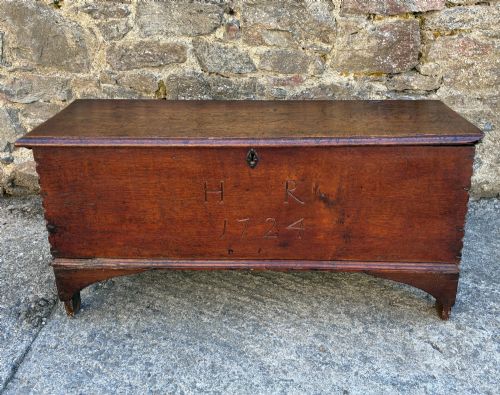
One surviving coffer preserves the carved initials CF and the date 1708.
Assessing quality and finish
Quality rests upon the crispness of the hand carving and the selection of figured timber, such as burr elm panels or well-grained oak. Proportion dictates value, with smaller document boxes and miniature chests demanding different craftsmanship than large hall coffers.
Original hinges, locks, and untouched surface patination separate fine examples from heavily restored or later altered pieces.
The 18th Century Carved Coffer Glossary
- Coffer
- A heavy wooden chest with a hinged lid used for storing valuables and household goods. These forms often feature panelled construction and carved fronts.
- Mule chest
- A storage chest featuring one or more drawers built into the base beneath the main compartment. This form bridges the evolution between the simple coffer and the chest of drawers.
- Bible box
- A small tabletop or desk box designed to hold sacred texts and personal documents. They frequently date to the late 17th or early 18th century and display neat chip carving.
- Settle
- A wooden bench featuring a high solid back and enclosed box seating beneath. They provided draught protection in large halls and farmhouses.
- Cassone
- An Italian marriage chest often decorated with hand painting or elaborate carving. These large storage pieces served as prominent household furnishings.
18th Century Carved Coffer: Frequently Asked Questions
What were 18th century carved coffers used for?
These large chests served primarily for storing household textiles, blankets, clothing, and valuables safely away from damp floors. In many homes, they doubled as seating benches in halls and living spaces.
Smaller variants like Bible boxes held important family documents and books securely under lock and key.
How do I tell an 18th century coffer from a later copy?
Authentic pieces display period construction methods, including hand-cut pegged joints, irregular hand-planed board thicknesses, and genuine age-related timber shrinkage. Wrought iron or brass hardware should match the period of the woodwork.
Examine the interior and back panels for consistent patination and wear patterns that reflect centuries of domestic use.
Where were these chests made?
The pieces originate from various European regions, with strong representation from English country workshops, Welsh vernacular makers, and French provincial cabinetmakers. Regional styles often show distinct carving motifs and local timber preferences.
Oak was the dominant material in Britain, while continental examples occasionally utilise local fruitwoods or painted finishes.
How do I care for an oak coffer at home?
Keep wooden coffers away from direct heat sources and dramatic humidity fluctuations to prevent timber splitting and joint movement. Feed the dry wood occasionally with traditional beeswax rather than modern silicon polishes.
Allow the surface finish to breathe naturally while maintaining a stable indoor environment.