
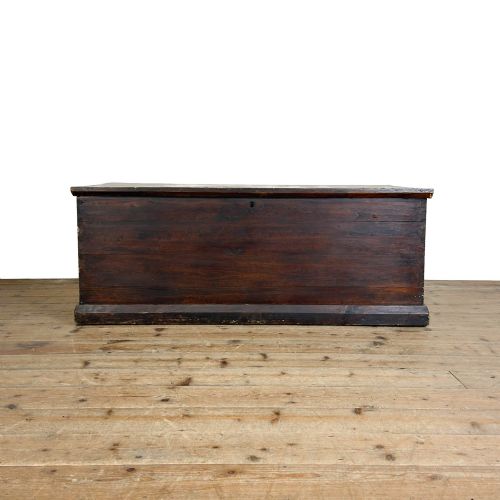
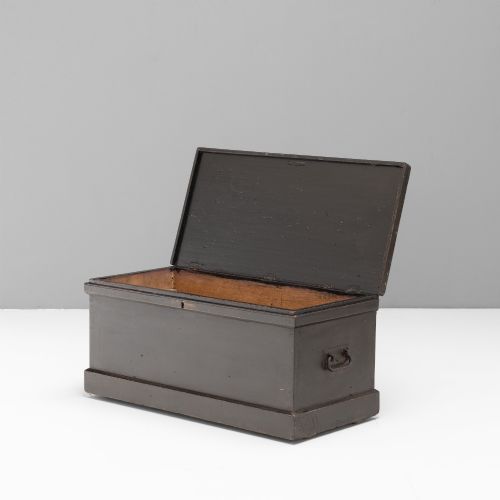
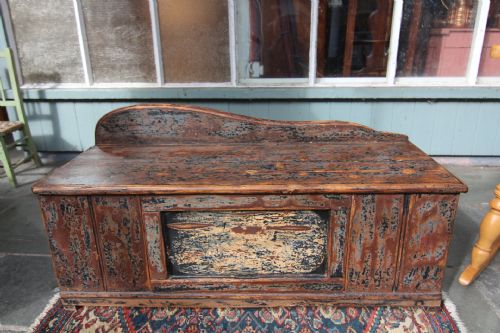
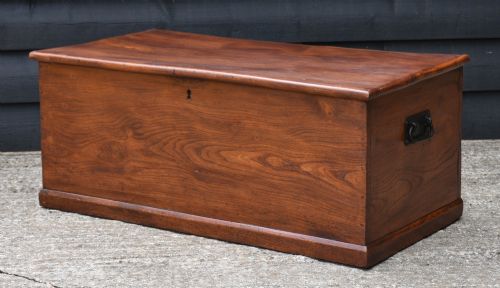
Rustic Wooden Coffer Box
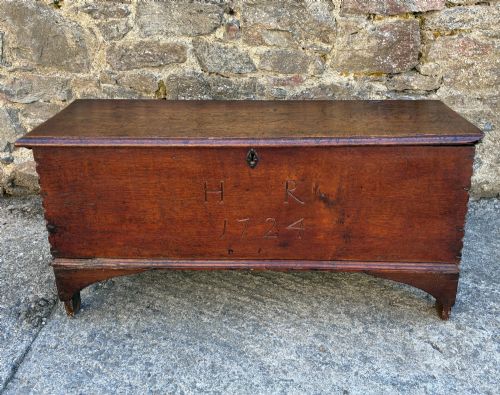
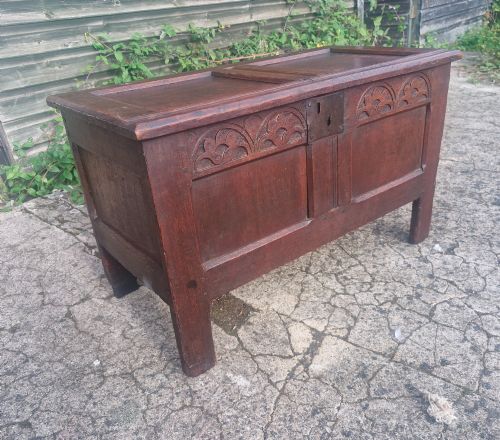
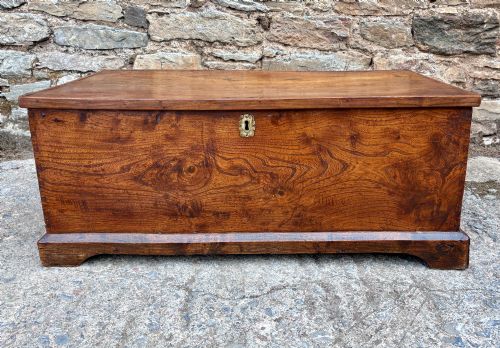
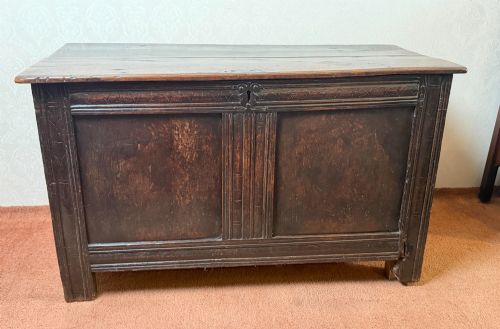
A rustic wooden coffer box offers sturdy domestic storage forged from centuries of utilitarian craft.
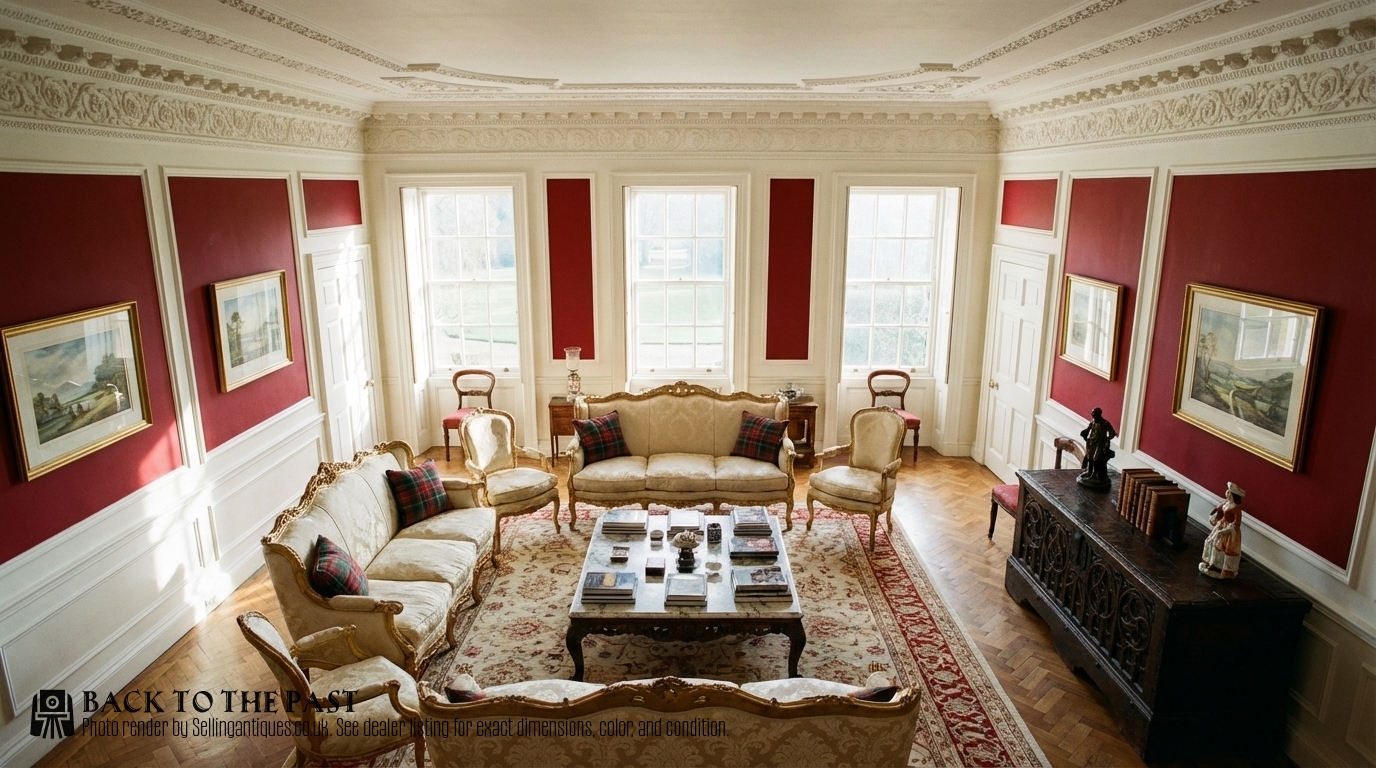
Rustic Wooden Coffer Box
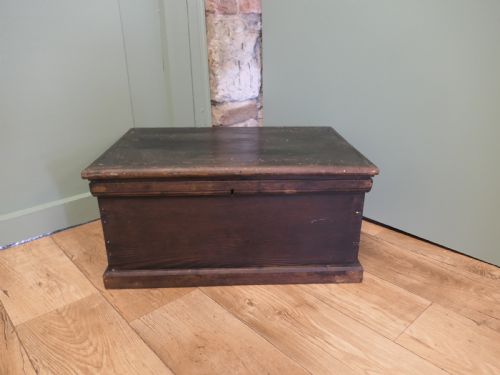
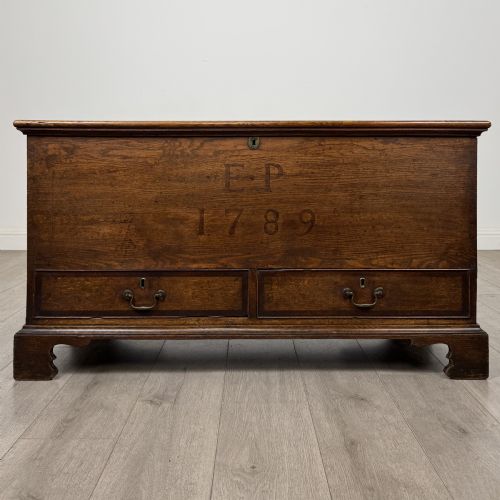
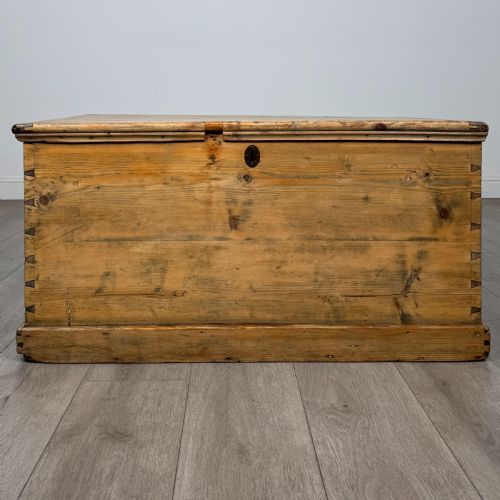
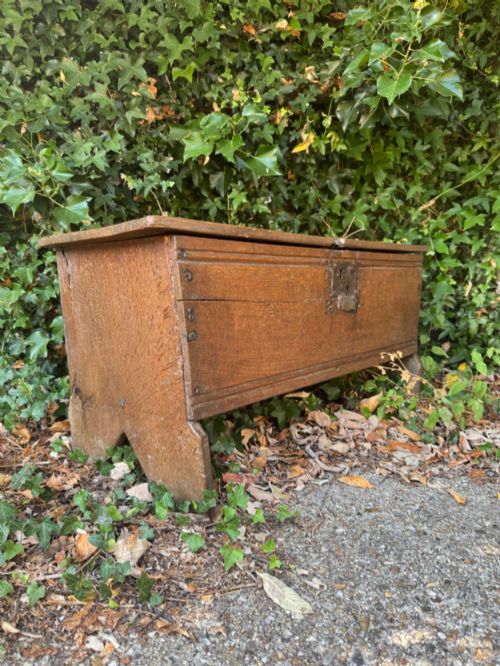
A rustic wooden coffer box serves as a robust receptacle for household textiles, documents and valuables, shaped by vernacular traditions across Britain, Europe and beyond. Buyers seeking a rustic wooden coffer box will encounter forms ranging from low document boxes and slanted bible boxes to capacious blanket chests and heavy travel trunks.
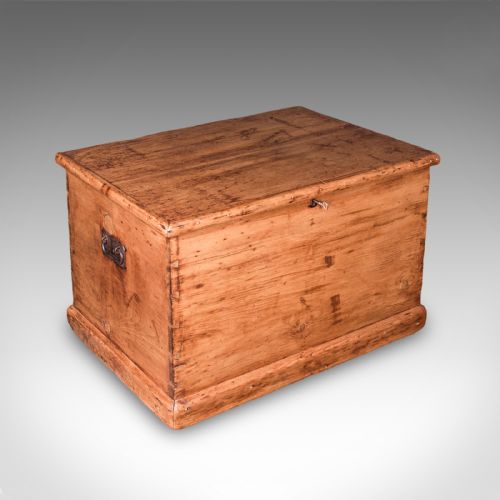
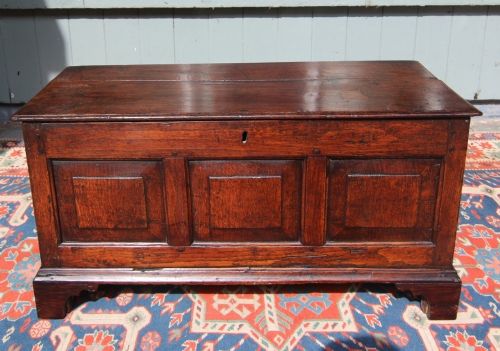
The selection centres heavily on solid oak examples from the seventeenth and eighteenth centuries alongside nineteenth-century Victorian pine and elm variants. Regional pieces such as Welsh oak coffers and Scandinavian or French trunks dominate the domestic output.
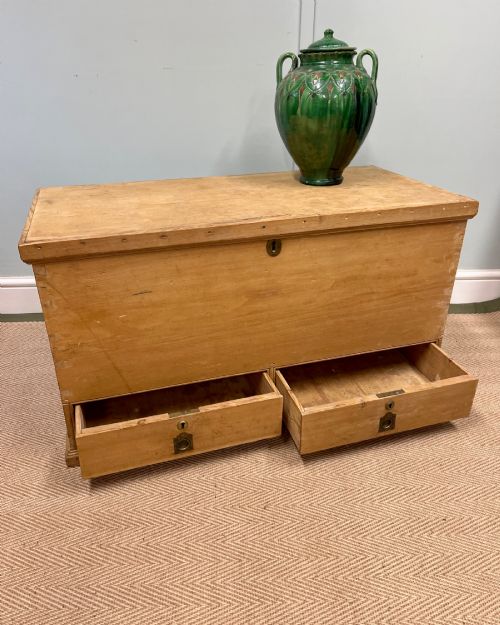
Heavy iron strapwork, hand-forged hinges and internal till drawers frequently accompany these functional storage vessels. Each piece bears the marks of daily utility, transitioning from domestic utility into decorative furniture.
How they were made
Joiners and country carpenters utilised native hardwoods like oak, elm and pine, constructing carcases through pegged mortise and tenon joints or simple six-plank board assembly. Panels were frequently hand-carved with geometric motifs, foliage or initials using basic chisels and gouges.
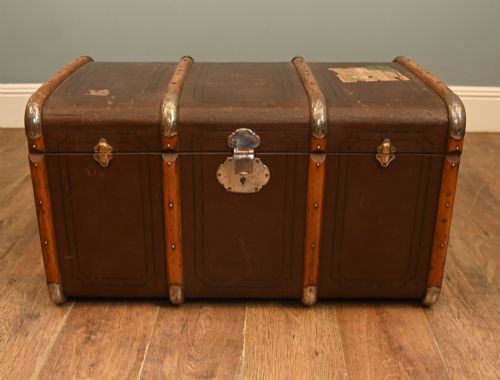
Metalwork played a critical structural role, with blacksmiths hammering wrought iron into strap hinges, corner brackets and sturdy hasps to reinforce heavy lids. Paint and natural wax finishes were applied directly to seal the timber against moisture and wear.
Several chests still retain their original internal till compartments, built secretly to guard small coins and spare candle stubs.
What varies in quality
Timber selection and board thickness dictate the primary tier of quality, distinguishing dense quarter-sawn oak and seasoned elm from lighter utility pine. The integrity of original construction, including untrimmed feet, untouched hinges and unaltered interior tills, separates surviving primary examples from heavily restored instances.
The sophistication of surface ornamentation, from crisp seventeenth-century carved panels to delicate iron strapwork, marks the divide between utilitarian workshop output and finer commissioned pieces.
The Rustic Wooden Coffer Box Glossary
- Coffer
- A large wooden chest traditionally used for holding valuables, linen or documents. Coffers often feature heavy timber lids and robust iron locking mechanisms.
- Bible box
- A small tabletop or desk-mounted box designed to store sacred texts and writing implements. These compact pieces frequently incorporate sloping lids for reading.
- Six-plank coffer
- A primitive chest constructed from six individual boards joined simply at the edges. This method represents one of the earliest forms of domestic box construction.
- Till
- A small internal compartment or drawer built into the upper corner of a chest. Tills kept small coins, documents or candles separate from the main storage cavity.
- Strapwork
- Flat bands of metal or carved wood applied to the exterior of a box for reinforcement or decoration. Wrought iron strapwork provides both structural strength and visual contrast.
Rustic Wooden Coffer Box: Frequently Asked Questions
What were rustic wooden coffer boxes used for?
These boxes served as secure storage for textiles, grain, blankets and important legal documents before fitted closets became common in homes.
Their heavy lids and iron locks also allowed them to function as makeshift benches or travel trunks during transit.
How do I date an old wooden coffer?
Dating relies on examining the construction methods, tool marks and timber species visible across the panels and joints.
Seventeenth-century examples typically display pegged frame-and-panel oak construction with hand-split boards, whereas nineteenth-century pieces often utilise simpler pine planks and machine-sawn elements.
Are these chests suitable for modern living rooms?
These boxes function exceptionally well as coffee tables, hallway blanket stores or television stands while providing hidden interior storage.
Their robust timber construction allows them to endure daily domestic use without losing their historical character.
What is the difference between a coffer and a trunk?
A coffer generally denotes a heavier, panelled wooden chest of stationary domestic use with architectural joinery.
Trunks often lean towards travel or provincial storage, frequently featuring iron bindings, carrying handles and lighter softwood bodies.