
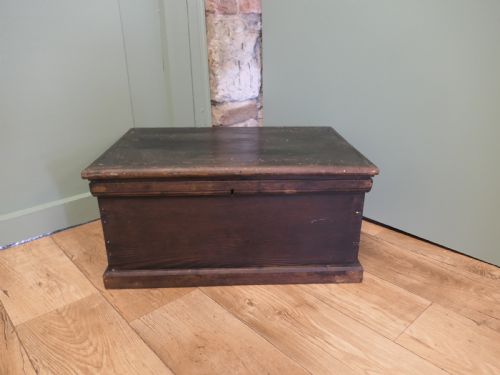
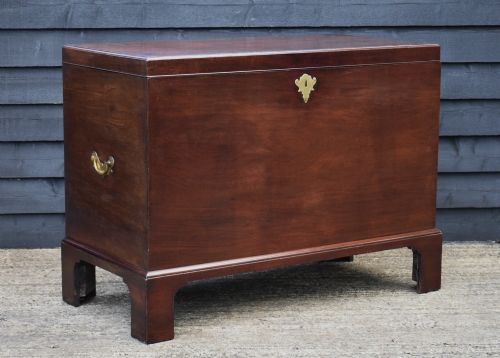
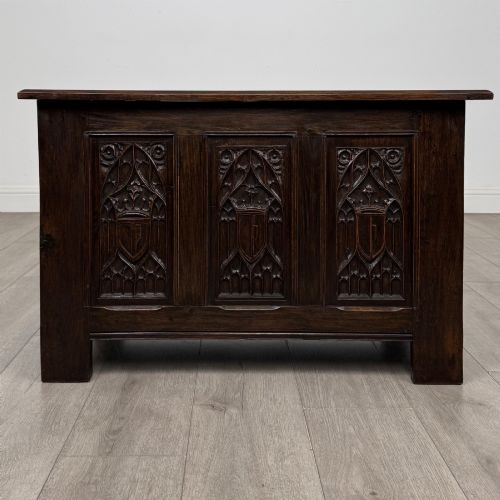
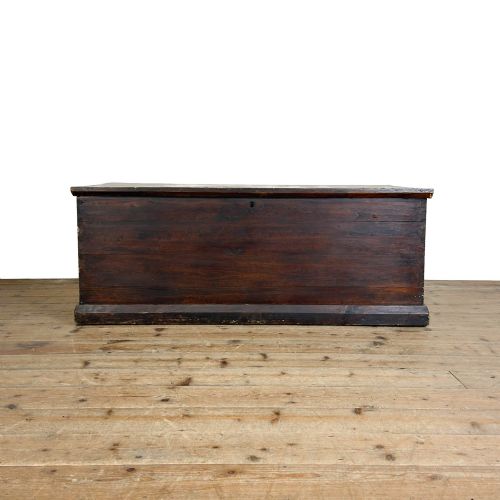


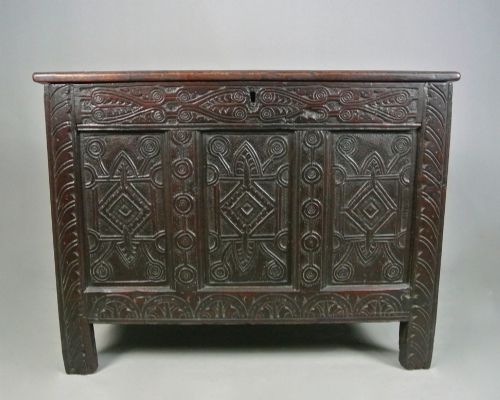
Dark Wood Coffer Trunk
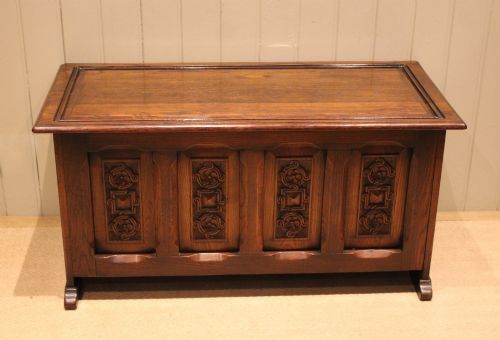
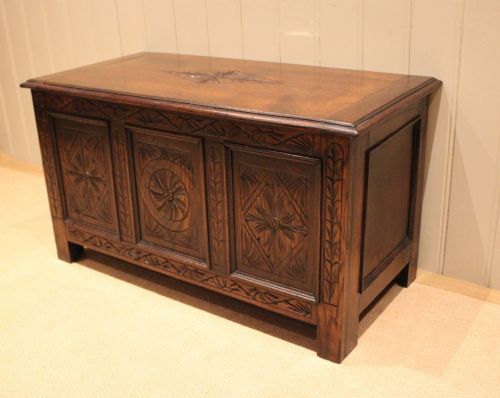
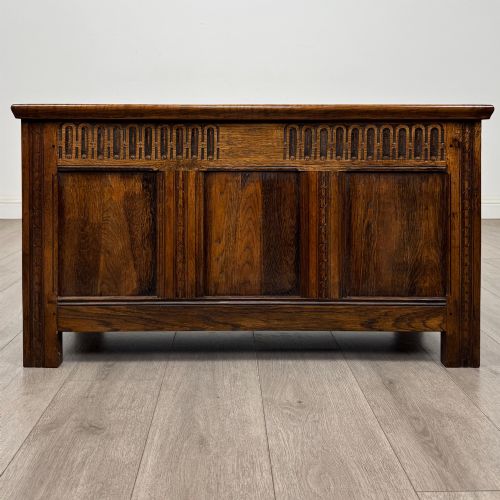
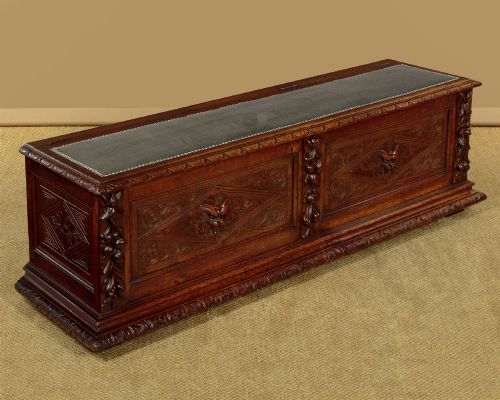
A dark wood coffer trunk provides sturdy household storage while carrying centuries of carpenter craft in solid oak, pine, and tropical timber.
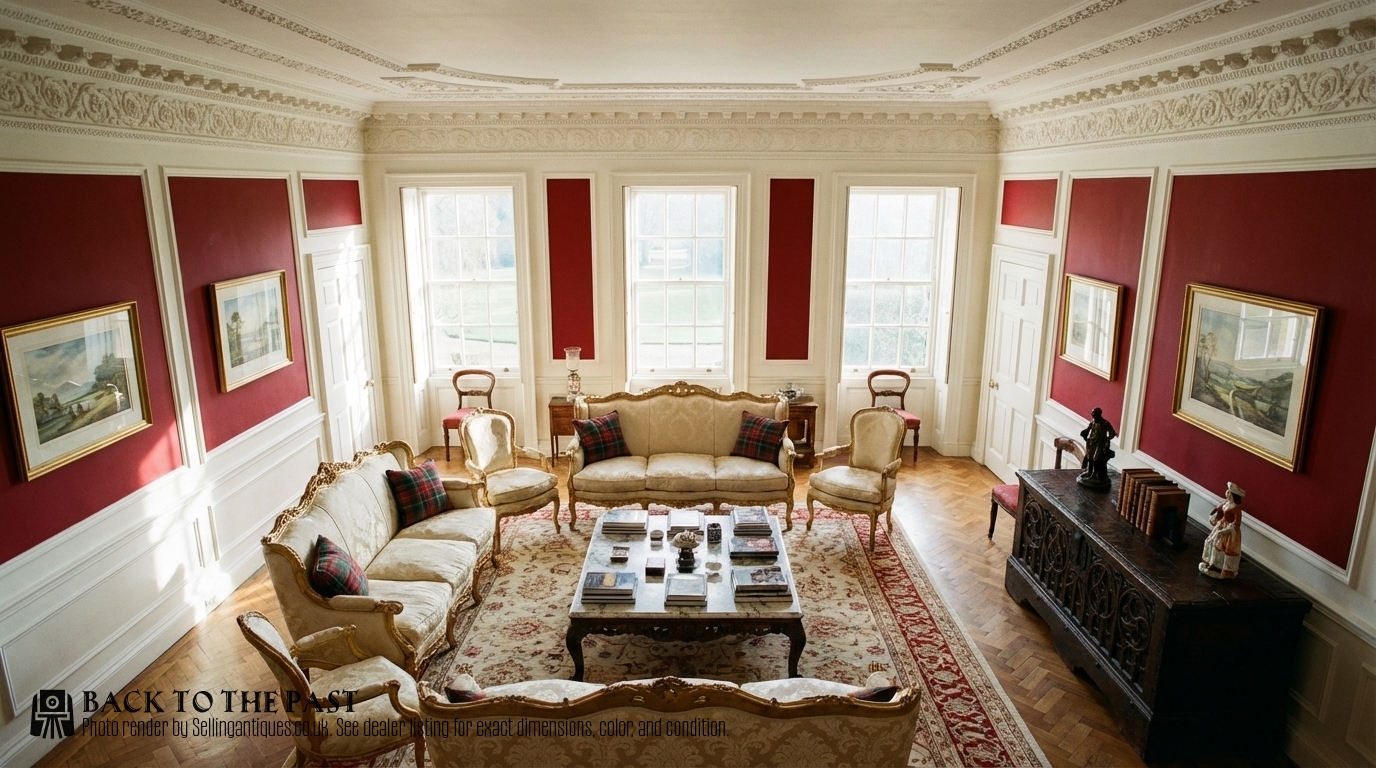
Dark Wood Coffer Trunk
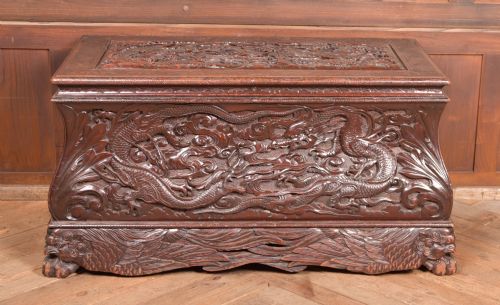
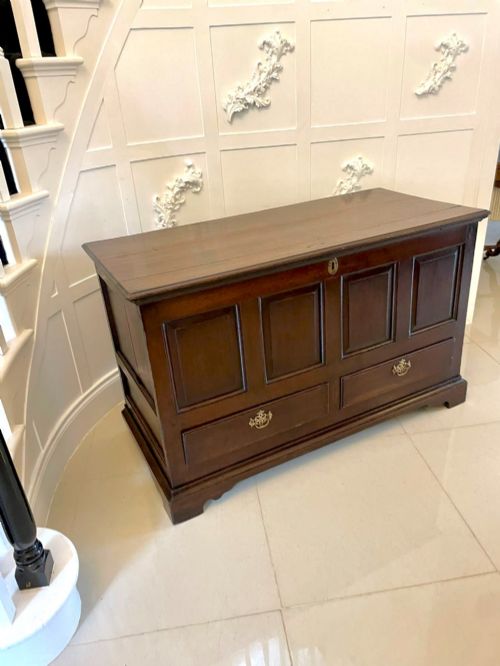
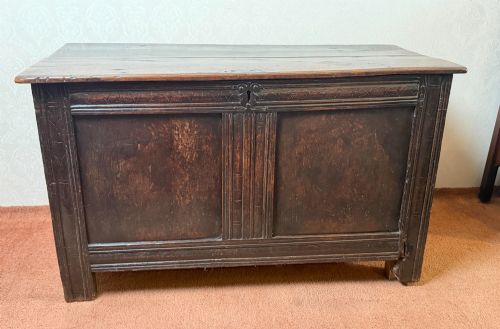
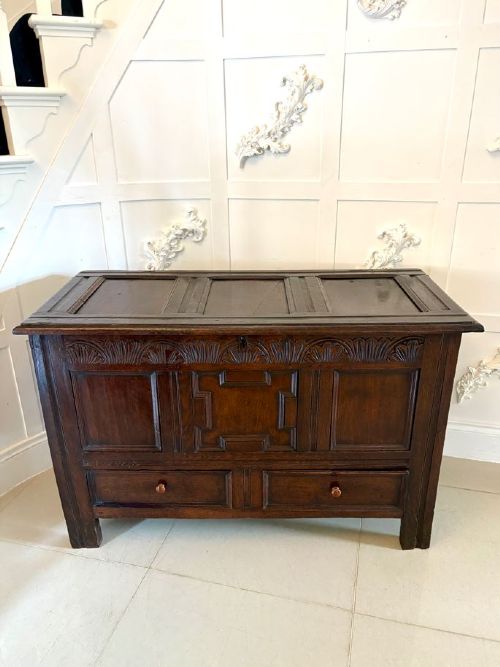
A dark wood coffer trunk serves as a heavy-duty storage box or blanket chest, shaped by centuries of domestic utility across Europe, Asia, and colonial trade routes. When searching for this form, buyers encounter substantial pieces designed to hold linens, documents, or personal belongings.
The selections span from strict seventeenth-century panelled oak boxes to eighteenth-century Georgian mules and nineteenth-century campaign chests. Pieces range in origin from English country workshops to Dutch colonial outposts and Scandinavian farmhouses.
Most examples found in these listings rely on oak, pine, or teak, often shaped into simple six-plank constructions or heavily carved revival formats. The unifying element is a deep timber lid opening over a robust storage well.
Materials and construction methods
Carpenters built these trunks primarily from solid timber planks, employing durable joints like mortise and tenon to hold panelled oak sides together. Iron or brass hardware often reinforces the corners, hinges, and locking plates.
Surface detailing relies on hand carving, linenfold panelling, or inlaid mother-of-pearl, depending on the regional workshop tradition. Many examples retain deep patination built up through centuries of waxing and handling.
Several trunks include travel-weary iron locks designed to thwart highwaymen during bumpy eighteenth-century mail coach journeys.
Distinctions in construction and finish
Quality rests on the integrity of the timber joints and the retention of original boards rather than later timber replacements. Superior examples display crisp hand carving and authentic period ironmongery.
The depth of the natural wood patina and the tightness of the panel construction distinguish high-grade regional furniture from simpler utilitarian boxes.
The Dark Wood Coffer Trunk Glossary
- Mule chest
- A storage chest that incorporates one or more drawers beneath the main lift-top compartment. This form bridges the gap between the traditional coffer and the modern chest of drawers.
- Linenfold
- A style of wood carving that mimics folded fabric, commonly seen on panels of sixteenth and seventeenth-century English furniture.
- Six-plank
- A primitive box construction method utilising six individual boards joined simply at the edges. It represents one of the earliest forms of chest making.
- Brass bound
- Furniture strengthened with external brass straps and corner brackets, frequently found on campaign pieces meant for travel.
Dark Wood Coffer Trunk: Frequently Asked Questions
How do I date an old oak coffer?
Dating relies on observing construction methods such as hand-cut dovetails, iron butterfly hinges, and original peg joints. Tool marks left by pit saws and adzes also indicate earlier centuries of manufacture.
Stylistic cues like linenfold carving or Jacobean geometric mouldings help narrow the decade or reign of origin. Secondary woods and fastener types provide further clues to age.
What is the difference between a coffer and a trunk?
A coffer traditionally refers to a heavy, rigid wooden chest built by joiners or carpenters for domestic storage. They often feature robust panelled construction and flat tops suited for seating.
Trunks generally imply travel or transport readiness, sometimes featuring domed lids, leather coverings, or carrying handles. Many antique listings use the terms interchangeably for heavy storage boxes.
Can I use a heavy wooden chest as a coffee table?
These sturdy timber boxes easily double as low tables or bench seating in a modern living space. Their flat lids provide a stable surface for books and trays while keeping clutter hidden inside.
Ensure the height matches your seating and check that the lid stability supports daily domestic use. Placing felt pads underneath protects original feet from floor moisture.
How should I clean antique dark wood?
Maintenance requires gentle dusting with a dry lint-free cloth and occasional application of traditional beeswax to nourish the dry timber. Avoid modern silicone sprays or harsh chemical cleaners that strip the historic wax finish.
Keep wooden chests away from direct heat sources and radiators to prevent the old planks from splitting or warping. Consistent indoor humidity preserves both the wood and the metal hinges.