

18th Century British Art
When you explore 18th century british art, you encounter oil portraits and printed works that record the faces and landscapes of the Georgian era.
18th Century British Art
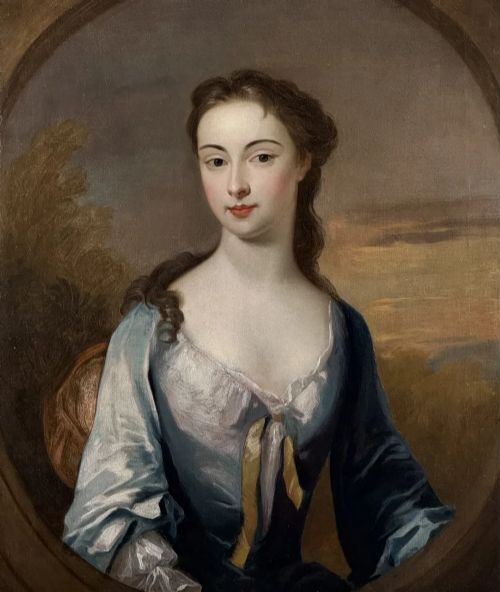
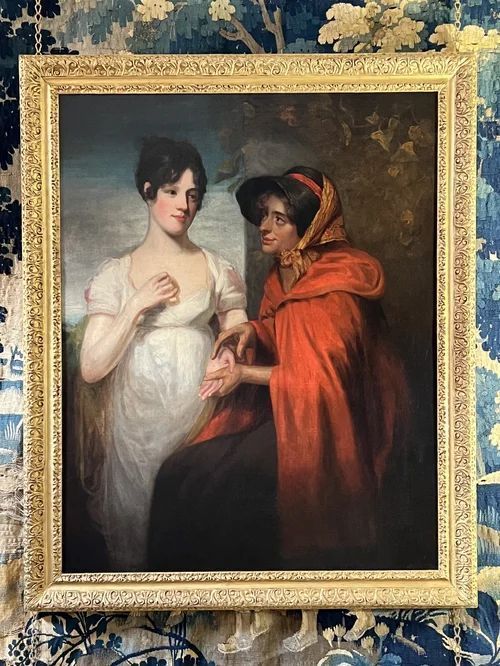
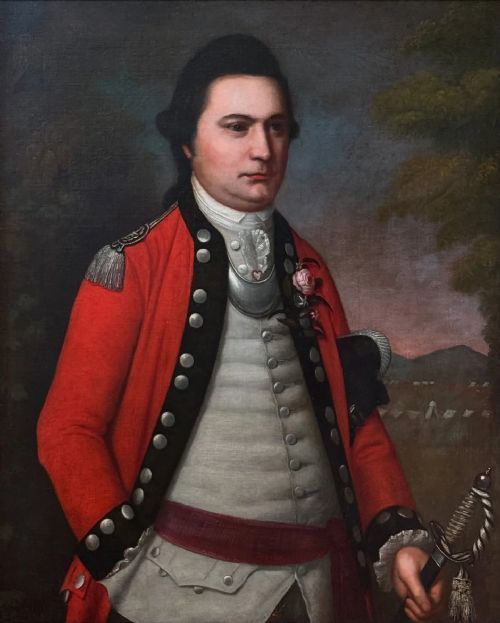
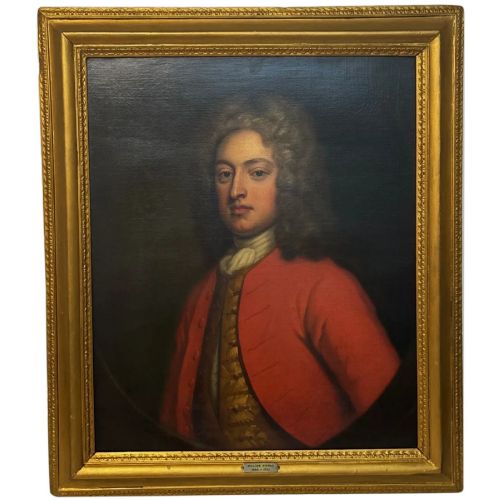
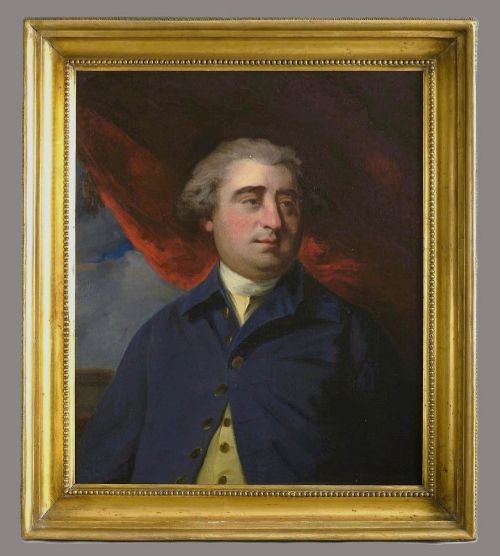
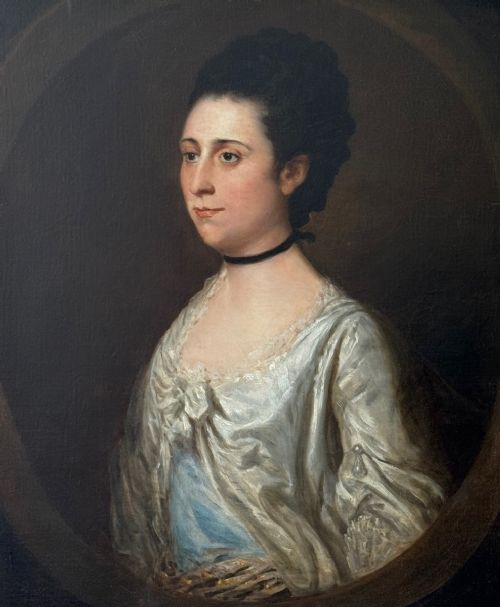
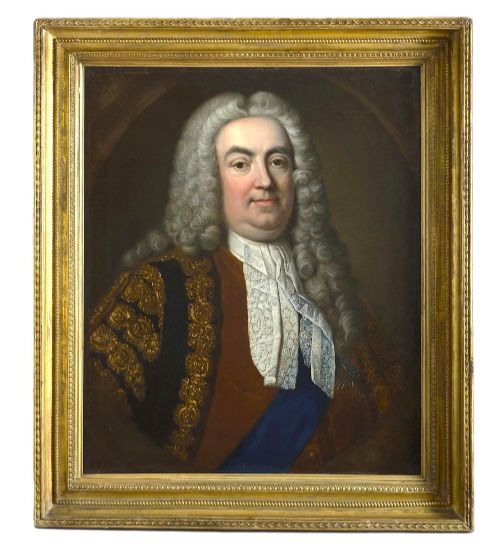
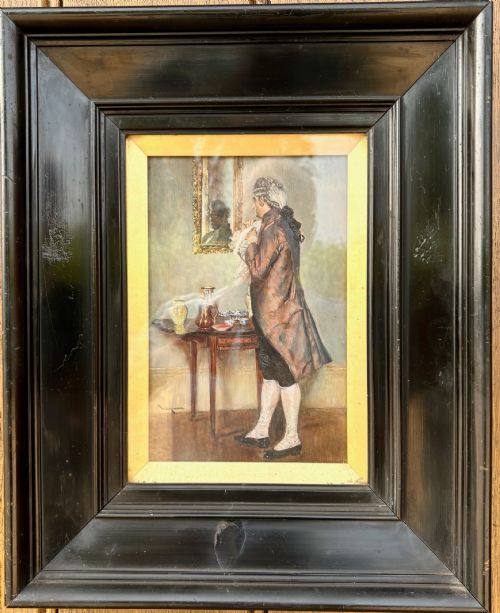
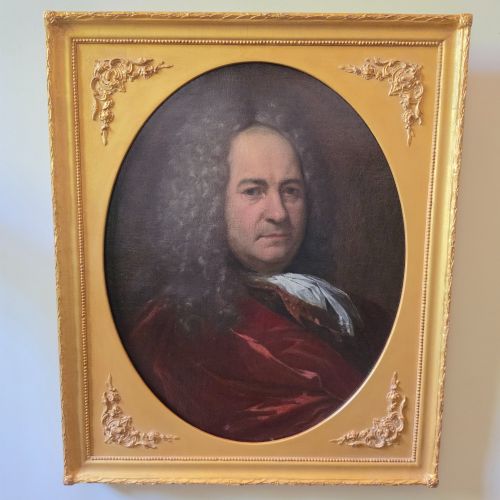
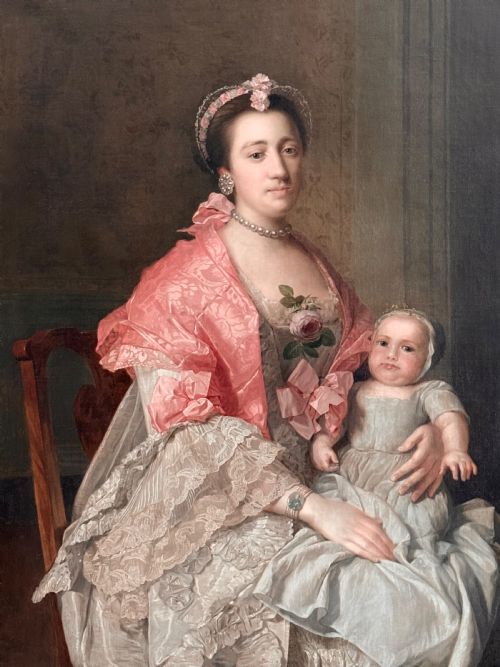
When buyers search for 18th century british art, they meet oil paintings on canvas and panel alongside portrait miniatures and graphic works on paper. The majority of these pieces are portraiture, depicting gentlemen, ladies, officers and public figures from the Georgian period.
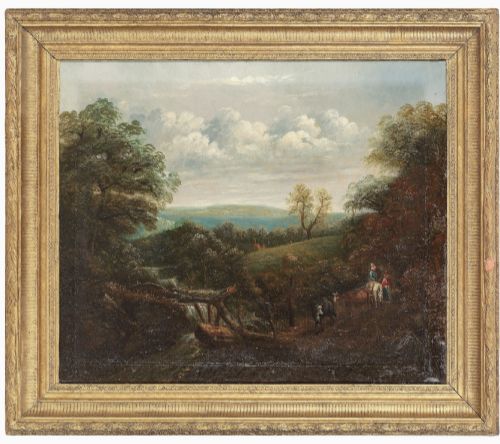
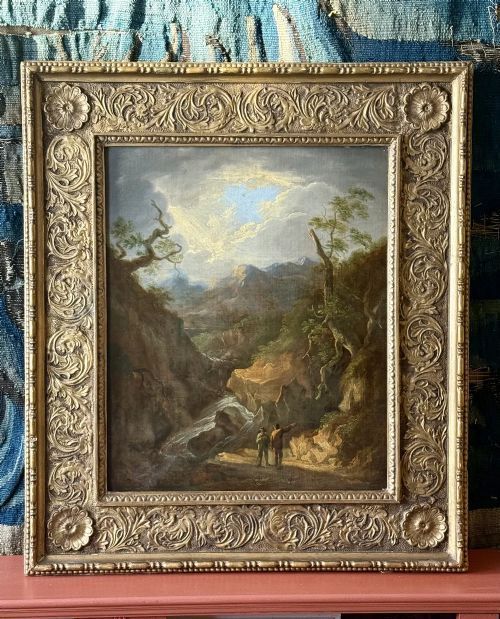
Beyond formal portraiture, the selection includes genre paintings, landscape scenes, and graphic engravings after major painters. These works originate from named artists of the British School as well as regional traditions like the Norwich School.
Materials and technique
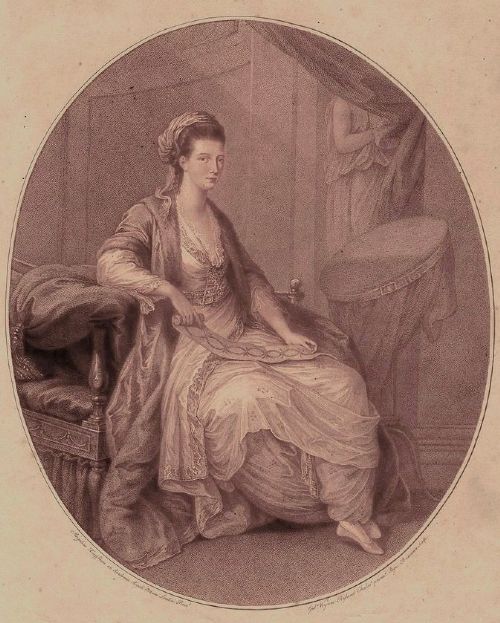
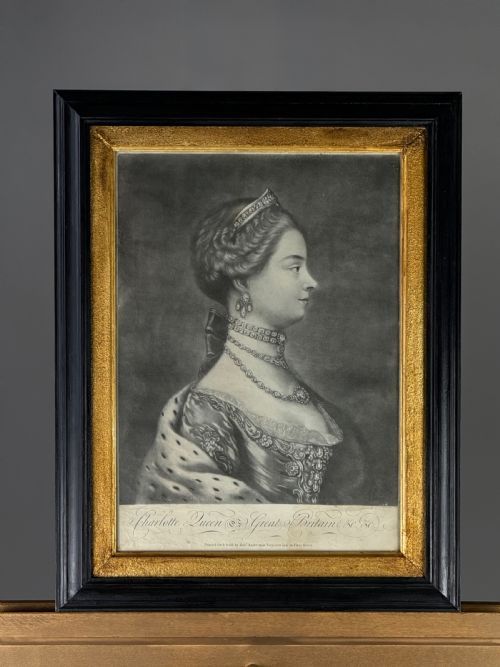
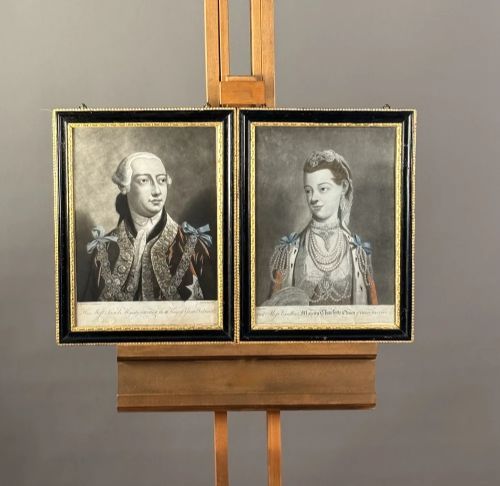
Artists of this era worked primarily in oil on stretched canvas or wooden panel, applying pigments to build up skin tones and textile details. Graphic works relied on copperplate engraving and mezzotint printing on paper, producing multiple impressions of notable portraits.
Finished works were housed in timber frames, often utilising giltwood, gold leaf, or ebonised mouldings to complement the painted surface.
Common framing materials recorded in the evidence include giltwood, gold leaf, glass, and ebonised wood.
Factors of quality
Quality in these works rests upon the surety of the drawing, the handling of drapery and flesh tones, and the preservation of the original surface pigment. Studio pieces and works by named masters display greater anatomical precision and psychological depth than anonymous provincial school paintings.
The survival of the original frame, whether carved giltwood or ebonised wood, contributes to the integrity of the piece.
Sir William Beechey·Charles Jervas·John Opie·Stickland Lowry·James McArdell·Thomas Frye·Sir Joshua Reynolds·Thomas Beach·Benjamin Barker of Bath·Jean Baptiste Van Loo·Allan Ramsay·John Russell·Michael Dahl·Thomas Hudson·Arthur William Devis
The 18th Century British Art Glossary
- Mezzotint
- A printmaking process where the copper plate is roughened to produce tones and shadows. This technique allowed printmakers to replicate oil paintings with smooth tonal gradations.
- Oil on Canvas
- A painting medium using pigments bound in drying oils applied to woven fabric. This was the primary support for formal portraits of the Georgian period.
- Portrait Miniature
- A small, intimate painting executed on a portable scale. These works were often framed for desk placement or personal wear.
- Norwich School
- A regional collective of artists inspired by local landscapes and rural scenes. It represents the first provincial art movement in Britain.
- Engraving
- A printmaking method where lines are cut directly into a metal plate with a burin. The resulting incisions hold ink to print sharp linear details on paper.
18th Century British Art: Frequently Asked Questions
What subjects appear most often in these paintings?
The subjects are predominantly human figures, including military officers, statesmen, nobility, and children. Painters recorded their sitters in formal attire or within pastoral landscapes.
Alongside single portraits, buyers encounter family groups and genre scenes depicting everyday activities like reading or country walks.
How do I distinguish an original 18th-century canvas from a later copy?
Examination of the canvas weave, stretcher frames, and underlying pigment craquelure helps determine the age of an oil painting. Earlier supports often show hand-planed timbers and older handmade nails.
Pigment analysis and examination under specialised lighting reveal later overpainting or modern restorations that alter the original surface.
Where should I hang an oil painting from this period?
These works require interior walls away from direct sunlight, high humidity, and rapid temperature fluctuations from radiators. Stable environmental conditions prevent the canvas and wooden stretcher from warping or cracking.
Traditional portrait oils pair well with period interiors, libraries, or dining rooms where lighting can be controlled with picture lights.
What is the difference between an engraving and an oil painting?
An oil painting is a unique, hand-painted artwork created directly by the artist using pigmented oils on canvas or panel. Each brushstroke is singular and bears the direct touch of the painter.
An engraving is a printed multiple produced by pressing inked paper onto an engraved metal plate. These prints served to distribute likenesses of famous individuals widely.