




18th Century Bird Art
These pieces of 18th century bird art capture feathered subjects through detailed oils, delicate engravings and textiles, bringing historical natural history into domestic spaces.
18th Century Bird Art
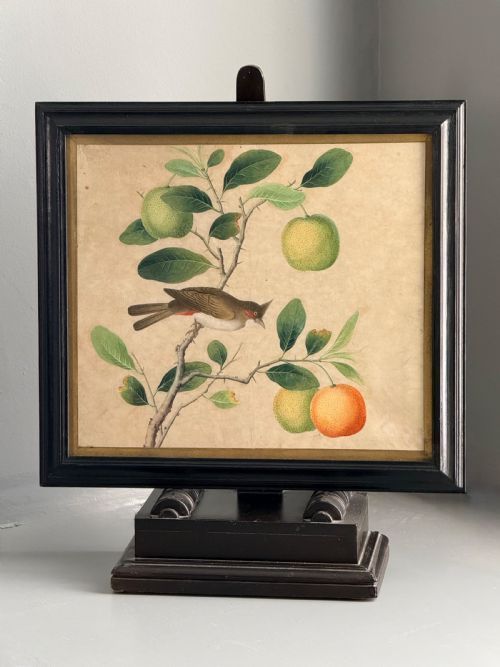
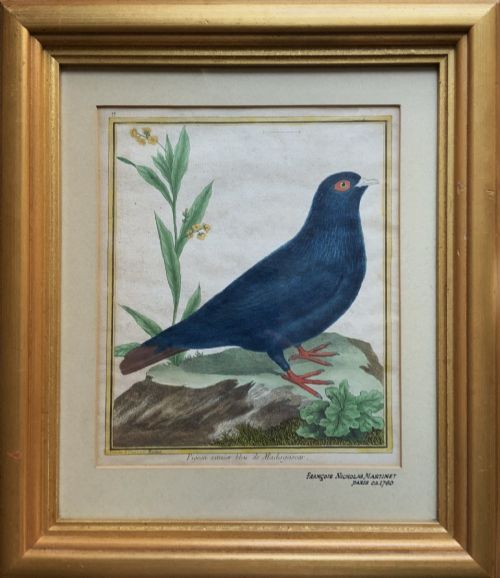
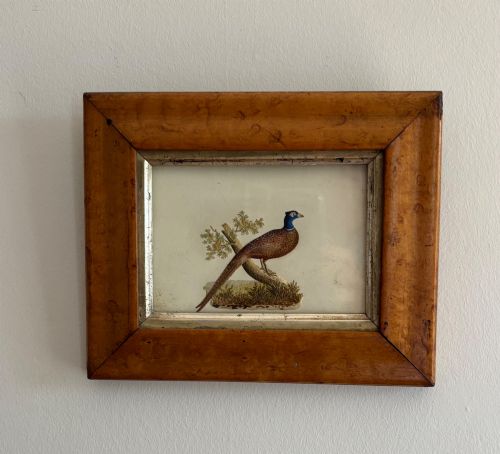
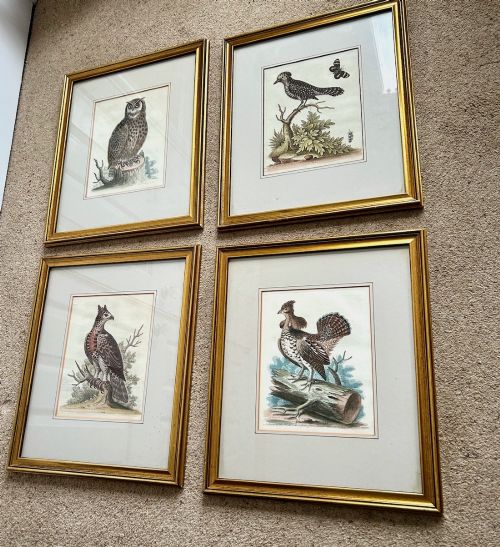
When you search for 18th century bird art, you encounter a diverse range of visual media depicting avian subjects from the Georgian and Regency eras. The selection spans detailed hand-coloured ornithological engravings, large oil paintings of wildlife, and delicate works on paper.
Engravings by figures like George Edwards and François-Nicolas Martinet appear frequently alongside oil paintings in Flemish and Italian Baroque styles. Framed prints and embroidered pieces further broaden the visual vocabulary available within this category.
Materials and techniques
Artists of the period worked extensively on paper using watercolours, gouache, and ink, often applying hand-colouring to engraved plates to achieve scientific and decorative precision. Oil on canvas served larger compositions, capturing birds within expansive landscapes or still life settings.
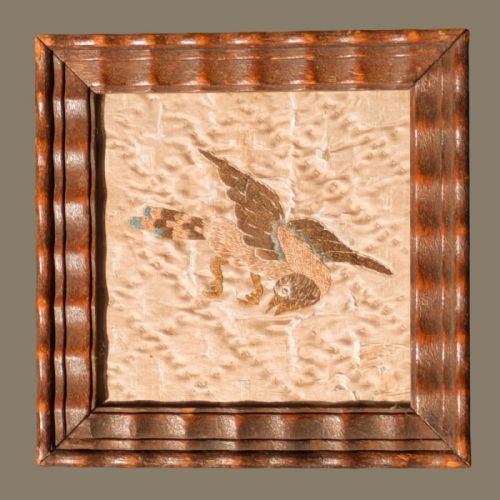
Textile works utilise silk and wool threads in framed embroideries and large-scale tapestries. Frames of gilt wood and simple timber enclose these works, preserving paper and canvas from environmental wear.
The selection includes European and Chinese export styles, spanning oil paintings, tapestries, and embroidered works.
Markers of quality
Quality rests upon the precision of the draughtsmanship and the vibrancy of surviving pigments, particularly in hand-coloured engravings and watercolours where fading alters the visual impact. In oil paintings, the handling of plumage, texture, and background landscape depth distinguishes accomplished master works from standard studio output.
The integrity of the original medium, whether unblemished pith paper or stable canvas without extensive re-lining, dictates the desirability of an artwork. Period framing, especially original gilt wood surrounds, adds substantial character to the piece.
François-Nicolas Martinet·Samuel Dixon·George Edwards·Philipp Ferdinand de Hamilton·Marmaduke Cradock·Jacob Bogdani·Christian Lindner·Giacomo Nani·Eleazor Albin·Edward Bird·Stephen Elmer
The 18th Century Bird Art Glossary
- Engraving
- A printmaking technique where an image is incised into a metal plate, holding ink for transfer to paper under pressure. Hand-coloured examples receive pigment by hand after printing.
- Gouache
- An opaque water-based paint that provides solid, flat areas of colour and sharp detail on paper or pith. It differs from transparent watercolour through the addition of a white pigment filler.
- Verdure tapestry
- A woven wall hanging featuring stylised foliage, trees, and occasionally birds or animals in landscape settings. These textiles typically utilise wool and silk yarns.
- Mezzotint
- A printmaking process of the tonal method, allowing smooth gradations of dark and light to be achieved. It became popular for reproducing portraits and romantic scenes during the Georgian and Regency periods.
18th Century Bird Art: Frequently Asked Questions
How do I identify a genuine 18th century engraving?
Examine the paper quality for laid chain lines and watermark evidence typical of eighteenth-century papermaking methods. Plate marks indentation around the printed image further confirm traditional printing techniques.
Hand-colouring should show variations under magnification rather than uniform modern printing dots. Contemporary inscriptions or publisher details along the lower margin also help authenticate the period.
Where should I hang bird paintings in my home?
These works suit libraries, studies, or drawing rooms where traditional decor complements their natural history themes. Grouping several framed engravings together creates a strong focal point on a wall.
Keep artworks away from direct sunlight and damp environments to protect fragile watercolours, paper, and textiles from degradation. Stable indoor humidity preserves both canvas and gilt wood frames.
What is pith paper artwork?
Pith paper is a delicate organic material prepared from the cellular pith of the Tetrapanax papyrifer plant. Artists utilised its unique absorbent surface for vibrant gouache paintings, particularly in Chinese export works.
Due to its fragile nature, pith paper requires careful conservation behind glass with mounts that prevent direct contact. The material yields a characteristic velvety texture when painted.
Are tapestries considered bird art?
Large verdure tapestries frequently incorporate birds, wildlife, and lush foliage within pastoral landscape designs. These woven wall hangings served both decorative and insulating purposes in historic interiors.
Their substantial scale contrasts with small engravings, yet both share the period preoccupation with natural history and garden scenery. Examining the weave density helps determine their eighteenth-century origin.